Introduction
Alaska is a dream destination for fishing enthusiasts. With its pristine waters and diverse aquatic life, it’s a place that offers unparalleled fishing experiences. However, to make the most of your Alaska fishing adventure, you need the right gear. This blog post will guide you through the essential Alaska fishing gear you’ll need for a successful trip. Whether you’re a seasoned angler or a beginner, this comprehensive guide will ensure you’re well-prepared for the Alaskan wilderness.
Understanding the Alaskan Fishing Environment
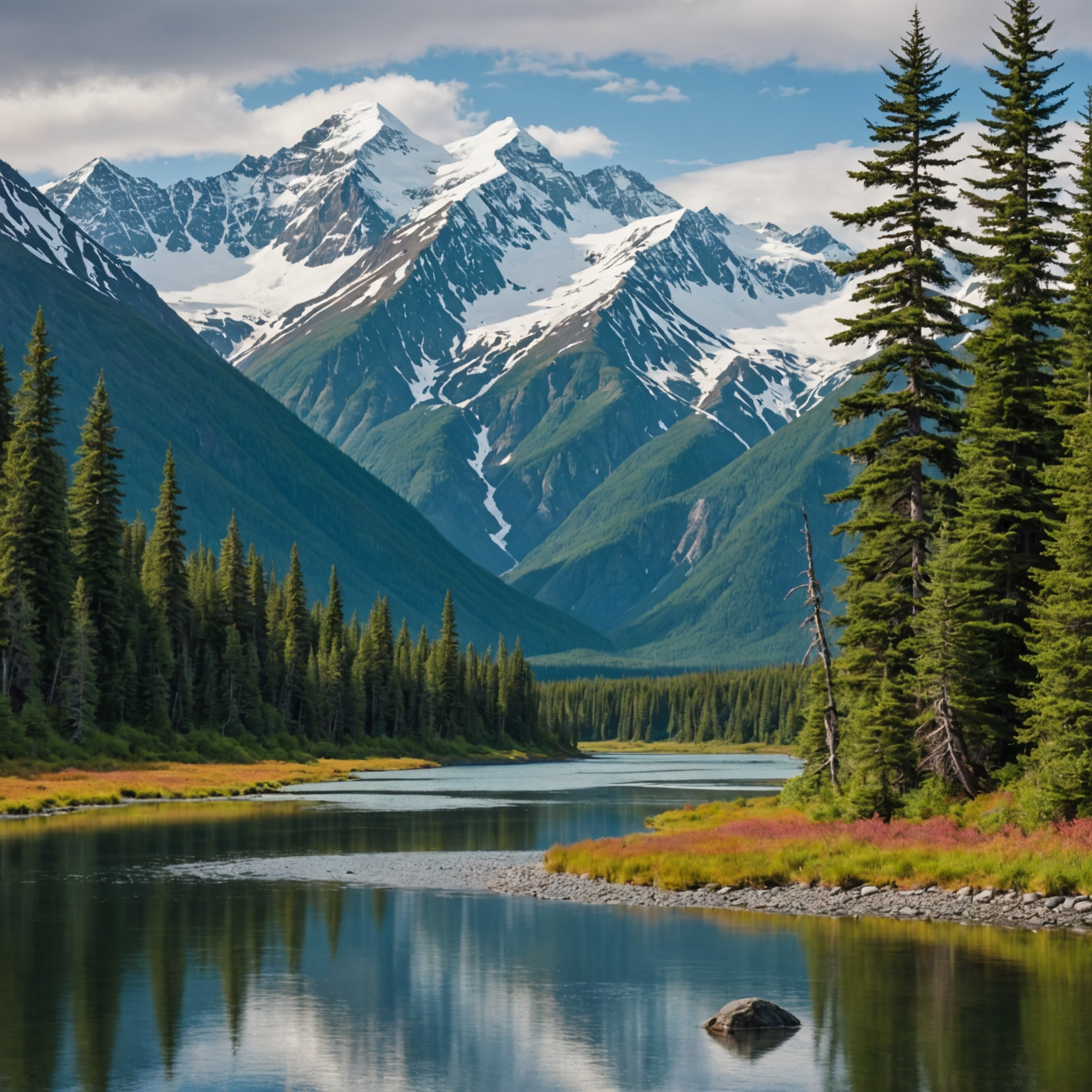
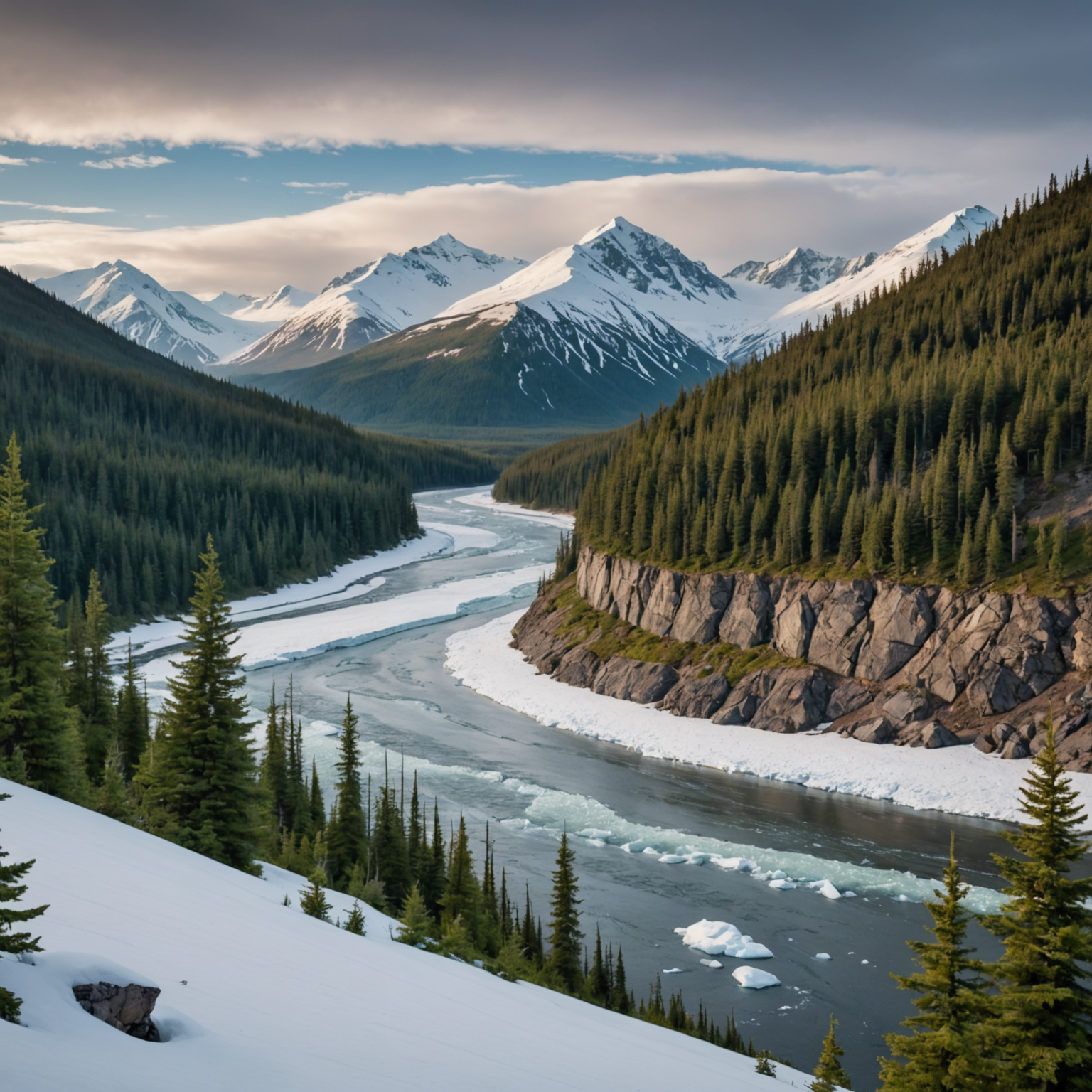
Before diving into the specific gear you’ll need, it’s important to understand the unique challenges and opportunities the Alaskan fishing environment presents. Alaska’s vast landscape and diverse water bodies mean that you could be fishing in a serene lake one day and battling the powerful currents of a river the next. The climate can also vary significantly, so being prepared for a range of weather conditions is crucial. For more insights on Alaska’s environment, check out the Travel Alaska and Alaska.org websites for detailed information.
Types of Fishing in Alaska
Alaska offers various fishing opportunities, including:
- Fly Fishing: Ideal for catching trout and grayling in the clear waters of Alaska’s rivers and streams.
- Deep Sea Fishing: Perfect for those looking to catch halibut and rockfish in the open ocean.
- Ice Fishing: A unique experience during the winter months, often yielding catches like pike and burbot.
Each type requires specific gear and preparation, as well as an understanding of the local fish species and their habitats. For a more immersive experience, consider pairing your fishing trip with an e-bike adventure to explore the surrounding areas.
Essential Alaska Fishing Gear
Rods and Reels
Selecting the right rod and reel is critical. For fly fishing, a 9-foot rod with a 5-7 weight line is typically ideal. For deep-sea fishing, you’ll need a sturdy rod that can handle heavier lines and larger catches. Ice fishing rods are shorter and designed to withstand frigid temperatures.
Tackle and Bait
Your tackle and bait will depend largely on the type of fish you’re targeting. For salmon, spinners and spoons are effective, while jigs and cut bait work well for halibut. Always check local regulations on bait usage at the Alaska Department of Fish and Game.
Clothing and Footwear
Alaska’s weather can be unpredictable. Layering is key, starting with moisture-wicking base layers, followed by insulating mid-layers, and waterproof outer layers. Don’t forget insulated, waterproof boots to keep your feet dry and warm. For tips on staying warm in Alaskan winters, explore the Northern Lights adventures.
Safety and Navigation
Safety should always be a priority. Equip yourself with a reliable GPS device and a personal flotation device (PFD). Familiarize yourself with local weather patterns through resources like the National Weather Service to avoid unexpected storms.
Storage and Transportation
A durable tackle box and rod case are essential for keeping your gear organized and protected. Consider collapsible or telescopic rods for easier transportation, especially if you’re planning to explore remote fishing spots via an ATV helicopter combo.
Conclusion
Fishing in Alaska is a rewarding experience that requires careful planning and the right equipment. By understanding the environment and preparing accordingly with the appropriate Alaska fishing gear, you’re setting yourself up for a successful and enjoyable adventure. Always remember to respect local wildlife and adhere to fishing regulations to preserve Alaska’s natural beauty for future generations.

FAQ
What type of fishing gear is best for Alaskan waters?
The best fishing gear for Alaskan waters depends on the type of fishing you’re doing. Fly rods work well for rivers and streams, while sturdy rods and reels are necessary for deep-sea fishing. Always choose gear that can withstand cold temperatures and variable weather conditions.
Do I need a fishing license in Alaska?
Yes, a fishing license is required for all anglers in Alaska. Licenses can be purchased through the Alaska Department of Fish and Game website, which also provides detailed information on regulations and fees.
How can I prepare for the weather while fishing in Alaska?
Layering is key to staying comfortable in Alaska’s variable climate. Use moisture-wicking base layers, insulating mid-layers, and waterproof outer layers. Keep an eye on weather forecasts from the National Weather Service to plan accordingly.
What safety precautions should I take while fishing in Alaska?
Always wear a personal flotation device (PFD) and carry a GPS device. Familiarize yourself with local wildlife and safety guidelines from the Alaska Department of Fish and Game.
Can I fish year-round in Alaska?
While fishing is possible year-round, the type of fishing and available species vary by season. Ice fishing is popular in winter, while summer months offer opportunities for both freshwater and saltwater fishing. Check seasonal regulations on the Alaska Department of Fish and Game website.
What is the best time of year to fish in Alaska?
The best time for fishing in Alaska generally spans from May to October. This period offers optimal conditions for various fishing types, including salmon runs. However, ice fishing can be quite rewarding during the winter months.
Are there guided fishing tours available in Alaska?
Yes, there are numerous guided fishing tours available throughout Alaska. These tours can provide local expertise, equipment, and transportation to some of the best fishing spots. For a comprehensive adventure, you might also consider combining your trip with a glacier tour.
How do I choose the right fishing spot in Alaska?
Choosing the right fishing spot involves considering the type of fish you’re targeting and the season. Researching local fishing reports and consulting with experts or guides can help you find the best locations. For additional exploration opportunities, check out the summer adventure guide.