Introduction
Alaska, known for its pristine wilderness and abundant wildlife, offers some of the best fly-fishing experiences in the world. Its vast rivers, remote lodges, and stunning landscapes create an angler’s paradise. Whether you’re a seasoned fly fisher or a beginner eager to learn, embarking on fly fishing trips in Alaska can be a life-changing adventure. This guide will help you plan the ultimate fly-fishing journey, highlighting key locations, tips for preparation, and what to expect on your Alaskan adventure.
Prime Locations for Fly Fishing in Alaska
Bristol Bay
Bristol Bay is renowned for its salmon runs and is home to five species of Pacific salmon, making it a top destination for fly fishing trips in Alaska. The region offers a variety of fishing experiences from river fishing to lake fishing, providing anglers with opportunities to catch rainbow trout, arctic char, and grayling. The remote nature of Bristol Bay ensures a pristine environment, unspoiled by crowds.
Kenai River
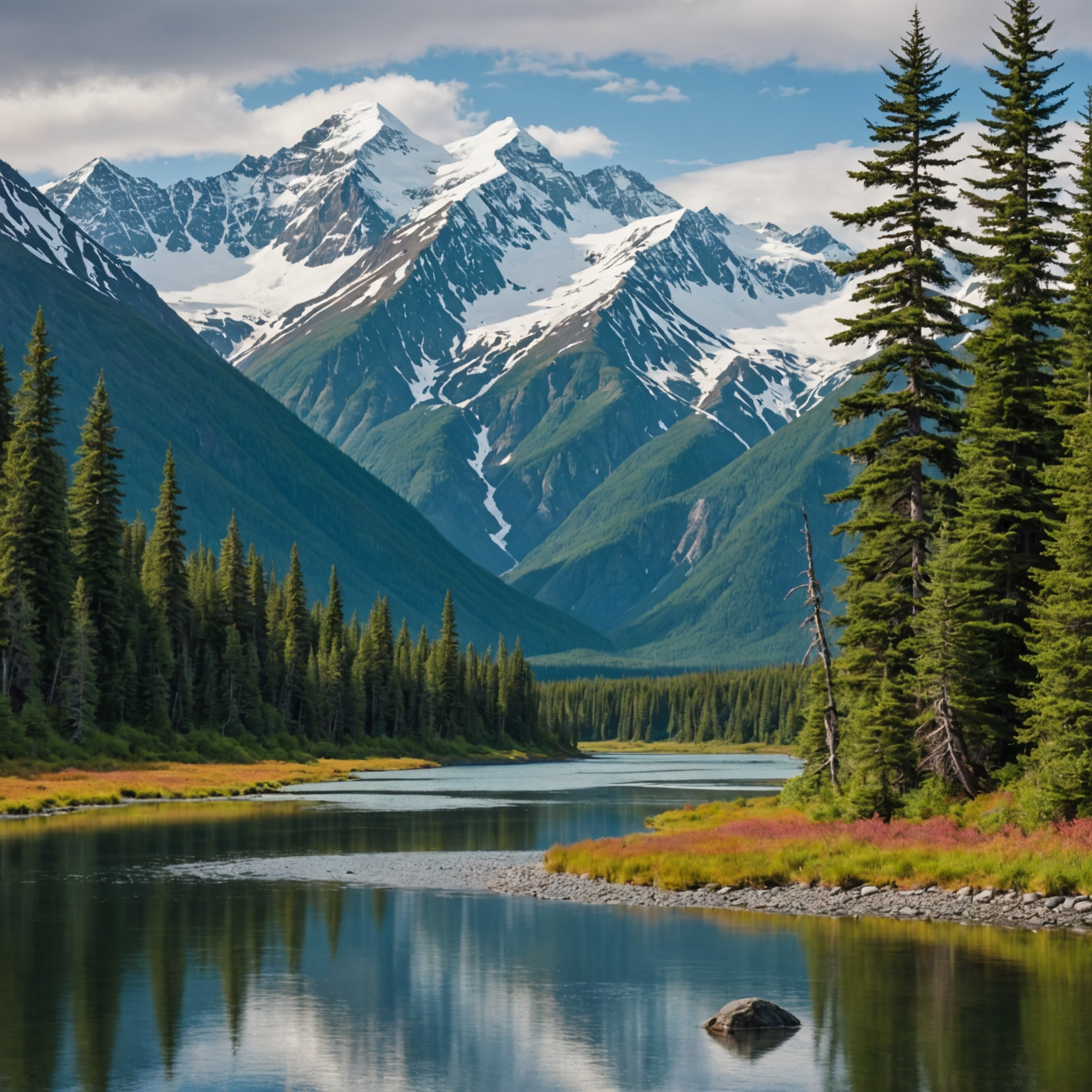
The Kenai River is another premier destination for fly fishing enthusiasts. Known for its trophy-sized king salmon, the river boasts diverse fishing spots suitable for all skill levels. The vibrant blue waters of the Kenai are surrounded by lush forests and majestic mountains, offering a breathtaking backdrop for your fishing adventure. For more information on the Kenai River and its offerings, visit Alaska.org.
Kodiak Island
Kodiak Island is a hidden gem for fly-fishing trips in Alaska. The island’s rivers and streams are teeming with salmon and steelhead, providing anglers with thrilling fishing experiences. The island’s remote wilderness also offers incredible wildlife viewing opportunities, including sightings of the famous Kodiak bear. For those seeking an off-the-beaten-path adventure, Kodiak Island is a must-visit.
Alagnak River
The Alagnak River, located in the Katmai National Park and Preserve, is another excellent spot for fly fishing. Renowned for its diverse fish population and stunning scenery, the Alagnak River is accessible via floatplane, adding an element of adventure to your trip. The river’s winding channels and deep pools offer perfect conditions for fly fishing, with opportunities to catch rainbow trout, arctic char, and all five species of Pacific salmon.
Planning Your Fly Fishing Trip
Best Time to Visit
The best time for fly fishing trips in Alaska varies depending on the species you aim to catch. Generally, the fishing season runs from June to September. King salmon fishing peaks in June and July, while silver salmon are more abundant from August to September. It’s essential to plan your trip based on the species you’re targeting and the specific region you wish to explore. Check the National Park Service for updates on seasonal conditions.
Choosing a Lodge
Selecting the right lodge is crucial for a successful fly fishing trip. Many lodges offer all-inclusive packages that include guided fishing tours, equipment rental, and accommodations. When choosing a lodge, consider factors such as location, amenities, and the expertise of the guides. For a comprehensive list of lodges, visit Travel Alaska.
Gear and Preparation
Bringing the right gear is essential for a successful fly fishing trip. Depending on the season and location, you’ll need specific rods, reels, and flies. Additionally, packing appropriate clothing is crucial, as weather conditions can vary significantly. Layered clothing, waterproof boots, and rain gear are highly recommended. For more tips on what to wear, check out Snowhook Adventures’ guide on clothing for Alaskan adventures.
Safety Considerations
Alaska’s wilderness is beautiful but can be challenging. Understanding safety measures, such as being bear aware and having a plan for emergencies, is vital. The Alaska Department of Fish and Game provides valuable information on safely navigating areas with wildlife. Additionally, always check the weather forecast before your trip at NOAA.
Conclusion
Fly fishing trips in Alaska offer unparalleled experiences in some of the world’s most stunning natural environments. From the abundant waters of Bristol Bay to the serene beauty of Kodiak Island, Alaska is a fly fisher’s dream destination. By planning your trip carefully, choosing the right lodge, and preparing adequately, you’ll ensure a memorable and successful adventure in the Alaskan wilderness.
FAQ
What is the best time of year for fly fishing in Alaska?
The best time for fly fishing in Alaska typically ranges from June to September, depending on the species you’re targeting. King salmon fishing peaks in June and July, while silver salmon are more abundant from August to September.
What should I bring on a fly fishing trip to Alaska?
Essential items include a suitable fly fishing rod and reel, appropriate flies, layered clothing, waterproof boots, and rain gear. For more detailed packing tips, refer to Snowhook Adventures’ clothing guide.
Do I need a fishing license for fly fishing in Alaska?
Yes, a fishing license is required for fly fishing in Alaska. Licenses can be purchased online through the Alaska Department of Fish and Game.
Are there guided fly fishing tours available in Alaska?
Yes, many lodges and tour operators offer guided fly fishing tours, providing experienced guides, equipment, and access to prime fishing spots. It’s advisable to book these tours in advance.
What safety precautions should I take while fly fishing in Alaska?
Be bear aware, inform someone of your fishing plans, and check the weather forecast. For more information on safety, refer to the Alaska Department of Fish and Game.
Can I see the Northern Lights while on a fly fishing trip in Alaska?
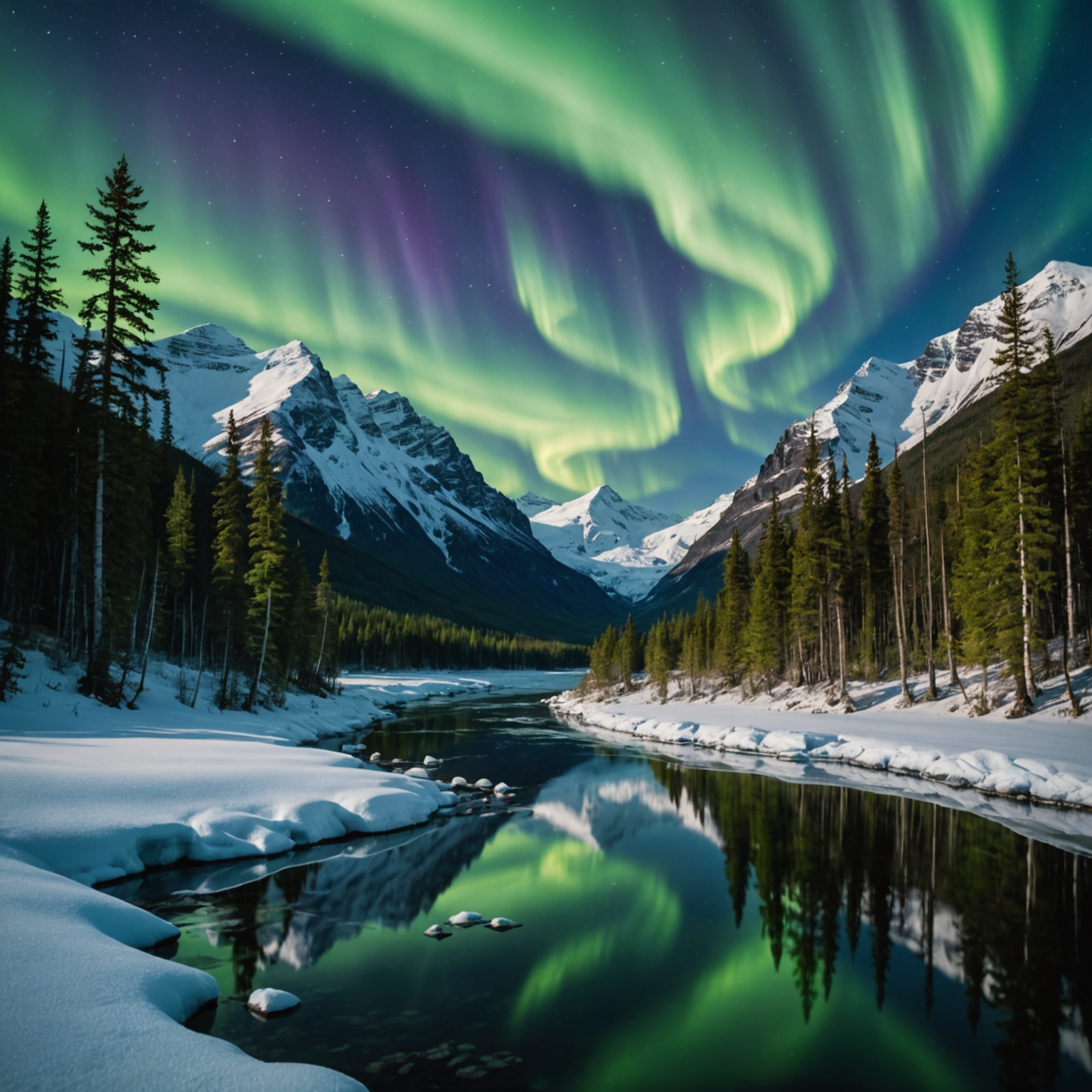
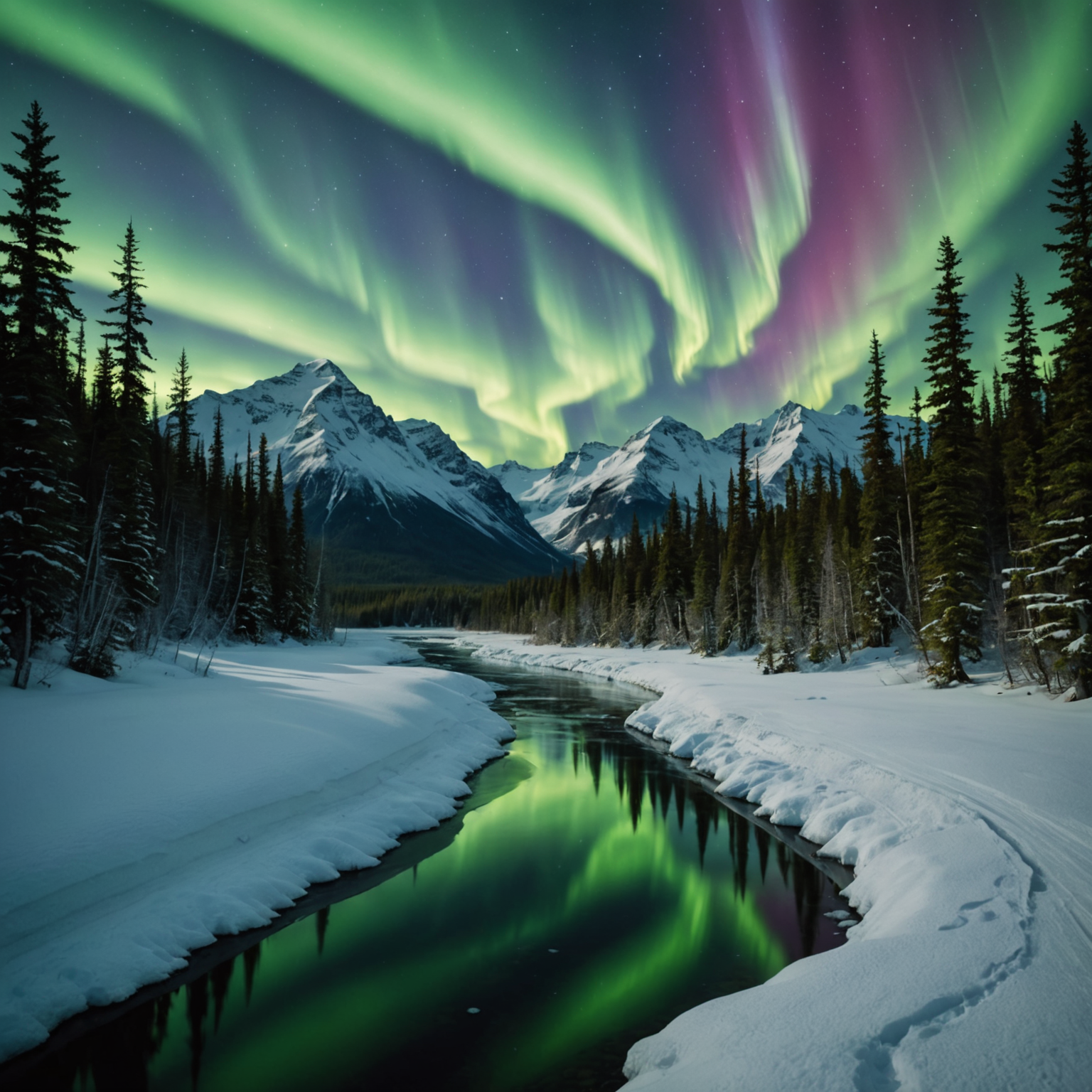
While the primary focus is fishing, some regions offer the chance to witness the Northern Lights, especially if you plan your trip in late summer. Consider combining your fishing trip with a Northern Lights adventure.
What are the lodging options for fly fishing trips in Alaska?
Alaska offers a range of lodges from rustic to luxurious, many providing all-inclusive packages that include guided fishing tours, meals, and accommodations. Research and book in advance for the best experience.