Introduction
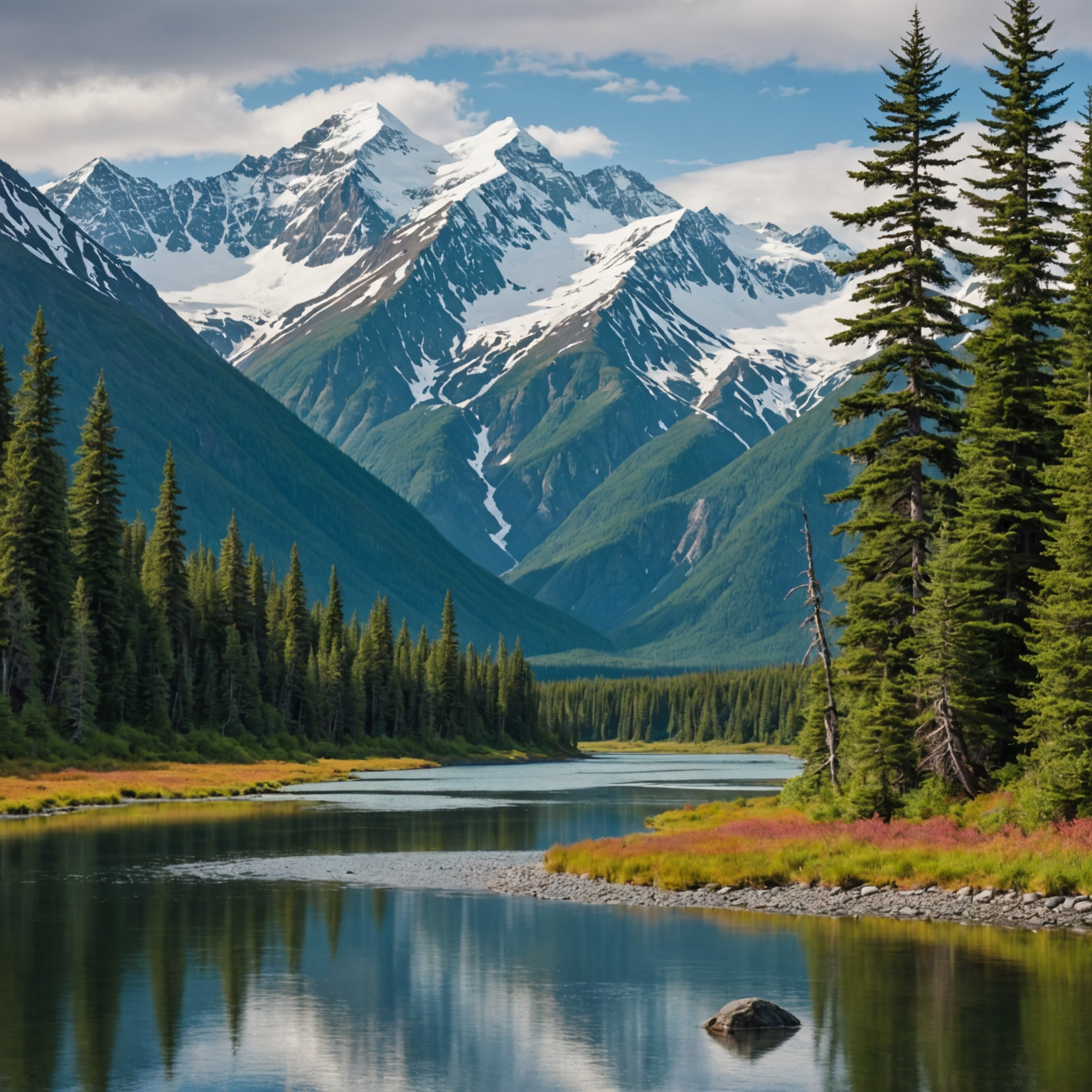
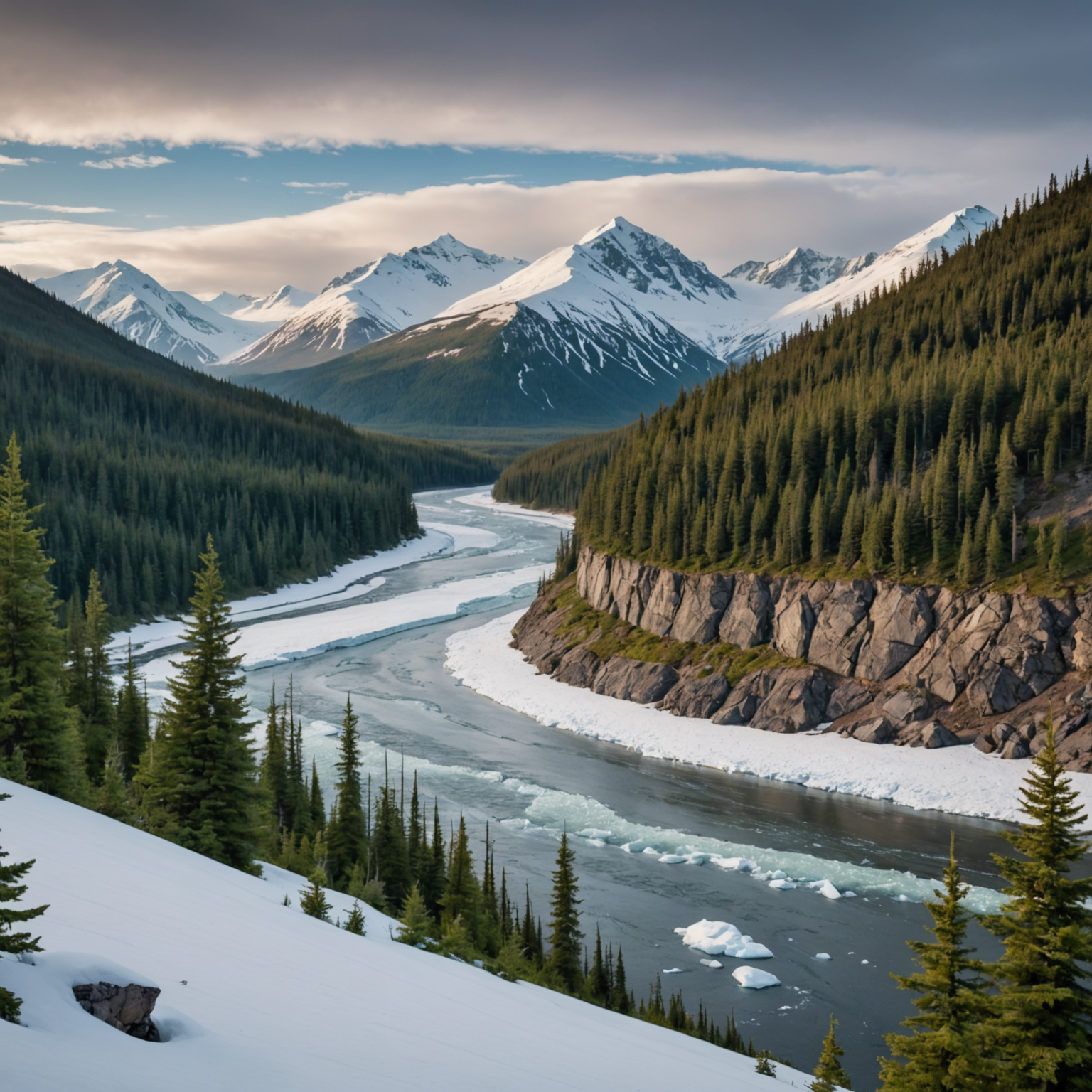
Alaska’s vast waterways and stunning landscapes make it a premier destination for salmon fishing enthusiasts. The state’s rivers and creeks are teeming with five species of Pacific salmon, offering an unparalleled experience for both novice and seasoned anglers. However, to make the most of your Alaskan fishing adventure, having the right gear is essential. This guide will explore the best Alaska salmon fishing gear, ensuring you’re well-prepared for a successful and enjoyable fishing trip.
Essential Gear for Alaska Salmon Fishing
When preparing for an Alaskan fishing trip, it’s important to pack the right equipment to handle the unique challenges of the region’s waterways.
Rods and Reels
Selecting the right rod and reel is crucial for a successful salmon fishing experience in Alaska. A medium-heavy spinning or casting rod, around 8 to 9 feet long, is generally recommended. These rods provide the necessary strength and flexibility to handle the weight and fight of a salmon. Pair your rod with a high-quality reel that offers a smooth drag system, as this will help manage the powerful runs of a big catch.
Fishing Line
Using a strong, durable fishing line is critical when targeting salmon. Braided lines are a popular choice due to their strength and sensitivity, with a test strength of 20 to 30 pounds being ideal for most situations. Fluorocarbon leaders can be added for abrasion resistance and invisibility in the water, increasing your chances of a successful catch.
Tackle and Lures
Salmon respond well to a variety of lures and tackle. Spinners, spoons, and plugs are effective options, with silver or brightly colored patterns often yielding the best results. Consider carrying a selection of sizes and colors to adapt to different water conditions and salmon species.
Waders and Boots
Alaska’s rivers and creeks can be cold and challenging to navigate. Investing in a high-quality pair of breathable waders and sturdy boots with non-slip soles is essential. These will keep you dry and comfortable while providing traction on slippery rocks. Consider boots with felt or rubber soles, depending on the terrain you’ll encounter.
Safety Gear
Safety should always be a top priority when fishing in Alaska. Carry a personal flotation device, and ensure you have a first aid kit on hand. A weather-resistant map and compass, or a GPS device, can help you navigate the remote areas of the state. For additional safety tips, consider checking resources from the Alaska Department of Fish and Game on wildlife interactions and local regulations.
Understanding the Environment
Before heading out, it’s important to understand the Alaskan environment and how it impacts your fishing experience.
Weather Conditions
Alaska’s weather can be unpredictable, with sudden changes occurring throughout the day. Check forecasts from the National Weather Service and pack accordingly. Layered clothing is recommended to adjust to varying temperatures, and waterproof gear is a must to stay dry during unexpected rain showers.
Salmon Species and Seasons
Alaska is home to five species of Pacific salmon: Chinook, Coho, Sockeye, Pink, and Chum. Each species has its own peak season, with the Alaska Department of Fish and Game providing detailed information on timing and locations. Understanding the habits and habitats of each species can significantly enhance your fishing success.
Environmental Conservation
Practicing sustainable fishing is crucial to preserving Alaska’s pristine waterways. Familiarize yourself with the Leave No Trace principles and adhere to local fishing regulations to minimize your impact on the environment.
Conclusion
Embarking on an Alaska salmon fishing adventure requires careful preparation and the right gear. By equipping yourself with high-quality rods, reels, tackle, and safety equipment, you’ll be ready to tackle the challenges of Alaska’s rivers and creeks. Understanding the local environment, weather, and salmon species will further enhance your experience, resulting in a successful and memorable fishing trip. For more adventure ideas in Alaska, consider exploring Alaska itinerary ideas for first-time visitors.
FAQ
What type of rod and reel is best for Alaska salmon fishing?
A medium-heavy spinning or casting rod, around 8 to 9 feet long, is recommended. Pair it with a high-quality reel that offers a smooth drag system.
What is the ideal fishing line for salmon in Alaska?
Braided lines with a test strength of 20 to 30 pounds are ideal, with fluorocarbon leaders added for abrasion resistance and water invisibility.
Are there specific lures that work best for Alaskan salmon?
Spinners, spoons, and plugs with silver or brightly colored patterns are effective. Carry a variety of sizes and colors to adapt to different conditions.
How should I prepare for Alaska’s weather while fishing?
Check the National Weather Service for forecasts. Wear layered, waterproof clothing to adjust to varying temperatures and stay dry.
What safety gear is necessary for Alaska salmon fishing?
A personal flotation device, first aid kit, weather-resistant map or GPS, and knowledge of local wildlife safety guidelines are essential.
When is the best time to fish for salmon in Alaska?
Each species has its own peak season. Refer to the Alaska Department of Fish and Game for detailed timing and location information.
How can I ensure my fishing trip is environmentally friendly?
Adhere to Leave No Trace principles and local fishing regulations to minimize environmental impact.
Where can I find additional Alaskan adventure ideas?
For more ideas on exploring Alaska, check out best places to stay in Alaska for adventure and other resources.