Introduction
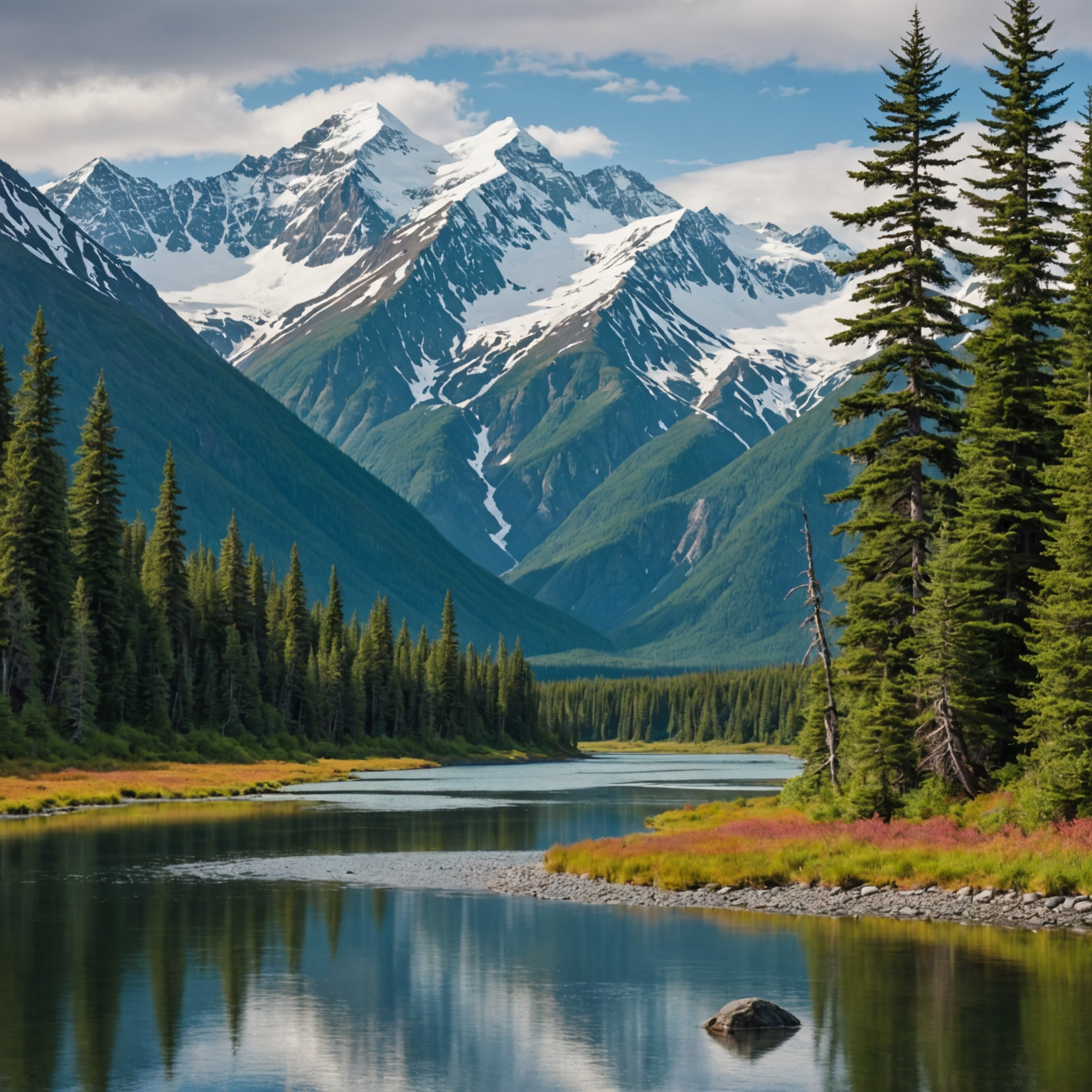
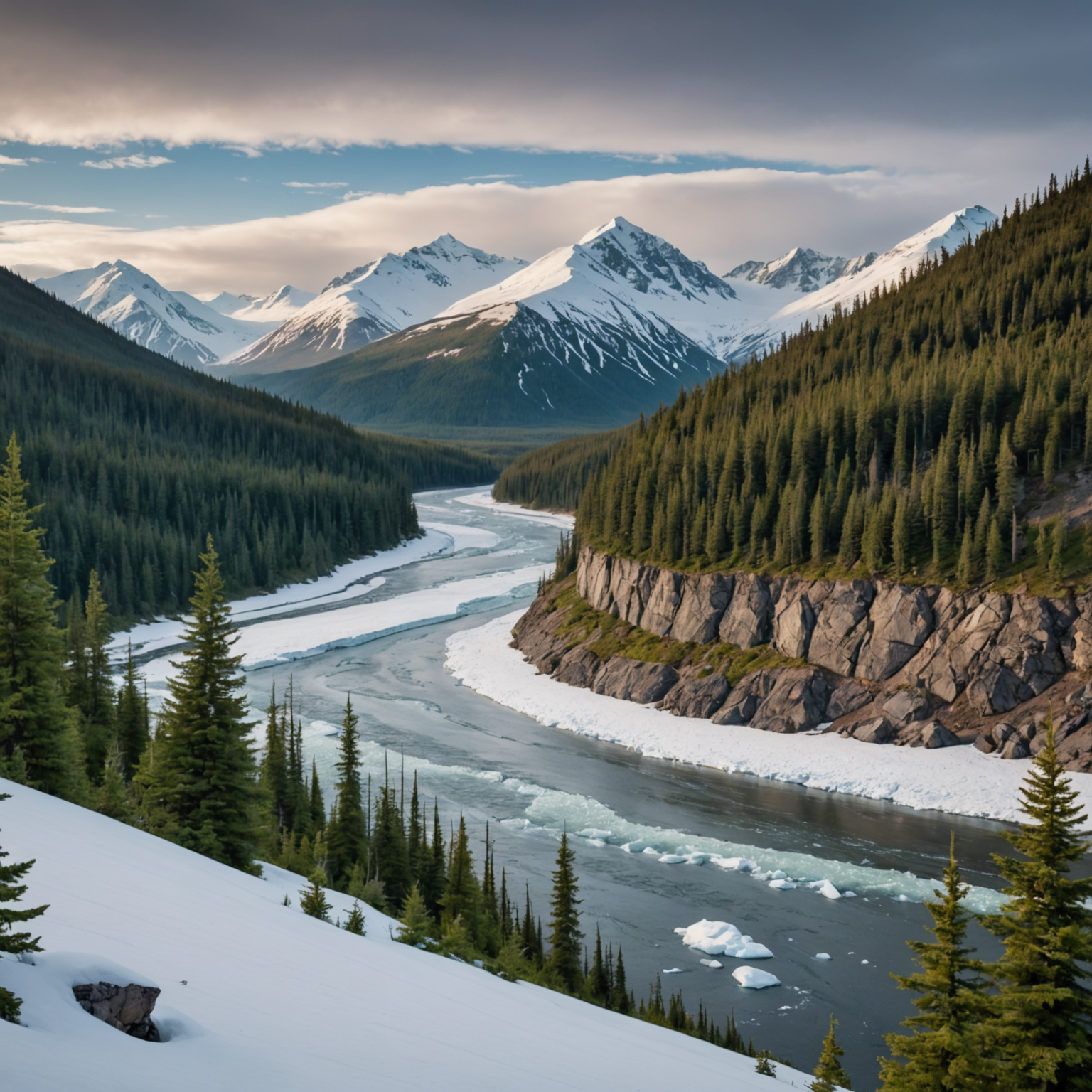
Exploring the rugged wilderness of Alaska is a dream for many outdoor enthusiasts. From expansive glaciers to dense forests and towering peaks, the state offers some of the most breathtaking landscapes in the world. However, embarking on a hiking adventure in Alaska requires more than just a sense of adventure. The unpredictable weather, remote trails, and challenging terrain demand proper preparation and the right hiking gear. In this guide, we’ll delve into the essential Alaska hiking gear you need to ensure a safe and enjoyable journey across the Last Frontier.
Essential Clothing for Alaska Hiking
Layering for Alaska’s Variable Weather
Alaska is known for its rapidly changing weather conditions. Therefore, dressing in layers is crucial. Start with a moisture-wicking base layer to keep sweat away from your skin, followed by an insulating mid-layer to retain body heat. A waterproof and windproof outer layer will protect you from rain, snow, and strong winds. This versatile system allows you to adjust your clothing as conditions change.
Footwear: Boots and Socks
Choosing the right footwear is crucial for Alaska’s diverse and often rugged trails. Waterproof hiking boots with good ankle support are recommended to prevent injuries and keep your feet dry. Pair these with moisture-wicking socks to avoid blisters and ensure comfort during long hikes.
Accessories: Hats, Gloves, and Sunglasses
Don’t underestimate the importance of accessories. A wide-brimmed hat or a beanie will protect you from the sun and cold winds, respectively. Insulated gloves are essential in colder months, while sunglasses with UV protection will shield your eyes from the sun’s glare, especially when hiking on snow-covered terrain.
Safety and Navigation Gear
Maps and GPS Devices
While Alaska’s beauty is enchanting, it’s easy to get lost in its vastness. Always carry a physical map and a compass, even if you’re using a GPS device. Familiarize yourself with the trail and have a backup plan in case technology fails. The Alaska National Park Service offers detailed trail maps and guides, which are invaluable resources for hikers (source).
Emergency Gear
Your safety should be a top priority. A first-aid kit, whistle, and multi-tool are essential items in your backpack. Additionally, carry a headlamp with extra batteries, as daylight hours can be limited, especially during the fall and winter months.
Bear Safety
Alaska is home to a significant bear population. Carrying bear spray and knowing how to use it is a must. Familiarize yourself with bear safety protocols, which are available through the Alaska Department of Fish and Game.
Hydration and Nutrition
Water Filtration Systems
Streams and rivers are abundant in Alaska, but it’s vital to treat all water before drinking. A portable water filter or purification tablets are lightweight and effective solutions for safe hydration on the trail.
Trail Snacks
High-energy snacks like nuts, dried fruits, and energy bars are perfect for maintaining energy levels during long hikes. Planning your meals and understanding your nutritional needs are essential for a successful hike.
Backpacks and Gear Storage
Choosing the Right Backpack
Select a backpack that fits comfortably and has sufficient capacity for your gear. Look for features like adjustable straps, multiple compartments, and a hydration reservoir pocket. Ensure it’s durable and waterproof to withstand Alaska’s weather conditions.
Packing Tips
Distribute weight evenly in your backpack, placing heavy items close to your back and lighter items farther out. This packing method enhances balance and reduces strain on your back.
Conclusion
Hiking in Alaska is an unforgettable experience that offers breathtaking views and a chance to connect with nature. However, the state’s unpredictable weather and challenging terrain require thorough preparation and the right hiking gear. By investing in quality clothing, safety equipment, and navigation tools, you can ensure a safe and enjoyable adventure. Remember, the key to a successful hiking trip lies in preparation and respect for the wilderness.
FAQ
What type of clothing is best for hiking in Alaska?
Layering is key for hiking in Alaska. Start with a moisture-wicking base layer, add an insulating mid-layer, and top it off with a waterproof outer layer to protect against rain and wind.
Are hiking boots necessary for Alaska trails?
Yes, waterproof hiking boots with good ankle support are highly recommended. They provide stability and protect your feet from moisture and injuries on rugged trails.
How can I stay safe from bears while hiking?
Carry bear spray and know how to use it. Follow bear safety protocols, such as making noise while hiking and storing food properly. More information can be found on the Alaska Department of Fish and Game website.
What are the best months to hike in Alaska?
The best months for hiking in Alaska are typically from June to September when the weather is milder, and trails are more accessible. For specific planning tips, visit Travel Alaska.
Is a GPS device necessary for hiking in Alaska?
While not strictly necessary, a GPS device is highly recommended for navigation in Alaska’s vast wilderness. Always carry a map and compass as a backup.
What should I pack in my hiking backpack for a day trip?
Your backpack should include a first-aid kit, water filtration system, snacks, extra clothing layers, a map, compass, GPS device, and bear spray.
Can I drink water from streams and rivers in Alaska?
You should always treat water from natural sources before drinking. Use a portable water filter or purification tablets to ensure it’s safe for consumption.
Where can I find more information about hiking trails in Alaska?
The Alaska National Park Service website provides detailed information about trails, maps, and safety guidelines, which are invaluable for planning your hiking adventure.