Introduction
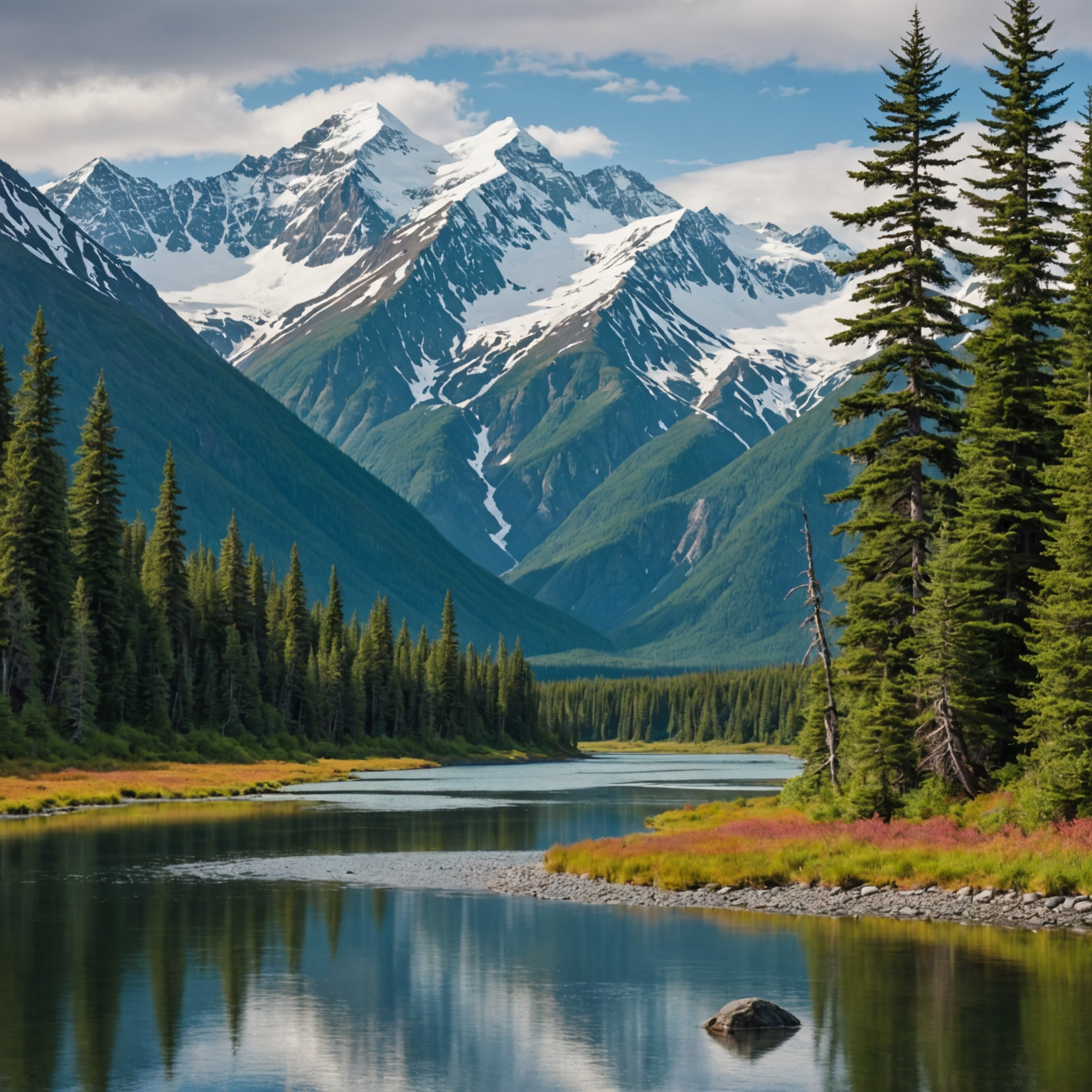
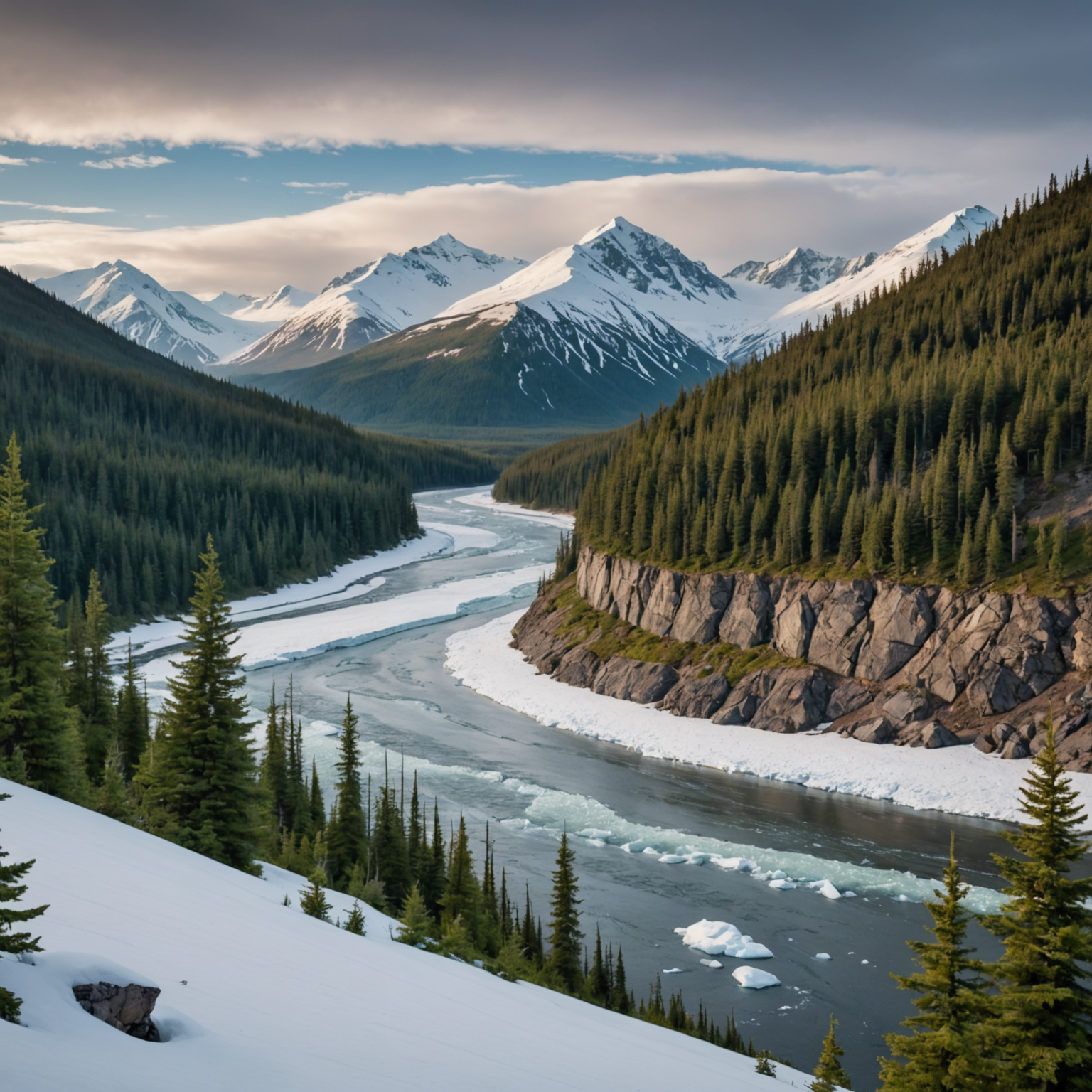
Nestled in the heart of Alaska’s untamed wilderness, the Alagnak River is a pristine waterway that beckons adventurers and nature enthusiasts alike. Known for its superb fishing opportunities and exhilarating rafting experiences, the Alagnak River promises an unforgettable journey through one of the most beautiful regions in the world. In this comprehensive guide, we’ll explore the rich offerings of the Alagnak River, from its abundant wildlife to the practical aspects of planning your visit.
The Alagnak River: A Jewel in Alaska’s Wilderness
The Geography and Features of the Alagnak River
The Alagnak River, also known as the Branch River, flows 64 miles from its origin in the Katmai National Park and Preserve to its confluence with the Kvichak River. This river is renowned for its braided channels and diverse ecosystems, offering a unique landscape for exploration. The river is accessible only by air, adding to its allure as a remote wilderness destination. For those planning a trip, resources like Travel Alaska are invaluable for logistical details.
Fishing on the Alagnak River
Fishing is one of the primary draws of the Alagnak River. Anglers from around the globe flock here to catch species such as salmon, rainbow trout, and Arctic grayling. The river is known for its healthy salmon runs, which include king, sockeye, and chum salmon. To ensure a sustainable fishing experience, visitors should familiarize themselves with local regulations, available through the Alaska Department of Fish and Game.
Rafting Adventures
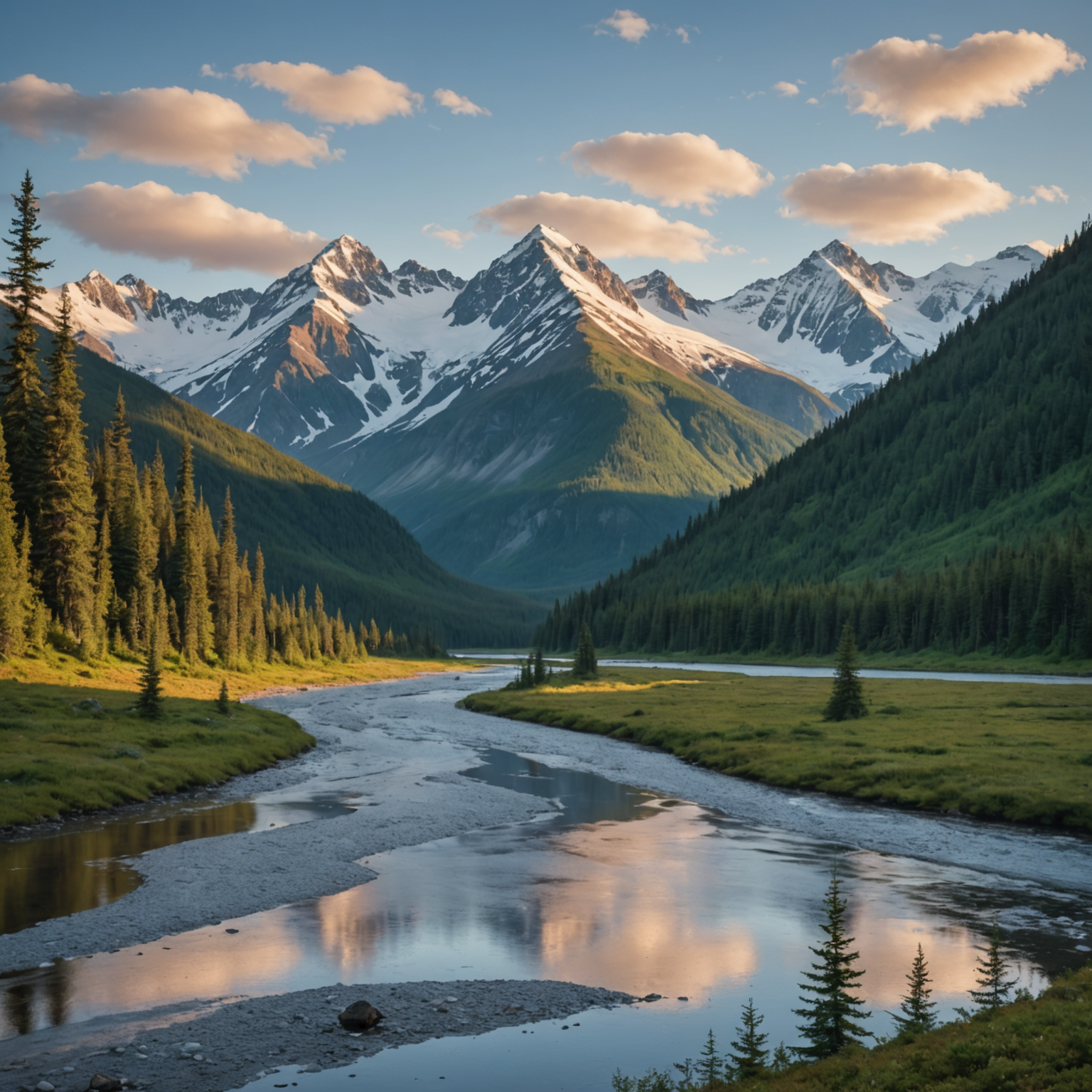
For those seeking adrenaline, rafting on the Alagnak River provides a thrilling experience. The river’s braided channels create varied conditions, from gentle floats to more challenging rapids. Guided tours are available, offering expert knowledge and safety for both novice and experienced rafters. Safety is paramount, and checking the National Weather Service for current conditions is essential before embarking on a rafting adventure.
Wildlife and Scenery
The Alagnak River is home to an array of wildlife, including bears, moose, and eagles, making it a paradise for wildlife photographers and nature lovers. The surrounding Katmai National Park, known for its brown bears, offers additional opportunities for wildlife viewing. For those interested in a broader Alaskan wildlife experience, consider exploring the best spots for Alaska wildlife viewing.
Planning Your Visit
When to Visit
The best time to visit the Alagnak River is during the summer months, from June to September, when weather conditions are optimal for fishing and rafting. For more insights on seasonal activities, check out why visiting Alaska during the summer months can be particularly rewarding.
Accommodations and Logistics
Due to its remote location, visitors often stay in nearby lodges or opt for guided tours that include transportation and accommodations. For those seeking a unique experience, the best Alaska cabin rentals for adventure seekers offer a blend of comfort and proximity to nature.
Safety and Preparation
Visitors should be well-prepared for the unpredictable Alaskan weather and terrain. It’s crucial to be informed about potential wildlife encounters and safety practices, available through the Alaska Department of Fish and Game’s safety guidelines. Additionally, travel enthusiasts should consider the benefits of traveling smart when visiting Alaska.
Conclusion
The Alagnak River is a testament to the raw beauty and adventure that Alaska has to offer. Whether you’re casting a line for salmon, navigating its rapids, or simply soaking in the serene landscapes, the river promises an experience like no other. As you plan your journey, remember to respect the natural environment and embrace the spirit of adventure that defines this remarkable destination.
FAQ
What is the best time of year to visit the Alagnak River?
The ideal time to visit the Alagnak River is from June to September, when the weather is most favorable for outdoor activities like fishing and rafting.
How can I get to the Alagnak River?
The Alagnak River is accessible only by air, typically via floatplane from King Salmon, Alaska. Travel planning resources such as Travel Alaska can assist with logistics.
What wildlife can I expect to see along the Alagnak River?
Visitors can expect to see a variety of wildlife, including brown bears, moose, eagles, and numerous fish species. For comprehensive wildlife viewing tips, explore Alaska wildlife viewing spots.
Do I need a fishing license to fish on the Alagnak River?
Yes, a fishing license is required to fish on the Alagnak River. Licenses can be obtained through the Alaska Department of Fish and Game.
Are there guided tours available for rafting on the Alagnak River?
Yes, guided tours are available and recommended for rafting on the Alagnak River, providing expertise and ensuring safety on the water.
What safety precautions should I take when visiting the Alagnak River?
Visitors should be prepared for changing weather, carry bear spray, and follow all wildlife safety guidelines as outlined by the Alaska Department of Fish and Game.
Where can I stay near the Alagnak River?
Accommodations are available at nearby lodges, often included in guided tour packages. For a unique stay, consider Alaska cabin rentals.
What other attractions are nearby the Alagnak River?
The Alagnak River is near Katmai National Park, famous for its brown bears. Exploring Talkeetna tourist attractions can also enhance your Alaskan adventure.