Introduction
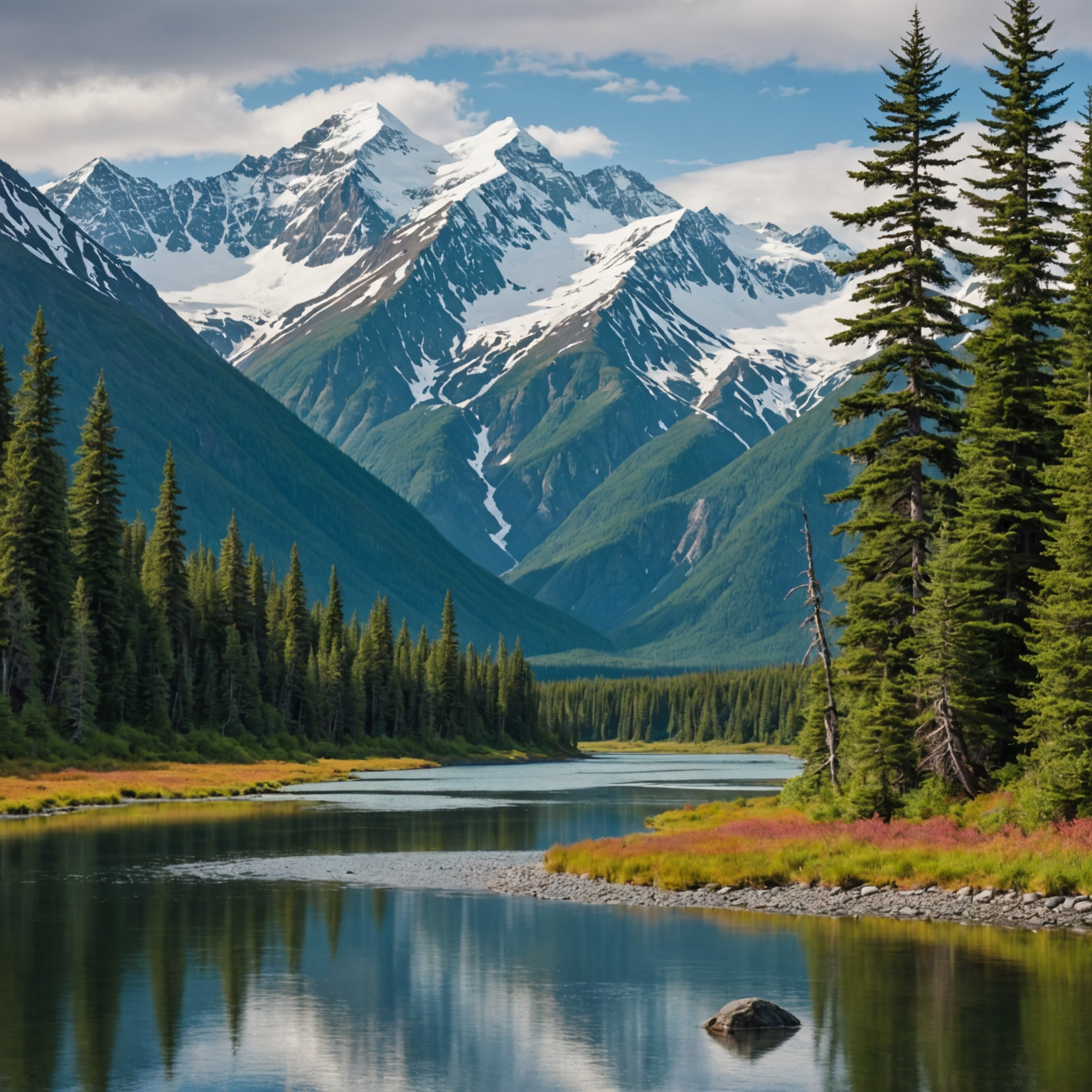
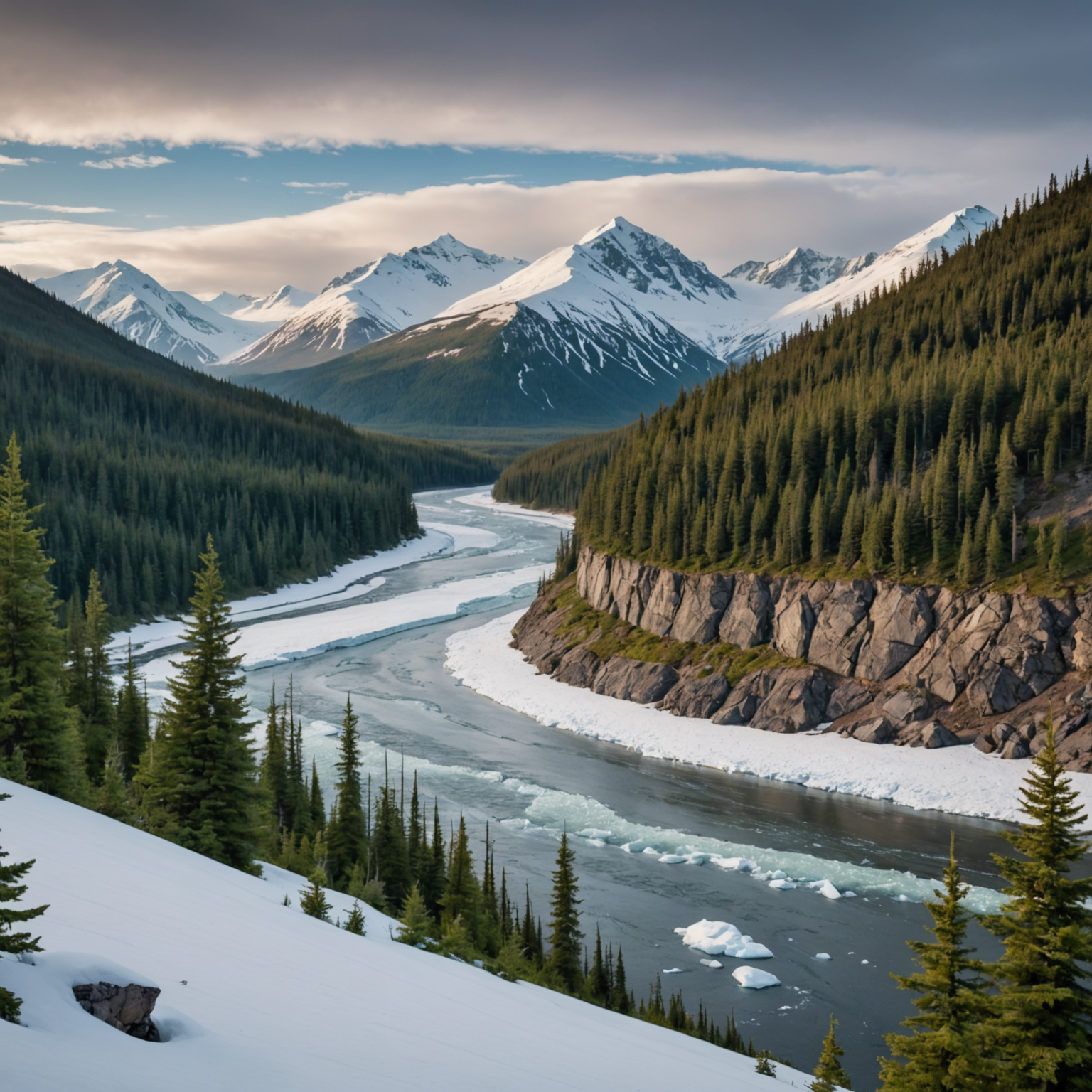
Alaska is one of the best places on Earth to witness the mesmerizing Northern Lights, or aurora borealis. With its vast wilderness and minimal light pollution, the state provides an ideal backdrop for this celestial phenomenon. But when is the best month to see Northern Lights in Alaska? This guide will take you through the optimal times, locations, and tips for experiencing the aurora in all its glory. Whether you’re a seasoned traveler or planning your first trip, understanding the best time to visit can make your adventure unforgettable.
Understanding the Aurora Borealis
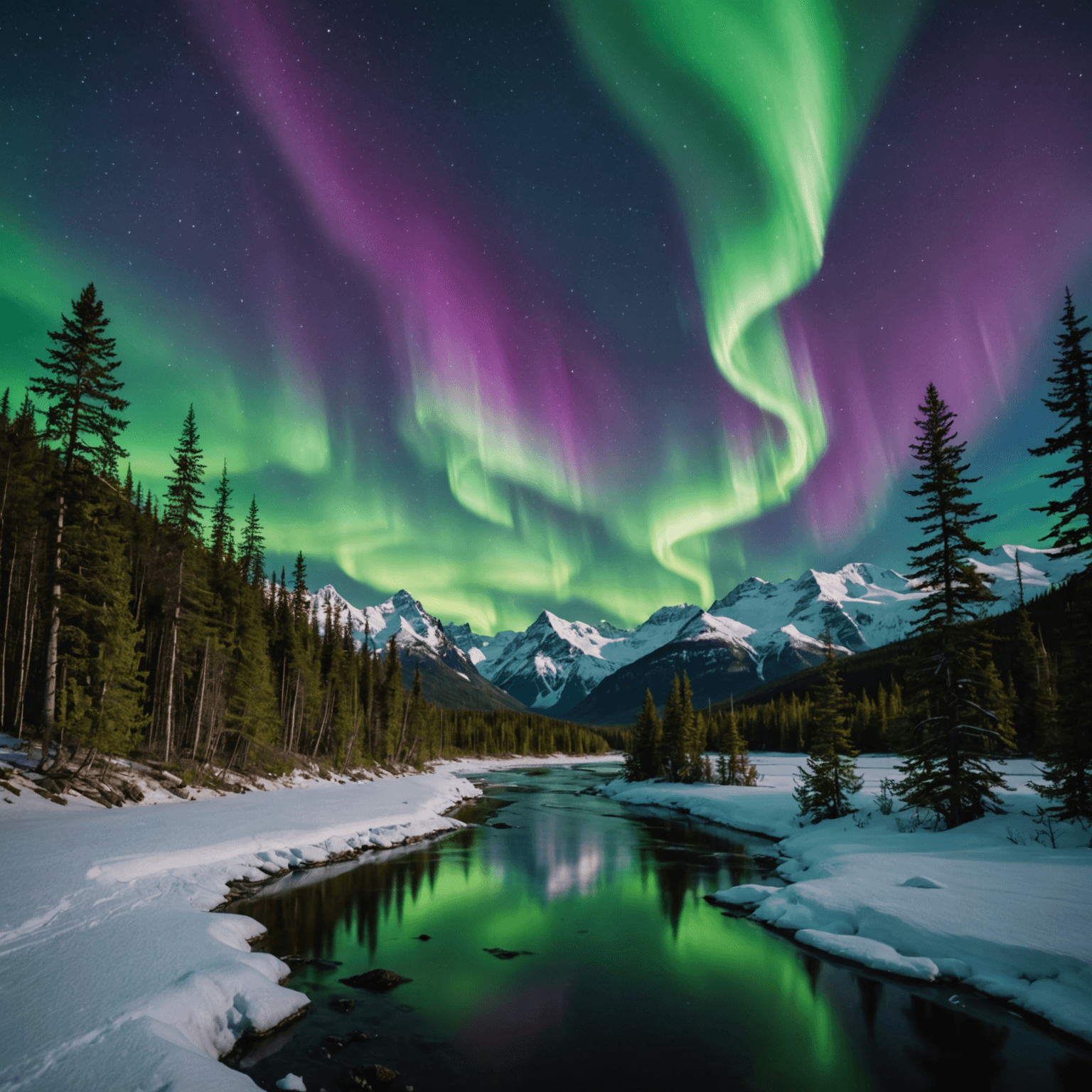
The Northern Lights are a natural light display predominantly seen in high-latitude regions around the Arctic and Antarctic. They are caused by solar winds interacting with the Earth’s magnetic field, resulting in vibrant displays of colors across the sky. To maximize your chances of seeing this breathtaking phenomenon, timing and location are crucial.
The Best Month to See Northern Lights in Alaska
While the Northern Lights can be seen from late August to April, the best month to see Northern Lights in Alaska is typically March. During this time, the nights are long, skies are clear, and solar activity is often high, providing optimal conditions for viewing the aurora.
Why March is Ideal
- Longer Nights: As winter transitions to spring, March still offers extended hours of darkness, essential for aurora viewing.
- Stable Weather: March tends to have more stable weather patterns compared to the unpredictable and harsh conditions of mid-winter.
- Peak Solar Activity: The sun’s cycle influences aurora activity, and March often coincides with heightened solar wind activity.
For more detailed weather forecasts in Alaska, you can visit the National Weather Service.
Other Good Months for Viewing
- September and October: Early fall can also be an excellent time for aurora hunting, with mild temperatures and the added beauty of fall foliage.
- February: Similar to March, February offers long nights and increasing solar activity, though temperatures can be colder.
Top Locations for Northern Lights Viewing in Alaska
Choosing the right location is as important as timing when it comes to viewing the Northern Lights. Here are some top spots to consider:
- Fairbanks: Known for its reliable aurora sightings, Fairbanks offers a variety of tours and secluded spots away from city lights.
- Denali National Park: While primarily known for its wildlife and mountain views, Denali also provides excellent aurora opportunities during the winter months. Check out the National Park Service for more information.
- Anchorage: Although a larger city, Anchorage has accessible locations nearby where you can escape the light pollution and enjoy the Northern Lights.
For a unique adventure combining aurora viewing with other winter activities, consider the Glacier Northern Lights Adventure.
Tips for a Successful Aurora Viewing Experience
- Check the Aurora Forecast: Utilize resources like the Geophysical Institute’s Aurora Forecast to stay updated on aurora activity.
- Dress Warmly: Temperatures can drop significantly at night, so layering is essential.
- Stay Flexible: Weather conditions can change rapidly, so be prepared to alter your plans and explore different viewing locations.
Combining Adventures with Aurora Viewing
To make the most out of your trip, consider combining aurora viewing with other Alaskan adventures. Options include dog sledding, snowmobiling, and even helicopter tours.
- Dog Sledding Adventures: Experience the thrill of a dog sledding and snowmobile combo for a quintessential Alaskan experience.
- Helicopter Tours: Get a bird’s-eye view of Alaska’s stunning landscapes with a Hatcher Pass Helicopter Tour.
Conclusion
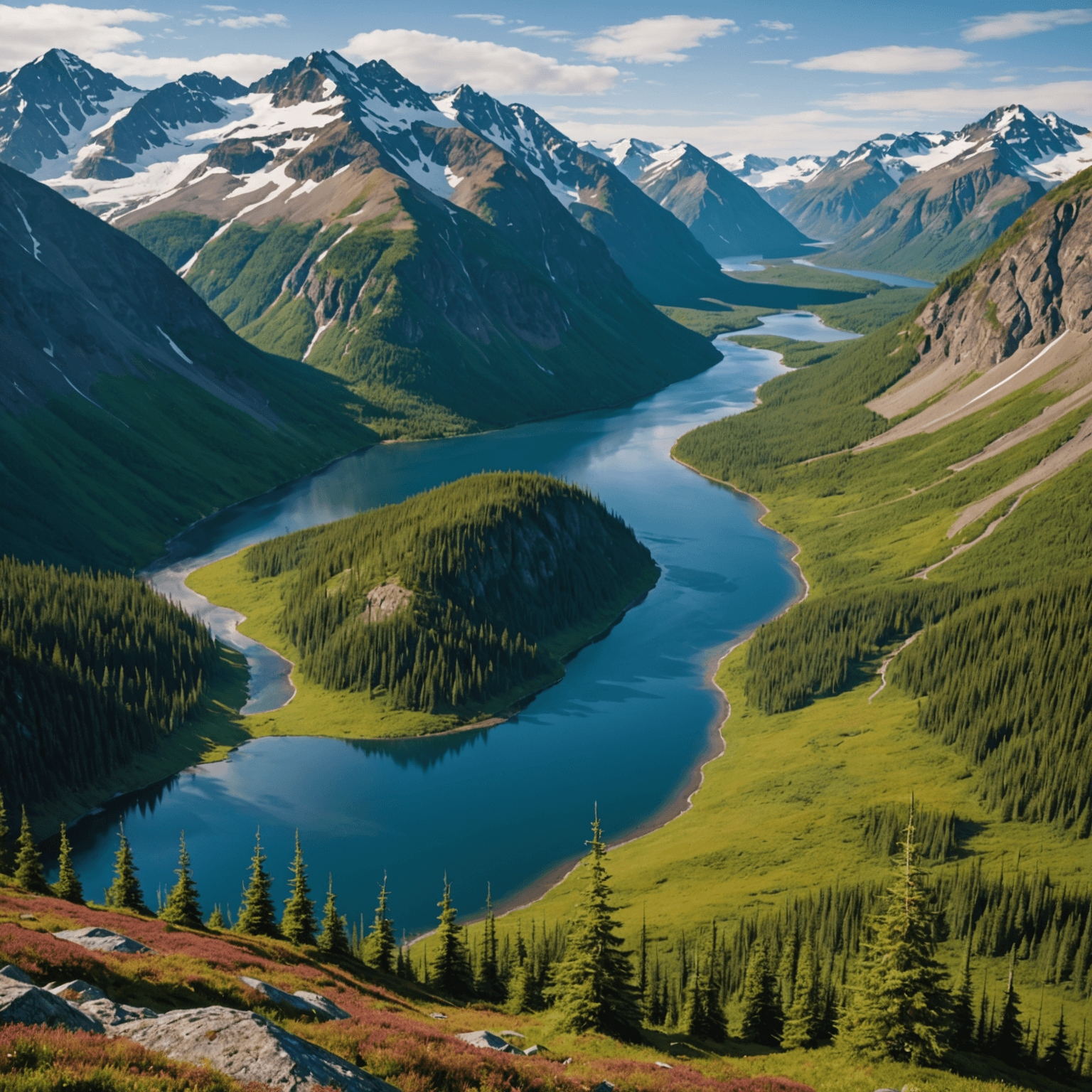
The allure of the Northern Lights in Alaska is undeniable, and timing your visit during the best month to see Northern Lights in Alaska can greatly enhance your experience. March stands out as the optimal time, offering a balance of long nights, stable weather, and vibrant aurora displays. By planning your trip around this peak period and choosing the right locations, you can witness one of nature’s most captivating spectacles. Remember, a bit of flexibility and preparation can ensure you make the most of this bucket-list experience.
FAQ
What is the best month to see Northern Lights in Alaska?
March is generally considered the best month to see Northern Lights in Alaska due to longer nights and favorable weather conditions.
Where are the best places to see the Northern Lights in Alaska?
Fairbanks, Denali National Park, and areas around Anchorage are among the top locations for aurora viewing.
Can you see the Northern Lights every night in Alaska?
Northern Lights are not visible every night as their appearance depends on solar activity and clear skies. Checking an aurora forecast can help plan your viewing.
Is it possible to see the Northern Lights in the summer in Alaska?
The Northern Lights are not visible during the summer months due to the extended daylight hours in Alaska.
What should I wear when viewing the Northern Lights?
Wear warm, layered clothing, including insulated jackets, gloves, hats, and thermal boots, to stay comfortable in cold temperatures.
Are there guided tours for Northern Lights viewing in Alaska?
Yes, guided tours are available and can enhance your experience by taking you to prime viewing locations and providing local insights.
How can I photograph the Northern Lights?
Use a camera with manual settings, a tripod, and a wide-angle lens. Set a long exposure time and adjust the ISO and aperture to capture the best images.
What other activities can I do while visiting Alaska for the Northern Lights?
Consider combining your aurora viewing with activities like dog sledding, snowmobiling, or taking a scenic helicopter tour for a full Alaskan adventure.