Introduction
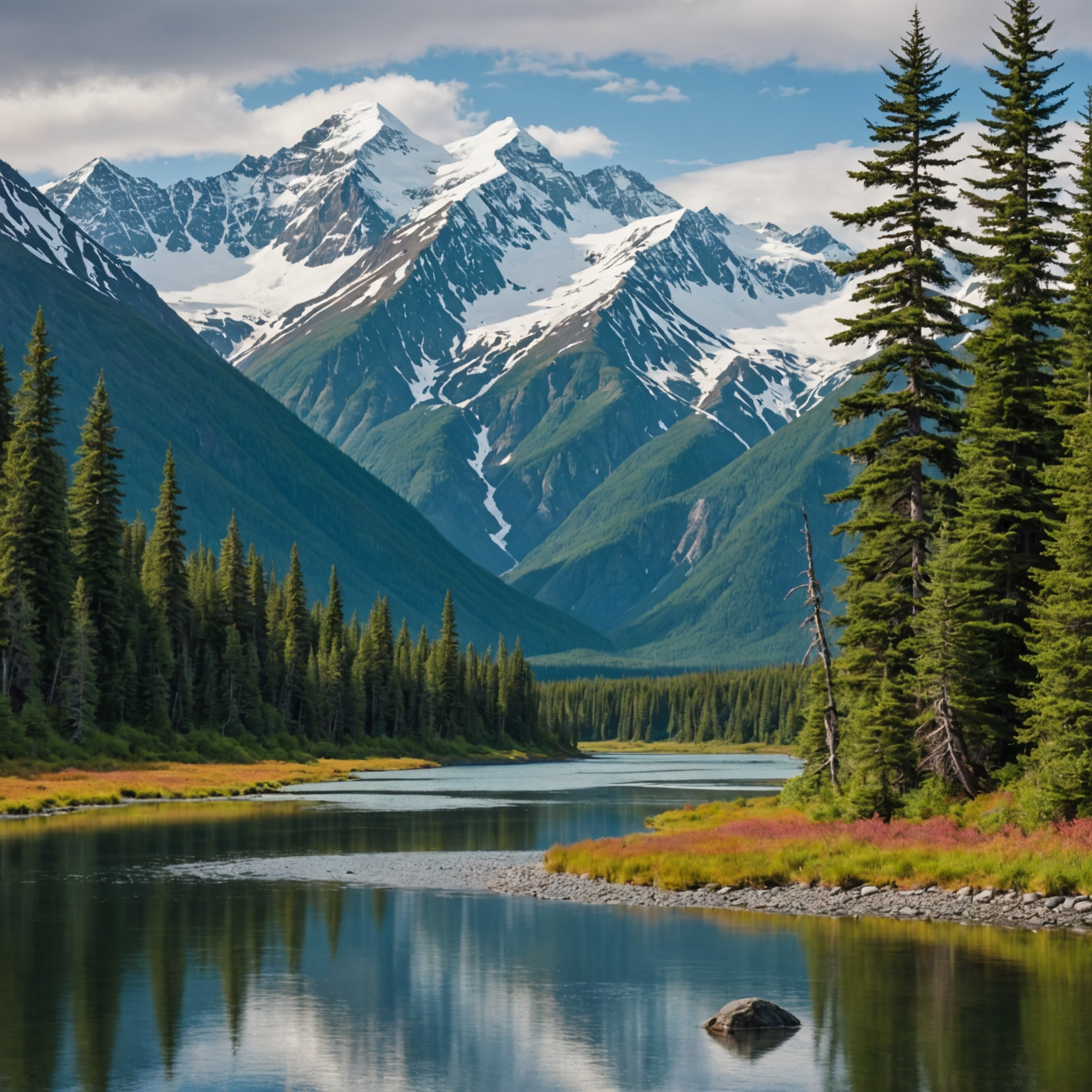
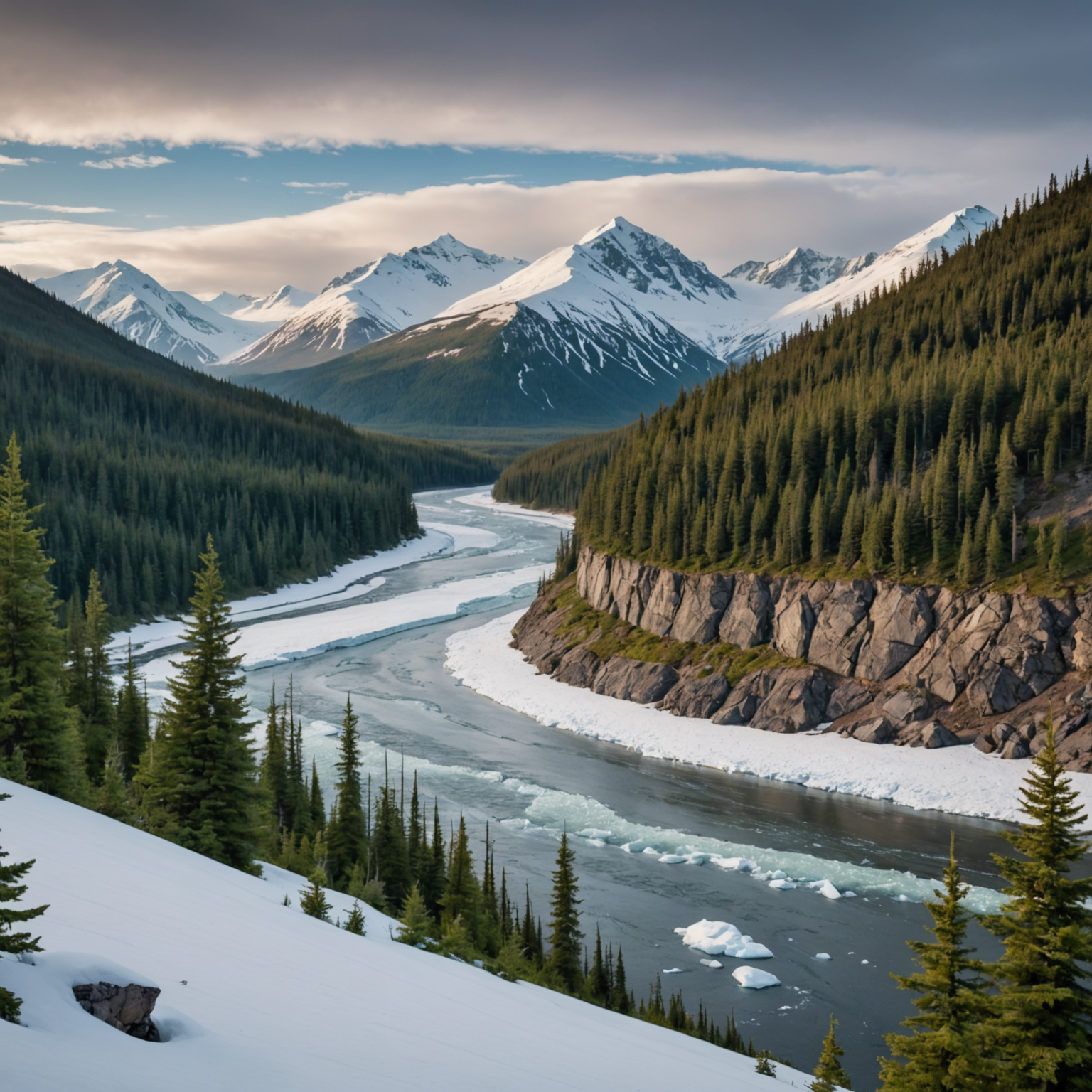
Embarking on a cold-weather camping trip in Alaska is an adventure like no other. The stunning landscapes, from snow-capped mountains to frozen lakes, offer an unparalleled backdrop for outdoor enthusiasts. However, with the beauty of Alaska’s wilderness comes the harsh reality of its frigid temperatures. To ensure a safe and comfortable camping experience, selecting the right gear is crucial, especially when it comes to staying warm at night. In this guide, we’ll explore the best blankets for cold weather camping, helping you choose the perfect one for your Alaskan adventure.
Understanding the Alaskan Climate
Alaska’s climate is known for its extreme cold, especially during the winter months. According to the National Weather Service, temperatures can plunge well below freezing, with some areas experiencing temperatures as low as -40°F. Therefore, understanding the climate is essential when planning a trip. For real-time updates on weather conditions, the Anchorage Forecast is a valuable resource.
Types of Blankets for Cold Weather Camping
Wool Blankets
Wool blankets are a popular choice for cold weather camping due to their excellent insulation properties. Wool can retain heat even when wet, making it ideal for the unpredictable Alaskan weather. It’s also breathable, allowing moisture to escape, which prevents you from feeling clammy during the night. Consider packing a wool blanket for your trip to ensure you stay warm and cozy.
Fleece Blankets
Fleece blankets are another great option for staying warm. They are lightweight, easy to pack, and provide excellent insulation. Fleece is also quick-drying, which is beneficial in the damp conditions often found in Alaska. These blankets are perfect for layering, so you can adjust your warmth level as needed.
Down Blankets
For those who prefer a more luxurious feel, down blankets offer exceptional warmth and comfort. The natural insulating properties of down make these blankets incredibly efficient at trapping heat. However, it’s important to note that down loses its insulating ability when wet, so proper care and waterproofing are essential.
Features to Look for in a Camping Blanket
When selecting a blanket for cold weather camping, there are several features to consider:
- Material: Choose materials that offer warmth and durability. Wool and fleece are excellent choices for their insulating properties.
- Size: Ensure the blanket is large enough to cover you completely. An oversized blanket can also double as extra padding.
- Weight: Look for lightweight options that are easy to carry, especially if you plan on hiking to your campsite.
- Water Resistance: Some blankets come with a water-resistant coating, which is beneficial in preventing moisture absorption.
- Packability: Consider how easily the blanket can be compressed and packed into your gear.
Preparing for Your Alaskan Adventure
Before setting out on your camping trip, it’s important to plan thoroughly. Resources like Travel Alaska and Alaska.org provide valuable information on what to expect and how to prepare. If you’re planning a trip to view the Northern Lights, be sure to check out our guide on how to plan perfect Alaska trips for Northern Lights tours.
Additionally, consider exploring other activities such as dog sledding or snowmobile tours for a well-rounded experience.
Conclusion
Choosing the right blanket for cold weather camping in Alaska can make all the difference in ensuring a warm and enjoyable experience. Whether you opt for wool, fleece, or down, understanding the features and benefits of each type will help you make an informed decision. Remember to consider the climate, your camping activities, and personal preferences when selecting the perfect blanket for your adventure.
For more tips on planning your Alaskan journey, check out our comprehensive guides on staying at an Aurora Lodge and capturing the Northern Lights on your iPhone.
FAQ
What is the best material for a cold-weather camping blanket?
Wool and fleece are highly recommended due to their excellent insulating properties and moisture-wicking abilities. Down blankets are also effective but require careful handling to avoid moisture.
How can I ensure my blanket stays dry during camping?
Look for blankets with water-resistant coatings or pack a waterproof cover. Using a quality tent with a rainfly can also help protect your gear from getting wet.
Can I use a regular blanket for cold-weather camping?
While a regular blanket may offer some warmth, it likely won’t provide the insulation needed for extreme cold conditions. It’s best to invest in a blanket specifically designed for cold-weather camping.
Are there any safety tips for camping in Alaska during winter?
Yes, always check the weather forecast through reliable sources like NOAA or Weather.gov. Ensure you have the proper gear, including thermal clothing and emergency supplies.
What other gear should I pack for an Alaskan camping trip?
In addition to a quality blanket, pack thermal clothing, waterproof boots, a reliable tent, and cooking supplies. For those interested in local wildlife, consider reviewing safety information on living with bears.
How do I choose the right size blanket for camping?
Select a blanket that is large enough to cover you completely and can be layered if needed. An oversized blanket can also serve as extra insulation underneath your sleeping bag.
Can I use a heated blanket for camping?
While heated blankets can provide warmth, they require a power source, which may not be feasible in remote camping locations. Instead, focus on insulation and layering methods to stay warm.
What are some recommended camping spots in Alaska?
For breathtaking views and unique experiences, consider Denali National Park or the scenic Hatcher Pass. Each location offers its own set of adventures and natural beauty.