Introduction
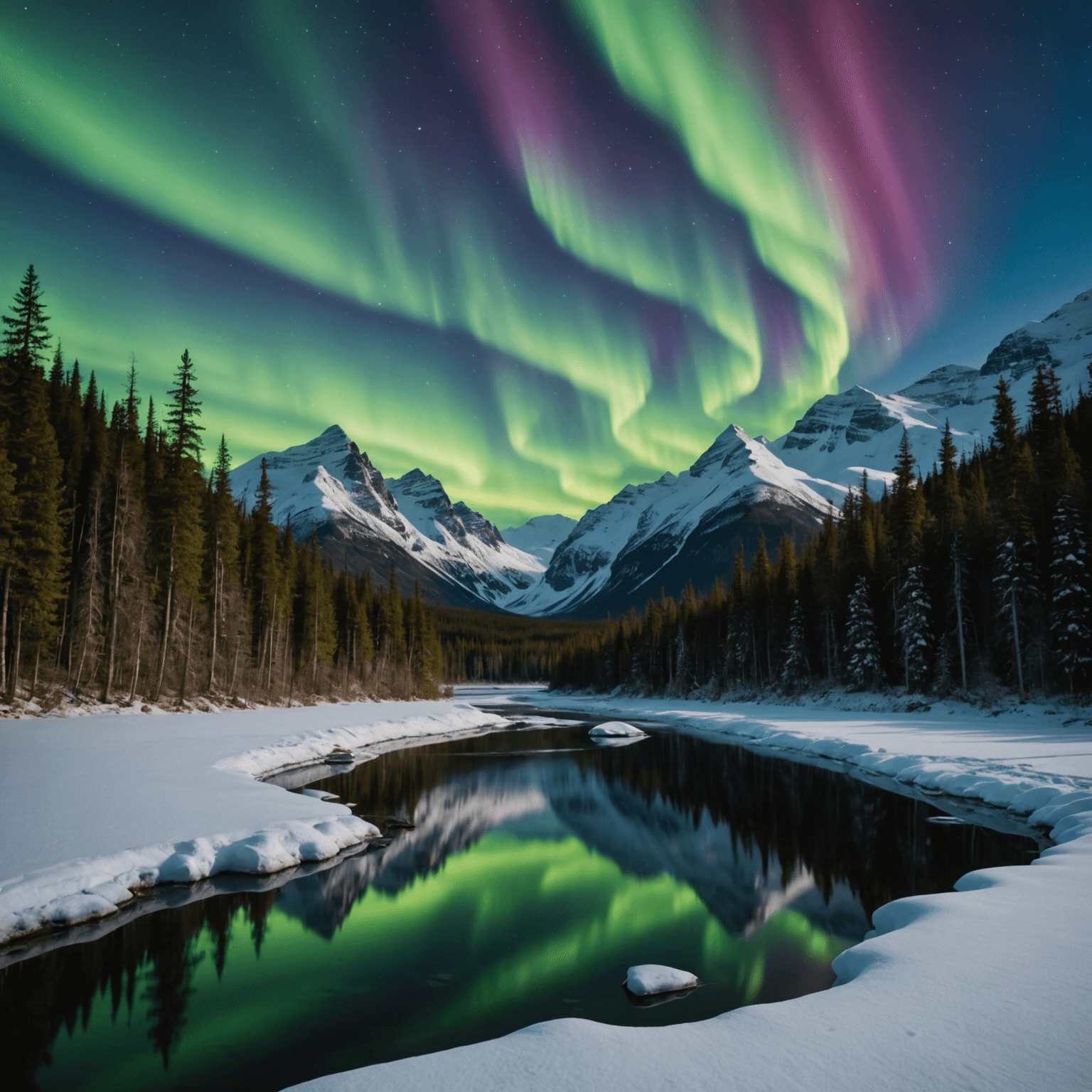
The Northern Lights, or Aurora Borealis, are a natural wonder that captivates travelers and photographers alike. Alaska is one of the best places in the world to witness this celestial display. However, if you’re planning a trip in June, you might be wondering, “Can you see Northern Lights in Alaska in June?” This blog post will explore the factors that make June a challenging month for spotting the Northern Lights in Alaska, and why the midnight sun takes center stage during this time.
[spronix_cta key=”northern-lights-adventures”]
The Science Behind the Northern Lights
The Northern Lights are the result of collisions between gaseous particles in the Earth’s atmosphere and charged particles released from the sun’s atmosphere. These interactions produce light displays that vary in color and intensity. The most common colors are pale green and pink, but shades of red, yellow, blue, and violet can also be seen.
Several factors influence the visibility of the Northern Lights, including solar activity, geographical location, and local weather conditions. To increase your chances of witnessing this ethereal phenomenon, dark and clear skies are essential.
The Midnight Sun Phenomenon in Alaska
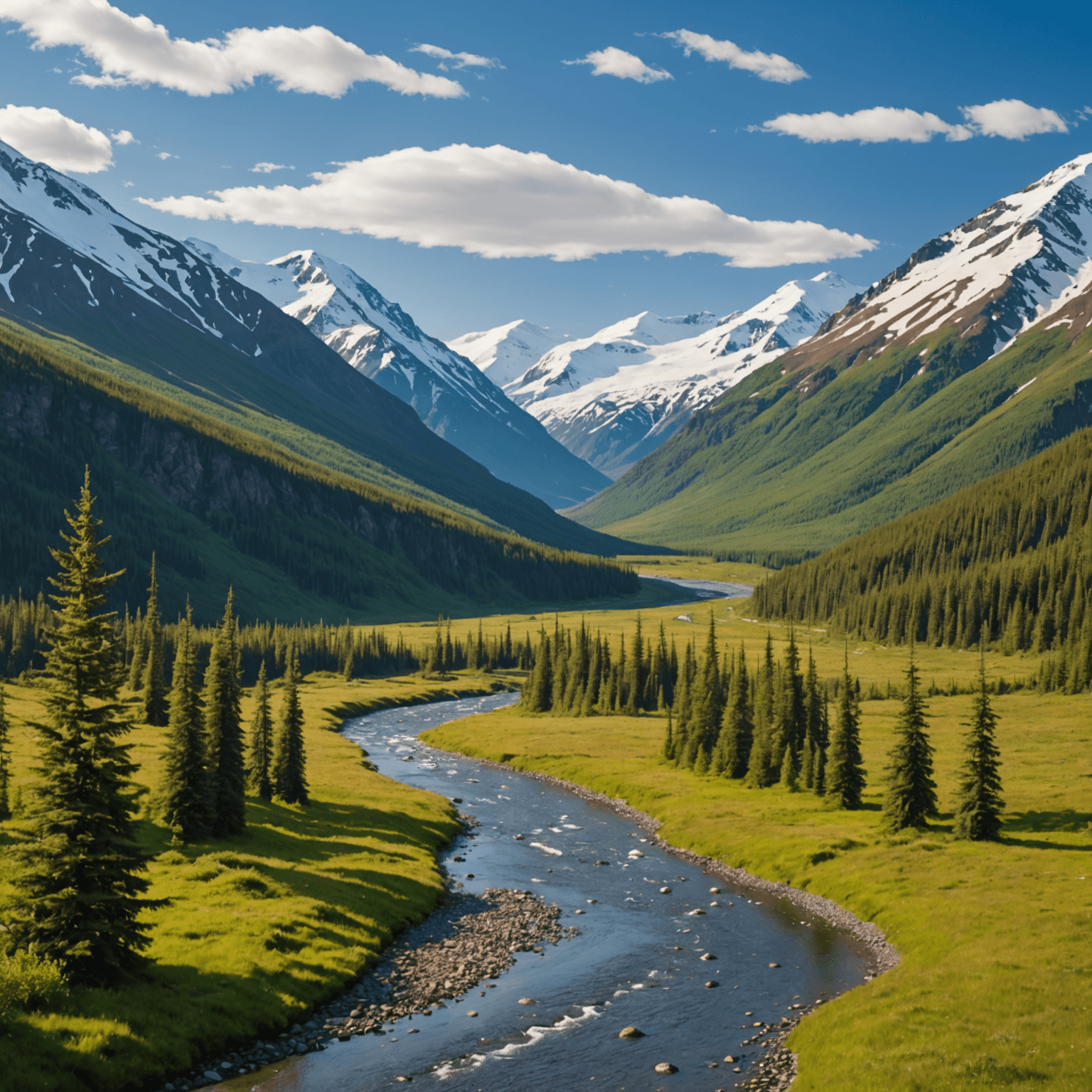
Alaska experiences a unique natural occurrence known as the midnight sun during the summer months. From late May to mid-July, the sun barely sets below the horizon in many parts of the state, creating nearly 24 hours of daylight. This phenomenon is most pronounced above the Arctic Circle, but its effects are felt throughout Alaska.
The extended daylight hours make it difficult to see the Northern Lights because the sky never gets dark enough for the auroras to be visible. The summer solstice, which occurs around June 21st, marks the peak of this period of continuous daylight.
Why June is Not Ideal for Northern Lights Viewing
Lack of Darkness
As mentioned, the primary reason you rarely see the Northern Lights in Alaska in June is the lack of darkness. The perpetual daylight of the midnight sun means that even if there is solar activity, the auroras are unlikely to be visible against a bright sky.
Alternative Activities During June
While the Northern Lights may not be on the itinerary, June offers a plethora of other outdoor activities in Alaska. From hiking and wildlife viewing to fishing and exploring the stunning landscapes, there are plenty of ways to enjoy the Alaskan wilderness.
For those interested in unique summer adventures, consider trying a midnight sun ATV sunrise dog sled adventure or exploring the Independence Mine E-Bike Tour. These tours offer a chance to experience Alaska’s natural beauty and rich history in the endless daylight.
When and Where to See the Northern Lights in Alaska
To increase your chances of seeing the Northern Lights, plan your trip during the fall, winter, or early spring months. The best time for aurora viewing is typically from late August to April. During these months, the nights are long and dark, providing ideal conditions for aurora sightings.
Popular locations for Northern Lights viewing in Alaska include Fairbanks, Nome, and the Brooks Range. These areas offer remote settings with minimal light pollution, enhancing the visibility of the auroras.
For those planning a winter adventure, consider joining a Northern Lights snowmobile tour or a dog sled ride to experience the magic of the auroras in a truly Alaskan way.
Conclusion
While June may not be the best time to see the Northern Lights in Alaska due to the midnight sun, the state offers a wealth of other attractions and experiences during this time. Embrace the extended daylight hours by exploring Alaska’s breathtaking landscapes and engaging in outdoor adventures. If witnessing the Northern Lights is a must for your Alaskan journey, plan your visit during the darker months when the auroras are more likely to dance across the night sky.
[spronix_cta key=”northern-lights-adventures”]
FAQ
Can you see Northern Lights in Alaska in June?
Due to the midnight sun phenomenon, it is highly unlikely to see the Northern Lights in Alaska in June. The extended daylight hours prevent the sky from getting dark enough for aurora viewing.
What is the midnight sun?
The midnight sun is a natural phenomenon that occurs during the summer months in regions above the Arctic Circle. During this time, the sun remains visible for nearly 24 hours a day, resulting in continuous daylight.
When is the best time to see the Northern Lights in Alaska?
The best time to see the Northern Lights in Alaska is from late August to April, when the nights are long and dark, providing optimal conditions for viewing.
What are some alternative activities to do in Alaska in June?
In June, visitors can enjoy a variety of activities such as hiking, wildlife viewing, and fishing. Unique adventures like the 2D1N Midnight Sun ATV & Sunrise Dog Sled Tour and e-bike tours are also available.
Where can I find the best spots for Northern Lights viewing in Alaska?
Some of the best locations for Northern Lights viewing in Alaska include Fairbanks, Nome, and the Brooks Range, where there is minimal light pollution.
How does solar activity affect the Northern Lights?
Solar activity, such as solar flares and coronal mass ejections, increases the number of charged particles in the Earth’s atmosphere, which can enhance the visibility and intensity of the Northern Lights.
Are there guided tours available for Northern Lights viewing?
Yes, there are guided tours available for Northern Lights viewing in Alaska. Options include snowmobile tours and dog sled rides, which offer a unique way to experience the auroras.
Can I see the Northern Lights from Anchorage?
While it’s possible to see the Northern Lights from Anchorage, the city’s light pollution may reduce visibility. For better chances, consider traveling to more remote areas with darker skies.