Why Aurora Winter Trips Are Best for the Lights
Aurora winter trips bring long dark nights in Alaska, perfect for vivid northern lights experiences. For those longing to witness the celestial ballet of the aurora borealis, there’s no better time or place than during the winter months in the northernmost parts of the world. In this article, we will explore why these winter trips are the ideal choice for experiencing this natural phenomenon, focusing on Alaska’s unique offerings.
The Magic of Aurora Winter
The Science Behind the Lights
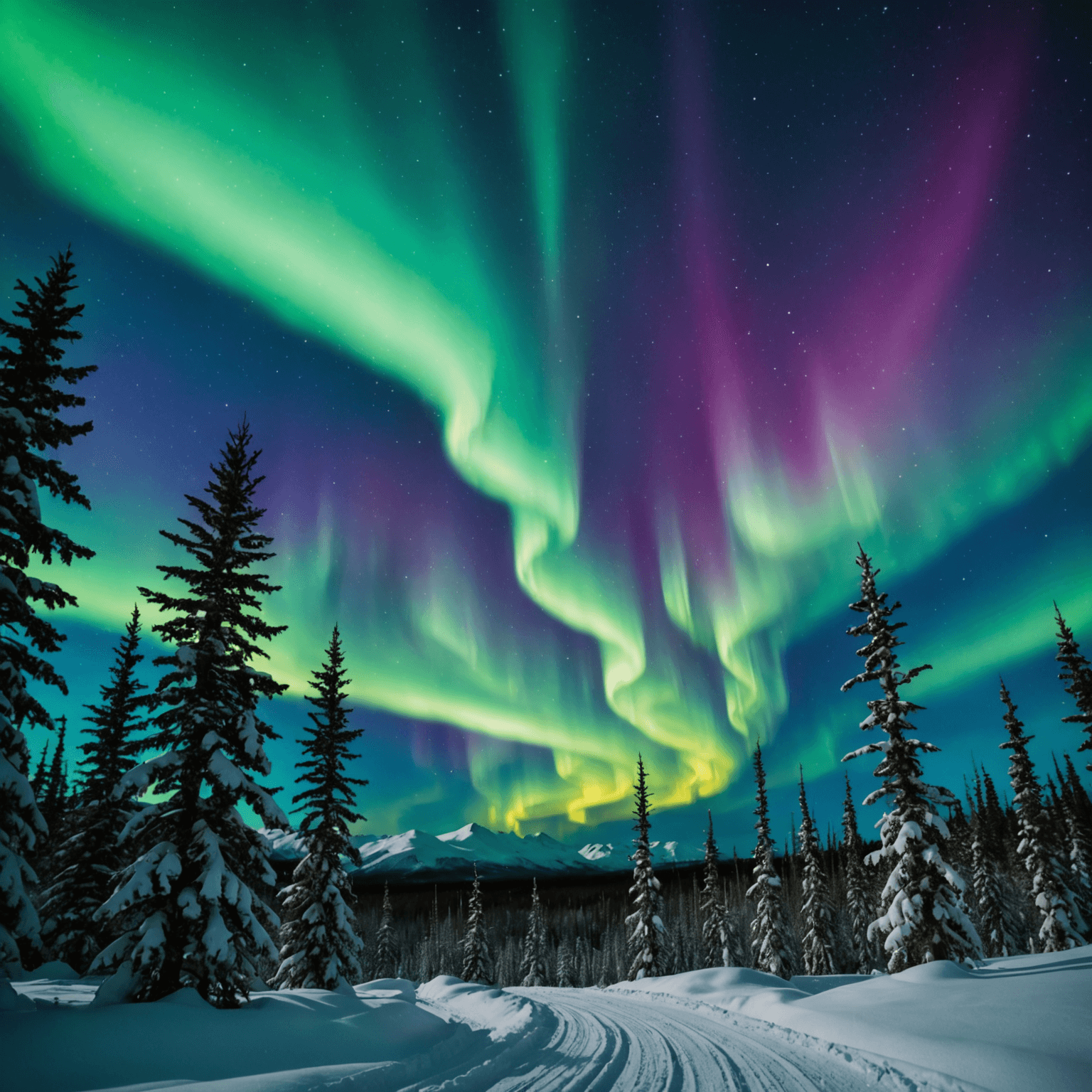
The aurora borealis, commonly known as the northern lights, is a natural light display predominantly seen in high-latitude regions. This spectacular phenomenon is the result of collisions between charged particles from the sun and molecules in Earth’s atmosphere. The variations in colour are due to the type of gas particles involved in the collision. The most common auroral colour, a pale yellowish-green, is produced by oxygen molecules located about 60 miles above the Earth. Learn more about the science behind the aurora borealis.
Why Winter is Ideal
Winter is the perfect season to witness the northern lights for several reasons. The long, dark nights provide ample opportunities for viewing, and the clear, crisp air often results in better visibility. Additionally, the low levels of light pollution in remote areas further enhance the visibility of the auroras. For those planning an aurora winter trip, Alaska offers unparalleled conditions to experience this wonder.
Alaska: A Premier Destination
Alaska is renowned for its breathtaking landscapes and pristine wilderness, making it a premier destination for aurora winter trips. The state’s vast, open spaces and minimal light pollution create the perfect environment for viewing the lights. Snowhook Adventures offers a range of winter adventure guides to help visitors make the most of their aurora experiences.
[spronix_cta key=”northern-lights-adventures”]
Planning Your Aurora Winter Trip
Choosing the Right Location
When planning an aurora winter trip, selecting the right location is crucial. Fairbanks, Alaska, is one of the best places globally to view the northern lights, thanks to its position under the “auroral oval,” where auroral activity is most frequent. For those looking for guided tours, Denali Tours provide an excellent opportunity to explore the area and its natural wonders.
Timing Your Visit
Timing is everything when it comes to witnessing the northern lights. The best months for viewing in Alaska are from late September to April, with the peak period being from December to March. During these months, the nights are longest, providing more opportunities to see the lights. For the adventurous, consider combining your trip with a dog sled adventure tour for a truly unforgettable experience.
Preparing for the Cold
Winter temperatures in Alaska can plummet well below zero, so proper preparation is essential. Dressing in layers, including thermal underwear, insulated outerwear, hats, gloves, and warm boots, is crucial. Additionally, some tours offer gear rentals to ensure you stay warm and comfortable during your adventure. Check out Snowhook Adventures’ winter guide for tips on staying warm.
Activities to Enhance Your Experience
Dog Sledding
Dog sledding is a quintessential Alaskan experience and a fantastic way to explore the snow-covered wilderness. Many aurora winter trips offer the chance to try this traditional mode of transportation. Snowhook Adventures offers dog sled adventure tours where you can learn about the history and culture of dog mushing while witnessing the northern lights.
Snowmobiling
Another thrilling activity to consider is snowmobiling. It provides a fast-paced way to traverse the winter landscape and reach prime aurora viewing spots. For a comprehensive adventure, consider the Alaska snowmobile tours that combine exploration with aurora viewing.
Helicopter Tours
For those seeking an aerial perspective, helicopter tours offer a unique way to see the aurora. These tours often include stops at remote locations, allowing for an unobstructed view of the sky. Check out the Hatcher Pass helicopter tour to experience Alaska from above.
Conclusion
Aurora winter trips offer an extraordinary opportunity to witness one of Earth’s most stunning natural phenomena. With Alaska’s optimal conditions, diverse activities, and expert guides, visitors can enjoy a memorable and rewarding experience. Whether you’re drawn to the vibrant colours of the aurora borealis or the thrill of winter sports, Alaska has something to offer for every adventurer.
[spronix_cta key=”northern-lights-adventures”]
FAQ
What is the best time to see the northern lights in Alaska?
The best time to see the northern lights in Alaska is from late September to April, with peak viewing from December to March.
How cold does it get during an aurora winter trip?
Temperatures can drop significantly during an aurora winter trip, often well below zero degrees Celsius. Dressing in layers and using insulated clothing is essential to stay warm.
Are guided tours recommended for first-time visitors?
Yes, guided tours are highly recommended for first-time visitors. They provide valuable local knowledge and increase your chances of witnessing the northern lights.
Can I combine other activities with my aurora trip?
Absolutely! Many tours offer combined experiences, such as dog sledding and snowmobiling, to enhance your adventure.
Is it possible to see the aurora borealis during the summer?
The aurora borealis is not typically visible during the summer months in Alaska due to the extended daylight hours.
What should I bring on an aurora winter trip?
Bring warm clothing, a camera with a tripod for capturing the lights, and any personal items you may need. Some tours provide gear, so check in advance.
How can I maximise my chances of seeing the northern lights?
To maximise your chances, monitor the aurora forecast, choose a location with low light pollution, and plan to stay for several nights.
Are there any safety concerns to be aware of?
While aurora trips are generally safe, it’s important to be prepared for cold weather and to follow the guidance of your tour operator.