Introduction
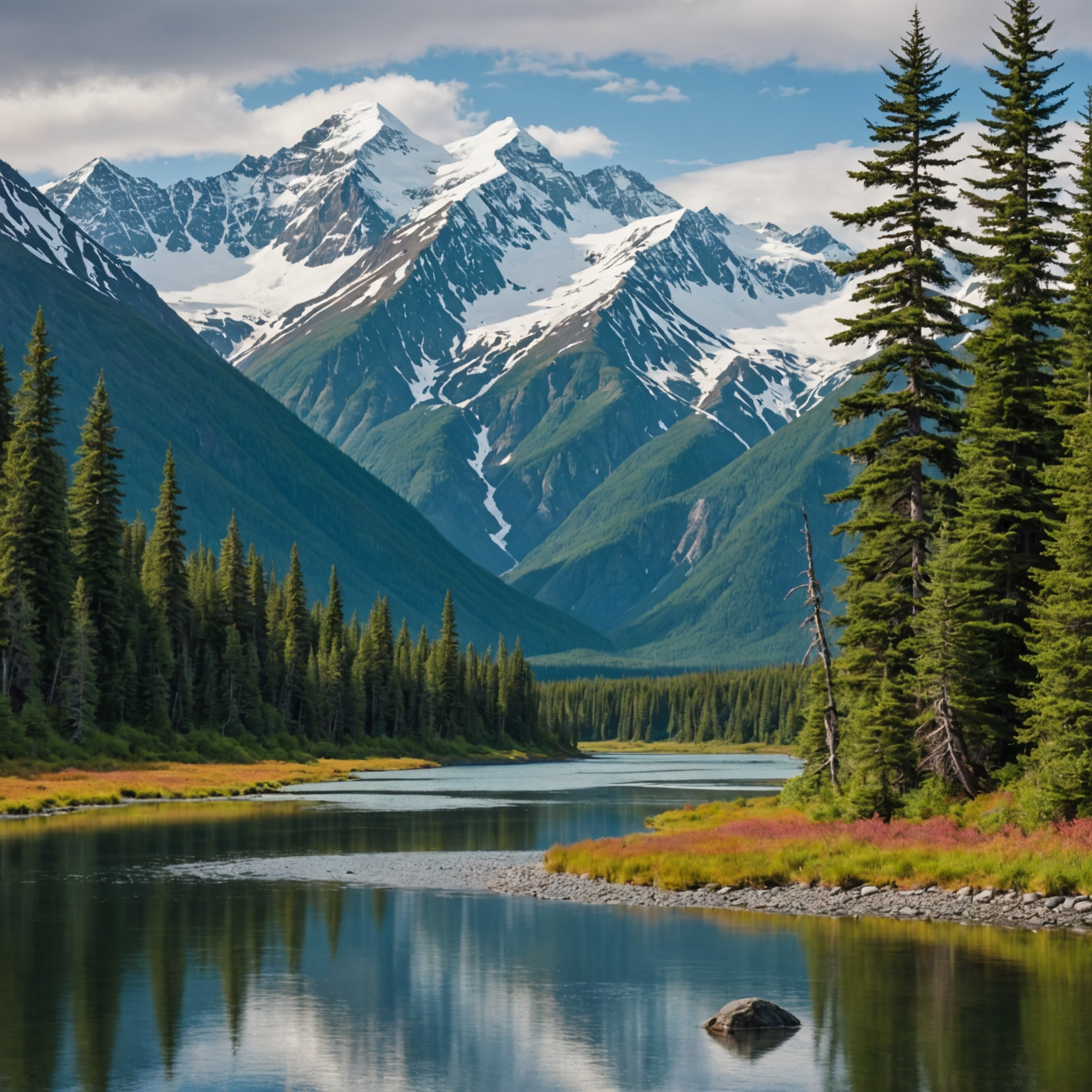
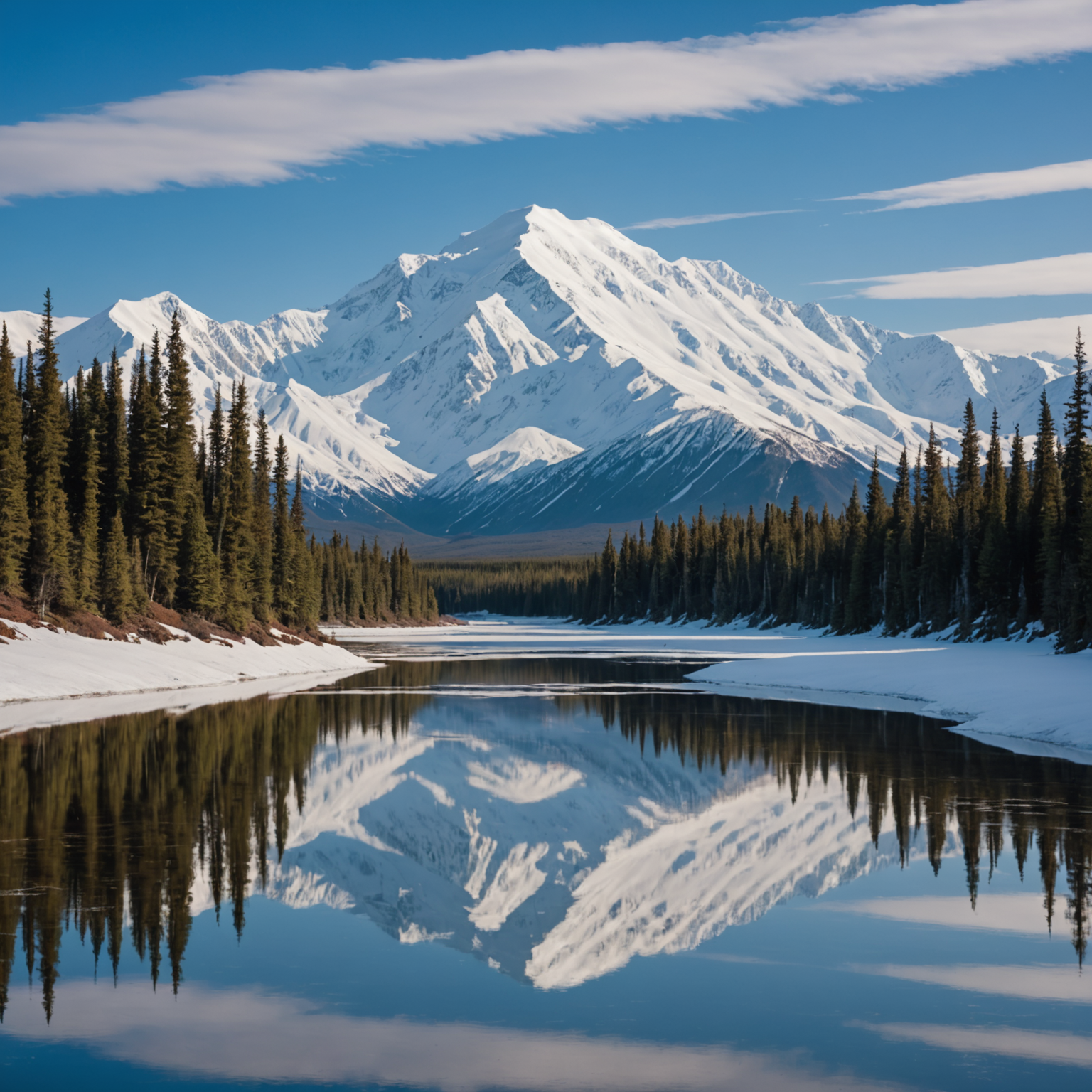
Denali, formerly known as Mount McKinley, is the highest peak in the United States, standing as a majestic symbol of natural beauty and timeless wonder in Alaska. Towering at 20,310 feet above sea level in the Alaska Range, Denali is not only a haven for mountaineers and adventurers but also an emblem of the wild, untamed essence of the American frontier. In this blog post, we delve into the rich history, geography, and cultural significance of Denali, while also providing practical insights for those planning to experience this iconic peak firsthand.
The Geography of Denali
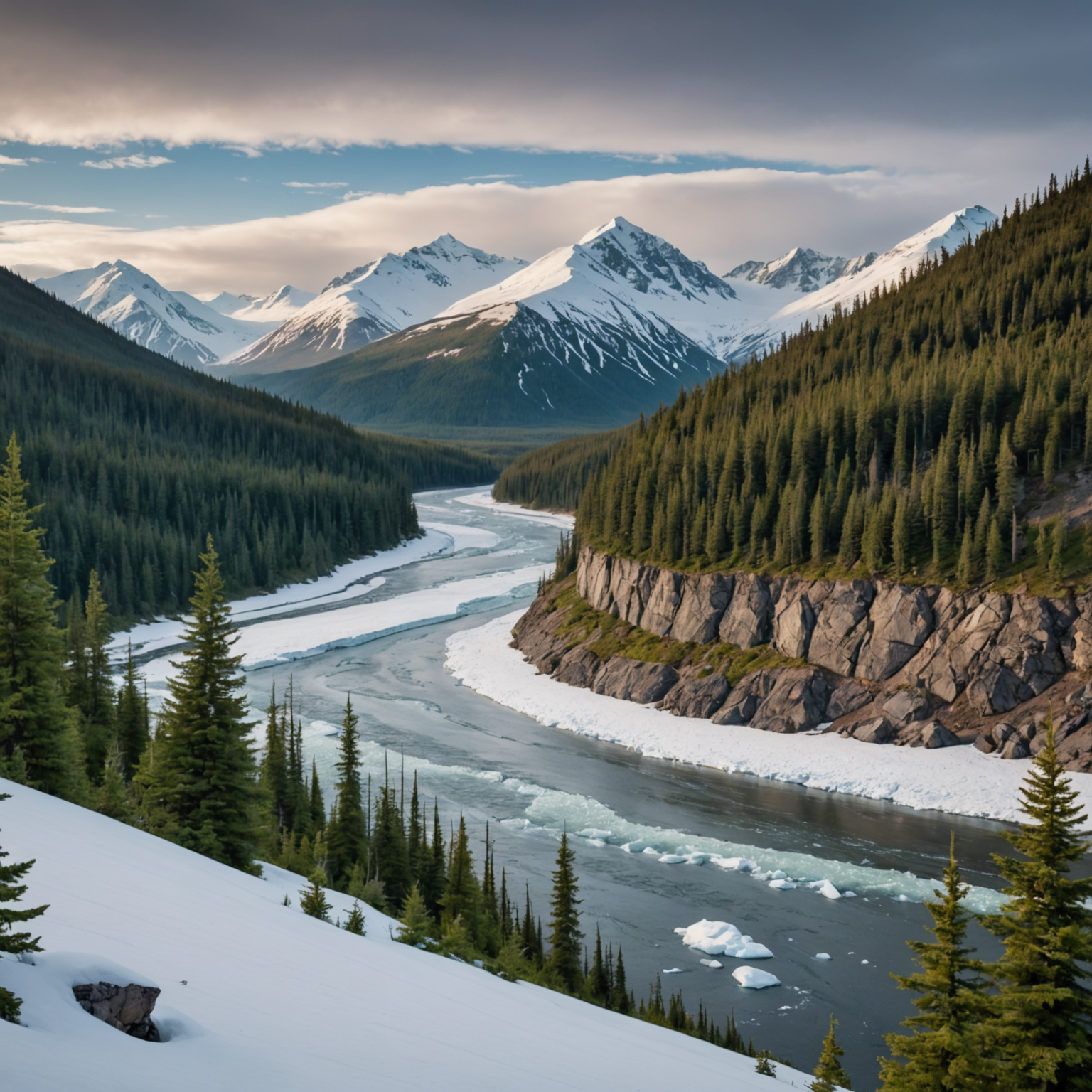
Denali is located in the heart of Denali National Park and Preserve, a sprawling 6 million acres of pristine wilderness. This region is characterized by its diverse ecosystems, ranging from lowland taiga forests to high alpine tundra, and is home to a variety of wildlife including grizzly bears, caribou, and wolves. The park is a testament to the incredible biodiversity and ecological importance of the area.
The peak itself is part of the Alaska Range, a 600-mile-long mountain range that arcs across south-central Alaska. Denali’s elevation and northern latitude make it one of the most prominent peaks in the world, with a vertical rise of about 18,000 feet from its base, offering a challenge even to the most experienced climbers. The weather conditions on Denali are notoriously harsh, with temperatures often plummeting to extreme lows, making it a formidable opponent for those who attempt to reach its summit.
The History and Cultural Significance
The name “Denali” means “The Great One” in the native Athabascan language, reflecting the mountain’s importance to the indigenous peoples of the region. Before it was officially named Mount McKinley by a gold prospector in 1896, the mountain was known as Denali by the native populations for centuries. In 2015, after years of advocacy, the mountain was officially recognized by its original name, Denali, in a move that honored the cultural heritage and identity of Alaska’s native communities.
Denali has long been a beacon for explorers and adventurers. The first recorded attempt to climb Denali was in 1903, and the first successful ascent of the south summit occurred in 1913 by Hudson Stuck, Harry Karstens, Walter Harper, and Robert Tatum. Since then, it has become a rite of passage for climbers around the world seeking to test their skills against one of the most challenging peaks on Earth.
Climbing Denali: What You Need to Know
Climbing Denali is not for the faint-hearted. The mountain’s extreme altitude, unpredictable weather, and technical climbing routes require thorough preparation and experience. The West Buttress is the most popular route, known for its relatively lower technical difficulty compared to other routes, yet it still demands a high level of fitness and climbing proficiency.
Prospective climbers must be aware of the risks and necessary preparations. It is crucial to understand the weather patterns and conditions, which include sub-zero temperatures and high winds. Permits are required for climbing, and climbers must register with the National Park Service, which manages Denali National Park. Additionally, climbers should consider hiring experienced guides, such as those from Snowhook Adventures, to ensure a safe and informed expedition.
Experiencing Denali Without Climbing
For those not interested in scaling its heights, Denali offers a plethora of other opportunities to enjoy its grandeur. The park provides a variety of day tours, wildlife viewing, and hiking trails that allow visitors to immerse themselves in the natural beauty of the area. Whether it’s a scenic drive along the Denali Park Road or a leisurely dog sledding tour through the wilderness, there are numerous ways to experience the park’s splendor.
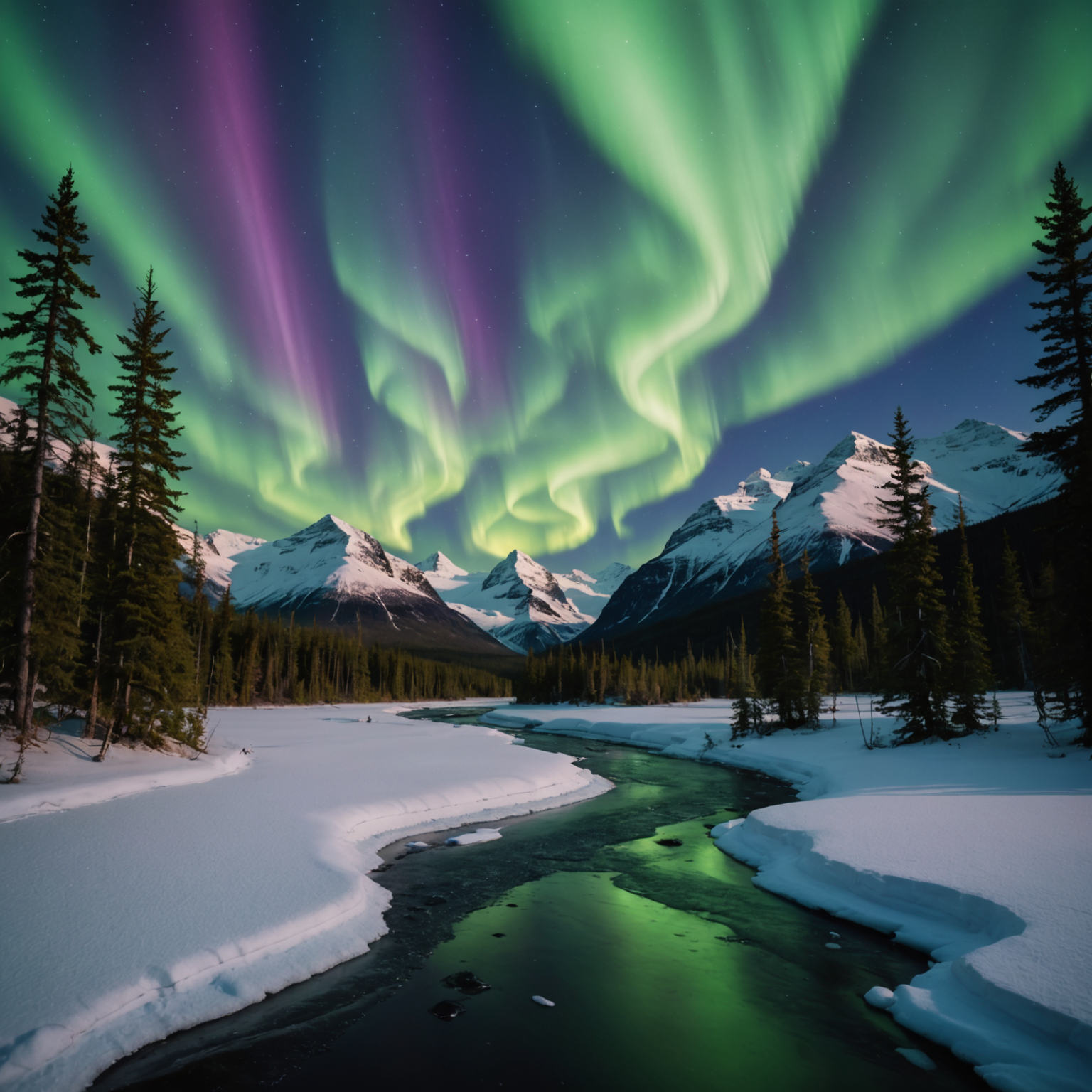
Moreover, Denali is a prime location for viewing the Northern Lights, especially during the winter months. Planning an Alaska aurora lights tour can provide an unforgettable experience as the vibrant colors dance across the night sky.
Conclusion
Denali stands as a monument to nature’s grandeur and the spirit of adventure. Its towering presence and the vast wilderness surrounding it continue to captivate and inspire generations. Whether you are an intrepid climber or a nature enthusiast, Denali offers an unparalleled opportunity to connect with the pristine beauty of the Alaskan wilderness. As you plan your visit, remember to respect the natural environment and the cultural heritage of this magnificent region.
FAQ
What is the best time of year to visit Denali?
The best time to visit Denali is during the summer months, from late May to early September, when the weather is milder, and the park is more accessible.
Do I need a permit to climb Denali?
Yes, climbers are required to obtain a permit from the National Park Service. It is recommended to apply well in advance due to the limited number of permits issued each year.
Can I see wildlife in Denali National Park?
Absolutely. Denali is home to a diverse array of wildlife, including bears, moose, caribou, and wolves. Wildlife viewing is a popular activity in the park.
Are there guided tours available in Denali National Park?
Yes, there are many guided tours available, ranging from hiking and wildlife tours to dog sledding and snowmobile experiences.
What precautions should I take when visiting Denali?
Visitors should be prepared for rapidly changing weather conditions and carry appropriate gear. It’s also important to follow park regulations and practice Leave No Trace principles.
How can I experience the Northern Lights in Denali?
The Northern Lights are best viewed in the dark, clear skies of winter. Consider booking a Northern Lights tour for the best chance to witness this spectacular phenomenon.
Is there accommodation available near Denali National Park?
Yes, there are various accommodations ranging from campgrounds to lodges near the park. Booking in advance is advisable, especially during peak tourist season.
What is the significance of Denali’s name change from Mount McKinley?
The name change in 2015 restored the mountain’s original native name, Denali, honoring the cultural heritage of Alaska’s indigenous peoples and recognizing the mountain’s significance in their history.