Introduction
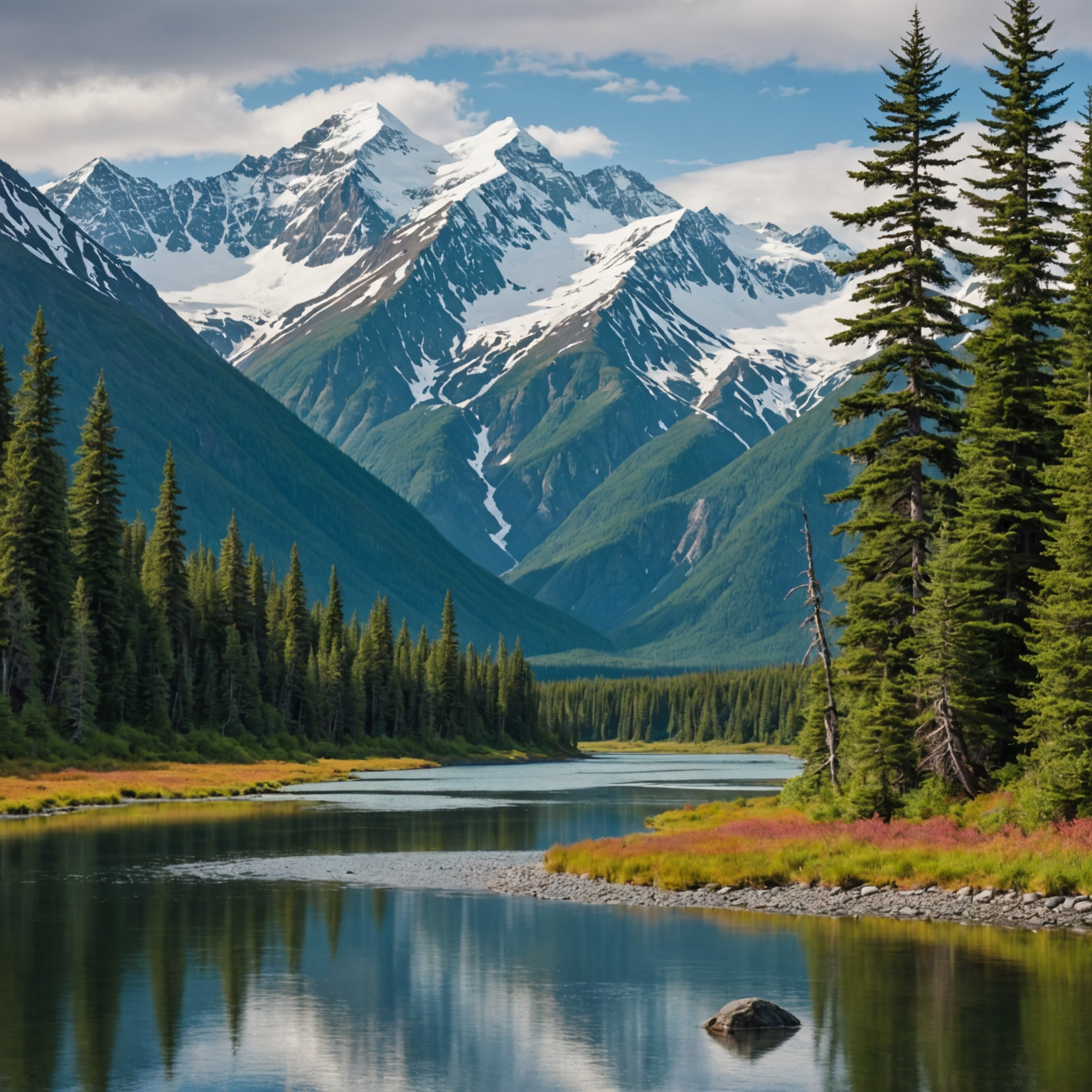
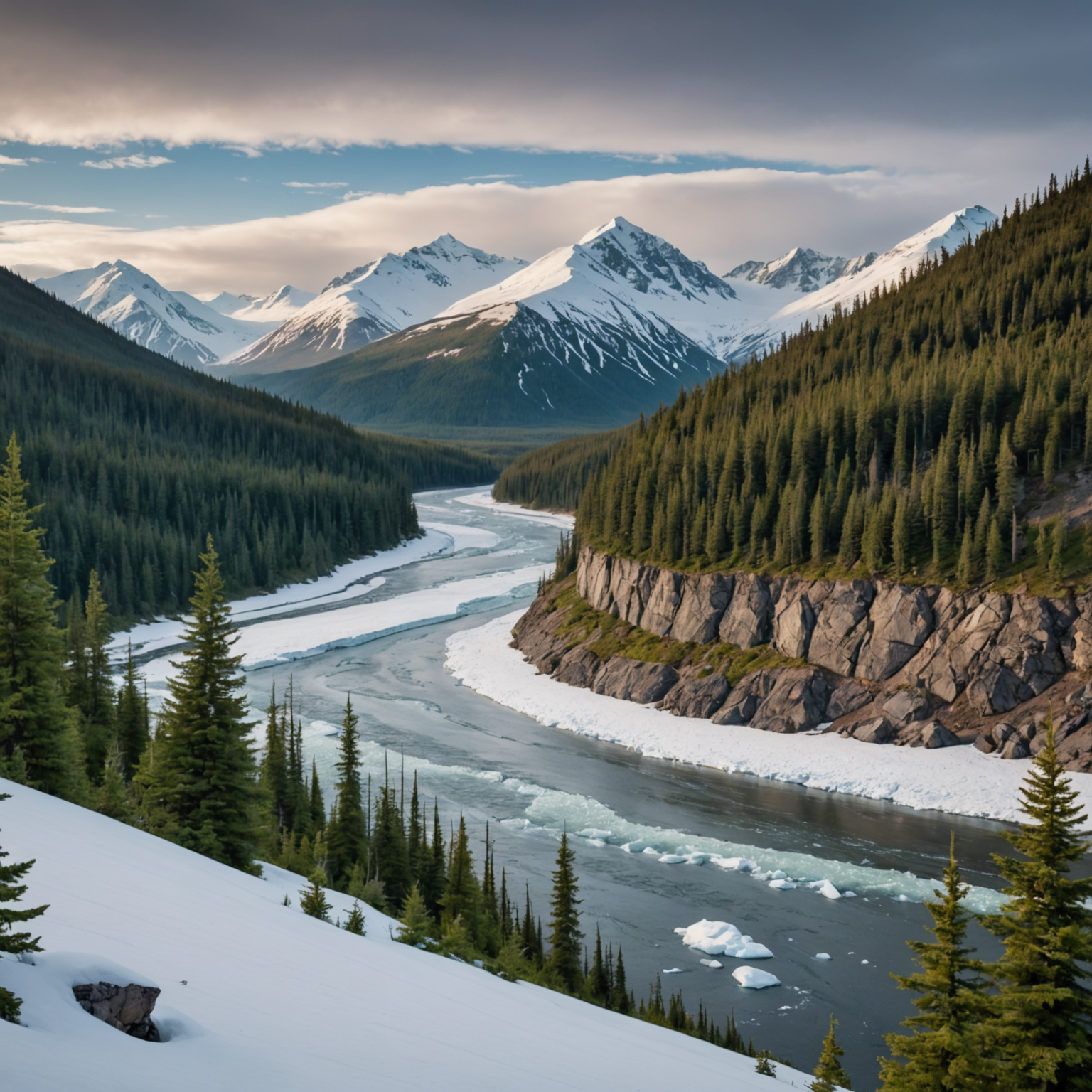
Alaska, known for its rugged wilderness and breathtaking landscapes, is home to some of the most awe-inspiring mountain ranges in the world. The pictures of mountains in Alaska are not just photographs; they are windows into a vast, untamed frontier filled with towering peaks, expansive glaciers, and endless adventure. Whether you’re a seasoned traveler or an armchair explorer, the images of Alaska’s mountains can transport you to a place where nature reigns supreme. This blog post will delve into the majestic mountain landscapes of Alaska, offering insights into their unique features and tips for capturing their beauty.
[spronix_cta key=”glacier-adventures”]
The Majestic Alaska Range
The Alaska Range is perhaps the most famous mountain range in the state, home to Denali, the highest peak in North America. At 20,310 feet, Denali is a towering presence that draws climbers and photographers from around the globe. The range stretches over 600 miles, offering a diverse array of landscapes from rugged peaks to sprawling glaciers.
One of the best ways to experience the Alaska Range is through a helicopter tour or a guided hike, which can be arranged through local adventure companies. These tours provide unique perspectives of the mountains and often include stops at scenic viewpoints that are perfect for photography.
The Chugach Mountains
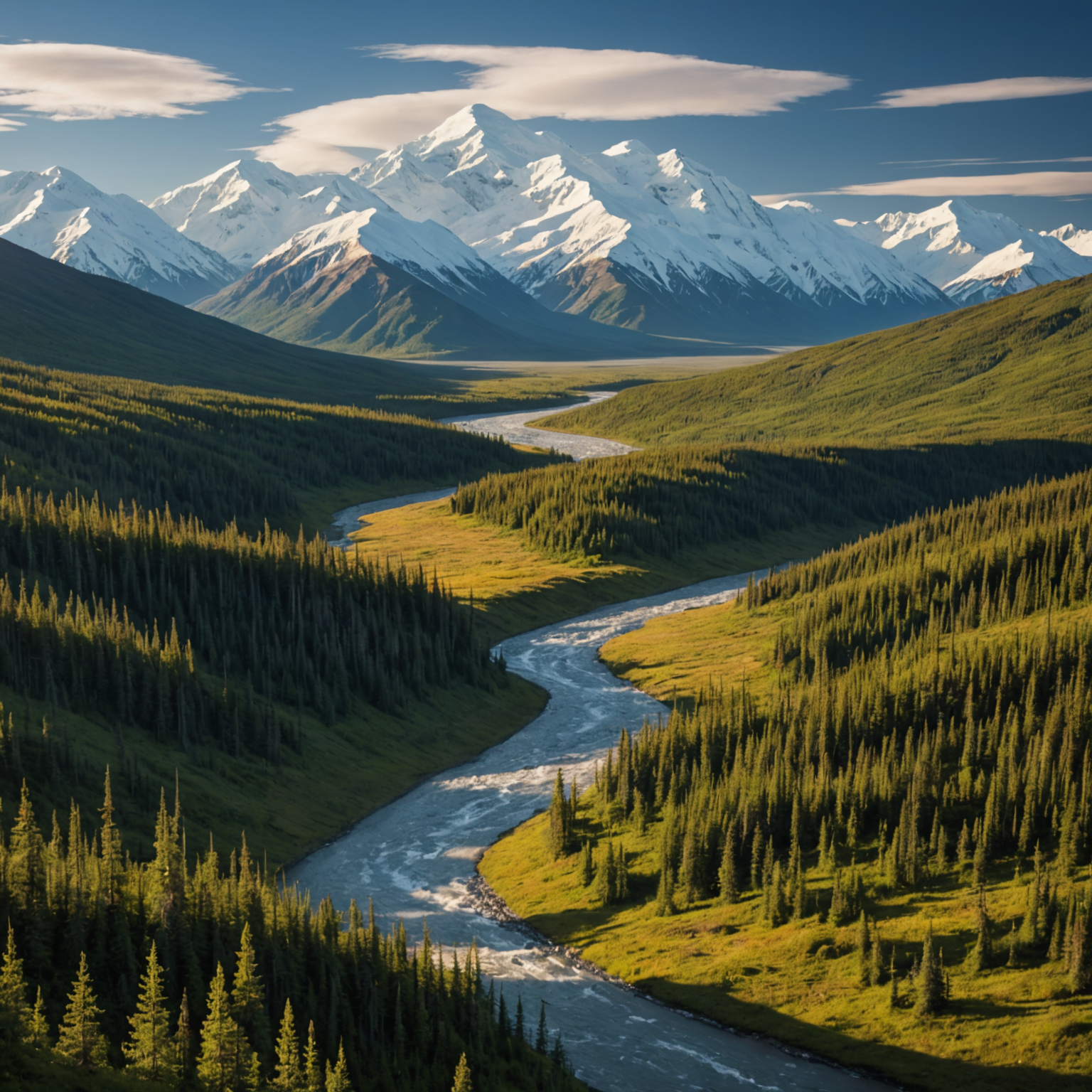
Located in Southcentral Alaska, the Chugach Mountains are a stunning backdrop to the city of Anchorage. These mountains are known for their dramatic peaks and extensive ice fields, including the mighty Columbia Glacier. The Chugach are easily accessible, making them a popular destination for outdoor enthusiasts.
For those interested in exploring the Chugach, dog sledding tours near Anchorage offer a unique way to experience the winter landscape. These tours provide an opportunity to capture the snow-covered mountains in all their glory while experiencing a quintessential Alaskan adventure.
The Wrangell Mountains
The Wrangell Mountains, part of the Wrangell-St. Elias National Park, are among the most remote and least explored in Alaska. Known for their volcanic origins, these mountains are home to some of the largest glaciers in North America. A visit to the Wrangell Mountains offers an unparalleled opportunity to witness nature’s raw power and beauty.
Visiting this national park requires thorough planning, and it’s essential to check current conditions and safety guidelines. Whether you’re planning a hiking expedition or a glacier tour, the Wrangells promise unforgettable vistas and photographic opportunities.
The Kenai Mountains
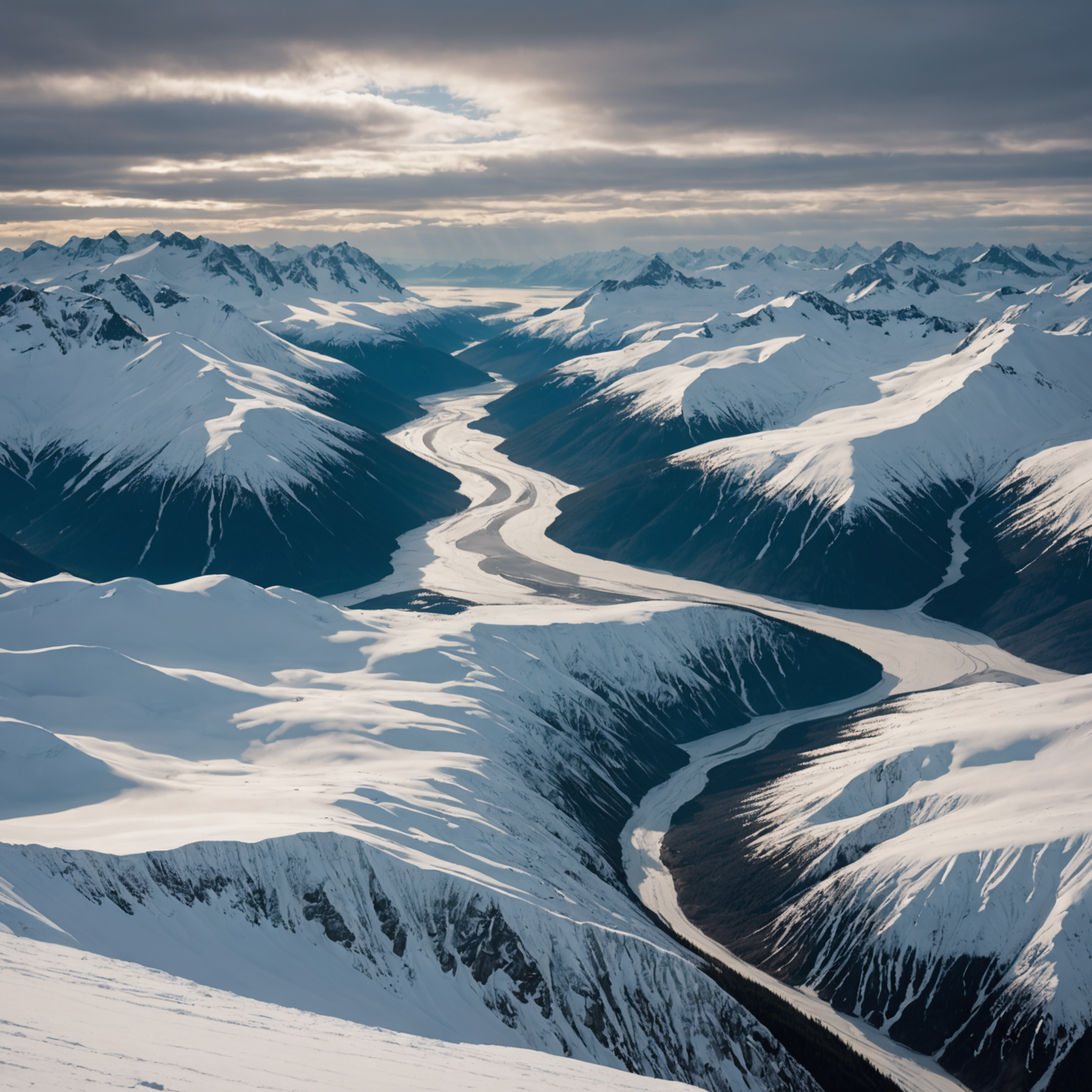
The Kenai Mountains, located on the Kenai Peninsula, are a haven for wildlife and outdoor activities. These mountains offer a more accessible adventure for those who may not have the time to venture deep into Alaska’s interior. The Kenai Fjords National Park, with its stunning fjords and abundant marine life, is a highlight of this region.
Exploring the Kenai can be enhanced by taking a glacier tour that allows you to get up close with the area’s ice formations. These tours often include opportunities to photograph the dramatic interplay of light and shadow on the ice, creating stunning visual effects.
Conclusion
The mountains of Alaska are more than just geological formations; they are a testament to the state’s wild beauty and spirit of adventure. From the towering heights of Denali to the serene fjords of the Kenai, each range offers its own unique allure and photographic splendor. Whether you’re planning a trip to capture these landscapes firsthand or simply admiring them from afar, the pictures of mountains in Alaska will inspire and captivate.
[spronix_cta key=”glacier-adventures”]
FAQ
1. What are some of the best times of year to photograph Alaska’s mountains?
The best times to photograph Alaska’s mountains are during the summer months when the weather is more stable and the days are longer. However, winter offers unique opportunities to capture snow-covered peaks and the aurora borealis.
2. What equipment should I bring for photographing mountains in Alaska?
A DSLR or mirrorless camera with a wide-angle lens is ideal for capturing expansive mountain landscapes. A tripod is also recommended for stability, especially in low-light conditions.
3. Are there guided tours available for exploring Alaska’s mountain ranges?
Yes, there are numerous guided tours available, including helicopter tours, hiking excursions, and dog sledding adventures. Companies like Snowhook Adventures offer a variety of options.
4. How can I prepare for the weather when visiting Alaska’s mountains?
It’s crucial to check the local weather forecasts and dress in layers to accommodate changing conditions. Waterproof and windproof clothing is essential.
5. Are there any safety concerns when exploring Alaska’s mountains?
Yes, visitors should be aware of wildlife, weather changes, and terrain challenges. Checking safety guidelines from sources like Ready Alaska can help ensure a safe trip.
6. Can I see the Northern Lights while exploring Alaska’s mountains?
Yes, the Northern Lights can often be seen from Alaska’s mountains, particularly in the winter months. For tips on capturing this phenomenon, check out our aurora borealis photography guide.
7. What are some lesser-known mountain ranges to explore in Alaska?
In addition to the more famous ranges, the Talkeetna and Kuskokwim Mountains offer stunning landscapes that are less frequented by tourists.
8. How do I access remote mountain regions in Alaska?
Accessing remote areas often requires a combination of air travel and guided excursions. It’s best to plan ahead and consult with local tour providers for logistical support.