Introduction
The De Havilland DHC-2 Beaver is a storied aircraft renowned for its versatility and robust design. Since its introduction in the late 1940s, the Beaver has become an iconic plane, especially in rugged terrains like Alaska. Its ability to operate on wheels, floats, and skis makes it indispensable for remote access, supporting everything from cargo transport to scenic flights. This blog post delves into the history, features, and lasting legacy of the De Havilland DHC-2, focusing on its crucial role in Alaska’s aviation history.
[spronix_cta key=”helicopter-adventures”]
Origins and Development of the De Havilland DHC-2
The De Havilland DHC-2 Beaver was developed in 1947 by the Canadian company De Havilland Aircraft of Canada. Originally designed to serve the needs of bush pilots, the Beaver quickly established itself as a workhorse capable of navigating the challenging environments typical of the Canadian wilderness and Alaska. Its sturdy design, combined with a high-wing configuration, allowed for exceptional short takeoff and landing capabilities, crucial for remote airstrips.
The Beaver’s Pratt & Whitney R-985 Wasp Junior radial engine provided the necessary power and reliability, enabling it to carry significant payloads over long distances. These features made the DHC-2 an essential asset for industries such as forestry, mining, and fishing.
The DHC-2 Beaver in Alaska
Alaska, with its vast wilderness and limited infrastructure, has always relied on aviation for transportation and logistics. The De Havilland DHC-2 Beaver became a staple of Alaskan aviation due to its adaptability and performance. Whether outfitted with floats, skis, or wheels, the Beaver could land on rivers, snowfields, or gravel strips, making it perfect for the diverse Alaskan landscape.
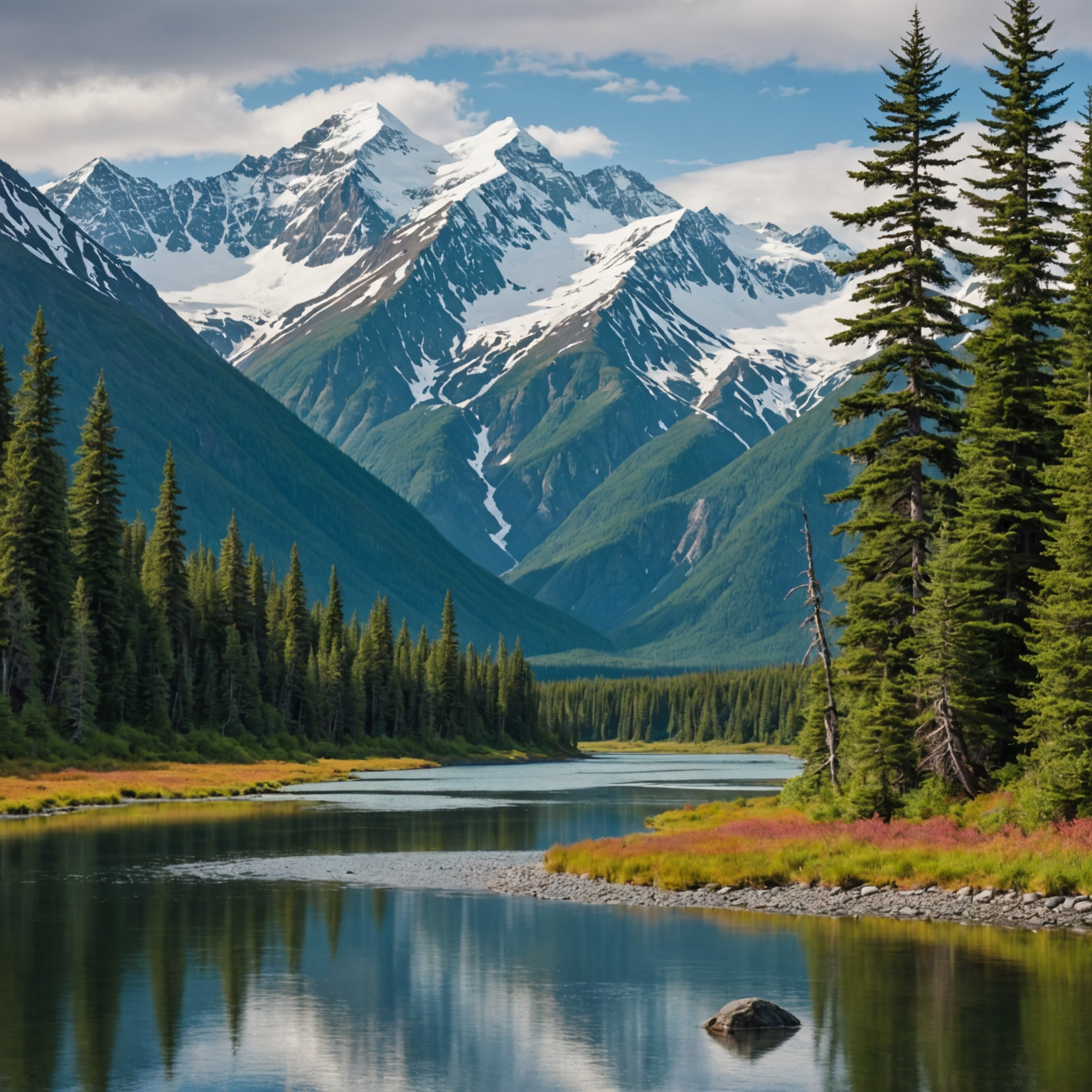
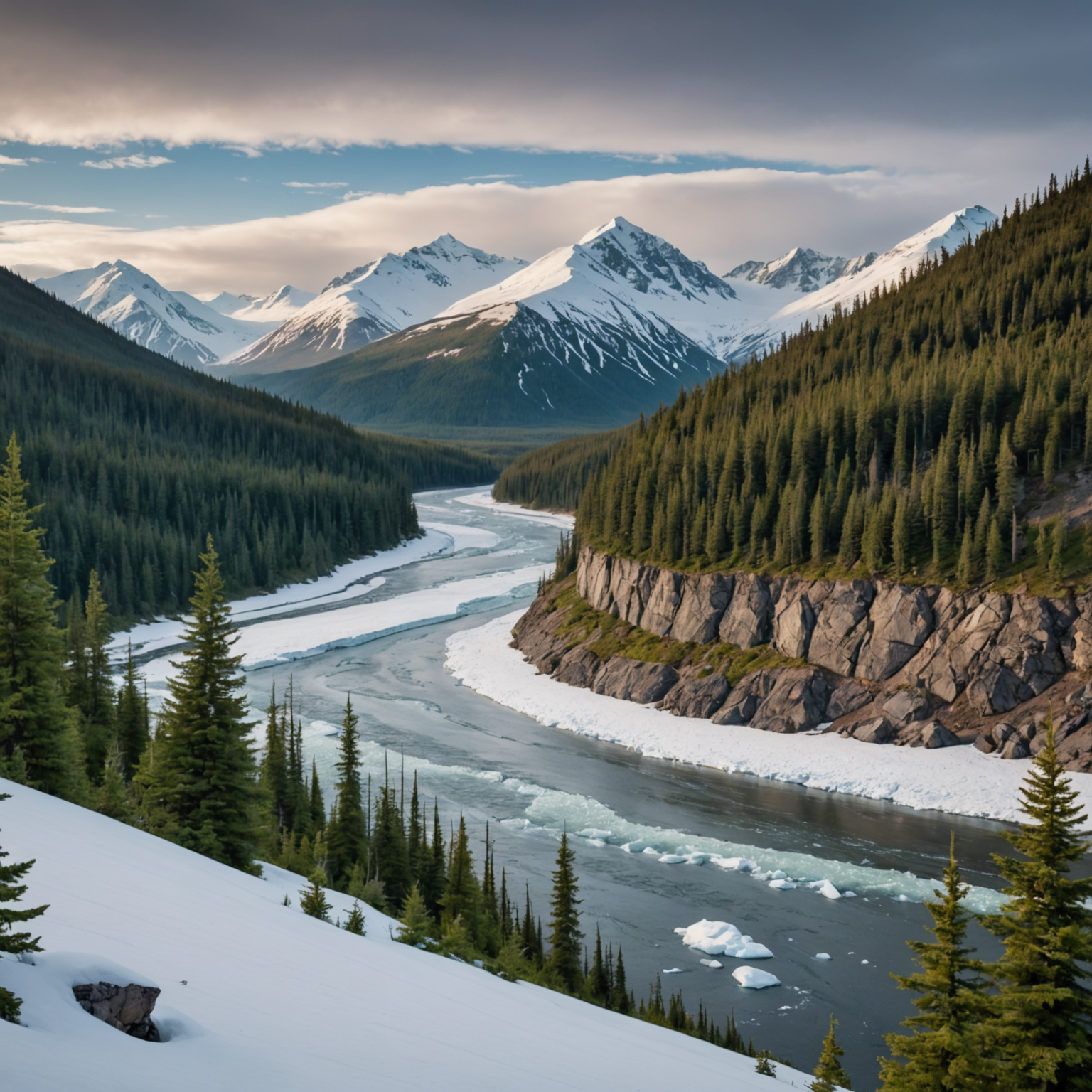
Alaska’s tourism industry also benefits from the Beaver. Scenic flight tours offer unparalleled views of the state’s majestic glaciers and wildlife.

Visitors to Alaska can enjoy small group tours that include flightseeing, giving them a unique perspective of the vast wilderness.
Technical Specifications and Features
The De Havilland DHC-2 Beaver is known for its rugged construction and versatility. Its key specifications include:
- Engine: Pratt & Whitney R-985 Wasp Junior
- Maximum Speed: Approximately 158 mph (254 km/h)
- Range: Up to 455 miles (732 km)
- Service Ceiling: 18,000 feet (5,486 meters)
- Capacity: 1 pilot and up to 7 passengers or equivalent cargo
Its ability to be configured with different landing gear types is one of its most valued features. This adaptability allows the DHC-2 to traverse various terrains, a necessity for the challenging Alaskan environment.
The Legacy of the DHC-2 Beaver
Despite newer aircraft entering the market, the DHC-2 Beaver remains a beloved aircraft, particularly in Alaska. Its durability and ease of maintenance have ensured its continued operation well into the 21st century. Many of the original Beavers are still flying today, a testament to the aircraft’s enduring design.
Moreover, the DHC-2’s contribution to the expansion and development of remote areas cannot be overstated. It has played a vital role in connecting isolated communities, providing them with essential goods and services.

For those interested in experiencing the thrill of flying in a De Havilland DHC-2, several Alaskan tour operators offer flightseeing adventures. These tours provide an opportunity to appreciate the Beaver’s capabilities while enjoying the stunning Alaskan scenery. For example, this guide to planning day trips out of Anchorage could include a flightseeing excursion as part of a broader adventure itinerary.
Conclusion
The De Havilland DHC-2 Beaver is more than just an aircraft; it is a symbol of ingenuity and resilience. Its design and functionality have made it a vital part of Alaska’s aviation history, and its legacy continues to influence modern aircraft design. The Beaver’s ability to adapt to challenging environments ensures that it will remain a fixture in the skies for years to come.
Whether you’re an aviation enthusiast or a traveler seeking adventure, the DHC-2 Beaver offers a unique glimpse into the past and present of aviation in Alaska. For those planning a trip, exploring Denali tours or other Alaskan excursions could include a chance to fly in this iconic plane.
[spronix_cta key=”helicopter-adventures”]
FAQ
What makes the De Havilland DHC-2 Beaver suitable for Alaskan conditions?
The Beaver’s versatility, including its ability to operate on wheels, skis, and floats, makes it ideal for Alaska’s diverse terrain and weather.
How many De Havilland DHC-2 Beavers are still in operation today?
Many original Beavers are still flying, particularly in remote regions like Alaska, due to their rugged design and reliability.
Can I experience a flight in a De Havilland DHC-2 Beaver?
Yes, several tour operators in Alaska offer flightseeing tours in Beavers, providing a unique opportunity to explore the wilderness from the air.
What industries commonly use the DHC-2 Beaver?
The Beaver is popular in industries like forestry, mining, and tourism, where remote access is essential.
Why is the DHC-2 Beaver called a “bush plane”?
Its ability to operate in rough, remote environments without infrastructure makes it ideal for bush flying.
What are some popular Alaskan destinations accessible by DHC-2 Beaver?
Popular destinations include Denali National Park and various remote fishing lodges and wilderness areas.
How does the DHC-2 compare to modern aircraft?
While newer aircraft might offer advanced technology, the Beaver’s robust design and versatility remain unmatched in certain environments.
What other activities can be paired with a Beaver flight in Alaska?
Combining a Beaver flight with activities such as dog sledding or snowmobiling can enhance your Alaskan adventure.