Introduction
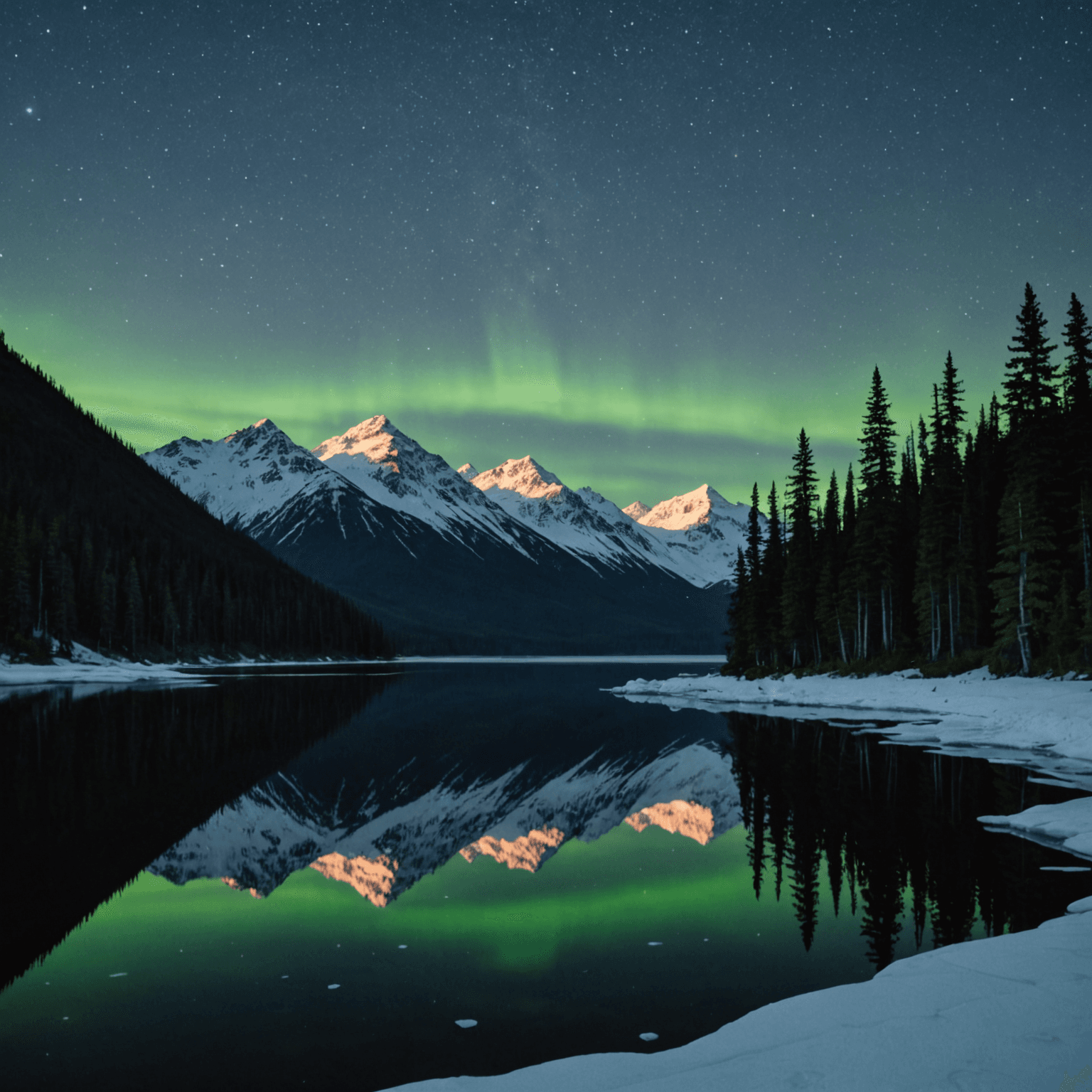
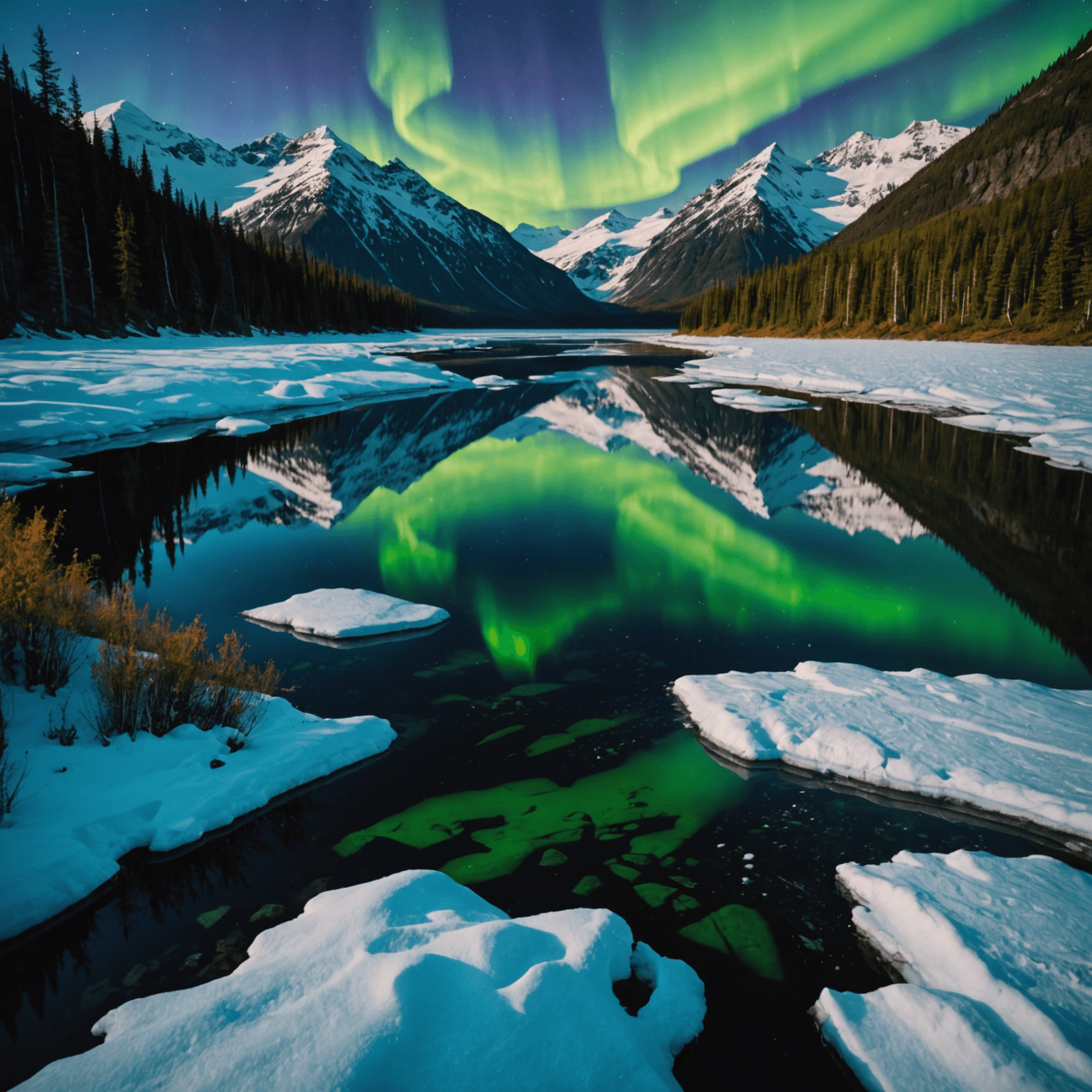
The aurora borealis, or northern lights, is a mesmerizing natural phenomenon that has captivated humans for centuries. Its vibrant colors and ethereal movements across the night sky make it a bucket-list experience for many travelers. However, one question often arises: Can you see the aurora borealis in the summer? While the northern lights are predominantly a winter attraction, understanding the science behind them and the best times and places to witness this spectacle is essential for any aurora chaser.
[spronix_cta key=”northern-lights-adventures”]
Aurora Borealis: A Dance of Particles
To understand why the aurora borealis is less visible in summer, it’s important to grasp the basic science behind it. The northern lights occur when charged particles from the sun collide with gases in Earth’s atmosphere, resulting in dazzling displays of light. These interactions are most commonly seen in polar regions, particularly in places like Alaska, Norway, and Canada. For those interested in experiencing the aurora borealis along with a unique Alaskan adventure, consider pairing it with a dog sled ride for an unforgettable experience.
The Role of Earth’s Tilt
One of the main reasons the aurora borealis is harder to see in summer is due to Earth’s axial tilt. During the summer months, regions near the poles experience extended daylight hours, known as the Midnight Sun, which significantly limits the darkness needed to view the aurora. In Alaska, for example, the Midnight Sun phenomenon can last for weeks, making it nearly impossible to see the northern lights during this period.
Optimal Viewing Conditions
For the best aurora borealis viewing, clear, dark skies are essential. This is why winter months, with longer nights and crisp air, are ideal. However, if you find yourself in Alaska during the summer and hope to catch a glimpse of the aurora, your best bet is to travel to regions that offer darker skies. Visiting national parks like Denali, where clear skies and fewer light pollution enhance visibility, can increase your chances.
Alternatives to Summer Aurora Viewing
While summer may not be the best time for aurora borealis sightings, there are countless other activities and attractions to explore in Alaska. Consider embarking on a Hatcher Pass Helicopter Tour to witness breathtaking landscapes from above, or explore the vibrant wildlife and scenic beauty of Alaska’s national parks.
Planning Your Winter Aurora Adventure
If seeing the aurora borealis is at the top of your travel list, planning a winter visit is your best option. Winter offers the longest nights, providing ample opportunities to witness the northern lights. When scheduling your trip, consider booking a Glacier Northern Lights Adventure, which combines the allure of glaciers with the magic of aurora viewing.
Conclusion
In conclusion, while the aurora borealis is a natural wonder that eludes many summer travelers, understanding the reasons behind its seasonal appearances can help you plan your perfect trip. While summer months offer limited opportunities to see the northern lights, winter provides the ideal conditions for this celestial spectacle. Regardless of the season, Alaska’s rugged beauty and diverse adventures make it a destination worth exploring year-round.
[spronix_cta key=”northern-lights-adventures”]
FAQ
1. Can you see the aurora borealis in the summer in Alaska?
While technically possible, the extended daylight of Alaskan summers makes it very difficult to see the aurora borealis.
2. What months are best for viewing the aurora borealis?
The best months to view the aurora borealis are typically from late September to early April when nights are longest and darkest.
3. What causes the aurora borealis?
The aurora borealis is caused by collisions between charged solar particles and gases in Earth’s atmosphere, resulting in stunning light displays.
4. Where in Alaska can I see the aurora borealis in winter?
Popular spots include Fairbanks, Anchorage, and Denali National Park, known for their dark skies and frequent aurora activity.
5. Are there tours available that combine aurora viewing with other activities?
Yes, many tours, like the Dog Sledding & Ice Fishing Combo, offer a combination of adventure activities with aurora viewing.
6. What is the Midnight Sun, and how does it affect aurora viewing?
The Midnight Sun occurs when the sun remains visible at midnight during summer months, limiting darkness needed for aurora viewing.
7. Is special equipment needed to photograph the aurora borealis?
While not necessary, a camera with manual settings and a tripod can enhance your ability to capture the aurora effectively.
8. How can I check aurora borealis forecasts?
Websites like Space Weather Prediction Center provide real-time aurora forecasts and viewing conditions.