Introduction
Exploring the vast wilderness of Alaska can lead to encounters with some of the most majestic and intriguing wildlife on the planet, including black bears, brown bears, and grizzly bears. While these three bear types may seem similar at first glance, they each possess distinct characteristics and behaviors. Understanding these differences is crucial for anyone interested in Alaska’s natural world, whether you’re planning a trip to the Last Frontier or simply want to expand your knowledge.
The Black Bear
Physical Characteristics
Black bears, scientifically known as Ursus americanus, are the smallest of the three bear species found in Alaska. Despite their name, their fur color can range from black to brown, and even blonde. Black bears have a straight facial profile and larger ears compared to other bears. Their claws are shorter, which aids in climbing trees, an activity they excel at.
Habitat and Behavior
Black bears are highly adaptable and can be found in a variety of habitats, from dense forests to alpine meadows. They’re primarily solitary animals, except during mating season or when mothers are raising cubs. Black bears are omnivorous, with a diet that includes berries, nuts, fish, and small mammals. Their adaptable nature makes them common in areas close to human settlements. For those interested in viewing wildlife safely, Travel Alaska provides guidelines on bear safety and viewing opportunities.
The Brown Bear
Physical Characteristics
Brown bears, or Ursus arctos, are typically larger than black bears, with a more prominent shoulder hump due to their muscle structure, which assists in digging. Their fur ranges in color from light brown to almost black. Brown bears have a concave facial profile and smaller ears compared to black bears.
Habitat and Behavior
Brown bears are most commonly found along Alaska’s coastal regions, where they take advantage of the rich food sources like salmon during spawning seasons. While they share many habitats with black bears, brown bears’ diets and behaviors are influenced heavily by their coastal environments. These bears are generally more aggressive than black bears, particularly when it comes to defending their territory or young.
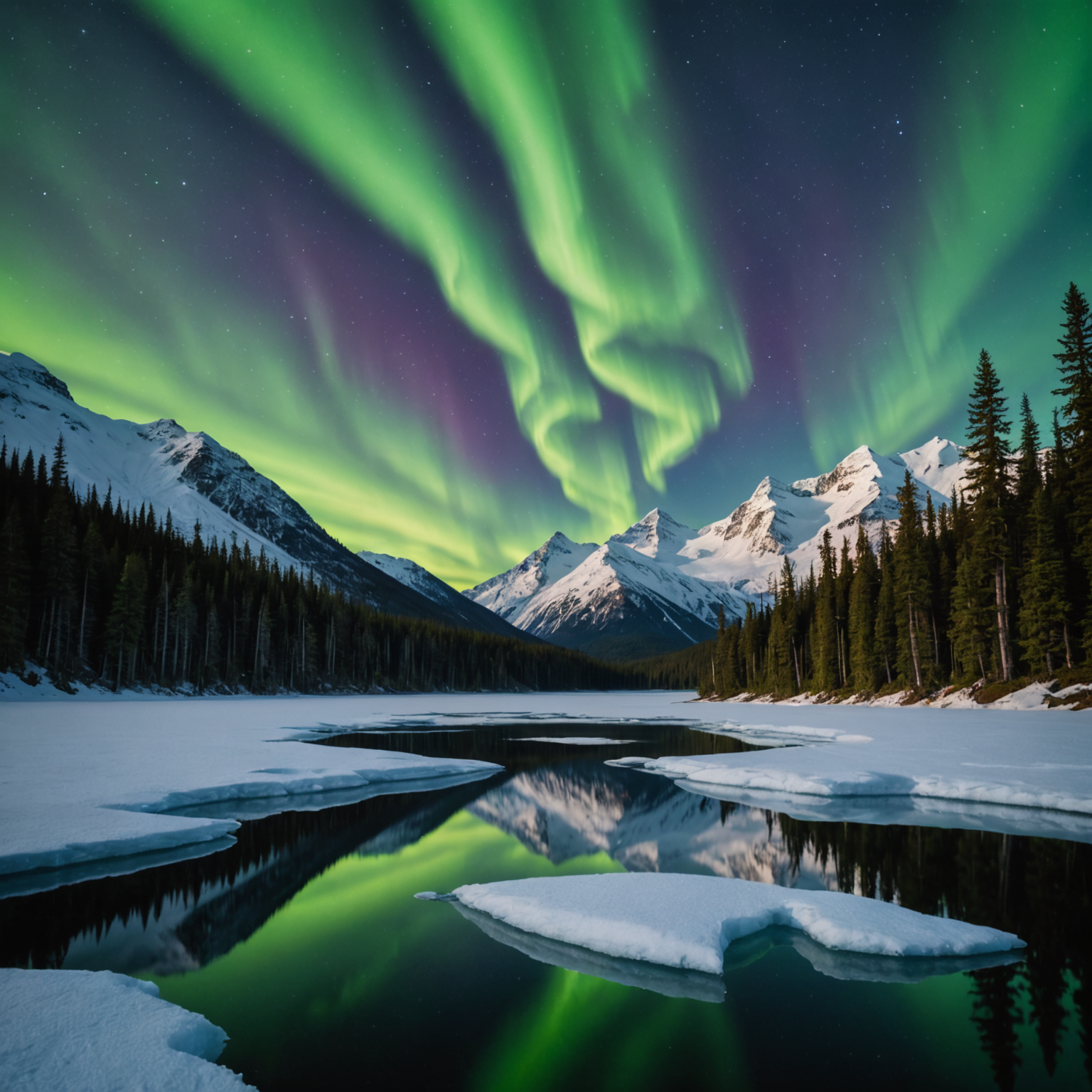
If you’re planning an adventure in Alaska, consider exploring the various Alaska National Parks, where brown bears are often observed in their natural habitat.
The Grizzly Bear
Physical Characteristics
Grizzly bears are a subspecies of brown bears. In Alaska, the term “grizzly” typically refers to those living inland, away from coastal areas. Grizzlies are slightly smaller than coastal brown bears and have distinct, grizzled fur with lighter tips. Like brown bears, they possess a noticeable shoulder hump and long claws designed for digging.
Habitat and Behavior
Grizzly bears inhabit a wide range of environments, from tundra to mountain forests. They are solitary creatures, more so than black or brown bears, and have vast home ranges. Their diet is varied, including roots, berries, small mammals, and carrion. The interior of Alaska, where grizzlies are more commonly found, presents unique challenges and opportunities for wildlife viewing. Consider joining a guided tour in Denali National Park for a chance to see these magnificent bears in their natural environment.
Conclusion
Understanding the differences between black bears, brown bears, and grizzly bears enriches our appreciation of these incredible animals and enhances our ability to enjoy Alaska’s wild landscapes safely. Whether you’re planning a trip to see these bears or simply fascinated by them, knowing their characteristics, habitats, and behaviors can lead to more meaningful wildlife experiences. For those seeking adventure, Alaska offers myriad opportunities from dog sledding with huskies in the Alaskan wilderness to witnessing the awe-inspiring northern lights.
FAQ
What is the primary difference between a brown bear and a grizzly bear?
The primary difference lies in their habitat. Brown bears generally inhabit coastal areas with abundant food sources like salmon, while grizzly bears are found inland. Grizzlies are typically smaller than coastal brown bears due to the differences in available food.
Can black bears and brown bears coexist in the same area?
Yes, black bears and brown bears can coexist, though they often occupy different ecological niches to minimize competition. Black bears are more arboreal and less aggressive, while brown bears dominate areas rich in food resources like salmon streams.
What should I do if I encounter a bear in the wild?
It’s crucial to stay calm and never run. Slowly back away while speaking in a calm voice. Make yourself appear larger and avoid direct eye contact. For more detailed safety tips, consult Alaska’s Department of Fish and Game.
Are grizzly bears more aggressive than black bears?
Generally, grizzly bears are considered more aggressive than black bears, especially when defending their territory or cubs. However, all bears can be unpredictable, and it’s essential to practice bear safety measures.
When is the best time to see bears in Alaska?
The best time to see bears in Alaska is during the salmon spawning season in the late summer and early fall. This is when bears gather near rivers and streams to feed on the fish.
Where are the best places to see bears in Alaska?
Some of the best places to see bears in Alaska include Katmai National Park, Denali National Park, and Kenai Fjords National Park. Each offers unique opportunities to observe bears in their natural habitat.
What should I pack for a bear viewing trip in Alaska?
Pack essentials like binoculars, a camera with a zoom lens, sturdy hiking boots, weather-appropriate clothing, and bear spray. Always check local guidelines and regulations before heading out. For more information on planning an outdoor adventure, visit Alaska.org.
Are there guided tours available for bear viewing in Alaska?
Yes, there are numerous guided tours available, offering safe and informative bear viewing experiences. Consider checking out Denali tours for an unforgettable wildlife adventure.