Introduction
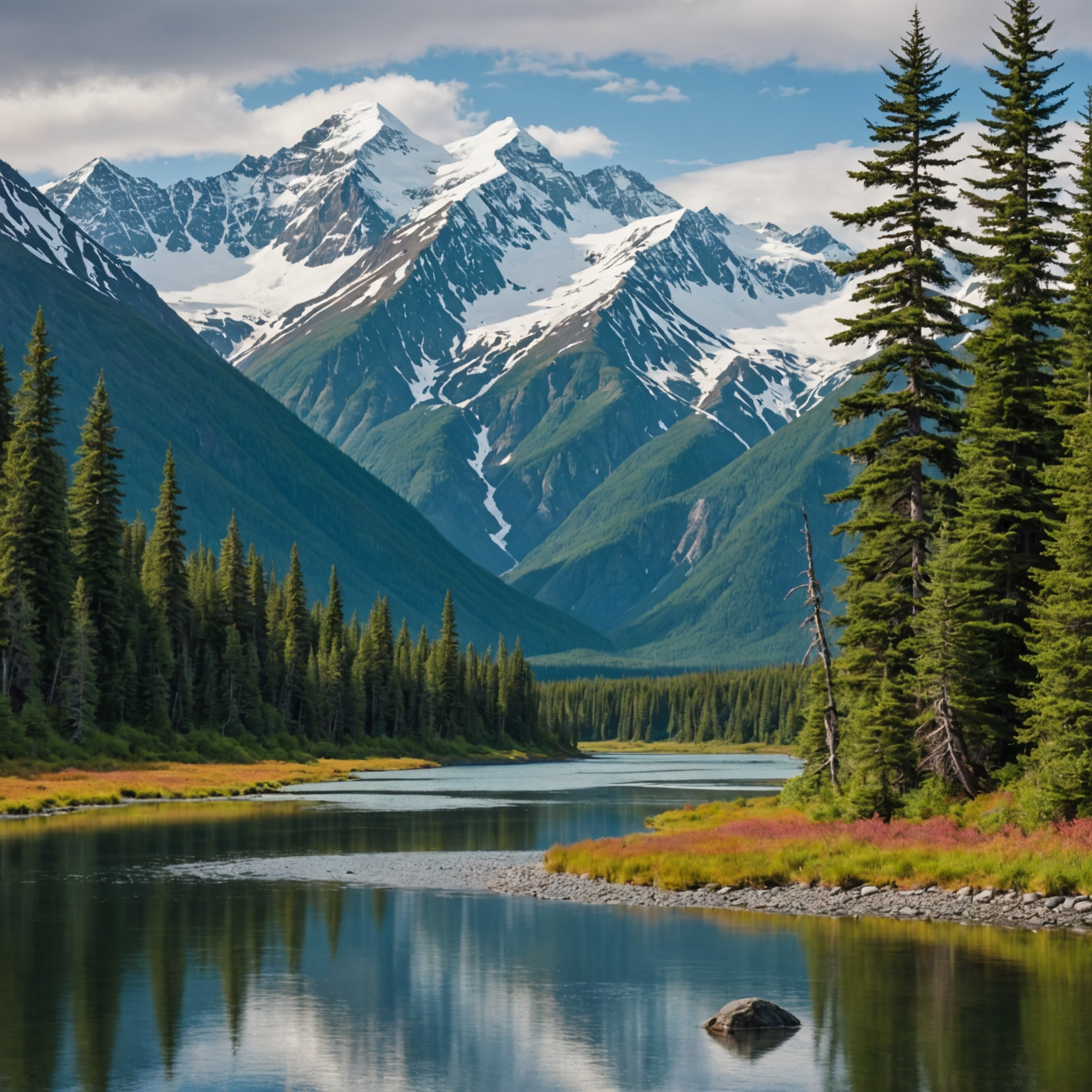
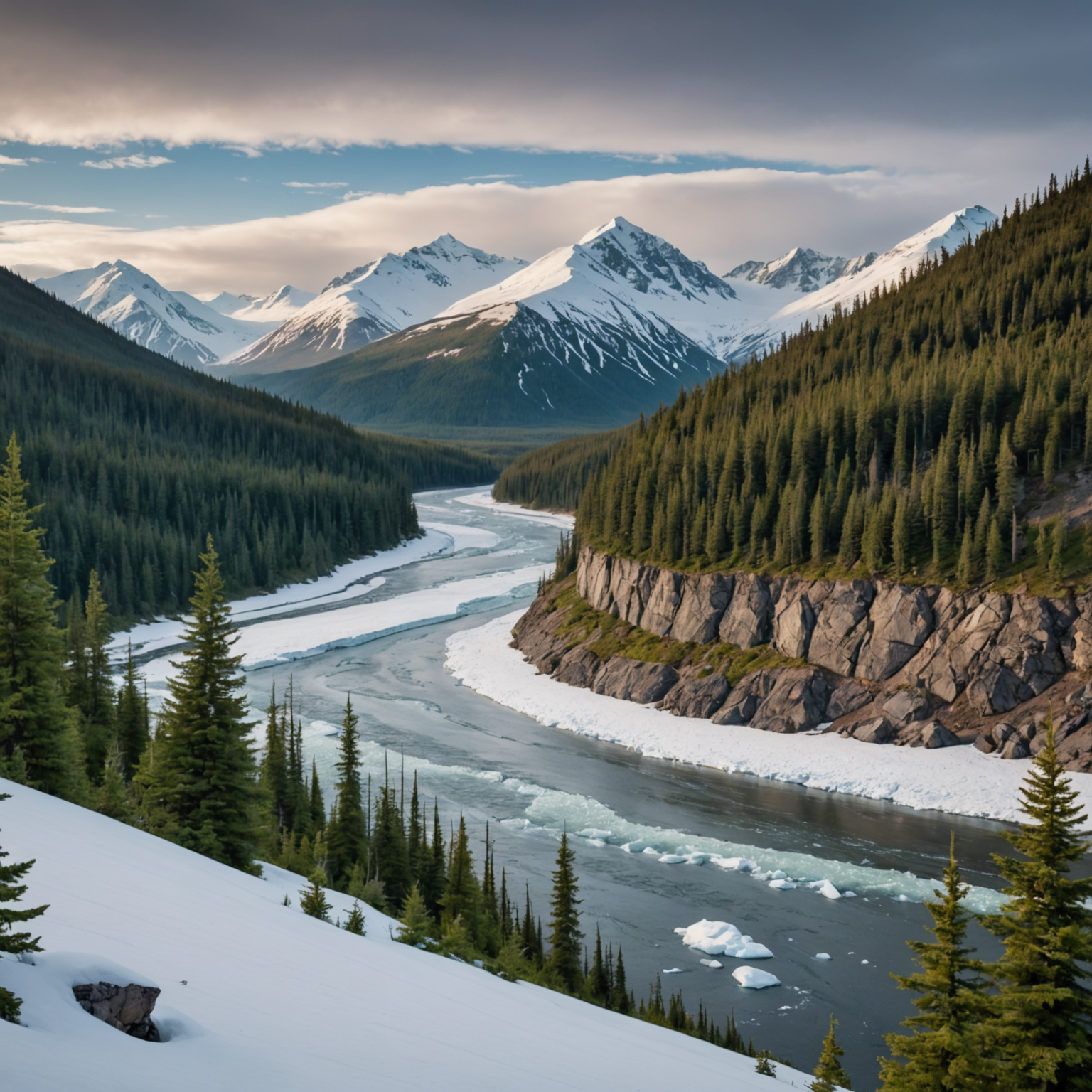
Alaska, the Last Frontier, offers some of the most spectacular backcountry experiences in the world. With its vast wilderness, towering mountains, and pristine tundra, it’s no wonder that backpackers flock here from around the globe. Whether you’re seeking solitude, wildlife encounters, or breathtaking scenery, Alaska’s trails promise an unforgettable adventure. In this blog post, we will explore the best backpacking in Alaska, highlighting the top trails and routes that will allow you to immerse yourself in the state’s natural beauty.
Denali National Park: The Wilderness Experience
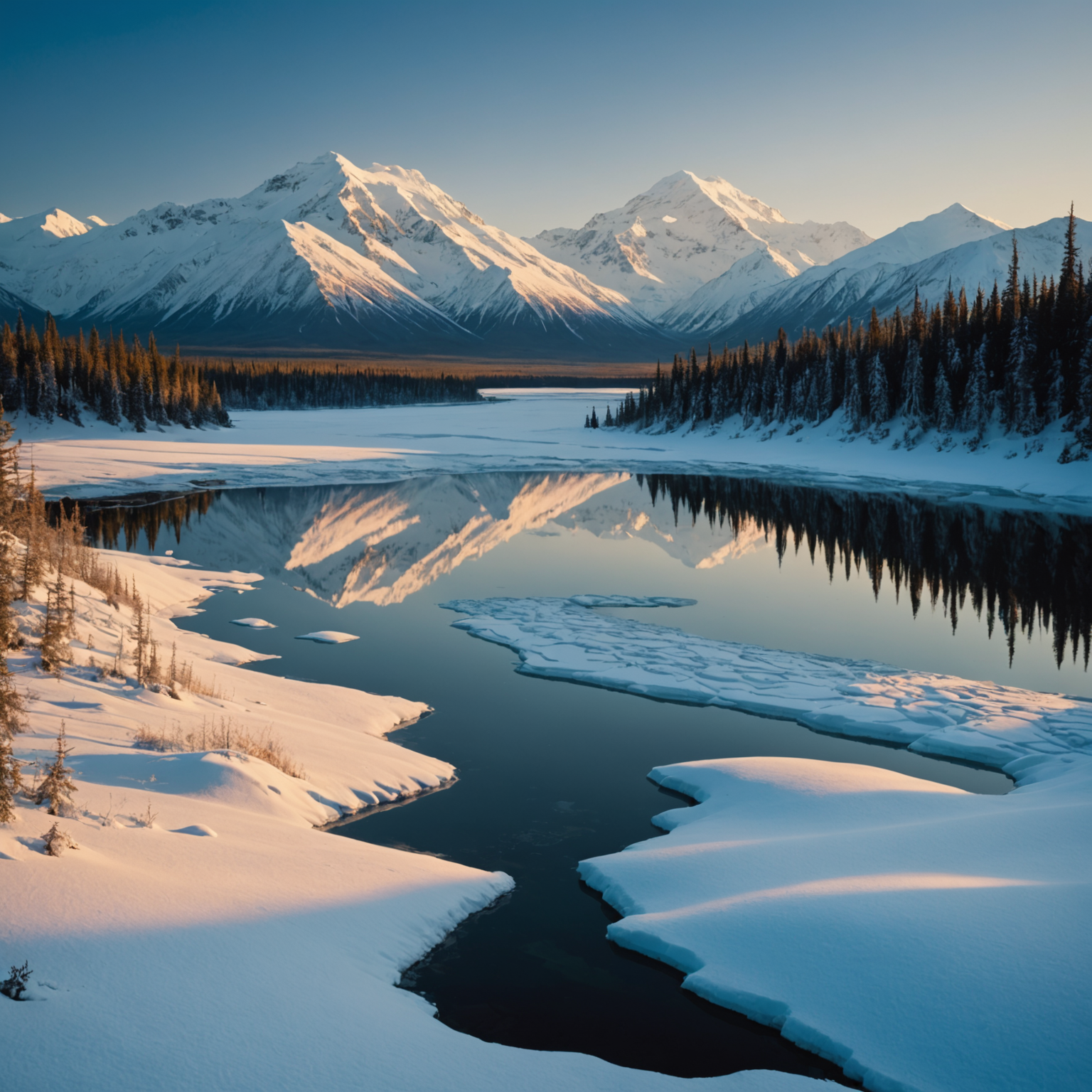
Denali National Park is a must-visit for any backpacker exploring Alaska. The park is home to North America’s highest peak, Denali, and offers over six million acres of wilderness to explore. Unlike many national parks, Denali allows for off-trail backpacking, providing a true wilderness experience for those looking to blaze their own path. The park’s backcountry units require a permit, ensuring the preservation of the delicate ecosystem.
The Wonder Lake Trail
A popular choice for backpackers, the Wonder Lake Trail offers stunning views of Denali itself. The trail, accessible from the Denali Park Road, leads through lush forest and open tundra. As you trek towards Wonder Lake, you’ll be treated to panoramic views of the Alaska Range. Keep an eye out for wildlife, including moose and grizzly bears, which are commonly seen along this route.
For more detailed information about Denali National Park, visit the National Park Service’s official page.
Chugach State Park: A Hidden Gem
Located just outside of Anchorage, Chugach State Park is one of the largest state parks in the United States. It offers a variety of trails suitable for all skill levels, from novice hikers to seasoned backpackers. The park’s proximity to Anchorage makes it a convenient option for those looking to combine city amenities with wilderness adventure.
Crow Pass Trail
The Crow Pass Trail is a favorite among backpackers for its diverse terrain and stunning views. The trail stretches over 23 miles, starting from Girdwood and ending in Eagle River. You’ll traverse alpine meadows, pass by glaciers, and ford crystal-clear streams. The hike can be completed in a day, but many opt for an overnight trip to fully enjoy the serene surroundings.
For more about planning your visit to the Anchorage area, check out the Anchorage tourism website.
Wrangell-St. Elias National Park: Untouched Beauty
Wrangell-St. Elias is the largest national park in the United States, offering unparalleled opportunities for solitude and exploration. With towering peaks and sprawling glaciers, the park’s remote wilderness is perfect for those seeking a more rugged backpacking experience.
Skolai Pass
Skolai Pass is a remote backpacking destination that offers breathtaking views of the surrounding mountains and glaciers. Accessible by bush plane, this area is ideal for those looking to truly get off the beaten path. The trek through Skolai Pass will take you through alpine valleys and across glacial moraines, providing a true sense of adventure.
For park details and current conditions, visit the National Park Service’s Wrangell-St. Elias page.
Kenai Fjords National Park: Coastal Wonders
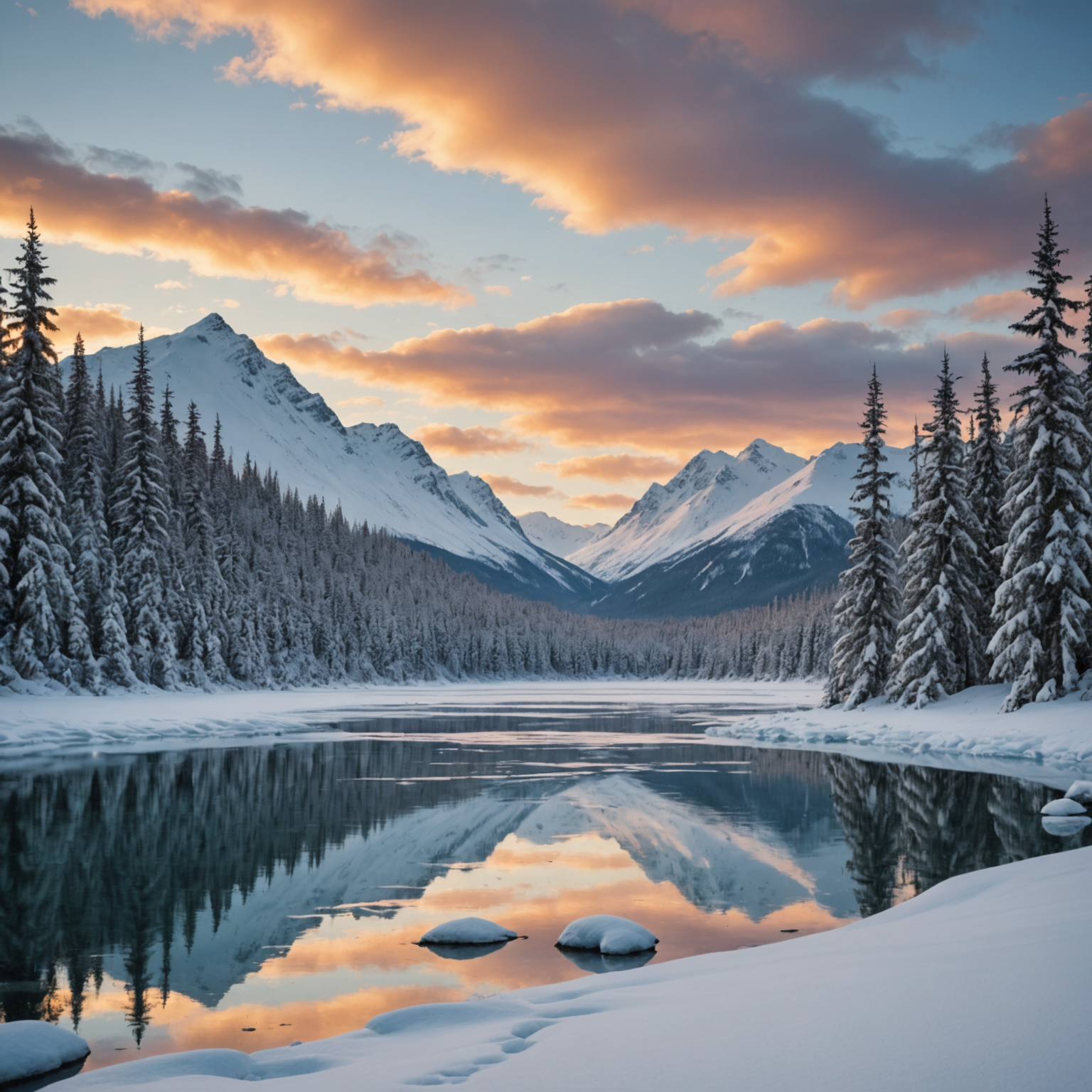
Kenai Fjords National Park, located near the town of Seward, offers a unique backpacking experience with its coastal scenery and abundant wildlife. The park is known for its dramatic fjords and calving glaciers, providing a stunning backdrop for your adventure.
Harding Icefield Trail
The Harding Icefield Trail is a challenging but rewarding hike that offers spectacular views of the icefield and surrounding glaciers. The trailhead is located near the Exit Glacier area, and the hike is approximately 8.2 miles round trip. As you ascend, you’ll pass through lush temperate rainforest and emerge onto alpine tundra with expansive views.
To learn more about Kenai Fjords National Park, visit the official NPS page.
Conclusion
Alaska’s vast and varied landscapes offer endless opportunities for backpacking enthusiasts. From the towering peaks of Denali to the coastal wonders of Kenai Fjords, there is no shortage of breathtaking scenery and thrilling adventures. Whether you’re a seasoned backpacker or just starting out, Alaska’s trails promise an unforgettable experience that will leave you yearning for more.
Before embarking on your Alaskan adventure, be sure to check out these tips for planning your trip and consider exploring other stunning scenery during your visit.
FAQ
What is the best time of year for backpacking in Alaska?
The best time for backpacking in Alaska is from late June to early September. During this period, the weather is milder, and most trails are snow-free. However, always be prepared for changing weather conditions.
Do I need permits for backpacking in Alaska’s national parks?
Yes, permits are often required for backcountry camping in Alaska’s national parks, particularly in Denali and Wrangell-St. Elias. It’s important to check with the specific park’s regulations before you go.
How can I prepare for potential wildlife encounters?
When backpacking in Alaska, it’s crucial to be aware of wildlife, particularly bears. Carry bear spray, make noise while hiking, and store food properly. The Alaska Department of Fish and Game provides valuable resources on bear safety.
Are there guided backpacking tours available in Alaska?
Yes, numerous outfitters offer guided backpacking tours in Alaska, providing expertise and equipment for a safer and more enjoyable experience. Consider researching local guides based on the region you plan to explore.
What should I pack for a backpacking trip in Alaska?
Pack layers for changing weather, a reliable tent, sleeping bag, cooking gear, and plenty of food. Don’t forget a map, compass, and GPS for navigation. For a comprehensive guide, the Leave No Trace website offers valuable resources.
Can I see the Northern Lights while backpacking in Alaska?
It’s possible, especially if you’re backpacking in late August or September. For more information on the best times and places to view the aurora, visit this helpful guide.
Is it safe to backpack alone in Alaska?
While many people backpack alone, it’s essential to be well-prepared. Inform someone of your itinerary, carry necessary safety gear, and have a solid understanding of the terrain and wildlife. Always prioritize safety and consider joining a group if you’re inexperienced.
How can I minimize my environmental impact while backpacking?
Follow the principles of Leave No Trace by packing out all waste, staying on designated trails, and avoiding disturbing wildlife. For more information, visit the Leave No Trace website.