Introduction
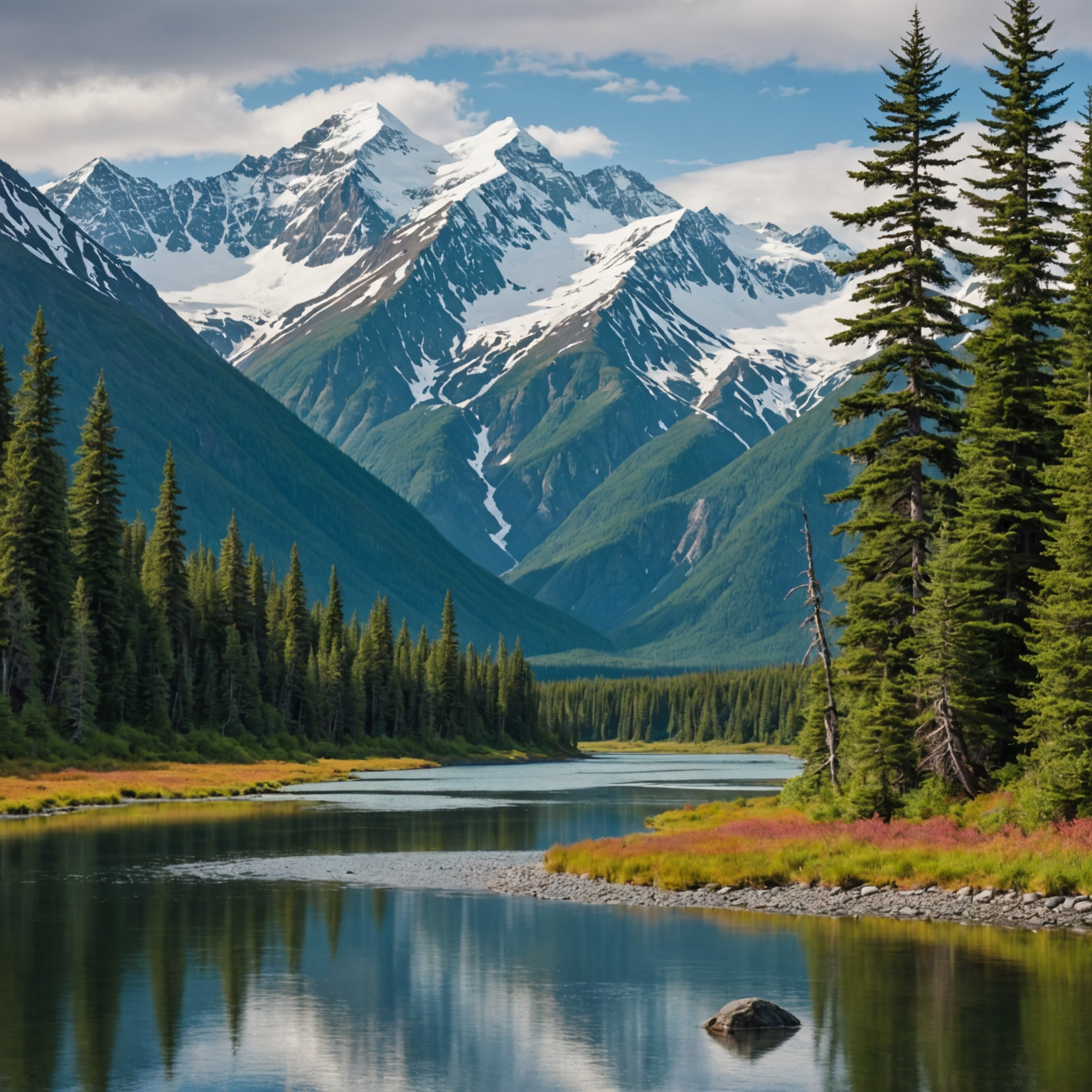
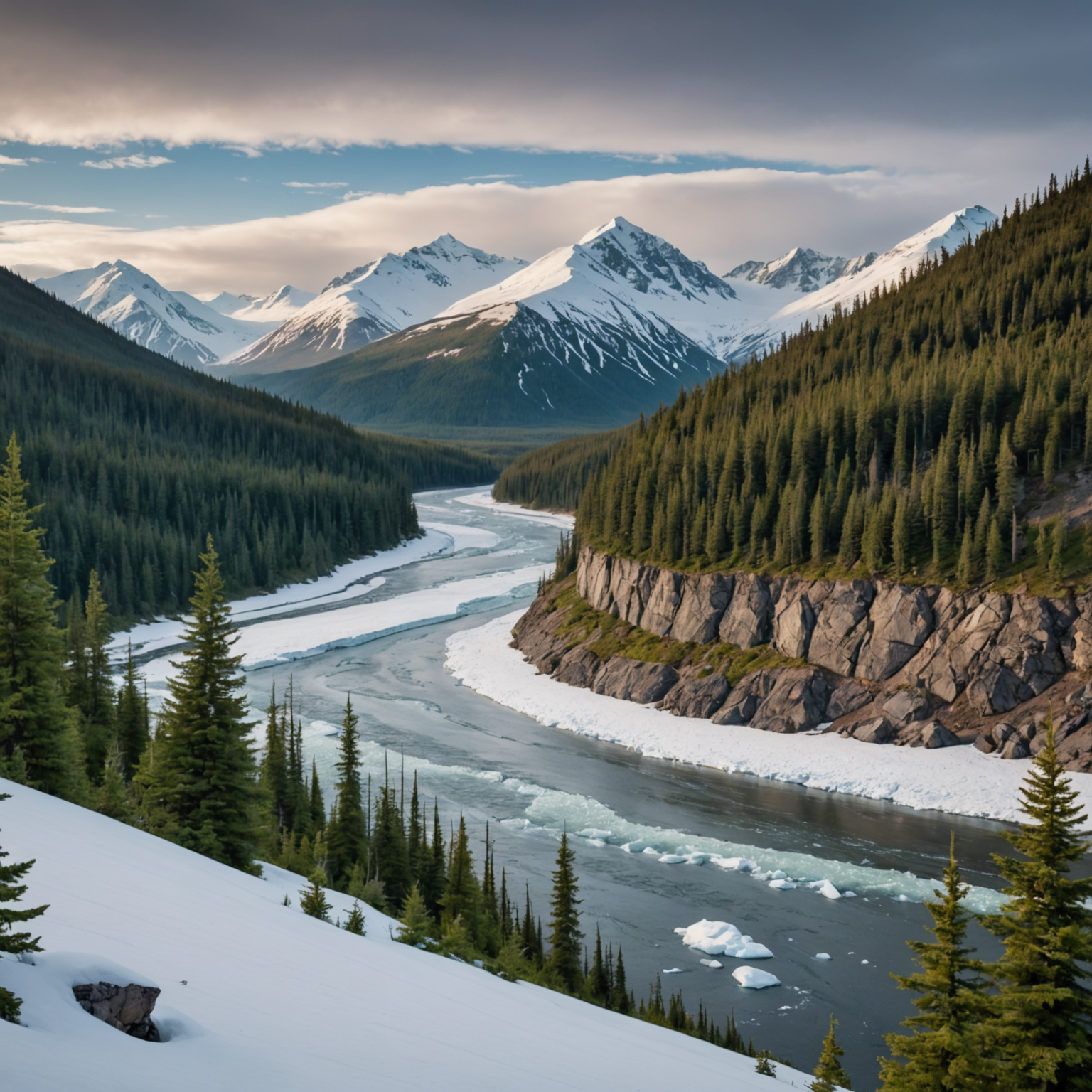
Camping in Alaska offers a unique opportunity to experience the breathtaking beauty of nature in its most pristine form. However, the cold temperatures and unpredictable weather conditions require careful preparation, especially when it comes to clothing. Packing the right cold clothes for camping is crucial for comfort and safety in the Alaskan wilderness. This guide will explore essential clothing items to pack for a cold-weather camping trip, ensuring you stay warm and protected while enjoying your adventure.
Layering Basics for Cold Weather Camping
Layering is the foundation of dressing for cold weather camping. The right combination of layers can help regulate your body temperature, wick away moisture, and protect you from wind and cold. Here’s a breakdown of the essential layers:
Base Layer
The base layer is your first line of defense against the cold. It should be made from moisture-wicking materials like merino wool or synthetic fibers to keep sweat away from your skin. Avoid cotton, as it retains moisture, which can lead to hypothermia in cold conditions.
Insulating Layer
The insulating layer traps heat and provides warmth. Fleece, down, or synthetic insulated jackets are excellent choices. The key is to choose materials that offer warmth without adding excessive bulk.
Outer Shell
The outer shell protects against wind, rain, and snow. Look for waterproof and windproof jackets and pants. Gore-Tex is a popular choice for its breathability and weather resistance.
Essential Cold Camping Clothes
When packing for a cold camping trip, consider the following clothing items:
Headwear
A warm hat is essential, as you lose a significant amount of body heat through your head. Choose a beanie or balaclava made from wool or fleece for optimal warmth.
Gloves and Mittens
Your hands are vulnerable to cold, so invest in quality gloves or mittens that offer both insulation and protection against moisture. Mittens generally provide more warmth than gloves, as fingers generate more heat when together.
Footwear
Insulated, waterproof boots are a must for cold-weather camping. Ensure they are comfortable for long hikes and have good traction for icy or snowy conditions. Pair them with wool or synthetic socks to keep your feet warm and dry.
Accessories
Don’t forget accessories like neck gaiters, which can provide additional warmth and protection against wind. Sunglasses or goggles are also crucial to protect your eyes from snow glare, especially when camping in areas with high snow cover like Denali National Park.
Clothing Tips for Alaska Camping
Choose Versatile Pieces
Opt for clothing that can serve multiple functions. Convertible pants, for example, can be worn as shorts if the temperature rises unexpectedly. Similarly, a down jacket can double as a pillow in your sleeping bag.
Pack Extra Layers
Weather conditions in Alaska can change rapidly. It’s wise to pack an extra set of base and insulating layers, even if the forecast looks favorable.
Maintain Dryness
Keeping dry is crucial to staying warm. Pack extra socks and gloves, and consider using waterproof bags to store clothing. This strategy ensures you have dry clothes available if you get wet.
Conclusion
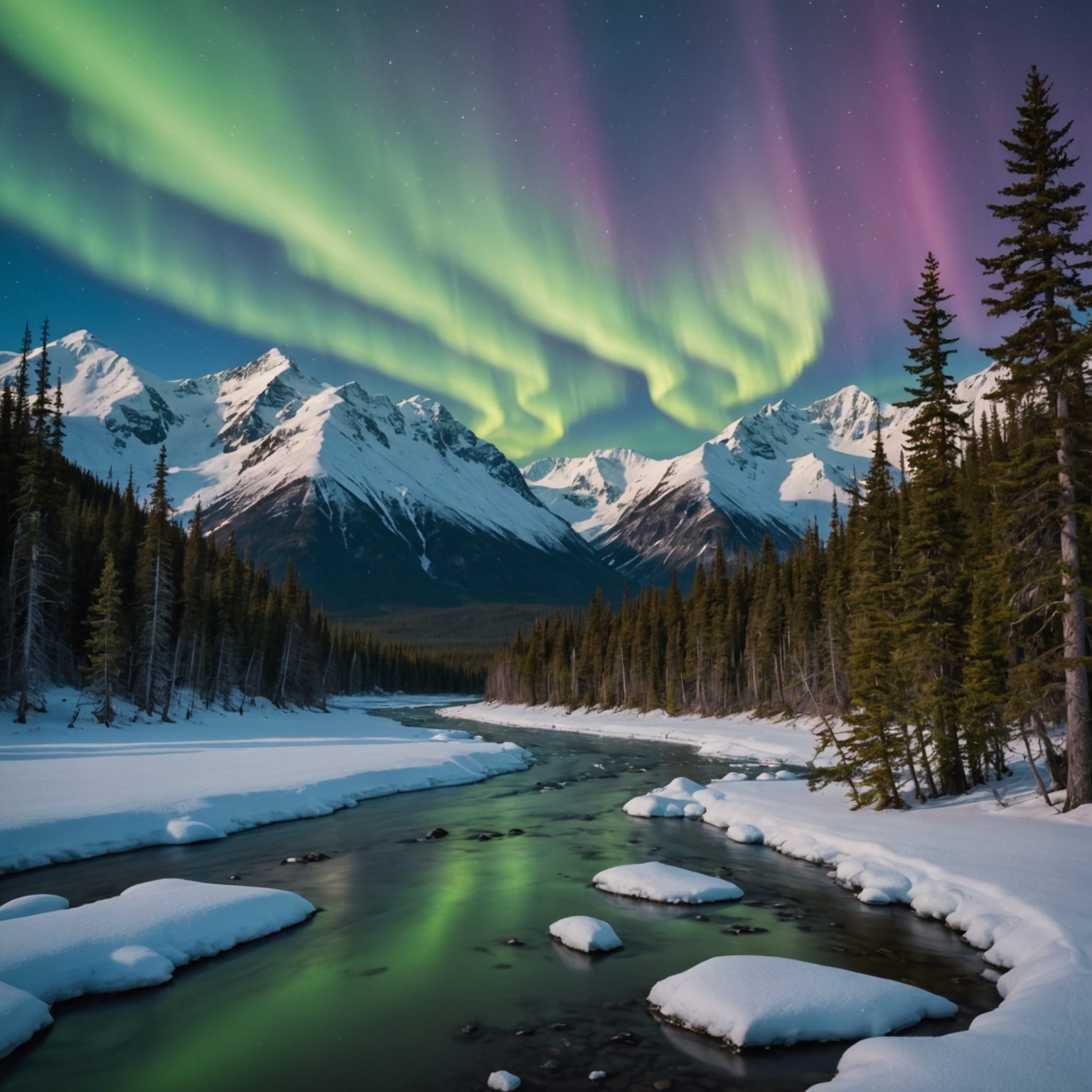
Dressing appropriately for cold-weather camping in Alaska is vital for a successful and enjoyable trip. By understanding layering techniques and packing essential cold clothes, you can explore the stunning Alaskan landscapes while staying warm and comfortable. Whether you’re planning a dog sledding adventure in Willow or hoping to catch the Aurora Borealis, being well-prepared with the right clothing ensures you focus on the experience and not the cold.
For more insights on planning your Alaskan adventure, consider exploring Anchorage Alaska winter adventures or choosing the right Aurora Borealis package.
FAQ
What are the best materials for cold-weather base layers?
Merino wool and synthetic fibers are ideal for base layers. They wick moisture away from the skin, helping to keep you dry and warm.
How many layers should I wear for winter camping?
The three-layer system—base, insulating, and outer shell—is a good starting point. You can add or remove layers as needed based on activity level and weather conditions.
Are mittens better than gloves for warmth?
Yes, mittens tend to be warmer than gloves because they allow your fingers to share warmth. However, gloves offer better dexterity, so consider the activities you’ll be doing.
What should I look for in a winter camping jacket?
Look for a jacket that is waterproof, windproof, and insulated. Features like a hood and adjustable cuffs can provide additional protection against the elements.
Can I wear cotton for cold-weather camping?
Avoid cotton as it retains moisture, which can lead to increased heat loss and risk of hypothermia. Stick to moisture-wicking materials like wool or synthetics.
How can I ensure my feet stay warm during a camping trip?
Choose insulated, waterproof boots paired with wool or synthetic socks. Consider using foot warmers for additional heat in extremely cold conditions.
What precautions should I take for sudden weather changes in Alaska?
Always check the Alaska weather forecast before your trip and pack extra layers. Be prepared for sudden temperature drops and snowfall.
Is it necessary to wear sunglasses in snowy conditions?
Yes, sunglasses or goggles are important to protect your eyes from snow glare, which can be intense and lead to snow blindness.