Introduction
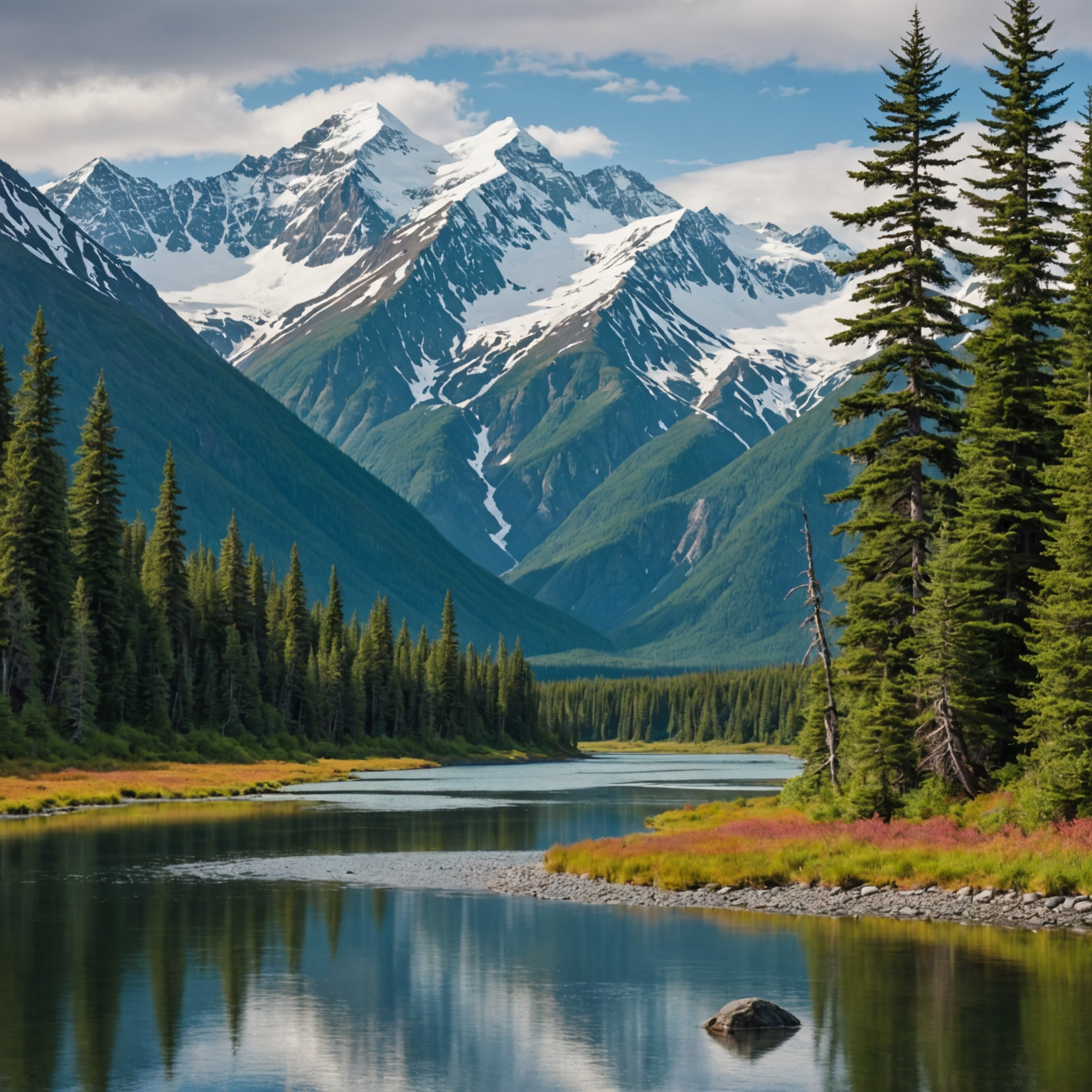
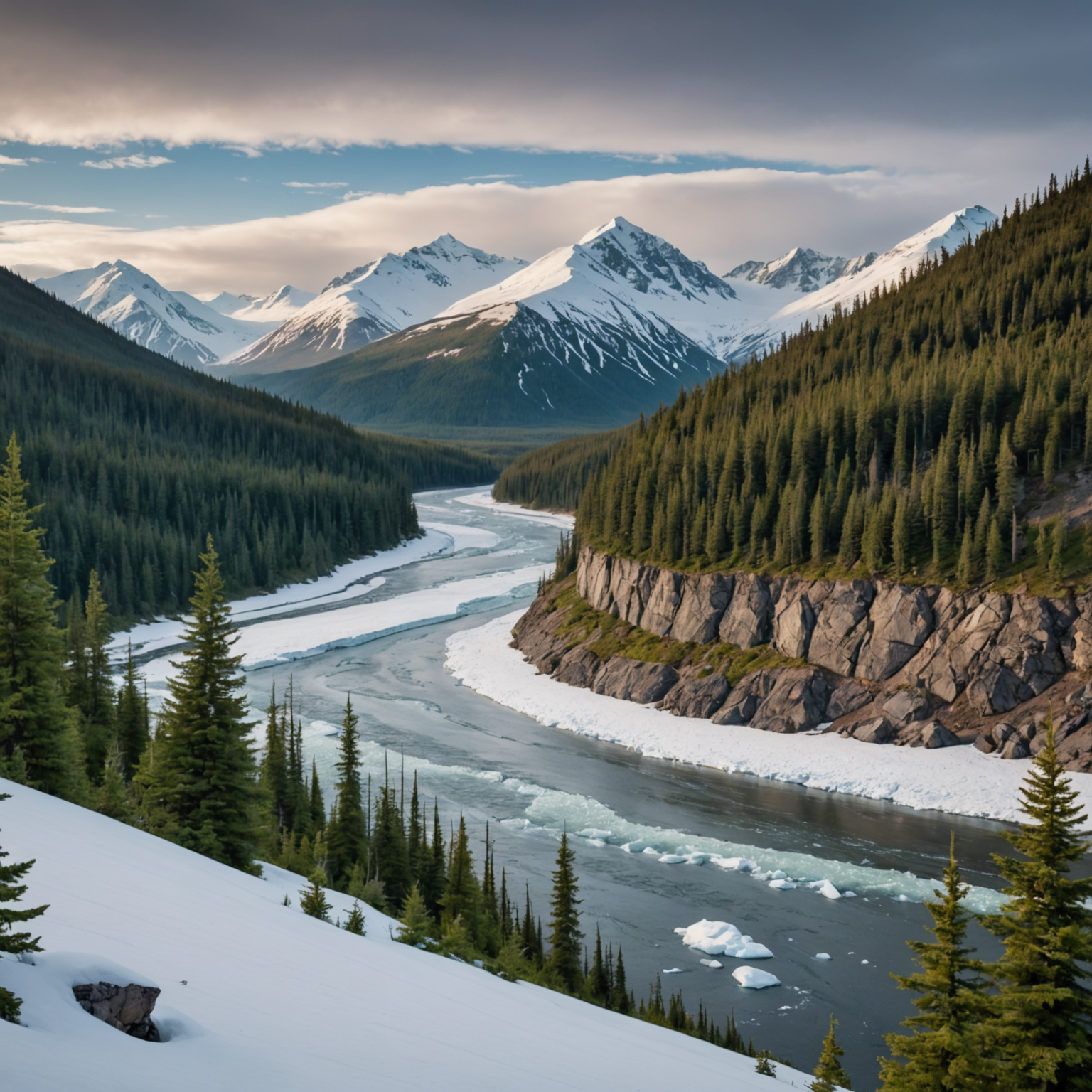
Alaska, the Last Frontier, offers some of the most awe-inspiring natural wonders in the world, and among them, the majestic glaciers stand out. A glacier walk in Alaska is not just a hike; it’s an adventure into the frozen heart of nature. The breathtaking landscapes, vast ice fields, and unique wildlife encounters make this experience unforgettable. Whether you’re an experienced trekker or a curious traveler, walking on a glacier in Alaska promises to be a thrilling and educational journey.
The Enchanting World of Alaska’s Glaciers
Alaska is home to over 100,000 glaciers, with many accessible to adventurers eager to explore these icy giants. Some of the most popular glaciers for walking tours include the Matanuska Glacier, Exit Glacier, and the glaciers in Glacier Bay and Kenai Fjords National Parks. Each offers unique opportunities to witness the power and beauty of nature.
Matanuska Glacier
Located just two hours from Anchorage, the Matanuska Glacier is the largest glacier accessible by car in the United States. Spanning over 27 miles long, it provides an excellent opportunity for a day hike. Guided tours offer insights into glacial geology and the chance to explore ice caves and crevasses safely. If you’re planning a winter trip to Anchorage, consider adding a glacier walk to your itinerary for an unforgettable experience.
Exit Glacier
Part of Kenai Fjords National Park, Exit Glacier is a popular destination for visitors to Seward. It offers a relatively easy trail to the glacier’s edge, providing stunning views and educational insights into glacial recession and climate change. The park’s official website provides valuable information on trail conditions and guided tour options.
Glacier Bay National Park
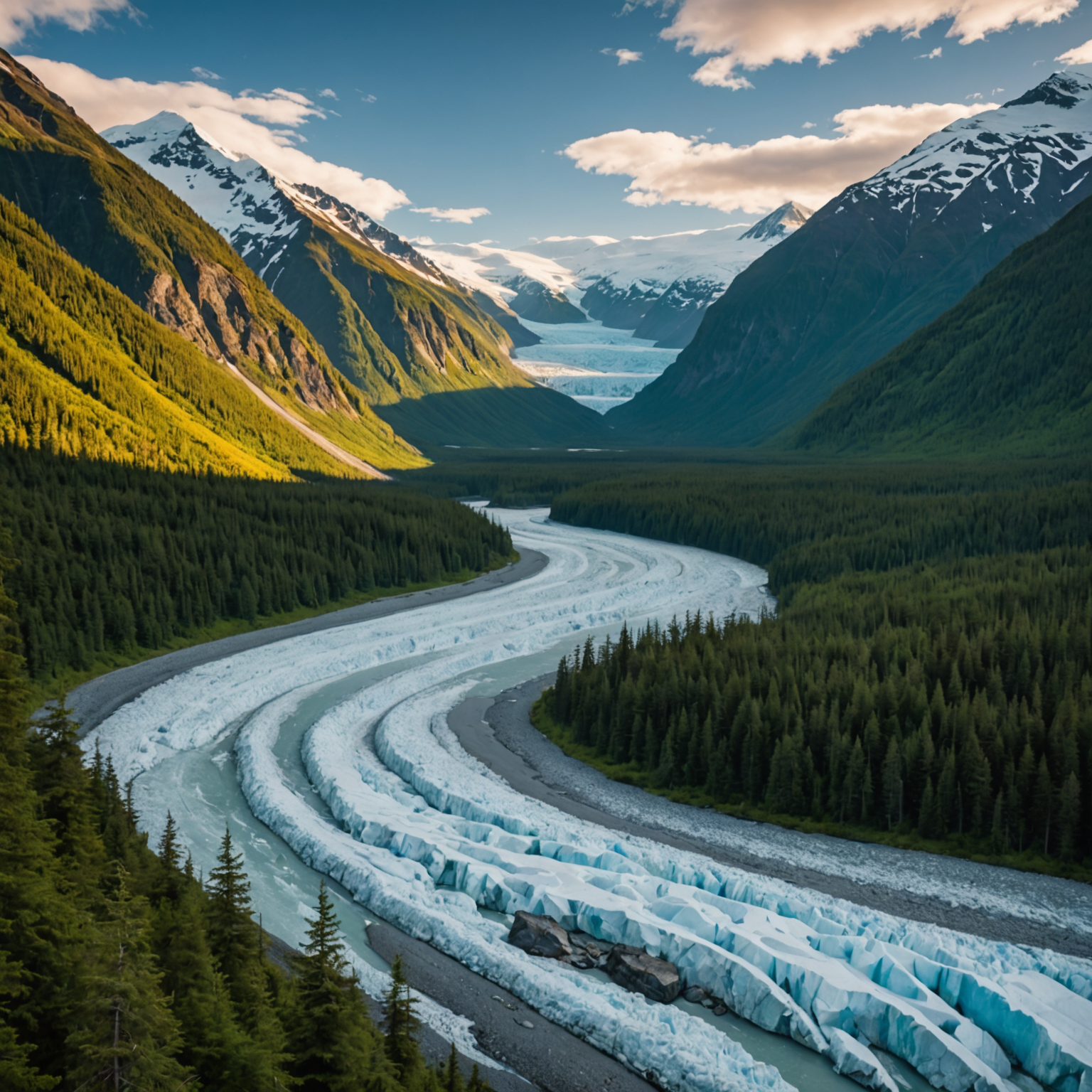
For those seeking a more remote adventure, Glacier Bay National Park offers a pristine wilderness experience. Accessible only by boat or plane, this park is a UNESCO World Heritage Site, known for its spectacular fjords and abundant wildlife. Guided tours are available, offering a chance to witness calving glaciers and marine life such as humpback whales and sea otters. For more on planning your visit, check out Alaska.org.
Preparing for Your Glacier Walk
Embarking on a glacier walk requires preparation to ensure safety and maximize enjoyment. Here are some essential tips:
Gear and Equipment
Proper gear is crucial when walking on a glacier. Sturdy, waterproof hiking boots, crampons, and trekking poles are essential for navigating ice and snow. Dressing in layers will help you adjust to varying temperatures, and don’t forget sunglasses and sunscreen to protect against glare from the ice.
Guided Tours vs. Solo Hikes
While some experienced hikers may opt to explore on their own, joining a guided tour is highly recommended, especially for first-timers. Guides not only ensure safety but also provide valuable insights into the glacial environment. Explore guided tours in Whittier for a comprehensive experience.
Safety Considerations
Glacier environments are inherently hazardous, with hidden crevasses and rapidly changing weather conditions. Always check the current weather forecast before your trip and be aware of avalanche warnings, which can be monitored through the Chugach National Forest Avalanche Information Center.
Wildlife Encounters on Glacier Walks
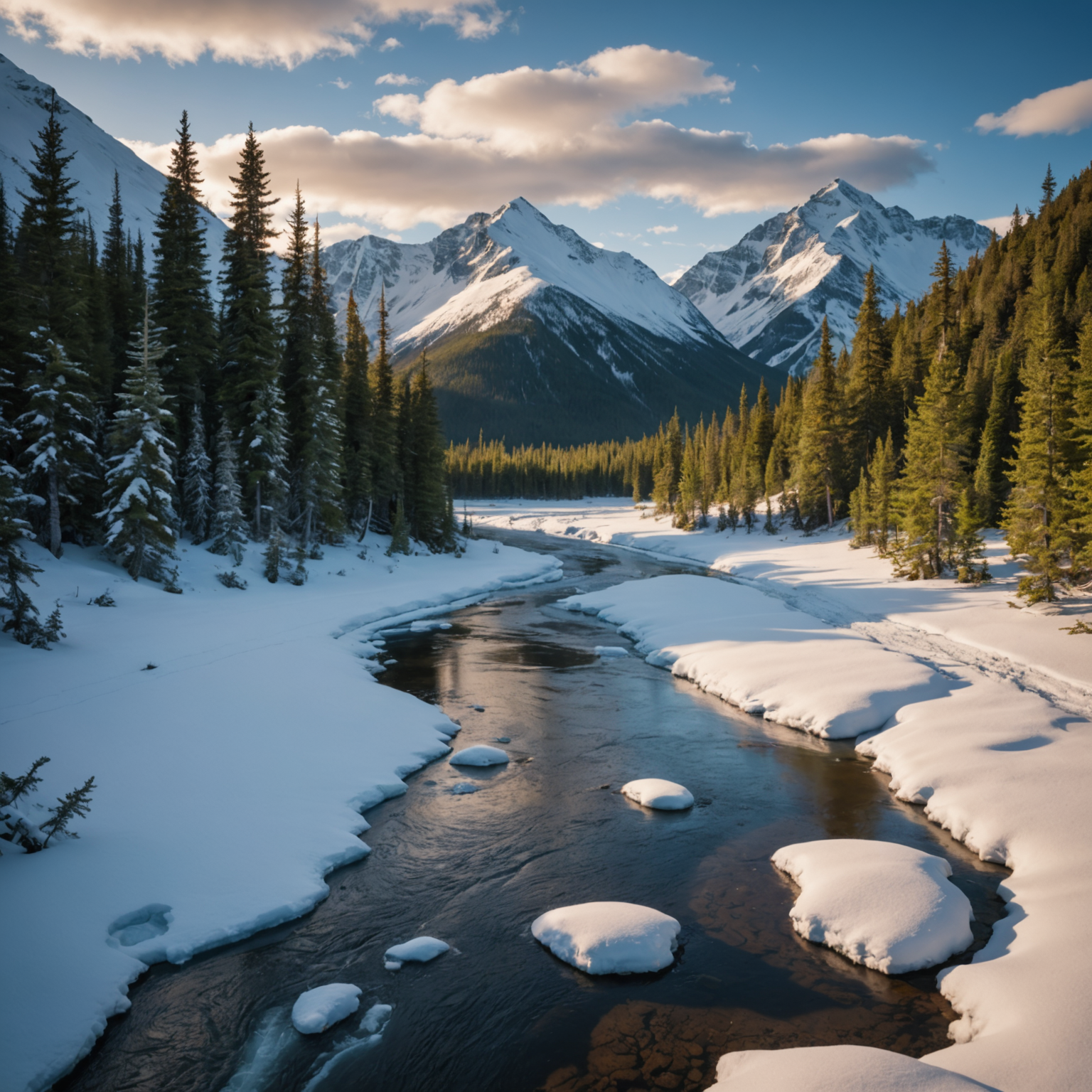
While glaciers themselves are stunning, the surrounding ecosystems are equally fascinating. Keep an eye out for wildlife such as mountain goats, bears, and a variety of bird species. Always maintain a safe distance from wildlife and follow guidelines provided by the Alaska Department of Fish and Game to ensure safe encounters.
Conclusion
A glacier walk in Alaska offers a unique opportunity to connect with nature in its rawest form. From the imposing ice structures to the rich biodiversity, every aspect of this experience is sure to leave a lasting impression. Whether you choose to explore the popular Matanuska or venture into the remote wilderness of Glacier Bay, the adventure promises to be both thrilling and enlightening.
For more must-see places in Alaska, explore our guide to ensure you don’t miss any highlights on your Alaskan adventure.
FAQ
What is the best time of year for a glacier walk in Alaska?
The best time for glacier walks is typically from May to September when weather conditions are more favorable, and access to trails is easier. However, winter walks are also possible with proper preparation and guided tours.
Do I need special equipment for a glacier walk?
Yes, specialized equipment such as crampons, waterproof boots, and trekking poles are essential for navigating glacial terrain safely. Many guided tours provide necessary equipment.
Can I see wildlife during a glacier walk?
Yes, it’s possible to encounter wildlife such as mountain goats, bears, and various bird species. Always observe animals from a distance and follow safety guidelines.
Are glacier walks suitable for families?
Many glacier walks offer options suitable for families, with trails designed for varying skill levels. Always check with tour operators for age restrictions and safety guidelines.
How physically demanding is a glacier walk?
Glacier walks can range from easy to challenging, depending on the specific glacier and route chosen. It’s important to assess your physical fitness and choose a tour that matches your ability.
What should I wear for a glacier walk?
Dress in layers to accommodate changing temperatures, and wear waterproof clothing and sturdy boots. Sunglasses and sunscreen are also recommended to protect against sun glare and UV exposure.
How long does a typical glacier walk last?
The duration of a glacier walk can vary from a few hours to a full day, depending on the tour package chosen. Always check with the tour provider for specific details.
Is it safe to walk on a glacier without a guide?
While experienced hikers may choose to go without a guide, it is generally safer and more informative to join a guided tour, especially for first-time visitors. Guides provide essential safety and educational insights.