Introduction
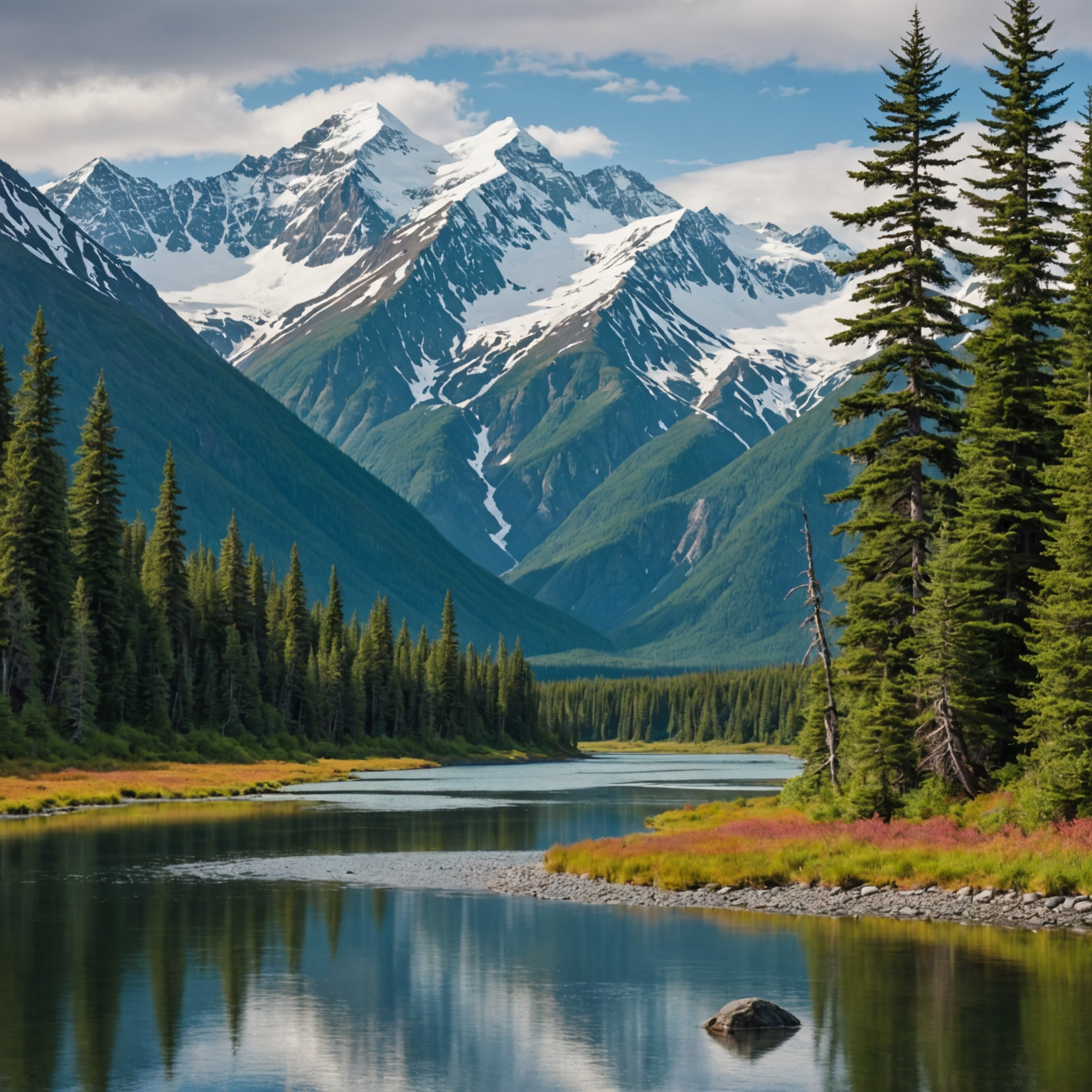
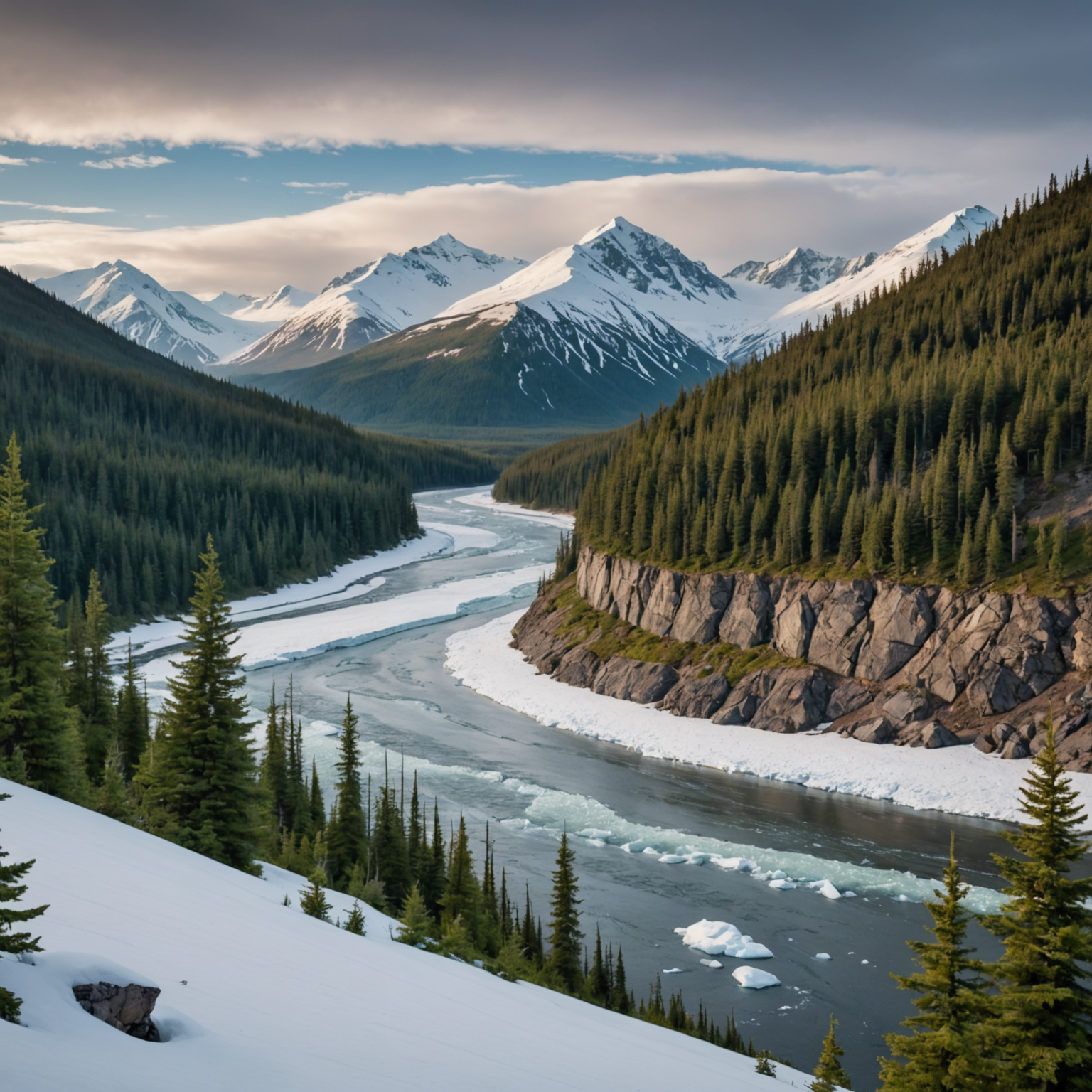
Nestled within the heart of the Chugach National Forest, Portage Valley is a hidden gem of Alaska that offers breathtaking landscapes and a rich tapestry of natural wonders. Located just an hour’s drive from Anchorage, this valley is a must-visit destination for anyone looking to experience the untamed beauty of Alaska. With its awe-inspiring waterfalls, extensive network of trails, and towering glaciers, Portage Valley is an outdoor enthusiast’s paradise. In this comprehensive guide, we’ll explore the key attractions and activities that make Portage Valley a unique and unforgettable destination.
Discovering Portage Valley
The Allure of Glaciers
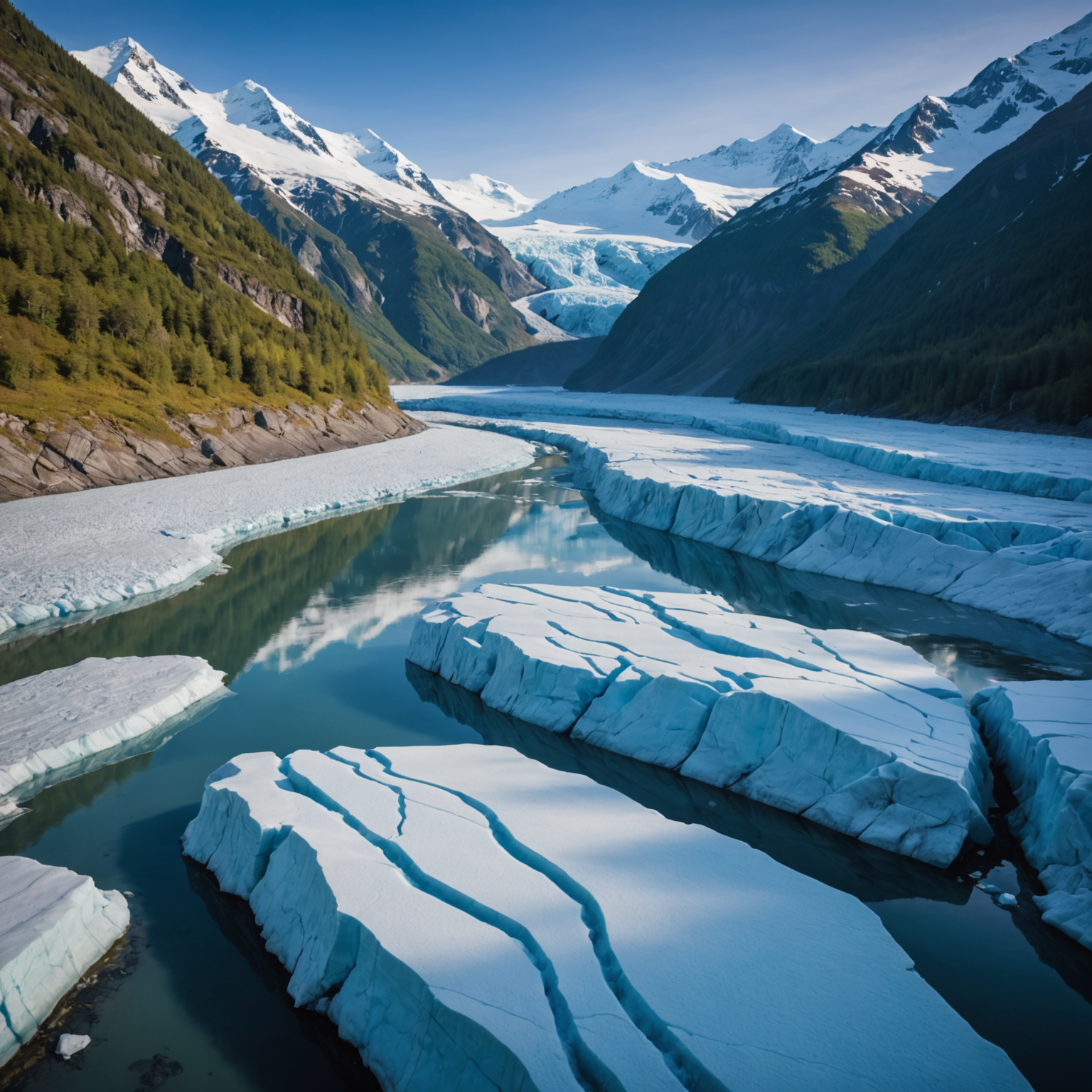
One of the most compelling reasons to visit Portage Valley is its spectacular glaciers. The valley is home to several glaciers, including the famous Portage Glacier. Accessible via a short and scenic drive, visitors can take a cruise on Portage Lake for an up-close view of this natural marvel. The Begich, Boggs Visitor Center offers insights into the area’s glacial history and the dynamic forces shaping this icy landscape. For those interested in hiking, the Byron Glacier Trail provides a moderate trek with rewarding views of the Byron Glacier, allowing hikers to touch the ice in certain seasons.
Trails for Every Explorer
Portage Valley boasts a variety of trails catering to different skill levels, making it an ideal destination for both casual walkers and seasoned hikers. The Trail of Blue Ice is a favorite among visitors, providing a relatively easy path through lush forests, alongside streams, and offering stunning views of the surrounding mountains. The trail is well-maintained, making it accessible for families and those looking for a leisurely stroll through nature. For more adventurous hikers, the Portage Pass Trail offers a challenging ascent with panoramic views of Portage Glacier and Portage Lake.
Waterfalls and Wildlife
The valley is adorned with several waterfalls that add to its enchanting beauty. Explorer Falls and Byron Falls are among the most popular, offering a serene backdrop for picnics or quiet contemplation. Wildlife enthusiasts will also find Portage Valley teeming with life. Keep an eye out for Dall sheep, mountain goats, and a variety of bird species. During the salmon run, bears are known to frequent the area, so visitors should remain vigilant and follow bear safety guidelines.
Planning Your Visit
When planning a trip to Portage Valley, it’s essential to consider the weather conditions, which can change rapidly. The National Weather Service provides up-to-date forecasts to help plan your visit accordingly. For those driving from Anchorage, the Seward Highway offers a scenic route with numerous pullouts to enjoy the views. It’s advisable to check current road conditions through 511 Alaska for a safe journey.
Conclusion
Portage Valley, Alaska, is a destination that captivates visitors with its natural beauty and diverse outdoor activities. Whether you’re exploring glaciers, hiking scenic trails, or simply enjoying the tranquil waterfalls, there’s something for everyone in this stunning region. Its proximity to Anchorage makes it an accessible escape into nature, promising an unforgettable experience for all who visit.
For additional adventures in Alaska, consider the dog sledding experiences offered by local companies, which provide a unique way to explore the snowy landscapes of this remarkable state.
FAQ
What is the best time of year to visit Portage Valley?
The best time to visit Portage Valley is during the summer months, from June to August, when the weather is milder, and most trails are accessible. However, the fall season offers stunning foliage and fewer crowds.
How do I reach Portage Valley from Anchorage?
Portage Valley is approximately 50 miles south of Anchorage. You can reach it by driving along the scenic Seward Highway, which takes about an hour. Be sure to check road conditions before traveling.
Are there any guided tours available in Portage Valley?
Yes, there are guided tours available, including boat cruises to Portage Glacier and ranger-led hikes from the Begich, Boggs Visitor Center. These tours offer a deeper understanding of the area’s natural history.
Can I see wildlife in Portage Valley?
Absolutely, Portage Valley is home to a variety of wildlife, including Dall sheep, bears, and numerous bird species. Always maintain a safe distance and follow wildlife viewing guidelines.
Is camping allowed in Portage Valley?
Yes, there are several campsites available in the Chugach National Forest, including the Williwaw Campground. It’s advisable to reserve your spot in advance through Recreation.gov.
Are the trails in Portage Valley suitable for families?
Many trails, such as the Trail of Blue Ice, are family-friendly and offer easy, well-maintained paths. Always check trail conditions and prepare adequately for the hike.
What should I bring when visiting Portage Valley?
Visitors should bring layered clothing, sturdy hiking boots, bear spray, and plenty of water. It’s also wise to carry a map and a fully charged phone for emergencies.
Can I visit Portage Valley in winter?
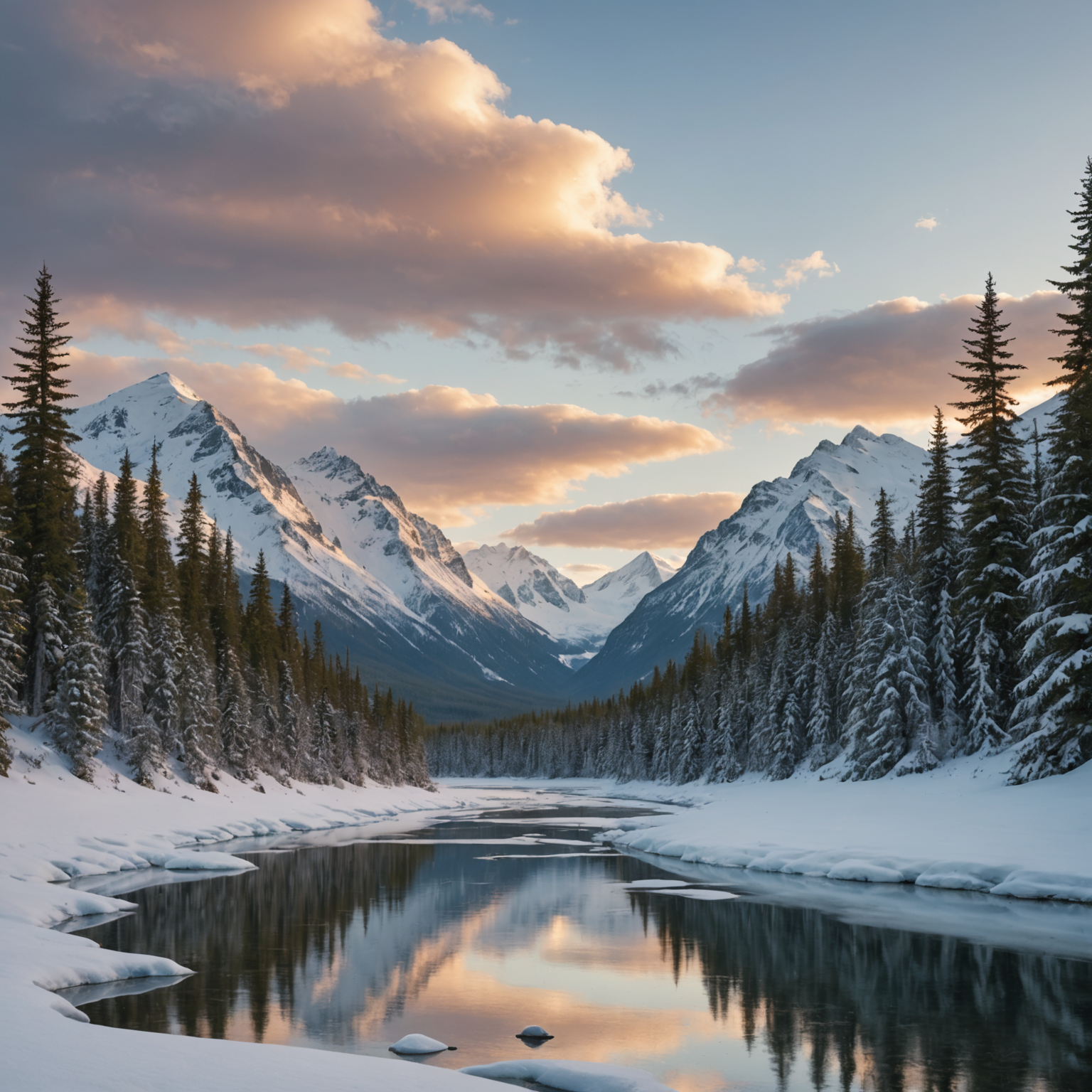
Yes, winter visits are possible, but visitors should be prepared for snow and icy conditions. Winter sports such as cross-country skiing and snowshoeing are popular activities. Always check current weather conditions before your trip.