Introduction
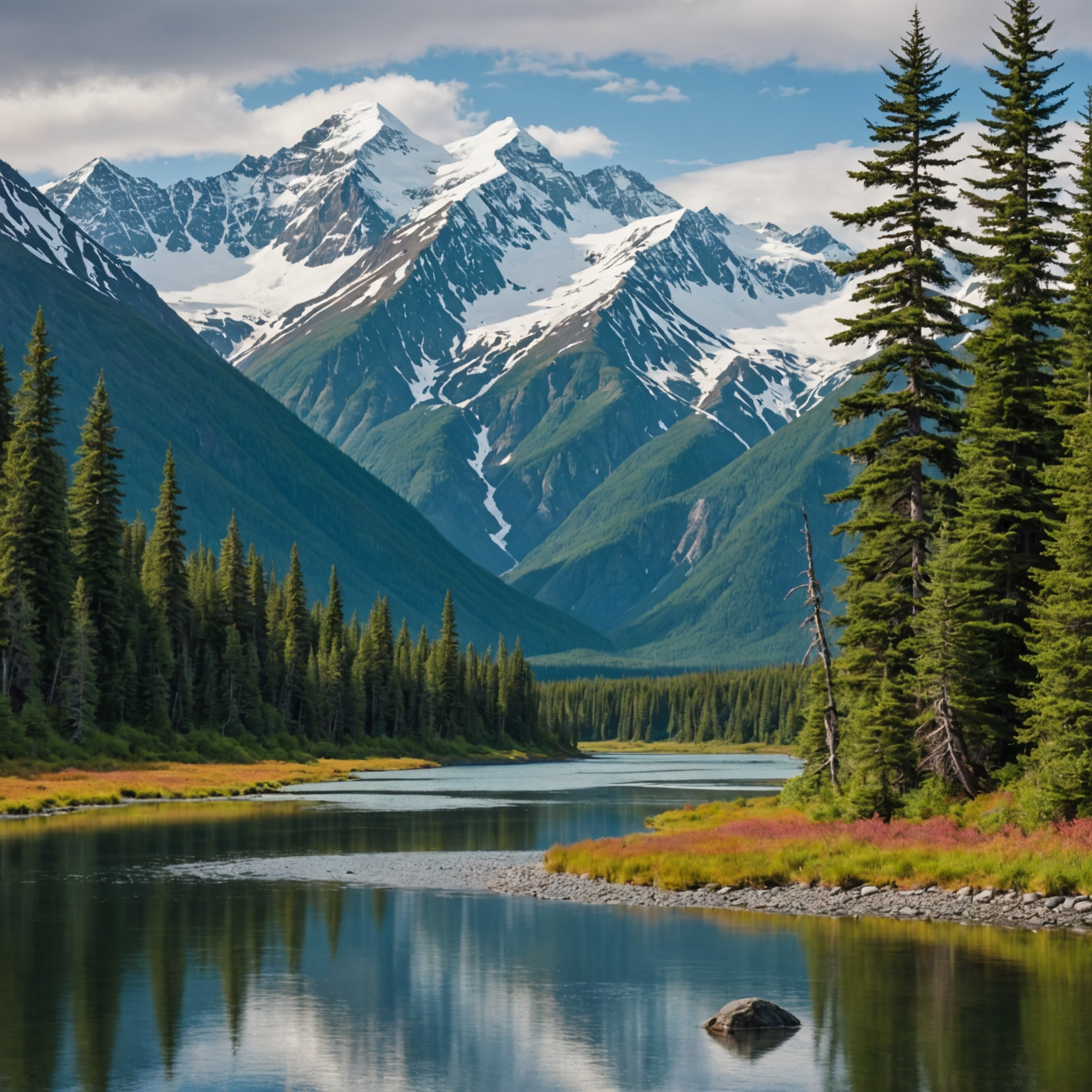
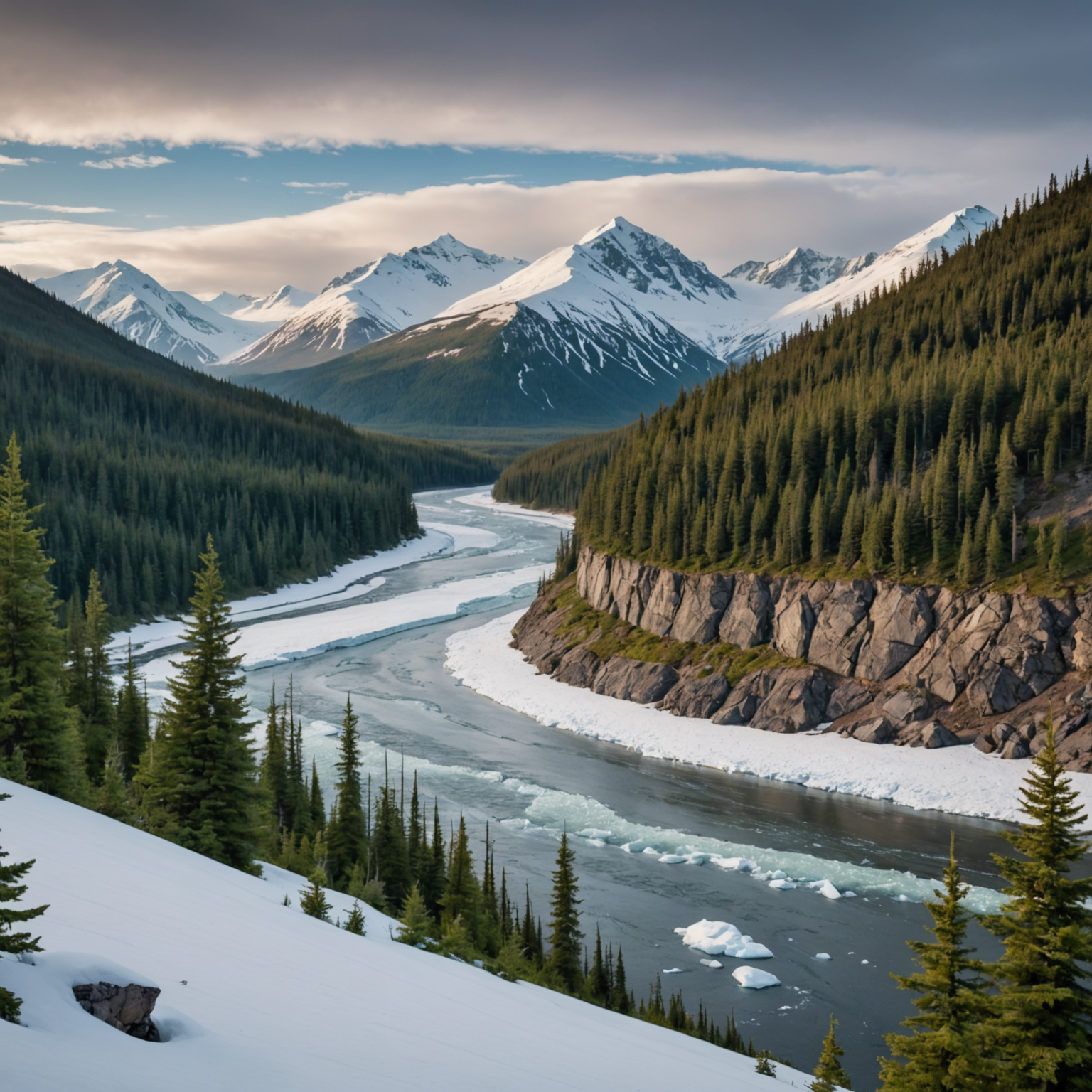
Alaska, the Last Frontier, is renowned for its breathtaking landscapes and natural wonders. Among these, the mesmerizing glacial blue ice formations stand out as a testament to the region’s unique geological history. These ice formations are not only a visual spectacle but also a gateway to understanding the intricate processes that have shaped this northern wilderness. In this article, we will delve into the fascinating world of glacial blue ice in Alaska, explore its formation, and guide you on how to experience this natural wonder up close.
The Science Behind Glacial Blue Ice
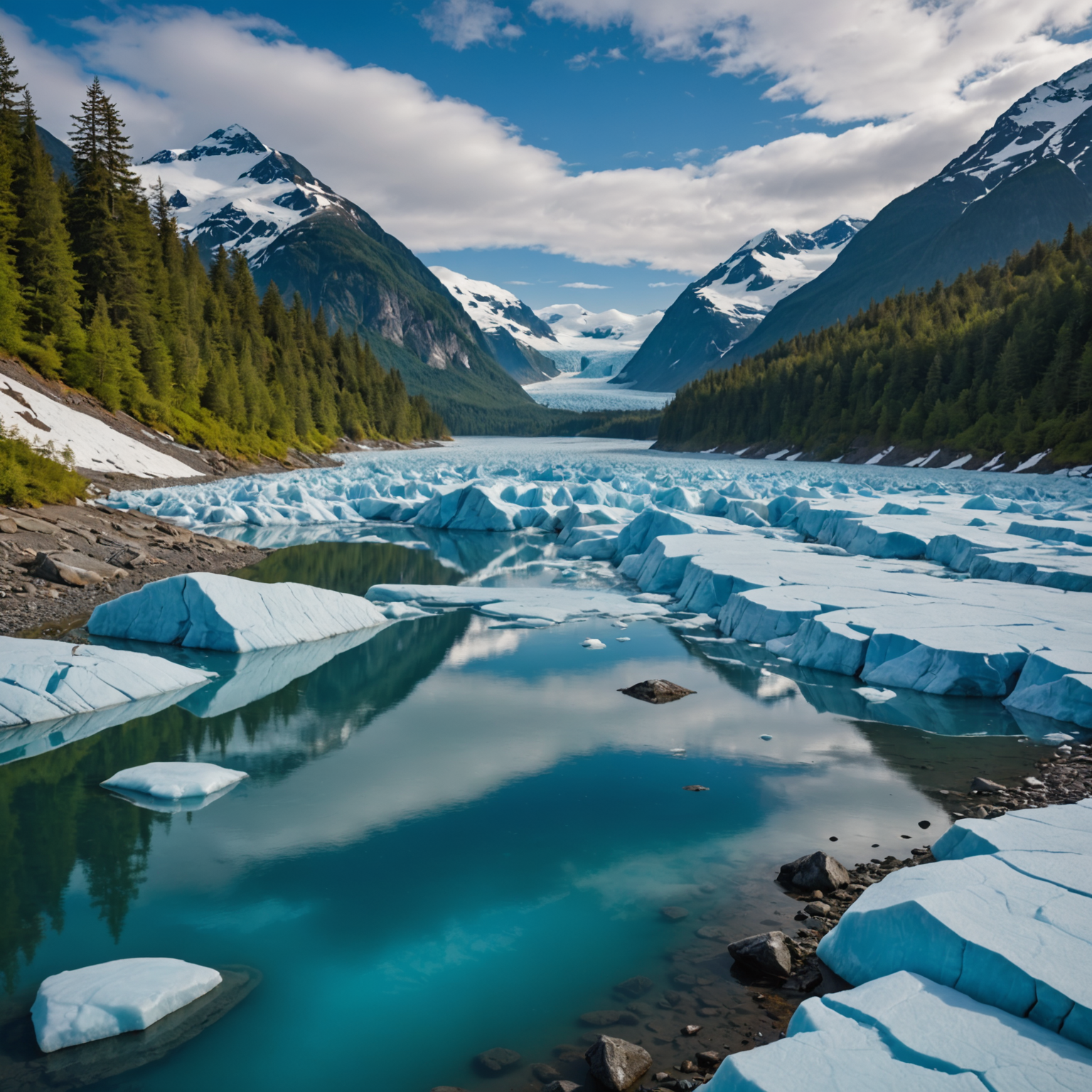
Glacial blue ice is a phenomenon that occurs when snow accumulates on glaciers, compacts, and recrystallizes over centuries. As the snow compresses, air bubbles are squeezed out, leaving behind dense ice. This ice absorbs all colors of the light spectrum except blue, which it reflects, giving it a stunning azure hue. The blue intensity can vary depending on the density of the ice and the angle of sunlight.
The Mendenhall Glacier, located near Juneau, is one of the most accessible places to witness glacial blue ice. This glacier offers visitors a chance to see the vibrant blue hues and learn about the glacier’s gradual retreat due to climate change. For more information on planning a visit to this iconic glacier, check out resources from Alaska.org.
Where to See Glacial Blue Ice in Alaska
Alaska is home to numerous glaciers where you can witness the striking beauty of blue ice. Here are some of the top spots:
- Mendenhall Glacier: As mentioned, this is one of the most accessible glaciers and offers stunning views of blue ice formations.
- Kenai Fjords National Park: This park boasts numerous glaciers, including the awe-inspiring Exit Glacier, where you can hike right up to the ice.
- Glacier Bay National Park: Known for its breathtaking scenery, this park offers boat tours that bring you close to massive blue icebergs calving from tidewater glaciers. Find more details on visiting the park at the National Park Service.
- Worthington Glacier: Located near Thompson Pass, this glacier provides a more remote yet equally captivating blue ice experience.
Guided Tours and Safety Tips
Experiencing glacial blue ice is best done through guided tours. These tours ensure safety and provide expert knowledge about the glaciers. Companies like Travel Alaska offer a range of guided experiences, from hiking to helicopter tours.
Safety is paramount when exploring glaciers. Always follow your guide’s instructions, wear appropriate gear, and be aware of environmental conditions. The National Weather Service offers up-to-date weather forecasts that are essential for planning your visit.
The Importance of Preserving Glacial Landscapes
Glacial blue ice not only serves as a stunning visual experience but also plays a crucial role in Alaska’s ecosystem. Glaciers act as freshwater reservoirs and their meltwaters support diverse wildlife habitats. However, climate change poses a significant threat to these icy giants. The retreat of glaciers affects everything from sea levels to wildlife, making it imperative to support conservation efforts.
Organizations like Leave No Trace advocate for responsible exploration and environmental stewardship. By following their guidelines, visitors can help preserve these magnificent landscapes for future generations.
Exploring Alaska Beyond the Glaciers
While glacial blue ice is a must-see, Alaska offers a plethora of other adventures that can complement your glacier visit. Dog sledding is a quintessential Alaskan experience. For those interested in learning more about this unique sport, Snowhook Adventures provides an insightful guide.
Additionally, Anchorage serves as a great base for exploring nearby attractions. Check out this guide for day trip ideas that include wildlife viewing and scenic drives.
Conclusion
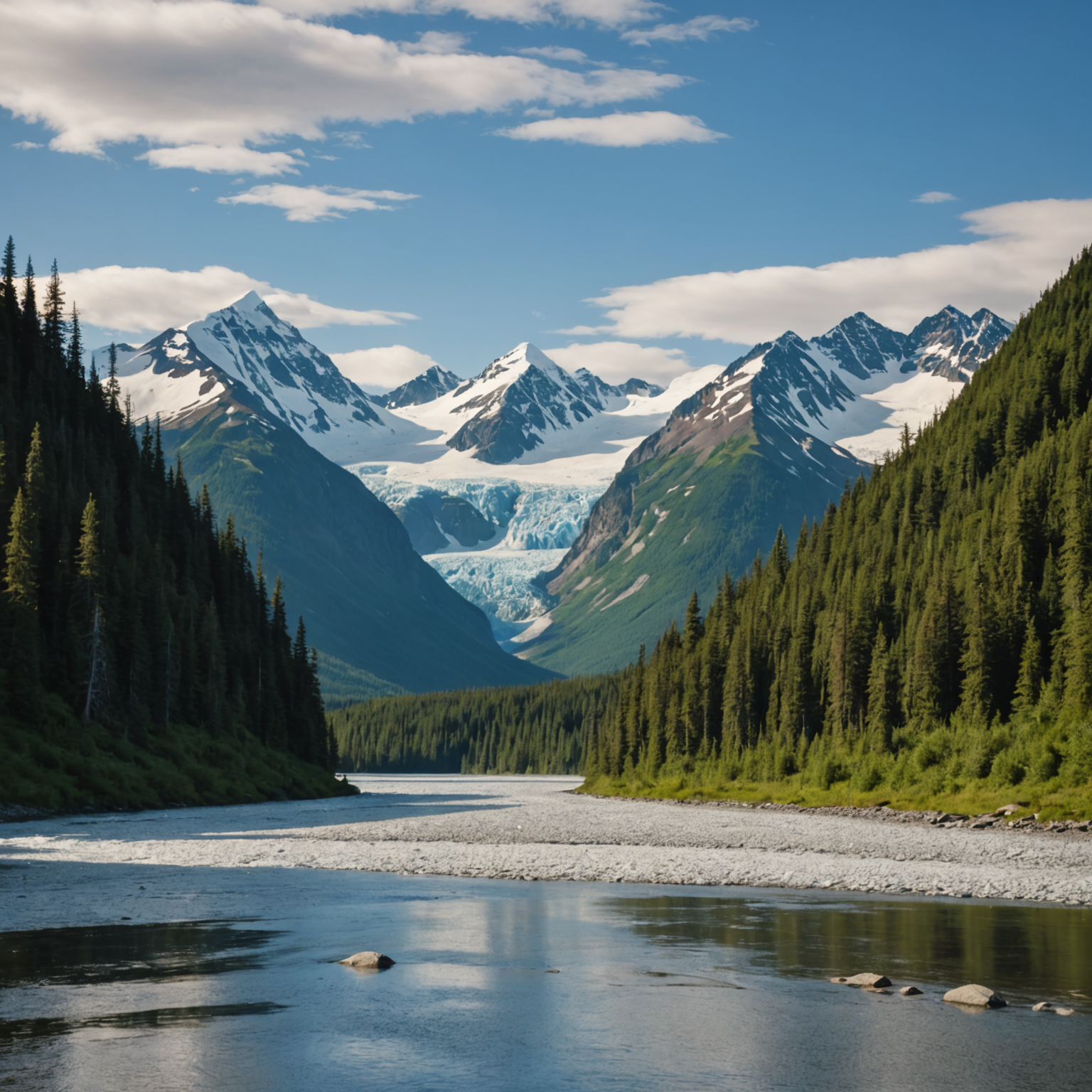
Glacial blue ice in Alaska is a natural wonder that captivates visitors with its ethereal beauty and scientific intrigue. By understanding its formation, exploring the best viewing locations, and adhering to safety and conservation guidelines, you can fully appreciate this extraordinary feature of the Alaskan landscape. As you plan your journey, consider extending your adventure to include the diverse activities and experiences that Alaska has to offer.
FAQ
What causes the blue color in glacial ice?
The blue color in glacial ice is caused by the dense ice’s ability to absorb all colors of the light spectrum except blue, which it reflects.
Where is the best place to see glacial blue ice in Alaska?
Some of the best places to see glacial blue ice include Mendenhall Glacier, Kenai Fjords National Park, Glacier Bay National Park, and Worthington Glacier.
Are guided glacier tours available year-round?
Most guided tours are available in the summer months when conditions are safest for exploration. Winter tours may be available but are dependent on weather conditions.
How can I prepare for a glacier tour in Alaska?
Preparation includes dressing in layers, wearing sturdy boots, and bringing rain gear. It’s also important to check weather forecasts from reliable sources like the National Weather Service.
Is it safe to walk on glaciers?
Walking on glaciers can be dangerous without a guide due to hidden crevasses and unstable ice. Always opt for a guided tour to ensure safety.
How does climate change impact Alaska’s glaciers?
Climate change accelerates the melting and retreat of glaciers, affecting ecosystems and contributing to rising sea levels.
Can I combine a glacier tour with other activities in Alaska?
Yes, many visitors combine glacier tours with activities such as dog sledding. Snowhook Adventures offers insights into dog sledding experiences in Alaska.
What should I do to minimize my environmental impact when visiting glaciers?
Follow Leave No Trace principles, stay on designated paths, and avoid disturbing wildlife to minimize your environmental impact.