Introduction
Alaska, with its vast wilderness and serene landscapes, is one of the most incredible places on Earth to witness the Northern Lights. Known scientifically as the aurora borealis, the Northern Lights offer a mesmerizing display of vibrant colors dancing across the night sky. However, to truly experience this natural phenomenon at its best, timing is crucial. This article will guide you on the best time to go to Alaska for Northern Lights viewing, ensuring an unforgettable adventure.
Understanding the Northern Lights
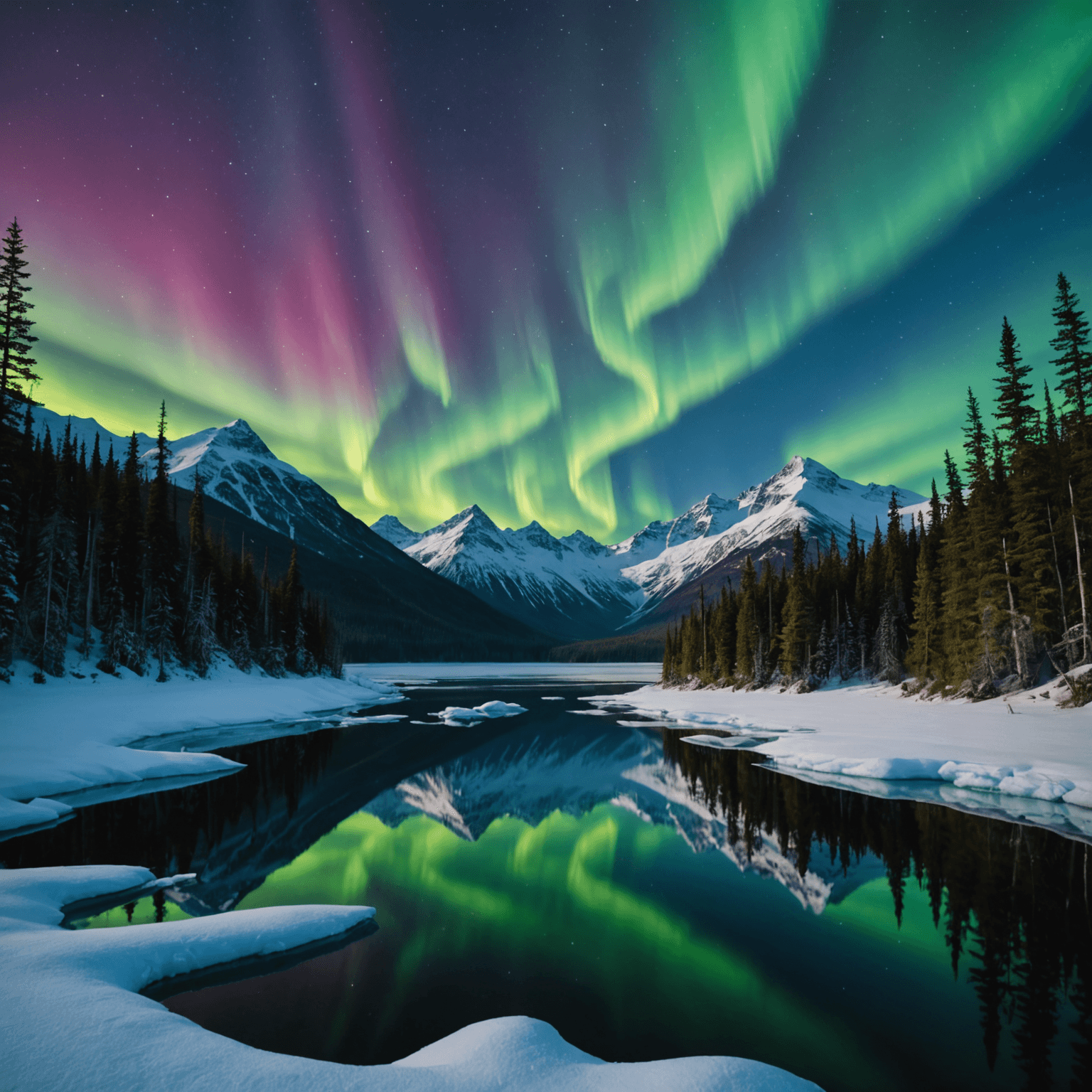
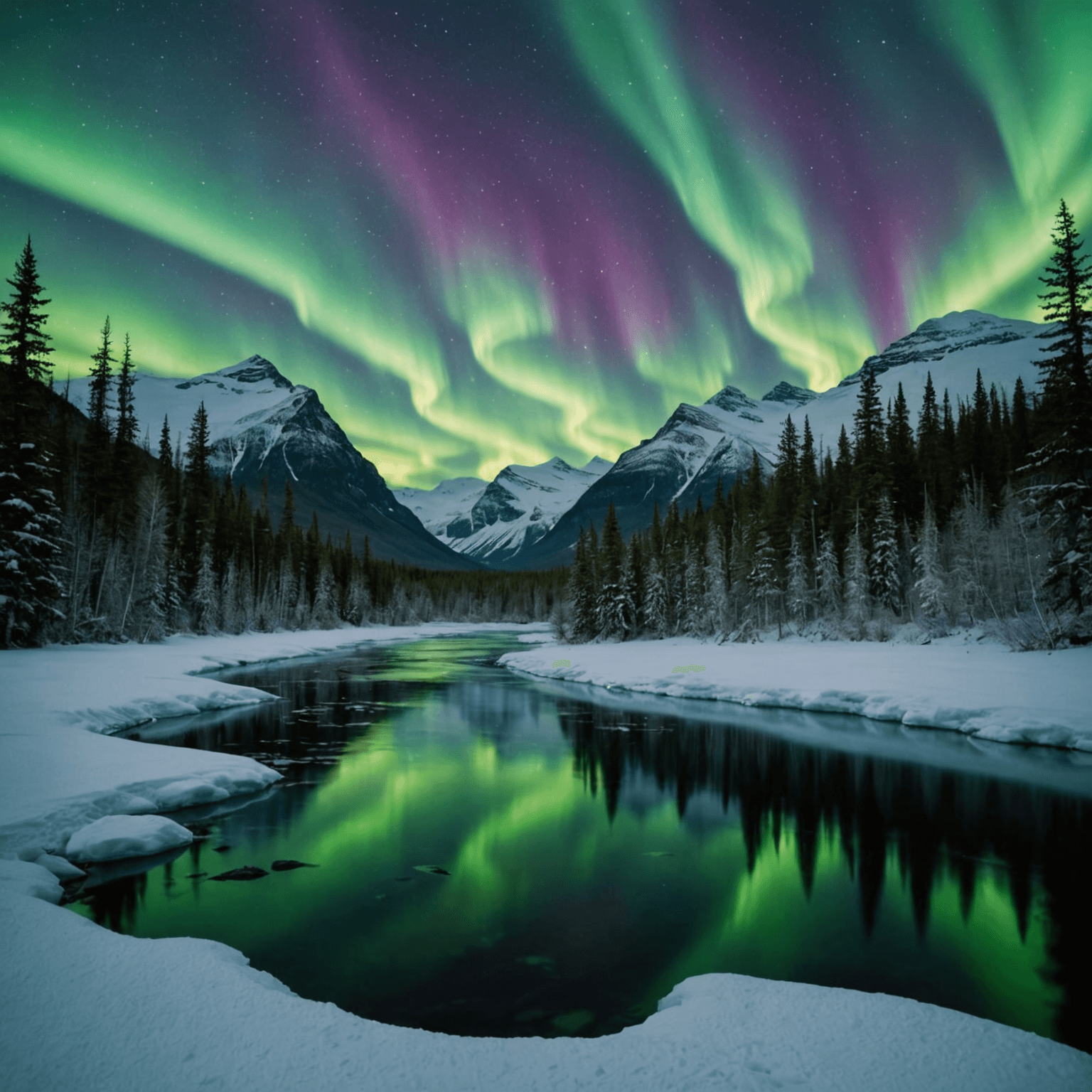
The Northern Lights are the result of collisions between gaseous particles in the Earth’s atmosphere and charged particles released from the sun. The colors of the aurora vary depending on the type of gas particles involved. For instance, the most common green auroras are produced by oxygen molecules located about 60 miles above the Earth. Understanding this phenomenon helps in appreciating the best times and places to observe it.
Best Time to Go to Alaska for Northern Lights
The optimal time to witness the Northern Lights in Alaska is during the winter months, from late September to early April. During this period, the nights are longer, providing a dark canvas essential for observing the aurora. Here are some considerations for planning your trip:
Autumn (Late September to November)
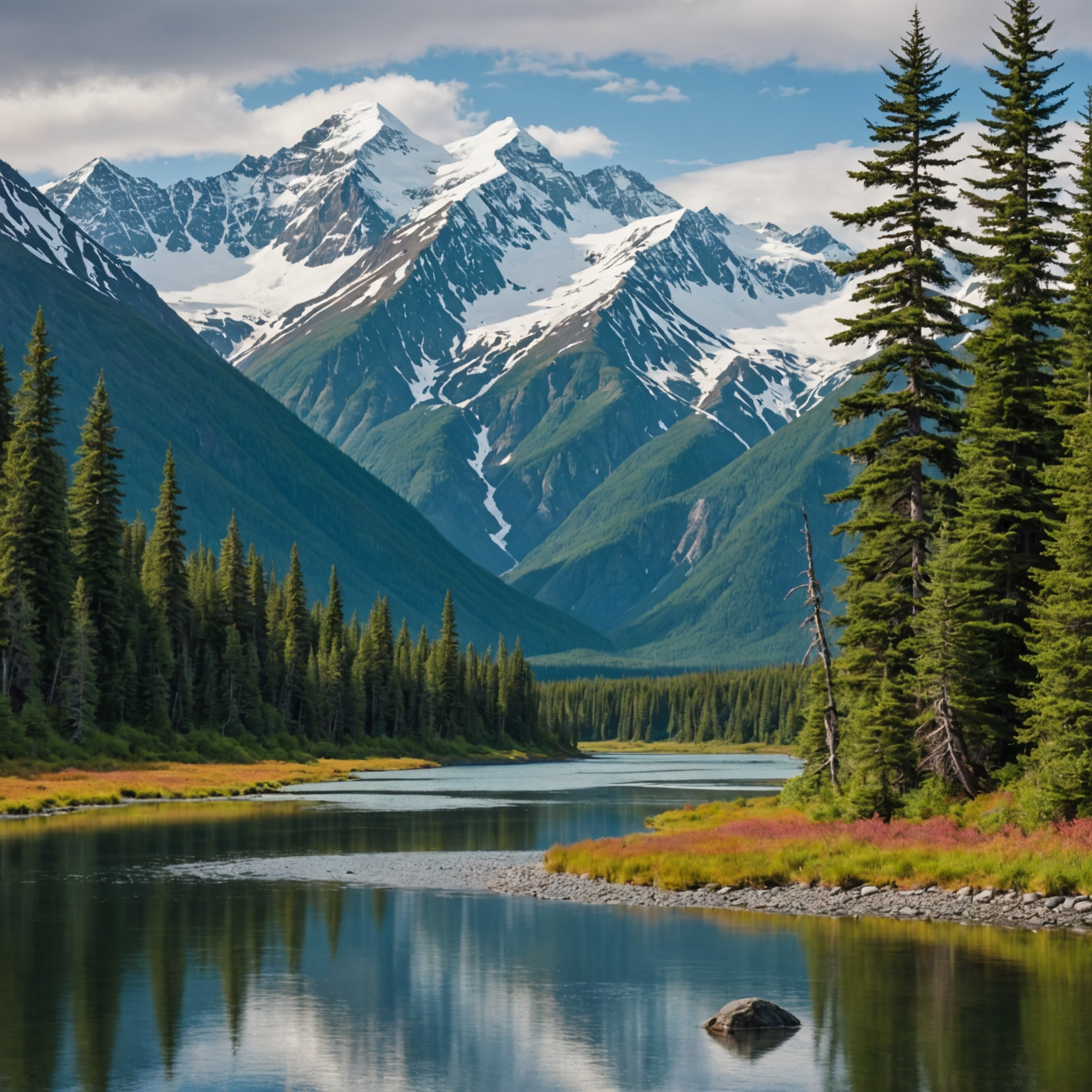
Autumn is an excellent time to catch the Northern Lights in Alaska. The nights start getting longer, and the weather is not as harsh as it is in the depth of winter. This period also offers the chance to enjoy Alaska’s stunning fall foliage. Consider exploring popular locations such as Fairbanks or Denali National Park during this time. For more information on planning an autumn adventure, visit Travel Alaska.
Winter (December to February)
Winter is the peak season for Northern Lights viewing in Alaska. The long, dark nights increase your chances of witnessing the aurora. Although temperatures can be extreme, the experience is unparalleled. Many visitors choose to stay in Fairbanks, known for its clear skies and frequent aurora displays. For a complete winter adventure, including snowmobiling, check out Snowhook Adventures’ Alaska Snowmobile Tours.
Early Spring (March to Early April)
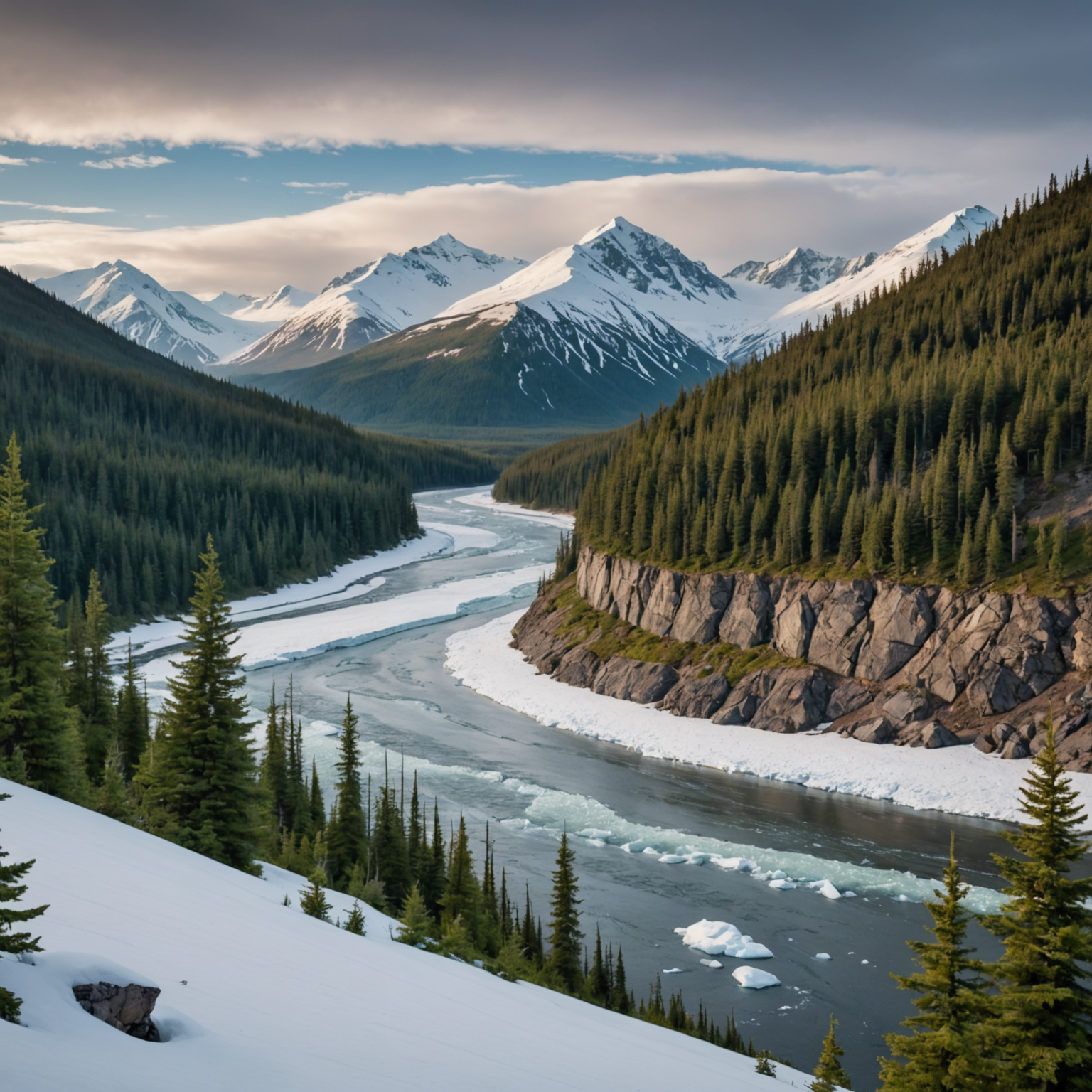
Early spring is another favorable time for Northern Lights viewing. The weather starts to warm slightly, and the days begin to lengthen. This period often features clear skies, providing excellent opportunities for aurora sightings. For those interested in a comprehensive Alaskan experience, including dog sledding and helicopter tours, explore the 3D2N Midnight Sun ATV Sunrise & Dog Sled Adventure.
Best Locations in Alaska for Northern Lights
While timing is crucial, choosing the right location is equally important. Here are some of the best places in Alaska to experience the Northern Lights:
Fairbanks
Fairbanks is often considered the best place in Alaska to view the aurora borealis. Its interior location provides clear skies, and its aurora season stretches from late August to April. Fairbanks is home to many tour operators who offer Northern Lights viewing packages.
Anchorage
While not as renowned as Fairbanks, Anchorage offers great opportunities to see the Northern Lights, especially when the aurora activity is strong. The city’s proximity to wilderness areas makes it easy to find dark skies away from city lights.
Denali National Park
Denali National Park is not only famous for its stunning landscapes and wildlife but also for Northern Lights viewing. The park offers an unpolluted, dark sky perfect for aurora photography. For visitors planning a trip to Denali, check out the Denali Glacier Snowmobile Adventure.
Factors Influencing Northern Lights Viewing
Several factors can affect your chances of seeing the Northern Lights:
Weather Conditions
Clear skies are essential for viewing the aurora. Check the National Weather Service for accurate forecasts before planning your viewing.
Solar Activity
Solar activity dictates the strength and frequency of auroras. Monitoring the Aurora Forecast can help predict the best nights for viewing the Northern Lights.
Light Pollution
Avoid areas with significant light pollution. Venture into more remote locations where city lights won’t interfere with the natural display.
Conclusion
The best time to go to Alaska for Northern Lights viewing is during the winter months, from late September to early April. By choosing the right time and location, and keeping an eye on weather and solar activity, you can maximize your chances of experiencing this breathtaking natural wonder. Whether you choose to explore Fairbanks, Anchorage, or Denali, Alaska promises an unforgettable adventure under the aurora-filled skies.
FAQ
What is the best month to see the Northern Lights in Alaska?
The best months are from late September to April, with December to February being the peak season.
Can you see the Northern Lights in Alaska during the summer?
No, the summer months in Alaska have extended daylight hours, making it difficult to see the Northern Lights.
How long do the Northern Lights last each night?
The duration can vary, but the lights typically appear for several hours. However, intense displays can last only a few minutes.
Is Fairbanks the best place to see the Northern Lights in Alaska?
Fairbanks is one of the top locations due to its clear skies and favorable geographic position.
Do I need special equipment to photograph the Northern Lights?
A DSLR camera with a tripod and wide-angle lens is recommended for capturing the aurora effectively.
Are there guided tours for Northern Lights viewing in Alaska?
Yes, many operators offer guided tours. Check out Snowhook Adventures’ Northern Lights Adventures for an organized experience.
Can weather affect the visibility of the Northern Lights?
Yes, cloudy skies can obscure the Northern Lights, so clear weather is ideal for viewing.
What should I wear when viewing the Northern Lights in Alaska?
Dress warmly in layers, as temperatures can be extremely cold, especially during the peak winter months.