Introduction
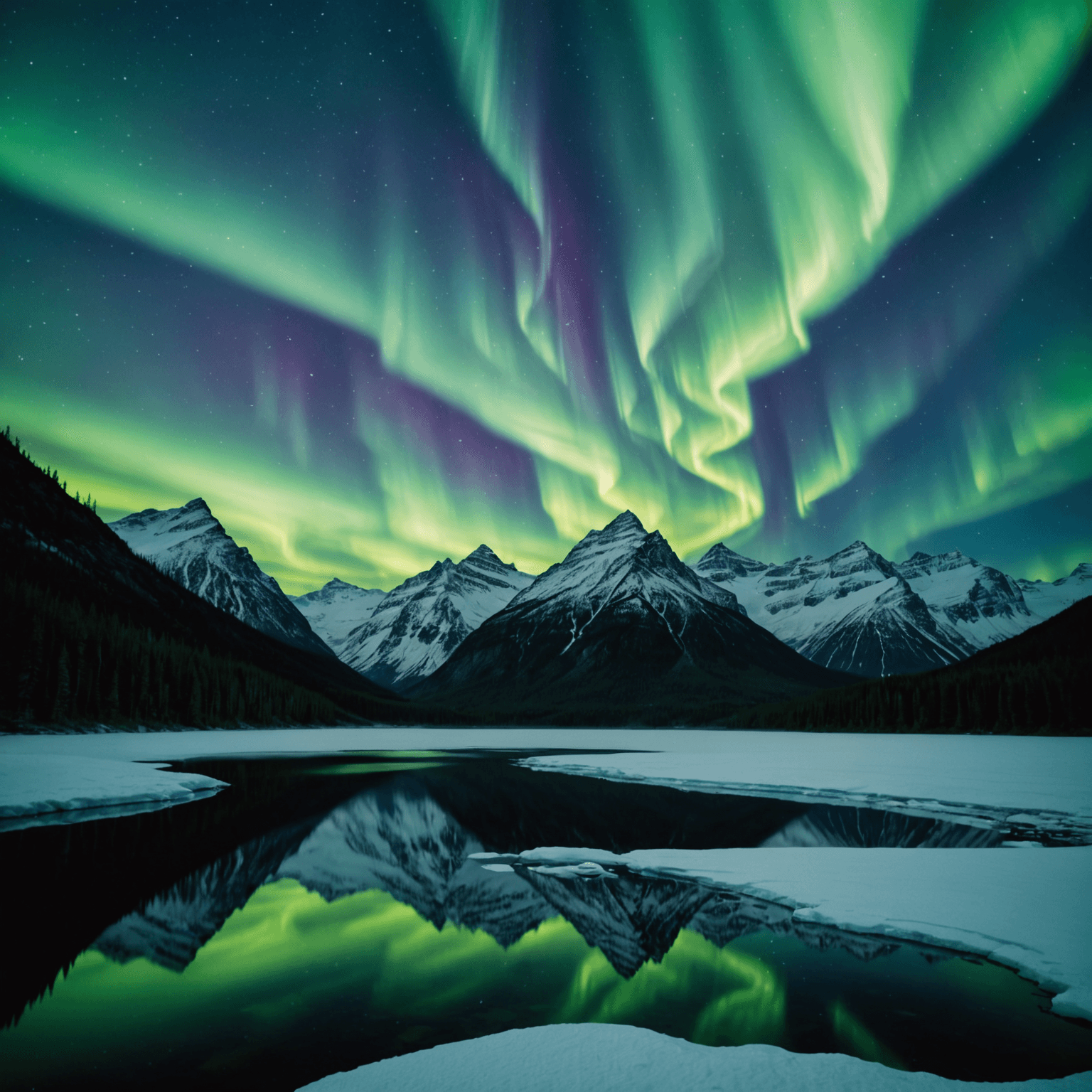
The aurora borealis, also known as the northern lights, is one of nature’s most breathtaking displays. This celestial phenomenon paints the sky with vibrant colors, captivating onlookers with its beauty. But when do you see aurora borealis at its brightest? Understanding the conditions and timing for peak aurora shows can enhance your chances of witnessing this incredible spectacle. In this guide, we’ll explore the best times and locations to experience the aurora borealis in all its glory.
[spronix_cta key=”northern-lights-adventures”]
Optimal Times to See the Aurora Borealis
Seasonal Patterns
The aurora borealis is most visible during the months of September through March, with peak activity often occurring in the winter months. This period aligns with the long, dark nights in the auroral zone, which includes regions like Alaska, Canada, Scandinavia, and Russia. The absence of sunlight during these months allows the lights to shine more vividly against the night sky.
During the equinoxes in March and September, geomagnetic activity tends to increase, creating more frequent and intense aurora displays. This makes these months ideal for planning your aurora-viewing adventures.
Best Nighttime Hours
To maximize your chances of seeing the aurora borealis, plan to be outside between 10 PM and 2 AM local time. This window is typically when auroral activity peaks. However, the lights can appear at any time during the night, so maintaining a flexible schedule and being prepared to stay up late can be beneficial.
Geomagnetic Activity
Geomagnetic storms, caused by solar wind disturbances, play a significant role in the intensity and frequency of aurora displays. Monitoring geomagnetic activity through resources like the Aurora Forecast can help you anticipate when the lights will be most visible. Websites like Space Weather and the NOAA offer real-time data and forecasts to aid in your planning.
Ideal Locations for Viewing
Alaska
Alaska is renowned for its exceptional aurora borealis displays, particularly in regions like Fairbanks and Anchorage. The state’s clear skies and proximity to the auroral oval make it a prime location for witnessing the northern lights. For an unforgettable experience, consider exploring Alaska’s snowmobile tours or embarking on a Northern Lights adventure.
For more information on traveling to Alaska and planning your aurora-viewing trip, visit Travel Alaska and Alaska.org.
Scandinavia
Countries like Norway, Sweden, and Finland offer excellent opportunities to see the aurora borealis. Tromsø in Norway and Abisko in Sweden are particularly popular destinations due to their high latitude and frequent clear skies.
Canada
The northern regions of Canada, including the Yukon and the Northwest Territories, provide stunning aurora displays. Whitehorse and Yellowknife are well-known spots for aurora viewing, with numerous tours and accommodations catering to this natural wonder.
Russia
The Kola Peninsula in Russia is another fantastic location for aurora enthusiasts. Murmansk, the largest city in the Arctic Circle, serves as a gateway to exploring the nearby wilderness and experiencing the northern lights.
Preparing for Your Aurora Viewing Adventure
Dress Appropriately
Aurora viewing often involves spending extended periods outdoors in cold conditions. Dressing in layers, including thermal underwear, a warm coat, gloves, and a hat, is essential to stay comfortable while you wait for the lights to appear.
Plan for Safety
When venturing into remote areas for aurora viewing, it’s crucial to prioritize safety. Check weather conditions through reliable sources like the National Weather Service and ensure you have the necessary gear and supplies. Consider joining guided tours, such as the Denali Glacier Snowmobile Adventure, to enhance your safety and experience.
Capture the Moment
To photograph the aurora borealis, use a DSLR camera with manual settings. A tripod is essential for stability, and a wide-angle lens will help capture the full expanse of the lights. Experiment with different exposure times to achieve the desired effect.
Conclusion
Witnessing the aurora borealis at its brightest is a magical experience that requires careful planning and timing. By understanding the optimal seasons, monitoring geomagnetic activity, and choosing the right locations, you can increase your chances of enjoying this natural phenomenon. Whether you’re exploring the wilderness of Alaska or the snowy landscapes of Scandinavia, the northern lights promise a spectacle you’ll never forget.
[spronix_cta key=”northern-lights-adventures”]
FAQ
What causes the aurora borealis?
The aurora borealis is caused by charged particles from the sun colliding with gases in Earth’s atmosphere. These collisions produce the vibrant lights seen in the sky.
Can you see the aurora borealis every night?
While the aurora borealis can occur frequently, especially in high-latitude regions, it is not guaranteed every night. Cloud cover, solar activity, and light pollution can affect visibility.
Is there a specific time of year when the aurora borealis is more active?
Yes, the aurora borealis is typically more active during the equinox months of March and September, as well as throughout the winter months from September to March.
What are the best locations in Alaska to see the aurora borealis?
Fairbanks and Anchorage are among the best locations in Alaska for viewing the aurora borealis due to their location within the auroral zone and frequent clear skies.
How can I check the aurora forecast?
You can check the aurora forecast through websites like Aurora Forecast and Space Weather, which provide real-time data on geomagnetic activity.
Do I need special equipment to photograph the aurora borealis?
To photograph the aurora borealis, you’ll need a DSLR camera with manual settings, a tripod, and a wide-angle lens. Experimenting with different exposure times can help capture the best images.
What should I wear when watching the aurora borealis?
Dress warmly in layers, including thermal underwear, a warm coat, gloves, and a hat, as aurora viewing often involves standing outside in cold temperatures for extended periods.
Are there guided tours available for aurora viewing?
Yes, many locations offer guided tours for aurora viewing, such as the Northern Lights adventure tours in Alaska, which provide expert guidance and safety while enhancing your viewing experience.