Introduction
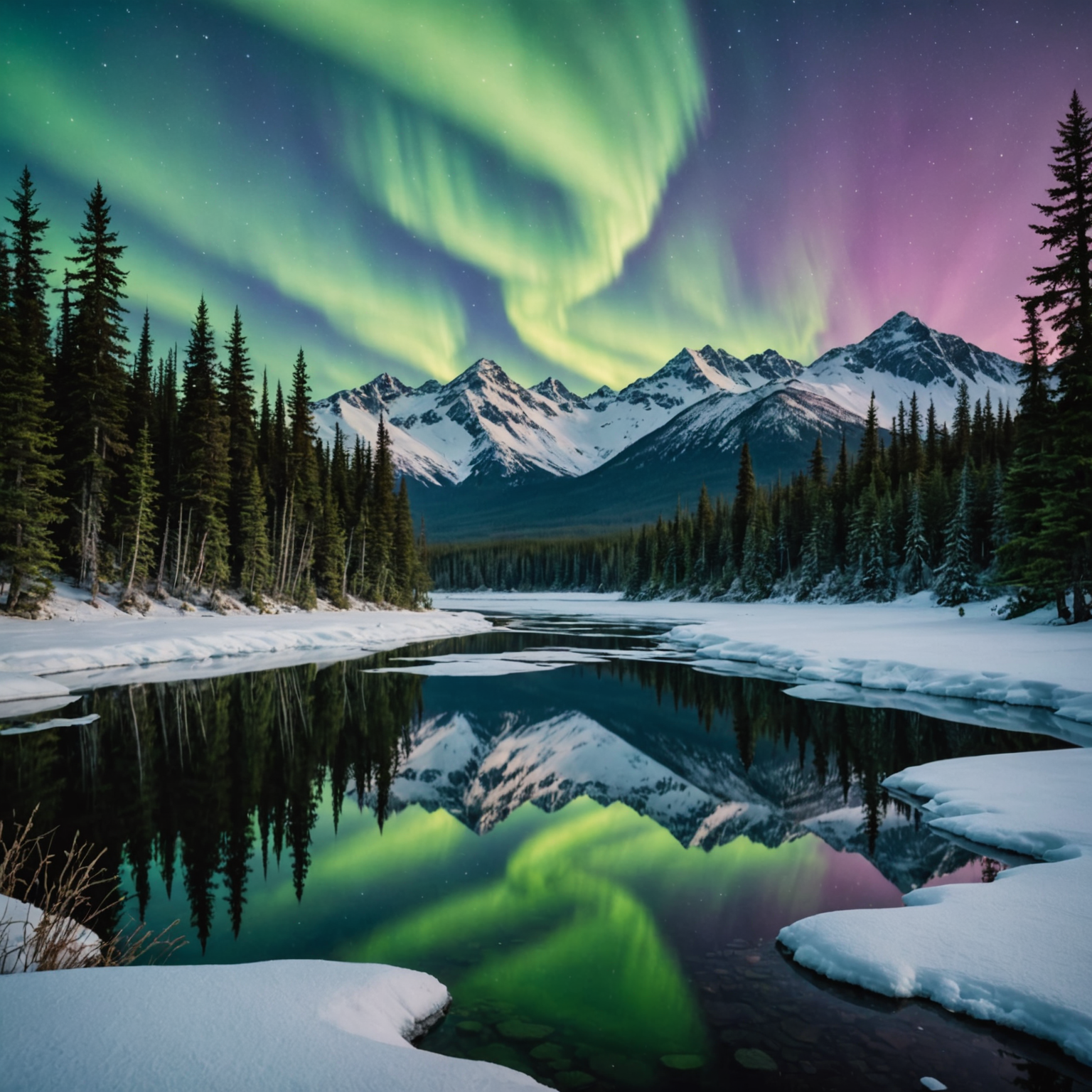
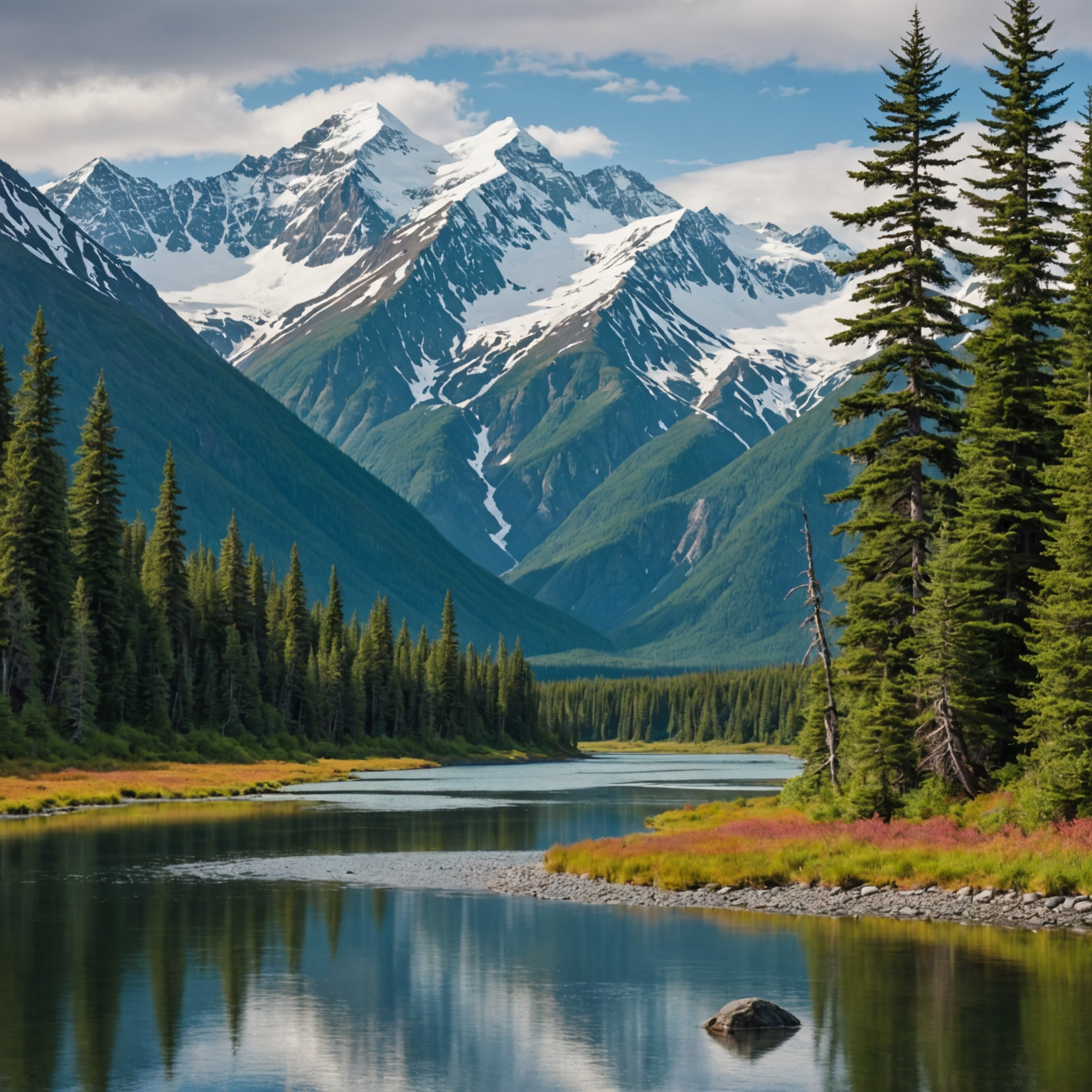
Nestled in the heart of the Chugach National Forest, Twentymile River in Alaska offers a breathtaking escape into the wild, untamed beauty of the Last Frontier. Known for its stunning landscapes, diverse wildlife, and exhilarating outdoor activities, Twentymile River is a prime destination for adventurers and nature enthusiasts alike. Whether you’re kayaking through its serene waters or taking in the panoramic views of snow-capped peaks, a visit to Twentymile River promises an unforgettable Alaskan experience.
[spronix_cta key=”winter-adventures”]
Exploring Twentymile River
Location and Access
Twentymile River is conveniently located approximately 40 miles southeast of Anchorage, Alaska. The river is easily accessible via the Seward Highway, making it a popular day trip destination for both locals and tourists. The drive itself is a journey through some of Alaska’s most picturesque landscapes, including lush forests and dramatic mountain vistas.
Activities on Twentymile River
Kayaking and Canoeing
One of the most popular activities on Twentymile River is kayaking. The river’s gentle currents and pristine waters make it ideal for both beginners and experienced paddlers. Kayakers can enjoy a peaceful glide along the river, with opportunities to spot local wildlife such as bears, moose, and a variety of bird species. For those seeking a guided experience, there are several tour operators offering kayak rentals and guided tours.
Wildlife Viewing
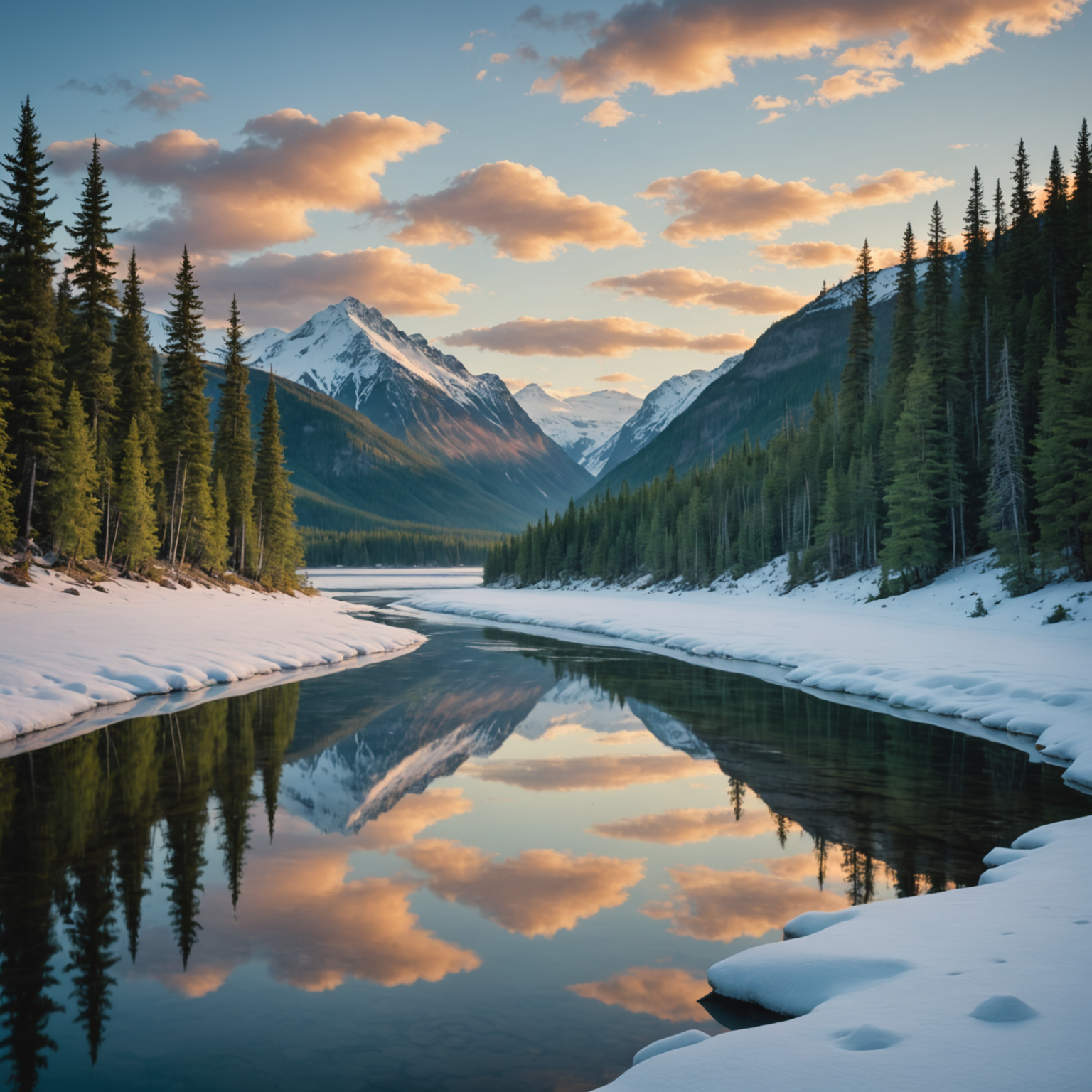
Twentymile River is a haven for wildlife enthusiasts. The surrounding Chugach National Forest provides a rich habitat for numerous species. Birdwatchers can expect to see bald eagles, ospreys, and a variety of waterfowl. The banks of the river are also frequented by mammals such as bears and moose, making it a prime spot for wildlife photography.
Scenic Beauty
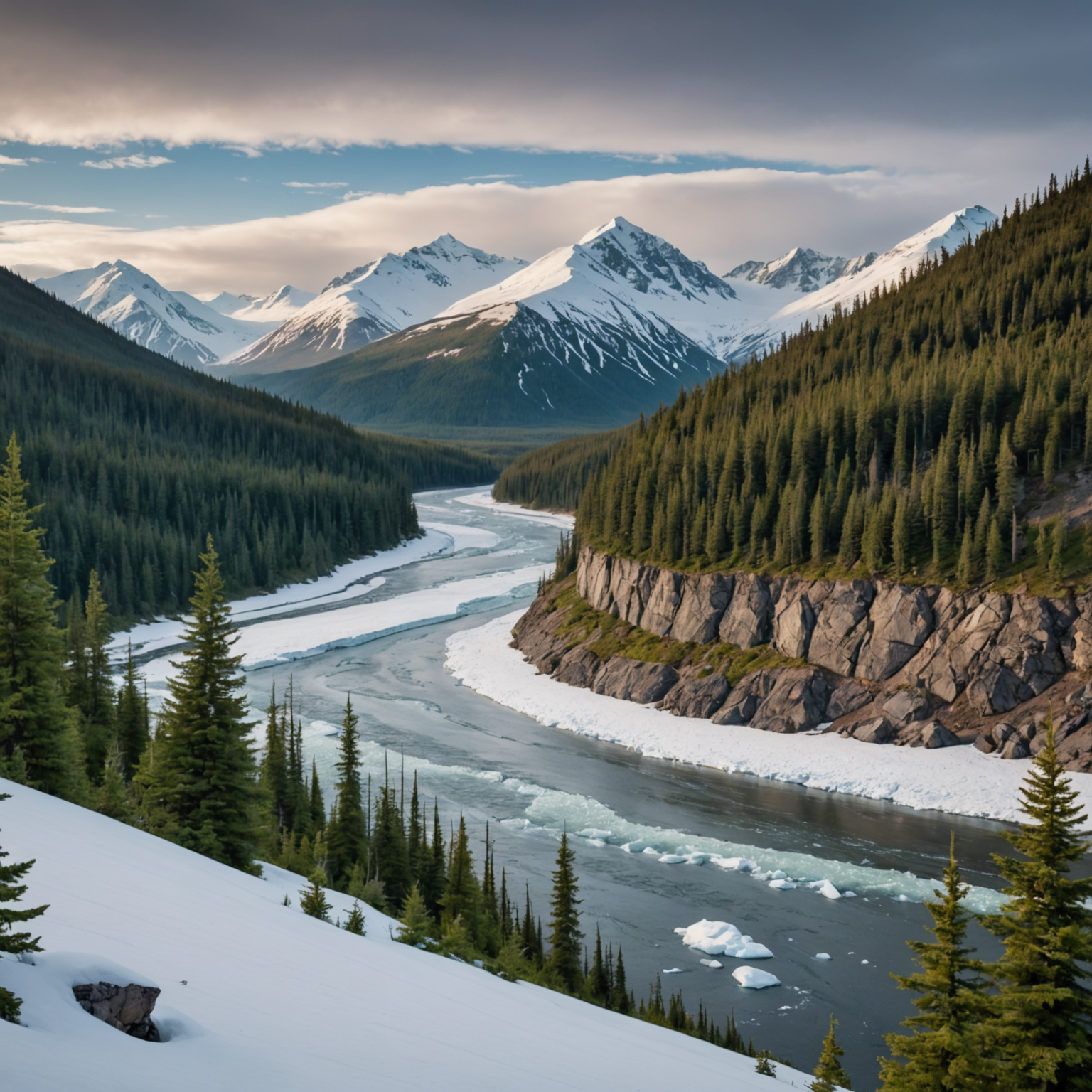
The natural beauty of Twentymile River is nothing short of spectacular. The river winds through lush forests, offering views of towering mountains and glaciers in the distance. Visitors can also explore nearby attractions such as the Portage Glacier and Whittier, both of which are accessible via short detours from the main route. For those interested in exploring more of Alaska’s stunning landscapes, check out must-see places in Alaska.
Safety and Preparation
When planning a trip to Twentymile River, safety should be a top priority. Weather conditions in Alaska can change rapidly, so it’s essential to check the local weather forecast before heading out. Additionally, visitors should be aware of bear safety tips and other wildlife precautions. It’s also advisable to wear appropriate gear, such as life jackets and waterproof clothing, especially when engaging in water activities.
Conclusion
Twentymile River offers an extraordinary blend of adventure and natural beauty, making it a must-visit destination for anyone traveling to Alaska. Whether you’re paddling through its calm waters or enjoying the stunning vistas, Twentymile River promises a memorable experience that captures the essence of Alaska’s wilderness. For more adventurous activities in Alaska, consider combining your trip with dog sledding and snowmobile tours.
[spronix_cta key=”winter-adventures”]
FAQ
What is the best time to visit Twentymile River?
The best time to visit Twentymile River is during the summer months, from June to August, when the weather is warmest and the river is most accessible.
Are there guided tours available for Twentymile River?
Yes, there are several tour operators that offer guided kayaking tours and wildlife viewing excursions on Twentymile River.
What wildlife can I expect to see at Twentymile River?
Visitors can expect to see a variety of wildlife, including bald eagles, ospreys, bears, and moose.
Do I need a permit to kayak on Twentymile River?
No, a permit is not required to kayak on Twentymile River, but it’s always a good idea to check with local authorities for any specific regulations.
Is Twentymile River suitable for beginner kayakers?
Yes, Twentymile River is suitable for beginner kayakers due to its gentle currents and calm waters.
How can I prepare for a visit to Twentymile River?
Preparation should include checking the weather forecast, bringing appropriate gear, and being aware of wildlife safety guidelines.