Introduction
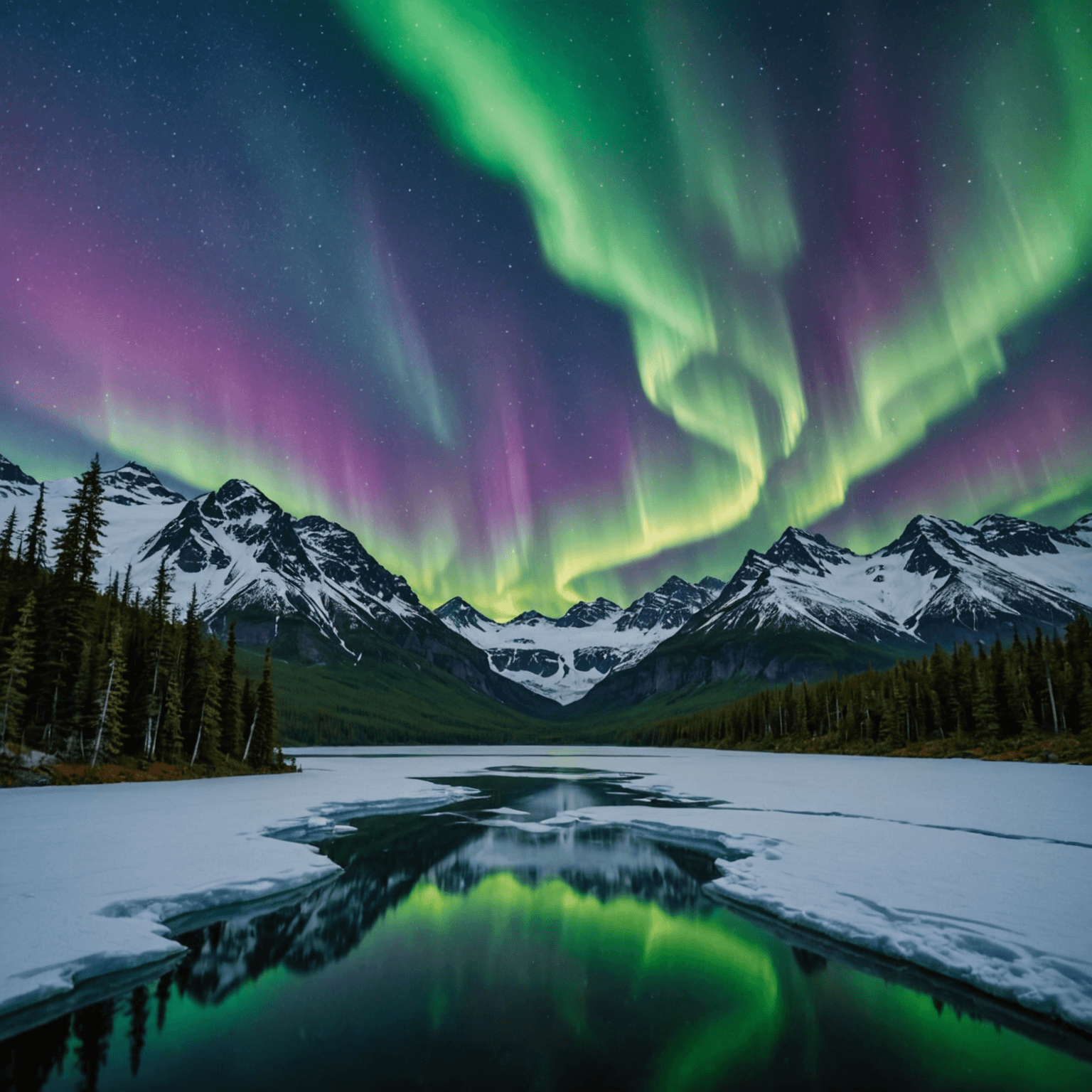
The Northern Lights, or aurora borealis, is one of nature’s most stunning phenomena, enchanting travelers and photographers alike. Observing the northern lights in winter offers a unique opportunity to witness this spectacle in its full glory. With the right planning and tips, you can maximize your chances of experiencing these ethereal lights. This guide will provide you with essential information on the best months, top spots, and practical tips for seeing the northern lights in winter, particularly in Alaska.
[spronix_cta key=”northern-lights-adventures”]
Best Time to See the Northern Lights in Winter
Months of Optimal Viewing
The northern lights are visible between late August and April, but the peak months are typically from December to March. During these months, the nights are longest and darkest, providing the best conditions for aurora viewing. According to NOAA, the chances of seeing the lights increase with longer nighttime hours and clearer skies.
Weather Considerations
Clear skies are crucial for aurora visibility. Winter in Alaska can be unpredictable, with frequent snowfalls and cloudy skies. To ensure the best viewing conditions, monitor the local weather forecasts and utilize aurora forecasts from services like the Geophysical Institute.
Top Spots for Aurora Viewing in Alaska
Fairbanks
Fairbanks is often considered the best place in Alaska to see the northern lights. Its location directly under the auroral oval and its relatively clear skies make it a prime spot for aurora hunters. The city also offers various aurora tours and activities to enhance your experience.
Denali National Park
Denali National Park offers an untouched landscape that makes for a breathtaking backdrop to the northern lights. While visiting, consider other winter activities like dog sledding or snowshoeing. For more information on Denali, visit Discover Denali.
Talkeetna
Talkeetna is a charming town that provides excellent viewing opportunities and is less crowded than larger tourist destinations. It’s a great choice for travelers looking for a more intimate experience. The Talkeetna Chamber of Commerce offers additional resources for planning your visit.
Practical Tips for Aurora Viewing
Dress Appropriately
Winter temperatures in Alaska can plummet, so dressing in layers is essential. Insulated jackets, thermal underwear, hats, gloves, and boots are necessary to keep warm during long periods outside.
Choose the Right Tour
Consider joining an aurora tour for a guided experience. These tours often provide transport to prime viewing spots and include amenities such as heated shelters. Check out the Glacier Northern Lights Adventure for a unique tour option.
Capture the Moment
For photography enthusiasts, capturing the northern lights can be challenging yet rewarding. Use a tripod, long exposure settings, and a wide-angle lens for the best results. Many tours offer photography tips and workshops.
Supporting Activities
Dog Sledding and Snowmobiling
Combine your aurora viewing with other exciting winter activities like dog sledding or snowmobiling. For a unique adventure, explore the Dog Sled & Snowmobile Combo.
Stay at a Lodge
Consider staying at a remote lodge to increase your chances of seeing the lights without city light pollution. The Snowhook Lodge offers cozy accommodations with easy access to outdoor activities.
Conclusion
Seeing the northern lights in winter is a magical experience that requires a bit of planning and patience. By choosing the right time, location, and activities, you can enhance your chances of witnessing this natural wonder. Whether you are a first-time visitor or a seasoned aurora chaser, Alaska offers unparalleled opportunities for unforgettable memories.
[spronix_cta key=”northern-lights-adventures”]
FAQ
What is the best month to see the northern lights in winter?
The best months to see the northern lights in winter are from December to March, when the nights are longest and the skies are darkest.
Where is the best place in Alaska to see the northern lights?
Fairbanks is widely regarded as the best place to see the northern lights in Alaska due to its favorable geographic location and clear skies.
How can I increase my chances of seeing the northern lights?
To increase your chances, monitor weather and aurora forecasts, choose locations with minimal light pollution, and consider joining a guided tour.
What should I wear to watch the northern lights in winter?
Dress in layers with thermal underwear, insulated jackets, hats, gloves, and boots to stay warm during extended periods outdoors.
Can I see the northern lights without a tour?
Yes, you can see the northern lights without a tour, but a guided tour can provide expert knowledge, access to prime viewing spots, and additional amenities.
What equipment do I need for photographing the northern lights?
A tripod, a camera with manual settings, a wide-angle lens, and a warm battery backup are essential for capturing high-quality images of the aurora.
Are there other activities I can do while waiting for the northern lights?
Yes, activities such as dog sledding, snowmobiling, and exploring local lodges can complement your aurora viewing experience. Consider the Winter Experience Adventure Tour for more options.