Introduction
Planning an Alaska Northern Lights trip is a dream for many travelers seeking to witness one of nature’s most mesmerizing phenomena. Known scientifically as the aurora borealis, the Northern Lights offer a dazzling display of colors dancing across the skies. Alaska provides some of the best opportunities to view this natural wonder, thanks to its location within the auroral oval, where the lights are most frequently visible. This guide will help you plan your Alaska Northern Lights adventure, covering the best routes, ideal months for viewing, essential gear, and photography tips to make your experience unforgettable.
[spronix_cta key=”northern-lights-adventures”]
Best Time to Visit
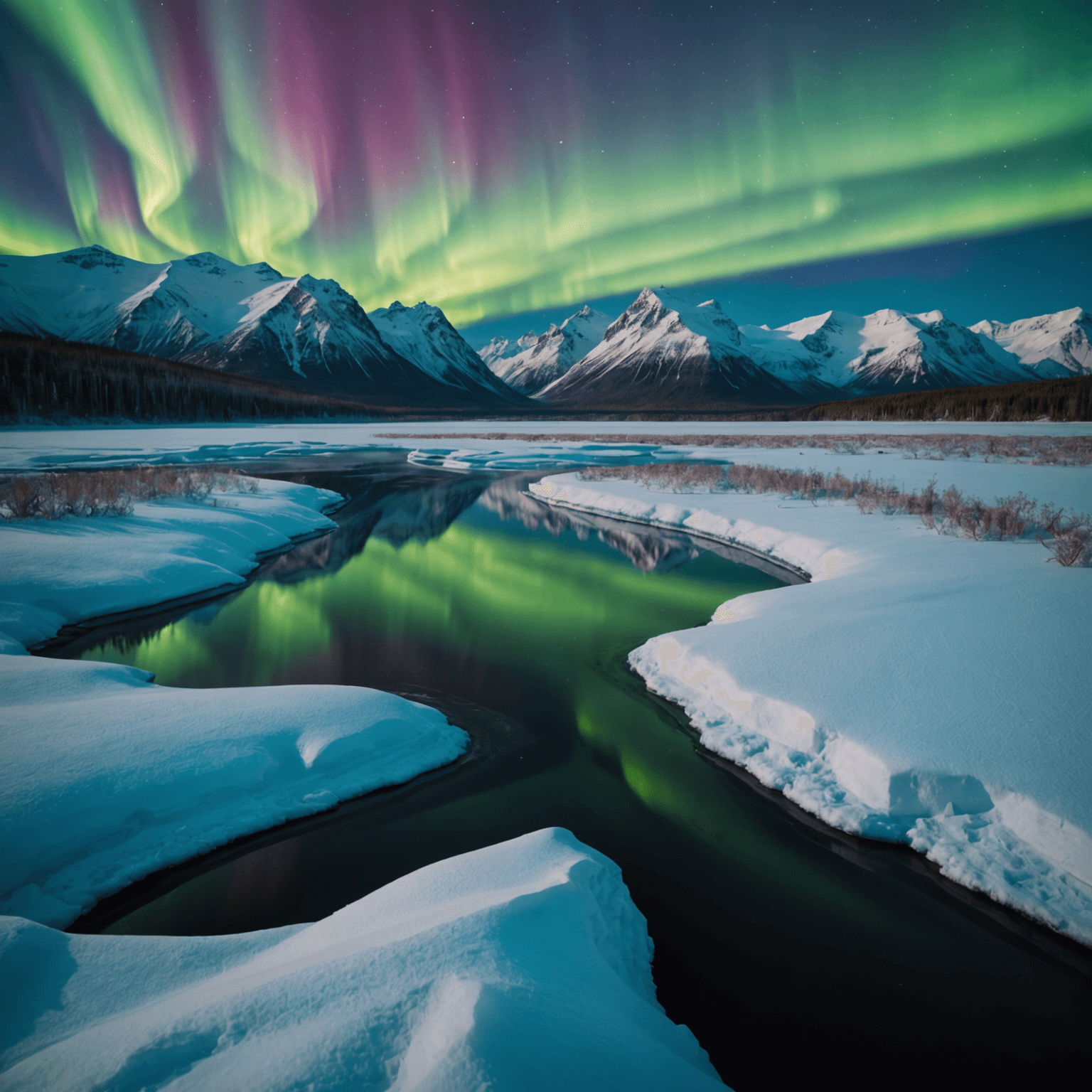
The Northern Lights are visible in Alaska from late August to April, with peak activity typically occurring between December and March. During these months, the nights are longest, providing ample opportunities to catch sight of the aurora. For real-time aurora forecasts, the Geophysical Institute offers valuable insights into solar activity that predicts auroral displays.
Top Locations for Viewing
Fairbanks
Fairbanks is one of the most popular locations for an Alaska Northern Lights trip. Its location under the auroral oval and relatively mild weather make it ideal for viewing. Visitors can take advantage of guided tours that offer insights into the best viewing spots.
Denali National Park
Denali National Park offers a stunning backdrop of mountains and wilderness. While visiting, consider exploring the park during the day with a Denali Glacier Snowmobile Adventure to complement your nighttime aurora viewing.
Anchorage
Anchorage is another great base for Northern Lights enthusiasts. While not as optimal as Fairbanks, the city offers convenience and a variety of custom tours that can take you to prime viewing locations outside the city lights.
Planning Your Route
When planning your Alaska Northern Lights trip, consider a route that includes multiple locations to increase your chances of seeing the aurora. A popular itinerary is to fly into Anchorage, explore Denali, and then head north to Fairbanks. This route not only maximizes your viewing opportunities but also allows you to experience the diverse landscapes of Alaska.
Essential Gear Checklist
Clothing
Alaskan winters can be harsh, so dressing appropriately is crucial. Layering is key:
- Base Layer: Moisture-wicking thermal wear
- Middle Layer: Insulating fleece or wool
- Outer Layer: Waterproof and windproof jacket and pants
- Accessories: Warm hat, gloves, and thermal socks
Other Essentials
- Camera Equipment: A DSLR or mirrorless camera with a wide-angle lens and tripod is essential for capturing the aurora.
- Headlamp: Useful for nighttime activities, allowing hands-free operation.
- Portable Charger: Cold weather can drain batteries quickly, so keep your electronics charged.
For those interested in more adventurous activities, consider booking an Alaska Snowmobile Tour, which provides both the thrill of exploration and potential aurora sightings.
Photography Tips
Capturing the Northern Lights requires some photography skills:
- Use Manual Mode: Set your camera to manual to control shutter speed, aperture, and ISO.
- Choose the Right Settings: A starting point is a shutter speed of 5-30 seconds, an aperture of f/2.8-f/4, and an ISO of 800-3200.
- Stability is Key: Use a sturdy tripod to keep your camera steady for long exposures.
- Practice Patience: The aurora can be elusive, so patience and persistence are necessary.
Conclusion
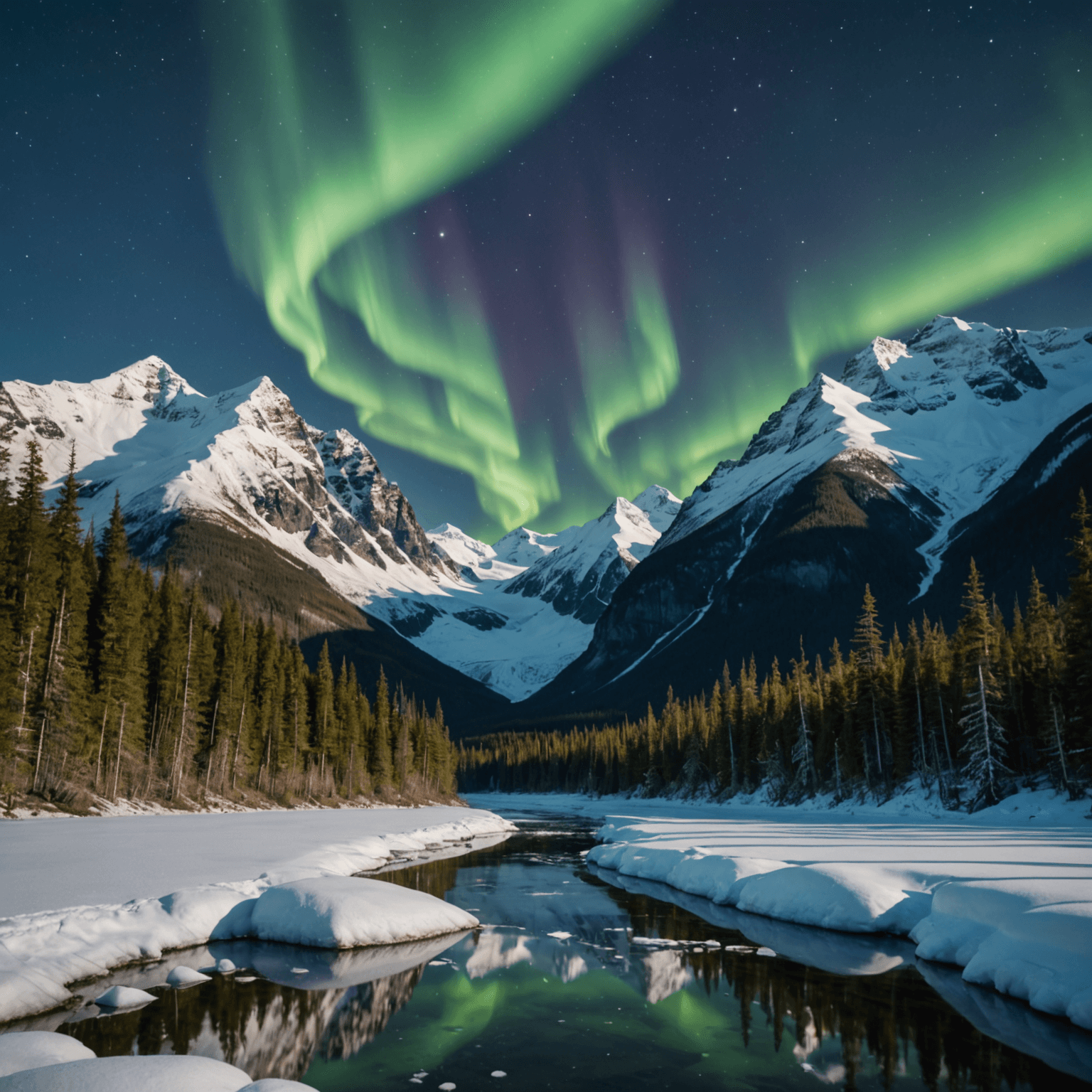
Planning an Alaska Northern Lights trip is an adventure that promises unforgettable memories. By choosing the right time, locations, and gear, you will significantly increase your chances of witnessing the magnificent aurora borealis. Whether you are an avid photographer or simply a nature enthusiast, the Alaskan wilderness offers a unique backdrop for this celestial spectacle. Consider complementing your trip with activities like dog sledding or snowmobiling to make the most of your Alaskan adventure.
[spronix_cta key=”northern-lights-adventures”]
FAQ
What is the best month to see the Northern Lights in Alaska?
The best months to view the Northern Lights in Alaska are from December to March, when the nights are longest and the skies are darkest.
Where can I see the Northern Lights in Alaska?
Top locations include Fairbanks, Denali National Park, and Anchorage. Each offers unique advantages for aurora viewing.
What should I wear for a Northern Lights trip in Alaska?
Dress in layers with a base layer of thermal wear, an insulating middle layer, and a waterproof outer layer. Don’t forget warm accessories like hats and gloves.
Can I see the Northern Lights from Anchorage?
Yes, although Fairbanks is more optimal due to its location under the auroral oval. Anchorage offers tours that can take you to darker skies nearby.
How do I photograph the Northern Lights?
Use a DSLR or mirrorless camera with manual settings. A tripod is essential, and starting settings include a 5-30 second shutter speed, an aperture of f/2.8-f/4, and an ISO of 800-3200.
Are there guided tours available for Northern Lights viewing?
Yes, there are many guided tours available in Alaska, offering expertise and transportation to prime viewing locations. Consider a Northern Lights Adventure for a comprehensive experience.
Do I need any special equipment for viewing the Northern Lights?
While no special equipment is needed to see the aurora, a camera and tripod are recommended for photography. A headlamp can also be helpful for nighttime navigation.
Is it possible to see the Northern Lights year-round?
No, the Northern Lights are visible from late August to April, with peak viewing during the winter months when the nights are longest.