Introduction
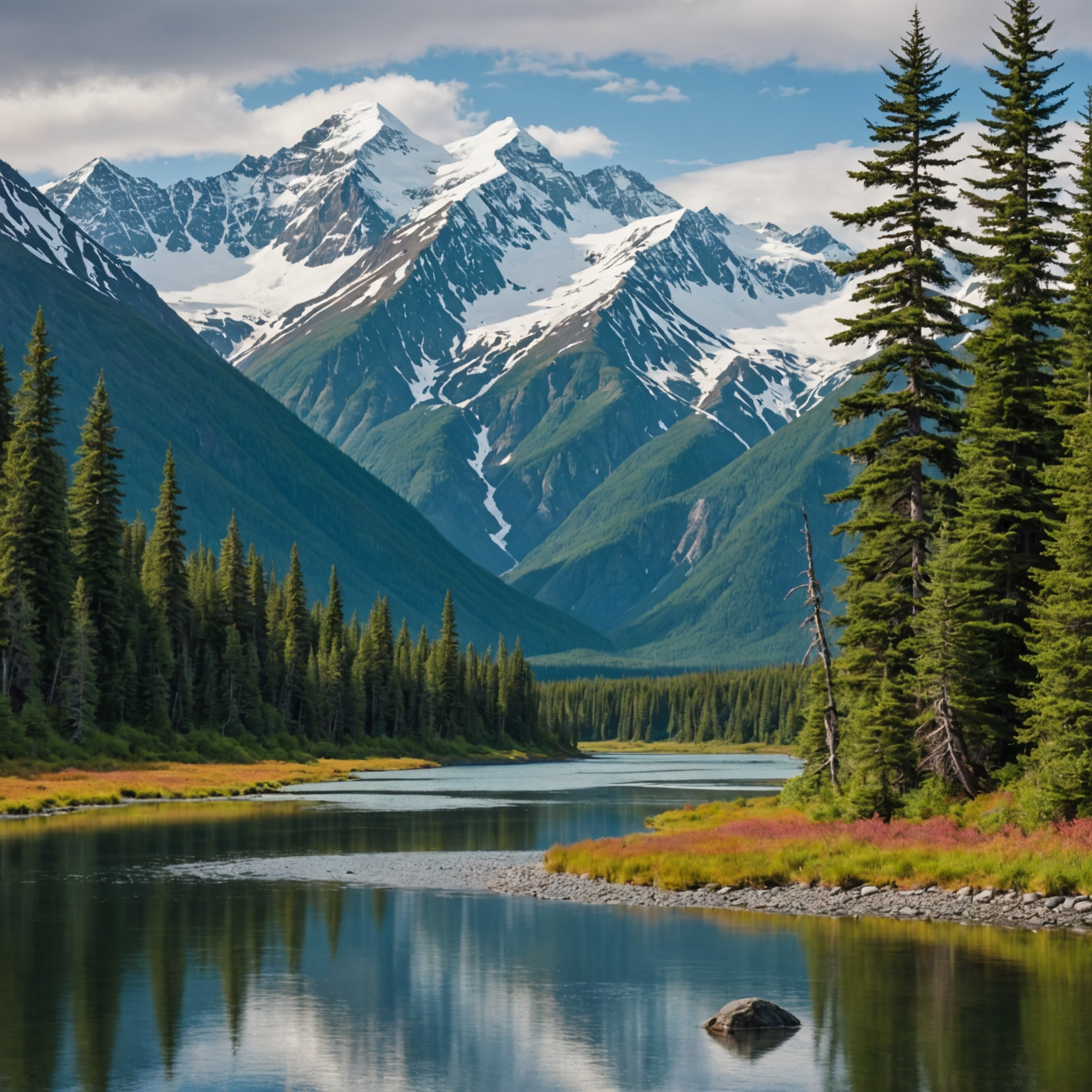
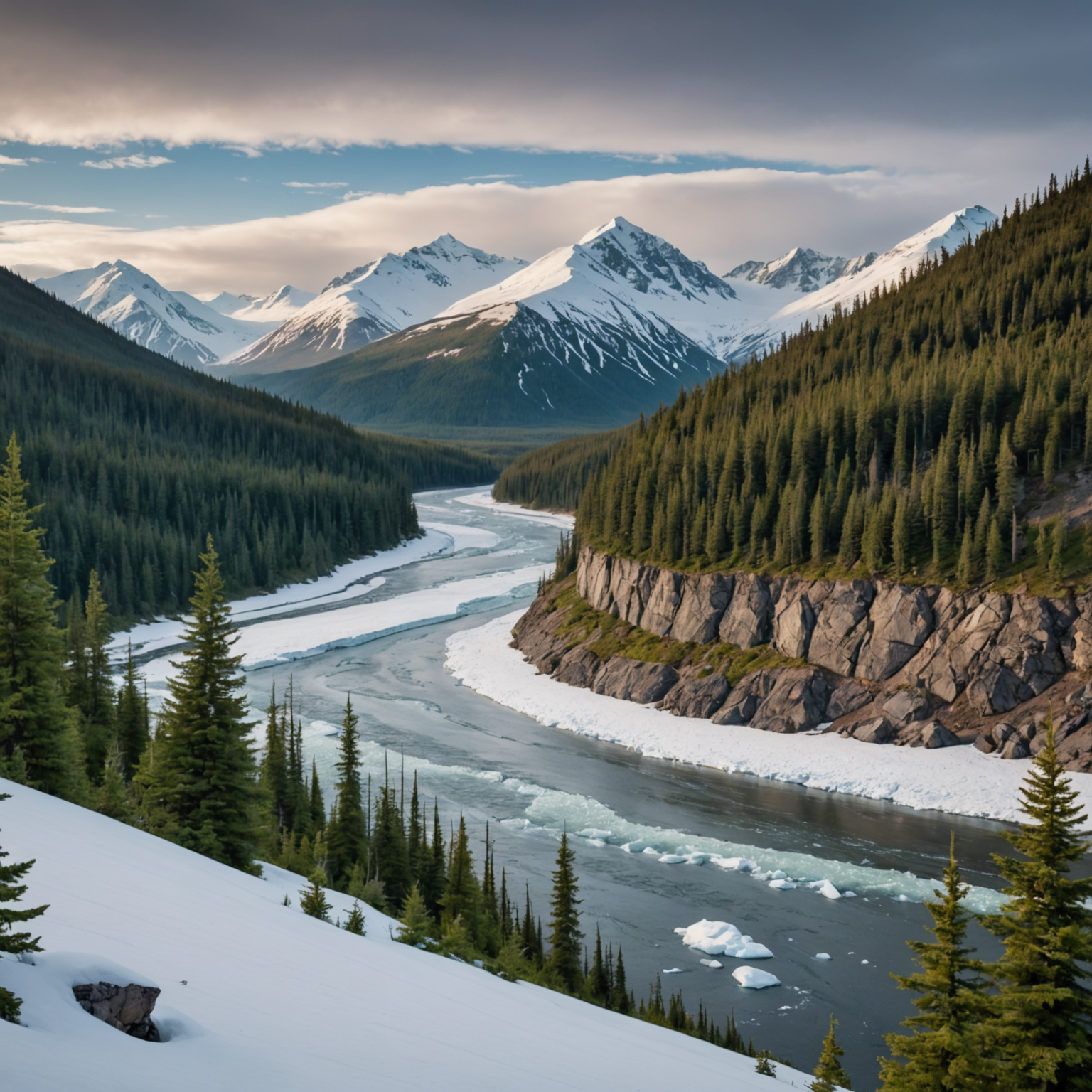
Capturing the majestic aurora borealis in Alaska is a dream for many photographers. With its breathtaking landscapes and clear, dark skies, Alaska offers the perfect backdrop for aurora borealis photography tours. However, photographing the northern lights requires more than just a good camera. From choosing the right location to understanding camera settings, there are several factors to consider. This comprehensive guide will provide you with valuable tips for making the most of your aurora borealis photography tour in Alaska.
[spronix_cta key=”northern-lights-adventures”]
Planning Your Aurora Borealis Photography Tour
Best Time to Visit
To increase your chances of witnessing the aurora borealis, timing is crucial. The best time to visit Alaska for aurora viewing is between late August and April. During these months, the nights are longer, providing ample opportunities to capture the vibrant colors of the aurora. It’s essential to monitor the aurora forecast regularly to plan your outings on nights with high auroral activity.
Choosing the Right Location
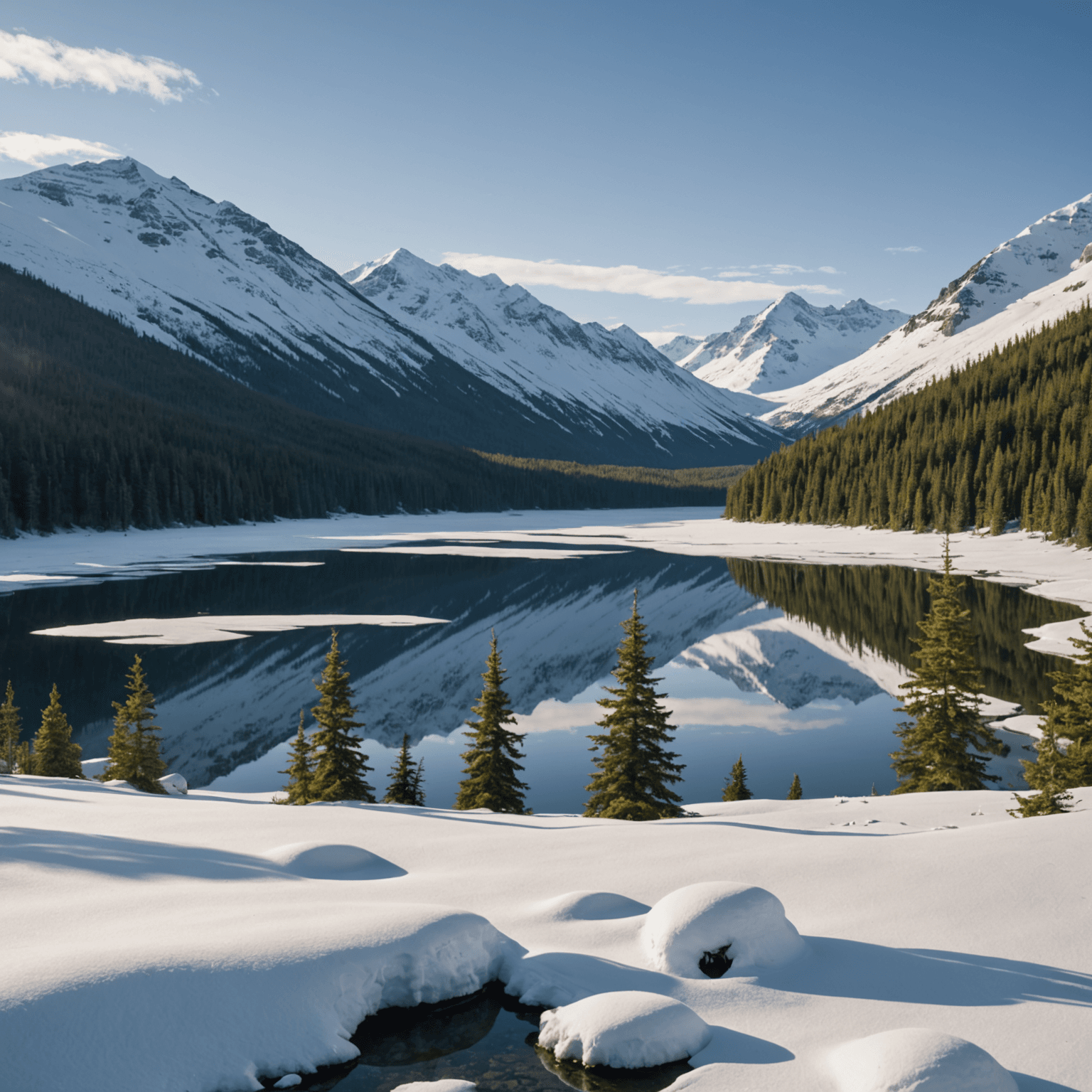
Alaska is home to numerous prime spots for aurora viewing. Fairbanks, located under the “auroral oval,” is often considered the best place for capturing the northern lights. Denali National Park and Preserve offers stunning landscapes along with dark skies, making it ideal for photographers. You can explore Denali or head to remote areas like Coldfoot or the Brooks Range for a more secluded experience. Ensure you check the weather conditions with the National Weather Service to avoid cloudy nights that could hinder your view.
Preparing for the Cold
Winter in Alaska can be extremely cold, especially at night. Dressing appropriately is crucial to ensure comfort while waiting for the aurora. Layering is key, along with wearing thermal clothing, insulated boots, and windproof outerwear. Hand warmers can also be a lifesaver for keeping your fingers warm while handling your camera.
Camera Equipment and Settings
Essential Equipment
For capturing the aurora borealis, a DSLR or mirrorless camera with manual settings is recommended. A wide-angle lens with a fast aperture (f/2.8 or lower) will help you capture more of the sky. A sturdy tripod is essential to keep your camera steady during long exposures. Consider bringing extra batteries, as cold temperatures can drain them quickly.
Camera Settings
Setting up your camera correctly is vital for successful aurora photography. Start with the following settings and adjust as necessary:
- ISO: Begin with an ISO setting between 800 and 1600. Increasing the ISO will make the camera more sensitive to light, but too high an ISO can introduce noise.
- Aperture: Use the widest aperture available (f/2.8 or lower) to allow more light into the camera.
- Shutter Speed: Experiment with shutter speeds between 5 and 25 seconds. The aurora can move quickly, so longer exposures may blur the lights.
- Focus: Manually focus your lens to infinity. Use live view to zoom in on a bright star or the moon to ensure sharp focus.
Post-Processing Tips
Post-processing can enhance the images you capture. Use software like Adobe Lightroom or Photoshop to adjust exposure, contrast, and color balance. Be cautious not to over-process your photos, as this can lead to unnatural-looking images.
Safety and Ethical Considerations
Staying Safe
When venturing out for aurora photography, safety should be a priority. Inform someone about your plans and expected return time. Carry a GPS device or a map to avoid getting lost in remote areas. Be aware of wildlife and familiarize yourself with bear safety guidelines provided by the Alaska Department of Fish and Game.
Respecting Nature
While capturing the beauty of the aurora, it’s crucial to leave no trace. Follow Leave No Trace principles to minimize your impact on the environment. Stay on designated paths and respect private property and wildlife.
Enhanced Tour Experiences
Guided Tours
Consider joining a guided aurora borealis photography tour for expert guidance and local insights. These tours often provide access to secluded, optimal viewing locations and can enhance your overall experience. Check out Northern Lights Adventures for customizable tour options.
Combining Adventures
Maximize your Alaskan adventure by combining your aurora photography tour with other activities. Explore multi-day tours or try a thrilling snowmobile adventure. These experiences offer unique perspectives of Alaska’s stunning wilderness.
Conclusion
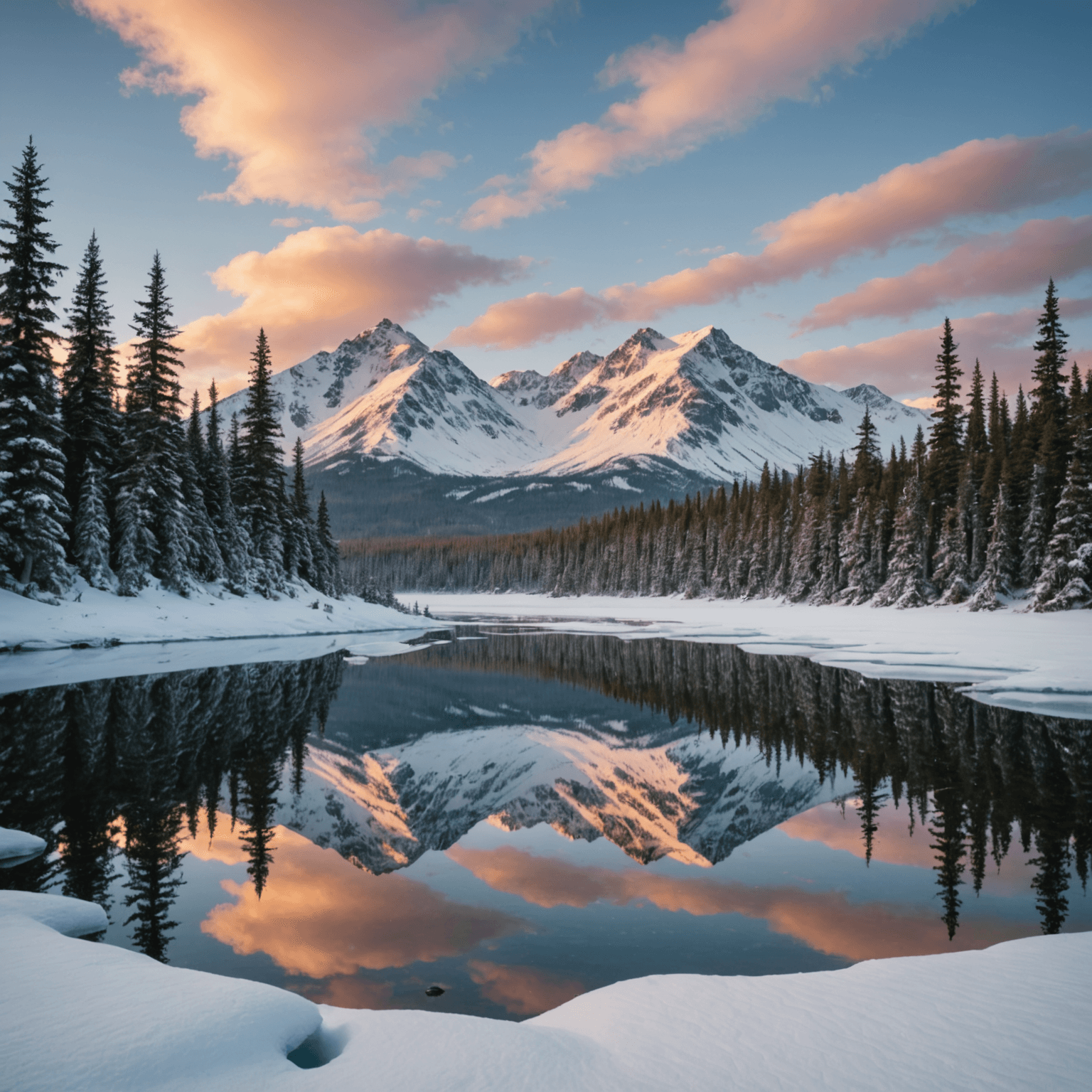
Capturing the aurora borealis in Alaska is an unforgettable experience for any photographer. By planning your trip during the optimal season, choosing the right locations, and using the appropriate camera settings, you can enhance your chances of capturing stunning images of the northern lights. Remember to prioritize safety and respect for the natural environment while enjoying your aurora borealis photography tour. With these tips, you’re well on your way to creating breathtaking memories of Alaska’s night skies.
[spronix_cta key=”northern-lights-adventures”]
FAQ
What is the best time to visit Alaska for aurora borealis photography?
The best time to visit is between late August and April, when the nights are longer, and auroral activity is higher.
Can I see the aurora borealis from Anchorage?
Yes, you can see the aurora borealis from Anchorage, but locations further north, like Fairbanks, offer more consistent and vivid displays.
Do I need a professional camera to photograph the aurora borealis?
While a professional DSLR or mirrorless camera is ideal, some high-end smartphones with manual settings can also capture the aurora.
How can I stay warm while photographing the aurora in Alaska?
Dress in layers with thermal clothing, insulated boots, and windproof gear. Hand warmers can also be helpful for keeping your hands warm.
Are guided tours worth it for aurora photography?
Yes, guided tours provide expert guidance, access to prime locations, and often include additional activities for a comprehensive experience.
What are some other activities I can do in Alaska besides aurora photography?
You can explore dog sledding tours, snowmobile tours, and enjoy the stunning landscapes of national parks like Denali.