Introduction
The aurora borealis, or northern lights, is one of nature’s most mesmerizing phenomena. In Anchorage, Alaska, the aurora takes on a life of its own, captivating visitors and residents alike with its vibrant displays of color and movement. This blog post delves into the magic of aurora Anchorage nights, exploring what makes these lights so special and how you can experience them. Whether you’re a seasoned aurora chaser or a first-time visitor, Anchorage offers a unique vantage point for witnessing this celestial spectacle.
[spronix_cta key=”northern-lights-adventures”]
Understanding the Aurora Borealis
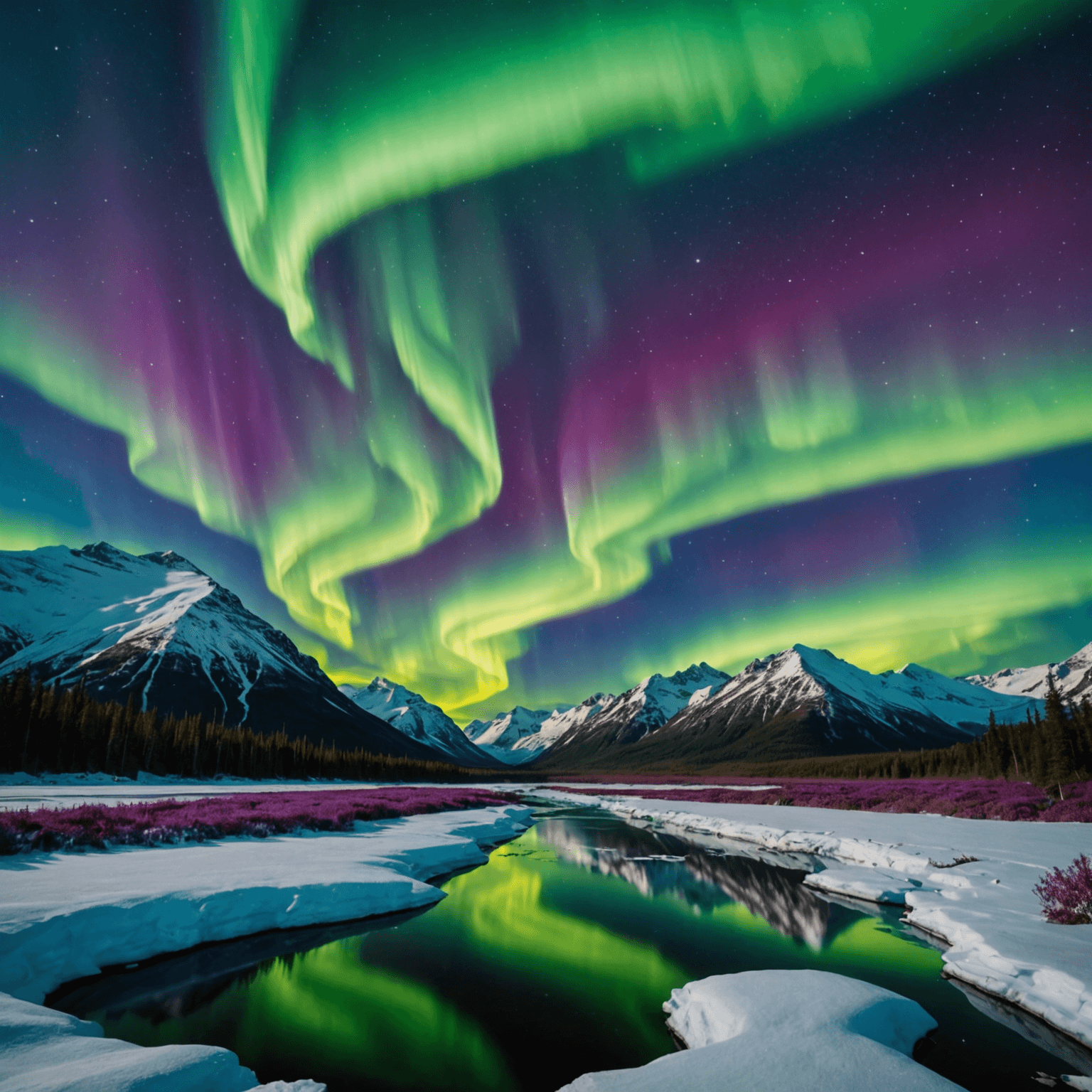
The aurora borealis is a natural light display that occurs when charged particles from the sun collide with gases in Earth’s atmosphere. These collisions excite atmospheric gases, causing them to glow in stunning hues of green, pink, purple, and red. Anchorage’s location within the auroral oval—a region where auroral activity is most frequent—makes it an ideal destination for viewing the northern lights.
The Science Behind the Magic
Understanding the science behind the aurora can enhance your appreciation of this natural wonder. Auroras are primarily caused by solar winds that carry charged particles toward Earth. When these particles interact with Earth’s magnetic field, they are drawn toward the poles, where they collide with atmospheric gases, leading to the breathtaking light displays we see in the sky.
For those interested in predicting auroral activity, resources like the Aurora Forecast provide valuable insights into when and where the lights are most likely to appear.
Best Times and Places to View the Aurora in Anchorage
Anchorage offers numerous locations perfect for aurora viewing, each providing its own unique backdrop to the celestial show. The best time to witness the aurora in Anchorage is during the winter months, from September to April, when the nights are longest and skies are darkest.
Top Viewing Spots
Eagle River Nature Center: Just a short drive from downtown Anchorage, this spot provides a serene setting away from city lights, perfect for aurora viewing.
Flattop Mountain: Known for its hiking trails, Flattop Mountain offers expansive views of the sky, making it an excellent choice for aurora enthusiasts.
Kincaid Park: Located on the coast, Kincaid Park is another great location to escape the city’s light pollution and enjoy the northern lights.
For those planning a trip, Anchorage.net offers detailed information on accommodations and travel tips to make the most of your aurora viewing experience.
Enhancing Your Aurora Experience
While witnessing the aurora is awe-inspiring on its own, there are ways to enhance your experience. Consider joining an organized tour for expert guidance and access to prime viewing locations. Snowhook Adventures offers northern lights adventures that combine aurora viewing with other exciting activities like dog sledding, providing an unforgettable Alaskan experience.
Tips for Photographing the Aurora
Capturing the aurora borealis on camera can be a rewarding challenge. Here are some tips to help you take stunning photos of the northern lights:
- Use a Tripod: Stability is key for long exposure shots.
- Adjust Your Camera Settings: Set your camera to manual mode, with a high ISO and a wide aperture.
- Experiment with Exposure Times: Start with a 10-20 second exposure and adjust as needed.
For more detailed tips and advice, check out Alaska.org, which provides comprehensive guides on aurora photography.
Planning Your Aurora Adventure
When planning your aurora adventure in Anchorage, consider combining your trip with other Alaskan activities. Snowhook Adventures offers a variety of tours, from snowmobile expeditions to dog sledding, ensuring that your visit is filled with memorable experiences.
Weather Considerations
Weather plays a crucial role in aurora visibility. Clear skies are essential for optimal viewing, so be sure to check the National Weather Service for current conditions and forecasts. Additionally, Anchorage’s weather can be unpredictable, so dressing in layers and preparing for cold temperatures is recommended.
Conclusion
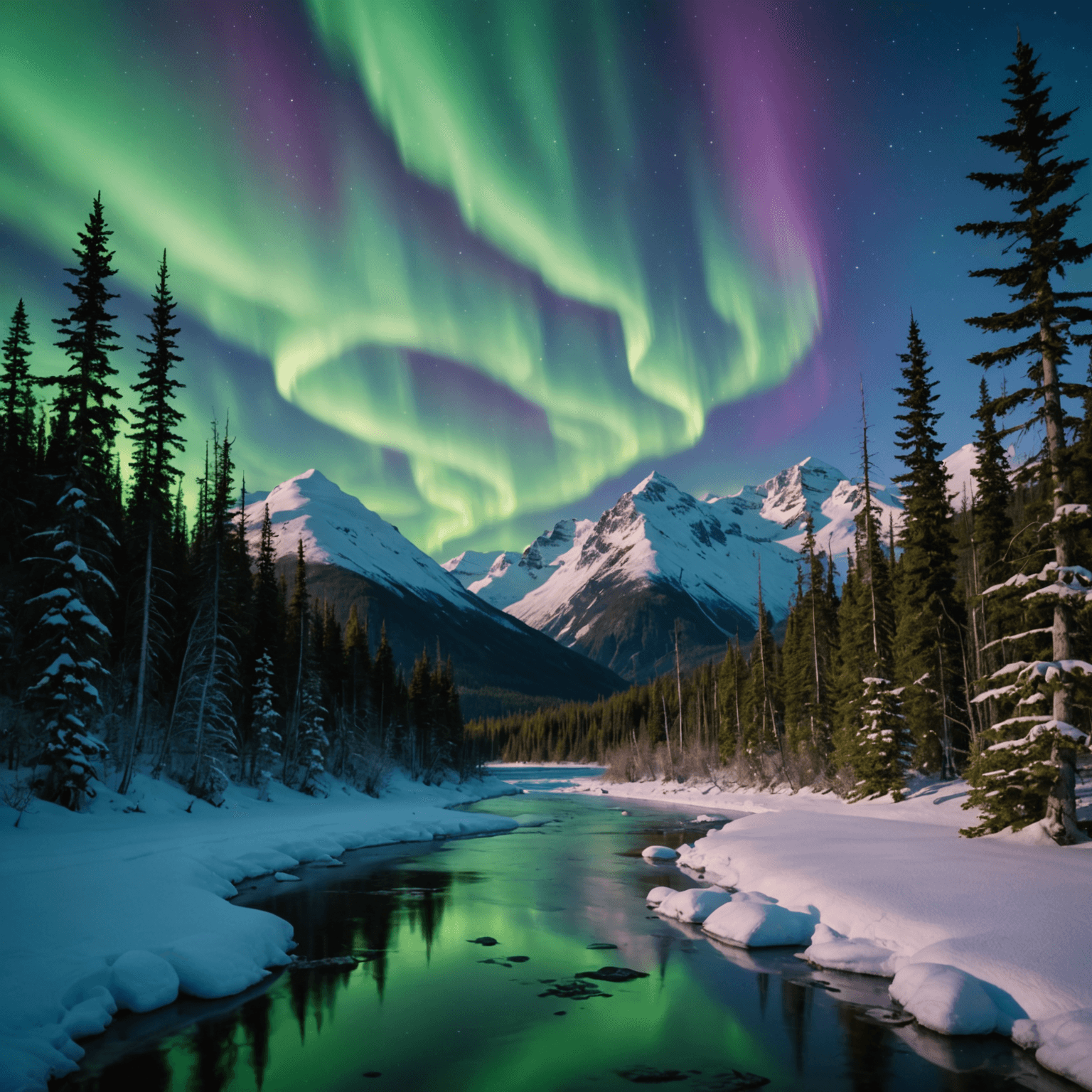
The magic of aurora Anchorage nights is a bucket-list experience that captivates all who witness it. From understanding the science behind the lights to choosing the best viewing spots, there is much to discover and appreciate. By planning your visit during the optimal months, selecting prime locations, and considering guided tours, you can create an unforgettable adventure. Whether you’re drawn to the science, photography, or sheer beauty of the aurora borealis, Anchorage offers an unparalleled opportunity to witness this natural wonder.
[spronix_cta key=”northern-lights-adventures”]
FAQ
Q1: When is the best time to see the aurora borealis in Anchorage?
A1: The best time to view the aurora in Anchorage is during the winter months, from September to April, when the nights are longest and darkest.
Q2: What causes the aurora borealis?
A2: The aurora borealis is caused by collisions between charged particles from the sun and gases in Earth’s atmosphere, resulting in colorful light displays.
Q3: Where are the best places to view the aurora in Anchorage?
A3: Popular viewing spots include Eagle River Nature Center, Flattop Mountain, and Kincaid Park, all of which offer views away from city lights.
Q4: Can I see the aurora borealis without a tour in Anchorage?
A4: Yes, you can view the aurora independently, but guided tours like those from Snowhook Adventures can enhance the experience with expert guidance.
Q5: How do I photograph the aurora borealis?
A5: Use a tripod for stability, set your camera to manual mode with a high ISO and wide aperture, and experiment with exposure times.
Q6: What should I wear when viewing the aurora in Anchorage?
A6: Dress in layers to stay warm, as temperatures can drop significantly at night. Waterproof and insulated clothing is recommended.
Q7: Are there other activities to do in Anchorage besides aurora viewing?
A7: Absolutely! Consider snowmobile tours, dog sledding, or exploring local parks. Check out Snowhook Adventures for multi-day tour options.