Introduction
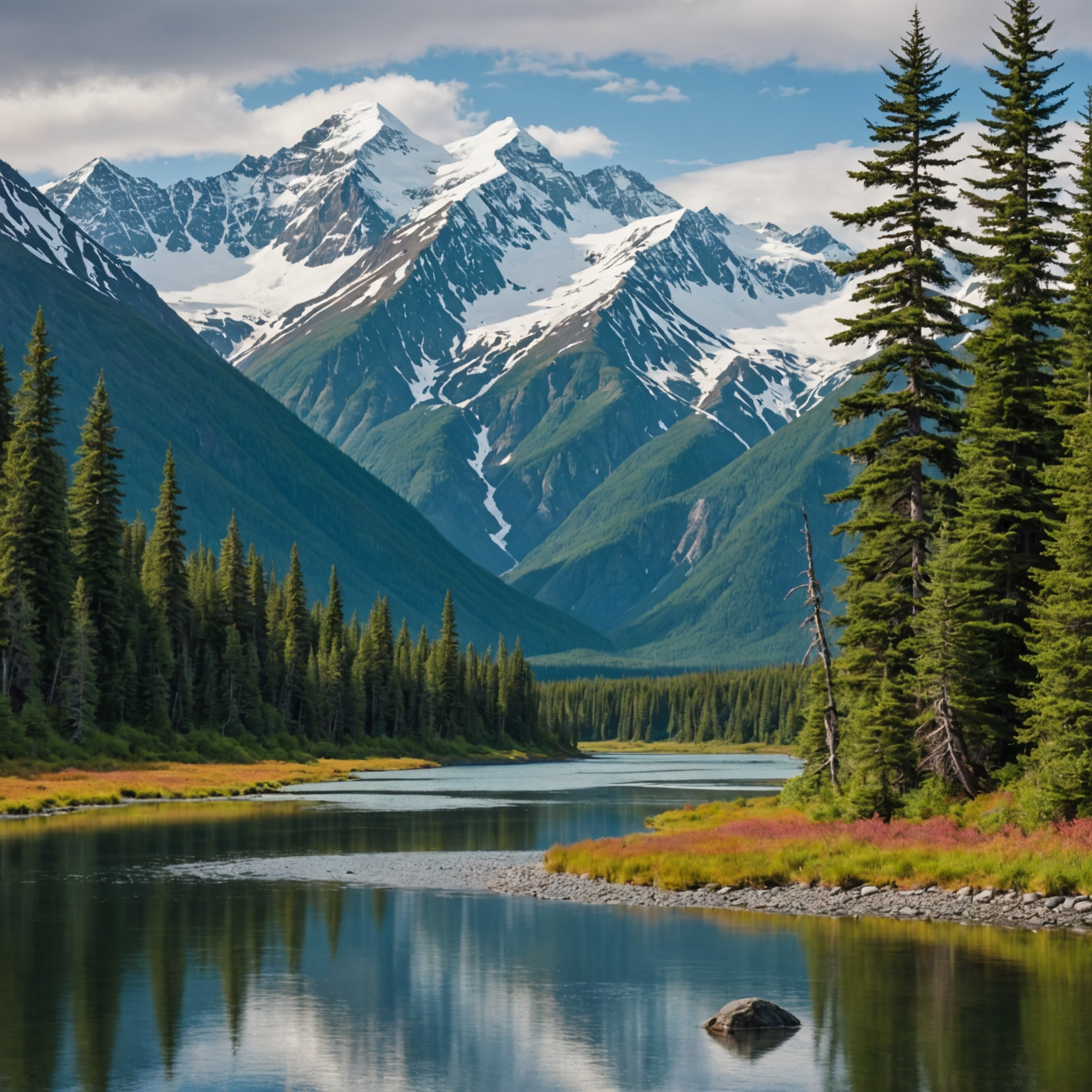
Indiana, known for its rich history and vibrant landscapes, is home to a surprising geological gem: its tallest point. While the state may not boast the towering peaks of its western counterparts, finding the tallest point in Indiana offers a unique glimpse into the state’s natural topography. This blog post explores Indiana’s highest elevation, its significance, and how it compares to the towering peaks of Alaska, a state renowned for its majestic mountains and breathtaking views.
[spronix_cta key=”alaska”]
Hoosier Hill: Indiana’s Tallest Point
Location and Elevation
Situated in Wayne County near the Ohio border, Hoosier Hill stands as the tallest point in Indiana. With an elevation of 1,257 feet (383 meters) above sea level, it is a modest peak by national standards but a significant point of pride for the state. The hill is nestled in the rural countryside, surrounded by farmland and small woodlands, offering a peaceful retreat for those who venture to its summit.
Historical Significance and Accessibility
Hoosier Hill’s significance is not solely due to its elevation. It represents Indiana’s natural heritage and serves as a destination for hikers, history enthusiasts, and nature lovers. The site is easily accessible by car, followed by a short walk to the summit, making it an ideal spot for family outings and educational trips. The area is marked by a sign and a guestbook for visitors to record their journey.
Comparing Indiana and Alaska: A Tale of Two Peaks
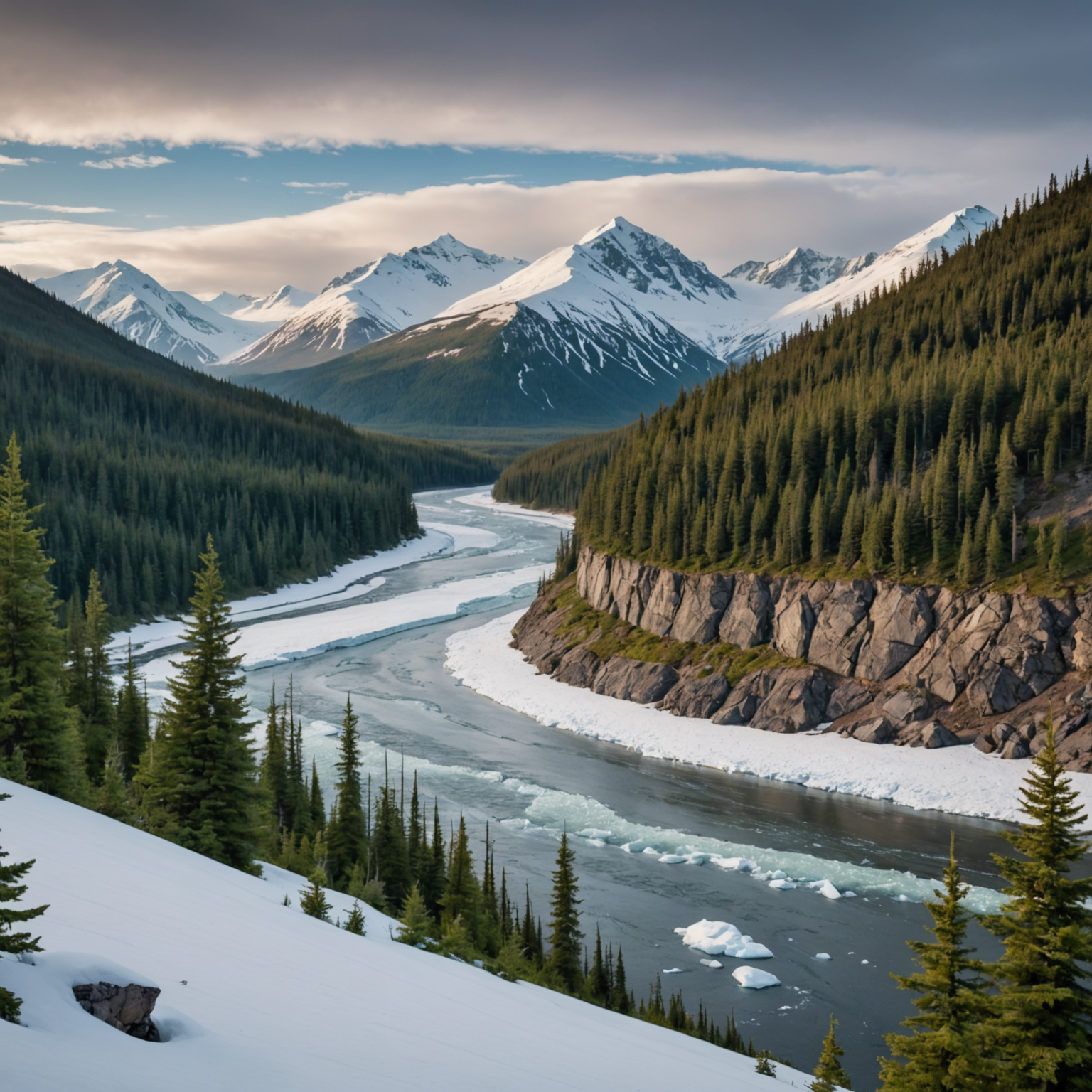
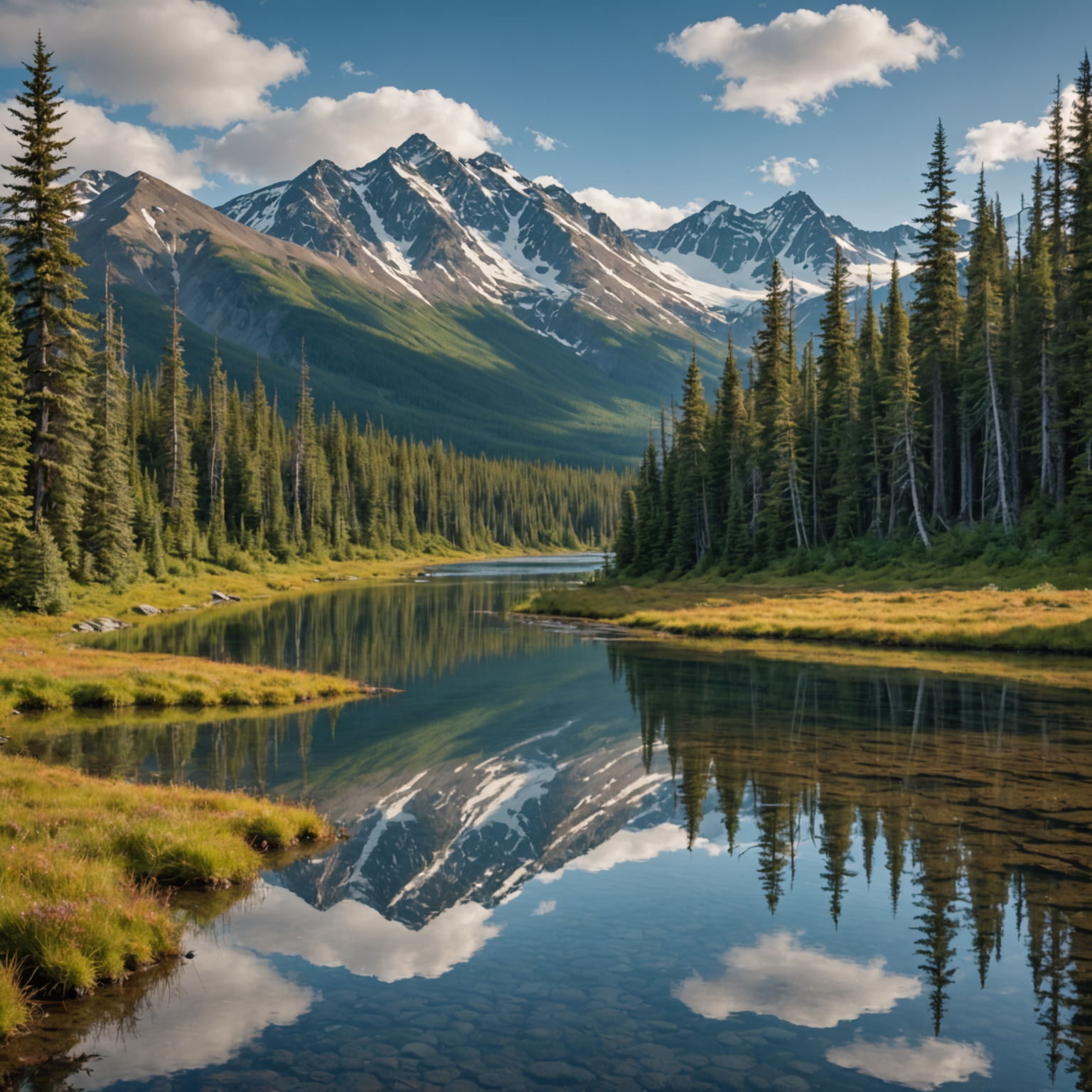
While Hoosier Hill stands as Indiana’s highest point, it’s a stark contrast to the towering peaks found in Alaska. Denali, North America’s highest peak, reaches a staggering 20,310 feet (6,190 meters). Alaska’s diverse topography, from its snow-capped mountains to expansive wilderness, offers a vastly different landscape from Indiana’s gentle hills.
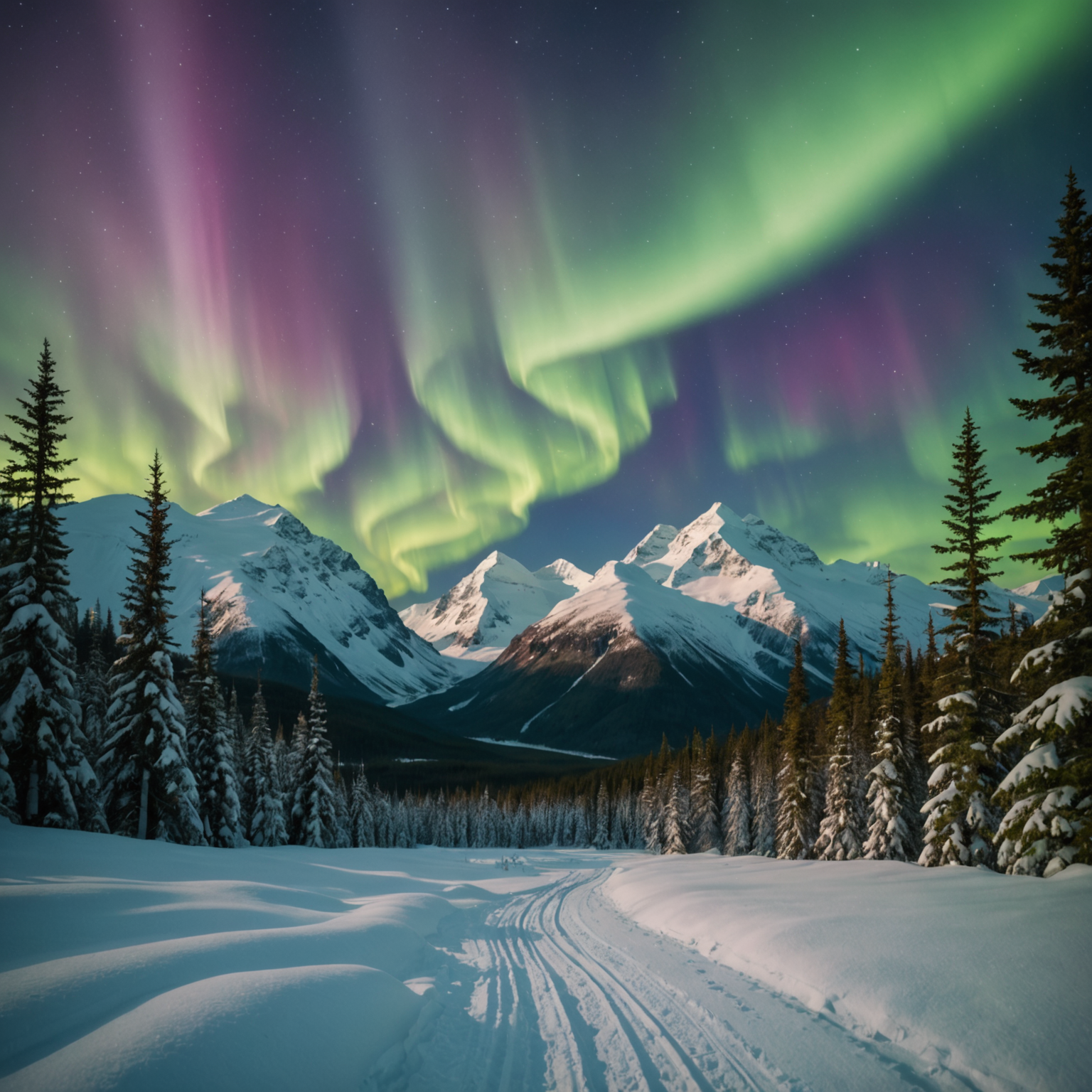
For those interested in exploring Alaska’s majestic peaks and abundant wildlife, consider embarking on a Denali Backcountry Snowmobile Adventure. This thrilling experience allows adventurers to witness the grandeur of Alaska’s natural beauty firsthand.
The Geological Formation of Hoosier Hill
Hoosier Hill is part of the Eastern Corn Belt Plains, a region characterized by its glacial history. The hill was formed during the last Ice Age, when glaciers shaped the landscape, leaving behind rich soil and gently rolling hills. This geological history is a testament to the dynamic natural forces that have sculpted Indiana’s terrain over millennia.
Exploring the Beauty of Indiana’s High Point
Flora and Fauna
Despite its modest elevation, Hoosier Hill is home to a variety of plant and animal species. The surrounding woodlands provide habitat for common Indiana wildlife, including deer, rabbits, and numerous bird species. The area is especially vibrant in the spring and fall when the foliage bursts into color.
Activities and Attractions
Visitors to Hoosier Hill can enjoy more than just its summit views. The surrounding region offers a wealth of outdoor activities, including hiking, birdwatching, and photography. Nearby small towns provide charming stops for dining and exploring local culture, making a visit to Hoosier Hill a delightful day trip.
For those inspired by Indiana’s landscapes and looking for further adventure, exploring the best things to do in Anchorage year-round offers a variety of activities that showcase the natural beauty and cultural richness of another stunning region.
Conclusion
While Indiana’s tallest point may not rival the grandeur of Alaska’s peaks, Hoosier Hill offers a unique and accessible adventure for those looking to explore the state’s natural beauty. Its historical significance, geological interest, and serene surroundings make it a worthwhile destination for visitors and locals alike. Whether you’re a seasoned hiker or a curious traveler, Hoosier Hill provides a glimpse into Indiana’s geographical charm, serving as a reminder of the diverse landscapes that make each state in the U.S. uniquely captivating.
[spronix_cta key=”alaska”]
FAQ
What is the tallest point in Indiana?
The tallest point in Indiana is Hoosier Hill, with an elevation of 1,257 feet (383 meters) above sea level.
How does Hoosier Hill compare to Alaska’s peaks?
Hoosier Hill is significantly lower than Alaska’s peaks, such as Denali, which reaches 20,310 feet (6,190 meters). Indiana’s terrain is characterized by rolling hills, while Alaska features towering mountains and vast wilderness.
Is Hoosier Hill accessible for visitors?
Yes, Hoosier Hill is easily accessible by car and requires a short walk to reach the summit. It is a family-friendly destination suitable for all ages.
What activities can be enjoyed at Hoosier Hill?
Visitors can enjoy hiking, birdwatching, and photography. The surrounding region offers additional attractions, including charming small towns and local dining options.
What is the geological history of Hoosier Hill?
Hoosier Hill was formed during the last Ice Age as glaciers shaped the landscape of the Eastern Corn Belt Plains. This history is evident in the region’s rich soil and rolling hills.
Are there any guided tours available at Hoosier Hill?
While there are no official guided tours at Hoosier Hill, the area is self-explanatory and marked with informational signs. Visitors can explore the site at their own pace.
How can I explore more of Indiana’s natural beauty?
To explore more of Indiana’s natural beauty, consider visiting state parks, nature reserves, and other high points across the state. Each offers unique landscapes and recreational opportunities.
Where can I find more information about visiting Alaska’s natural wonders?
For more information about visiting Alaska’s natural wonders, check out resources like Travel Alaska and Alaska.org for comprehensive travel guides and tips.