Introduction
The United States boasts an impressive array of geographical features, each state offering its own unique landscape to explore. Among these features are the state high points, the highest natural elevations in each state. From the towering peaks of Alaska’s Denali to the more modest elevations of Florida’s Britton Hill, state high points provide adventurers with a variety of summit experiences. This guide explores the high points across the U.S., offering insights into their significance and the adventures they promise.
[spronix_cta key=”alaska”]
State High Points Overview
State high points vary greatly in elevation, accessibility, and difficulty. Some are accessible by car, while others require a multi-day trek. These high points are not just about reaching the summit; they offer a chance to explore the natural beauty and diverse landscapes of the United States.
Eastern United States High Points
The eastern U.S. offers a mix of high points, some of which are located in picturesque and mountainous areas:
Mount Mitchell, North Carolina: At 6,684 feet, Mount Mitchell is the highest point east of the Mississippi River. Situated in the Appalachian Mountains, this peak offers stunning views and a variety of hiking trails. The Blue Ridge Parkway provides easy access to the park, making it a popular destination for tourists and locals alike.
Mount Washington, New Hampshire: Known for its extreme weather conditions, Mount Washington stands at 6,288 feet. It is part of the White Mountains and offers challenging hikes as well as the historic Mount Washington Cog Railway for those who prefer a less strenuous ascent.
High Point, New Jersey: This peak, standing at 1,803 feet, offers a panoramic view of three states: New Jersey, New York, and Pennsylvania. The High Point Monument at the summit is a tribute to veterans and provides a scenic backdrop for visitors.
Central United States High Points
The central U.S. features a mix of rolling plains and rugged mountains, each with its own high point:
Black Elk Peak, South Dakota: Formerly known as Harney Peak, this is the highest point in the Black Hills at 7,244 feet. It offers breathtaking views and is considered sacred by the Lakota Sioux. Visitors can explore the nearby Mount Rushmore National Memorial and Custer State Park.
Mount Sunflower, Kansas: Despite its name, Mount Sunflower is a gentle rise at 4,039 feet. It’s located on private ranch land but is open to the public, offering a unique experience of the Kansas plains.

Western United States High Points
The western U.S. is home to some of the most imposing high points, including the highest peak in North America:
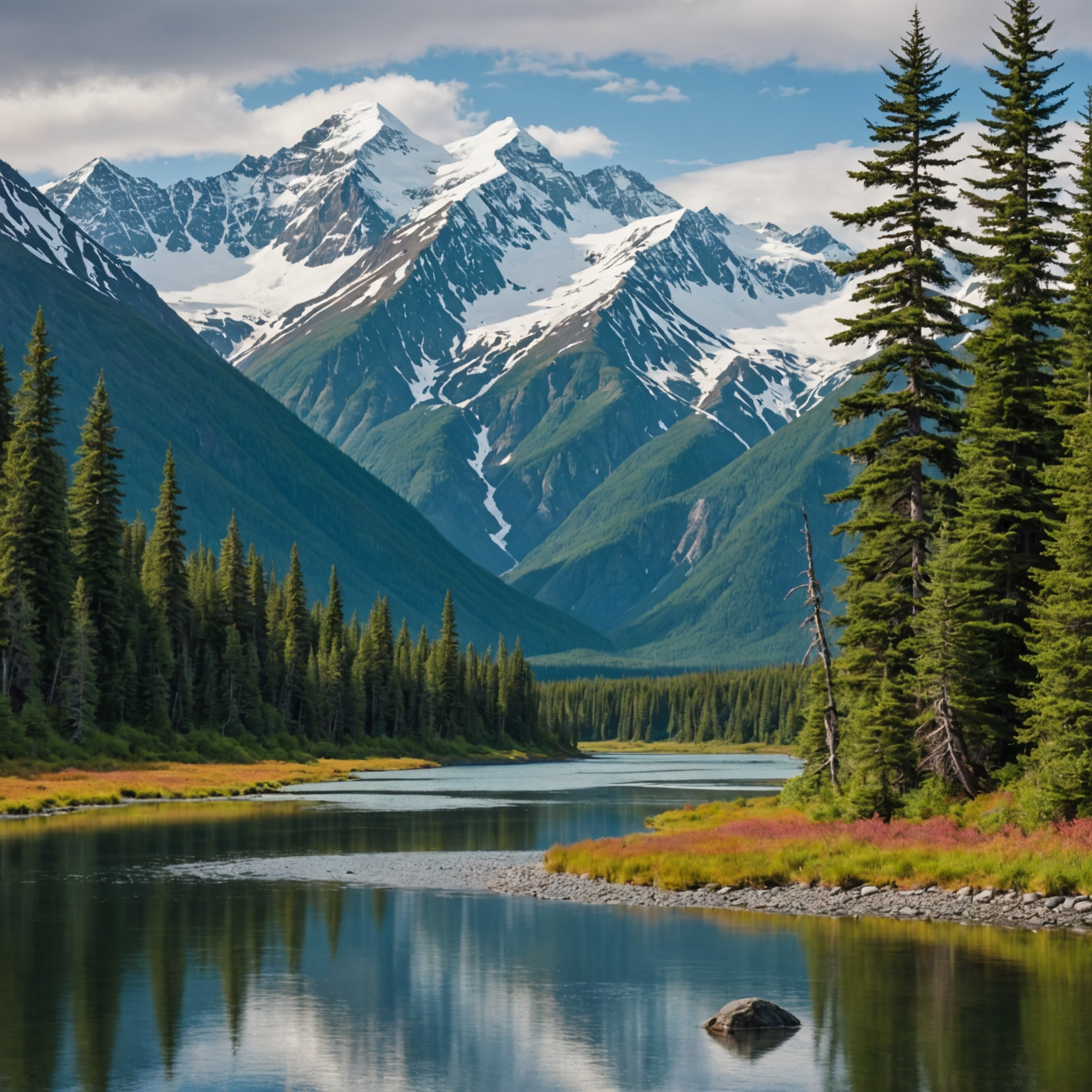
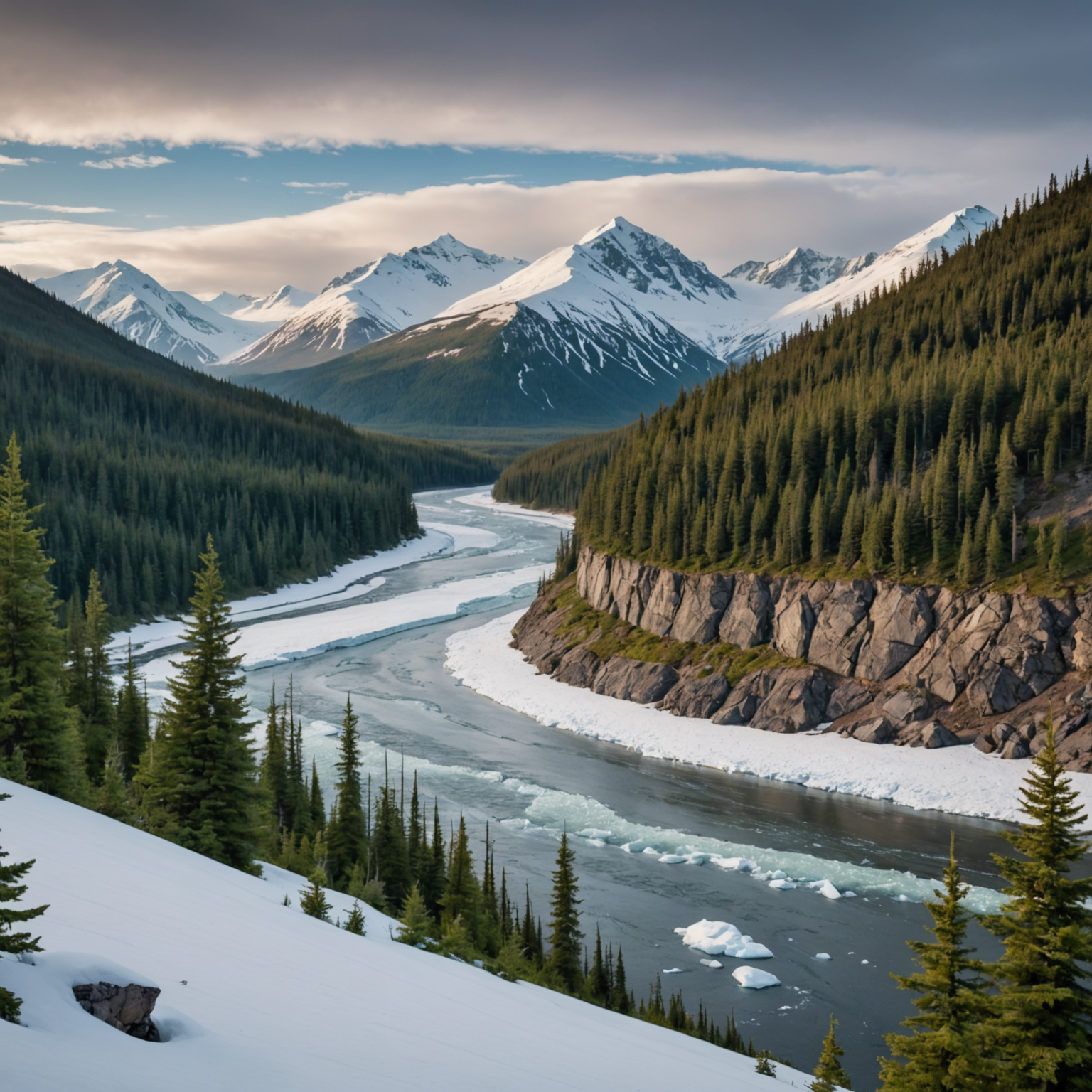
Denali, Alaska: Towering at 20,310 feet, Denali is the crowning jewel of North America’s peaks. Known for its breathtaking beauty and challenging climbs, it attracts mountaineers from around the world. The Denali National Park is a must-visit for those seeking adventure in Alaska.
Mount Whitney, California: As the tallest mountain in the contiguous U.S., Mount Whitney reaches 14,505 feet. It is part of the Sierra Nevada range and offers a popular hiking trail that requires a permit to prevent overcrowding.
Humphreys Peak, Arizona: This peak stands at 12,637 feet and is the highest point in Arizona. Located near Flagstaff, it provides hikers with stunning views of the surrounding volcanic landscape.
State High Points in Unique Landscapes
Some state high points are located in areas known for their distinct geographical features:
Mauna Kea, Hawaii: Rising 13,796 feet above sea level, Mauna Kea is a dormant volcano and the highest point in Hawaii. It is renowned for its astronomical observatories and offers a unique blend of Hawaiian culture and natural beauty.
Guadalupe Peak, Texas: The highest point in Texas at 8,751 feet, Guadalupe Peak is part of the Guadalupe Mountains National Park. The park is known for its fossilized reef formations and diverse ecosystems.
Kings Peak, Utah: Standing at 13,528 feet, Kings Peak is the highest point in Utah. Located in the Uinta Mountains, it requires a challenging multi-day hike to reach the summit, rewarding climbers with pristine wilderness and panoramic views.

Conclusion
Exploring state high points is more than just a quest to reach the highest elevation in each state. It’s an opportunity to immerse oneself in the varied landscapes and natural beauty that the United States has to offer. Whether you’re a seasoned mountaineer or a casual hiker, these high points promise unforgettable experiences and panoramic views. As you plan your next adventure, consider incorporating these state high points into your itinerary for a truly enriching journey.
For those considering an Alaskan adventure, don’t miss out on the best tours to see the Northern Lights in Alaska, or explore the best lodges for Northern Lights viewing.
[spronix_cta key=”alaska”]
FAQ
1. What is the highest point in the United States?
The highest point in the United States is Denali in Alaska, standing at 20,310 feet.
2. Are all state high points difficult to reach?
No, the difficulty varies. Some, like Britton Hill in Florida, are easily accessible, while others, like Denali, require extensive preparation and experience.
3. Can I drive to any of the state high points?
Yes, several state high points, such as High Point in New Jersey and Mount Sunflower in Kansas, can be reached by car.
4. Do I need a permit to climb Mount Whitney?
Yes, a permit is required to hike Mount Whitney, especially during the peak season, to manage the number of hikers.
5. What is the easiest state high point to reach?
The easiest state high point to reach is Britton Hill in Florida, which is only 345 feet above sea level and accessible by car.
6. Are there guided tours for state high points?
Yes, some state high points, particularly those in national parks, offer guided tours or have local guides available.
7. What should I pack for a high point hike?
Packing depends on the location and season but generally includes water, snacks, appropriate clothing, and safety gear. Always check local conditions before hiking.
8. Are there any risks associated with climbing state high points?
Yes, risks include altitude sickness, weather changes, and challenging terrain. Proper preparation and awareness of local conditions are essential for safety.