Introduction
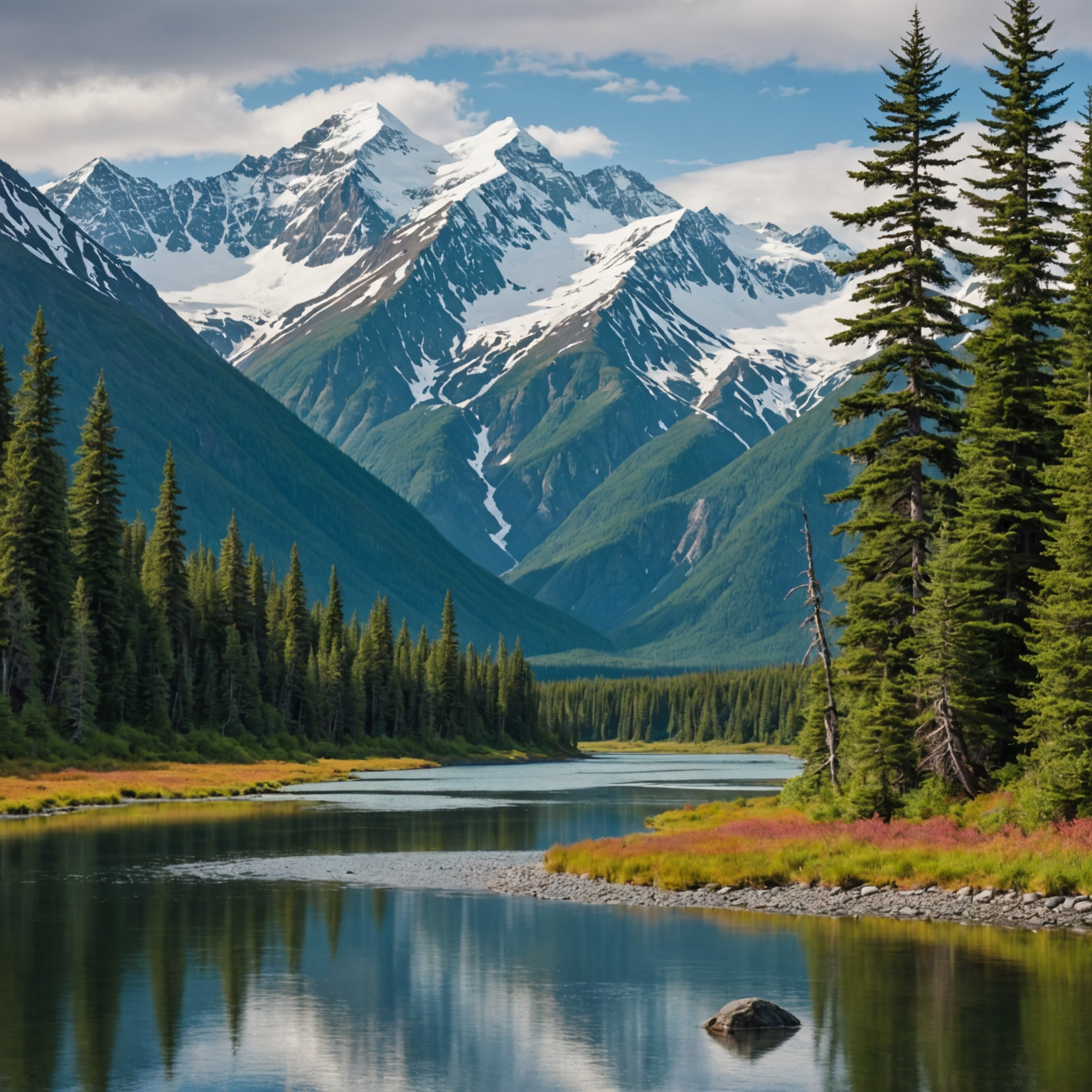
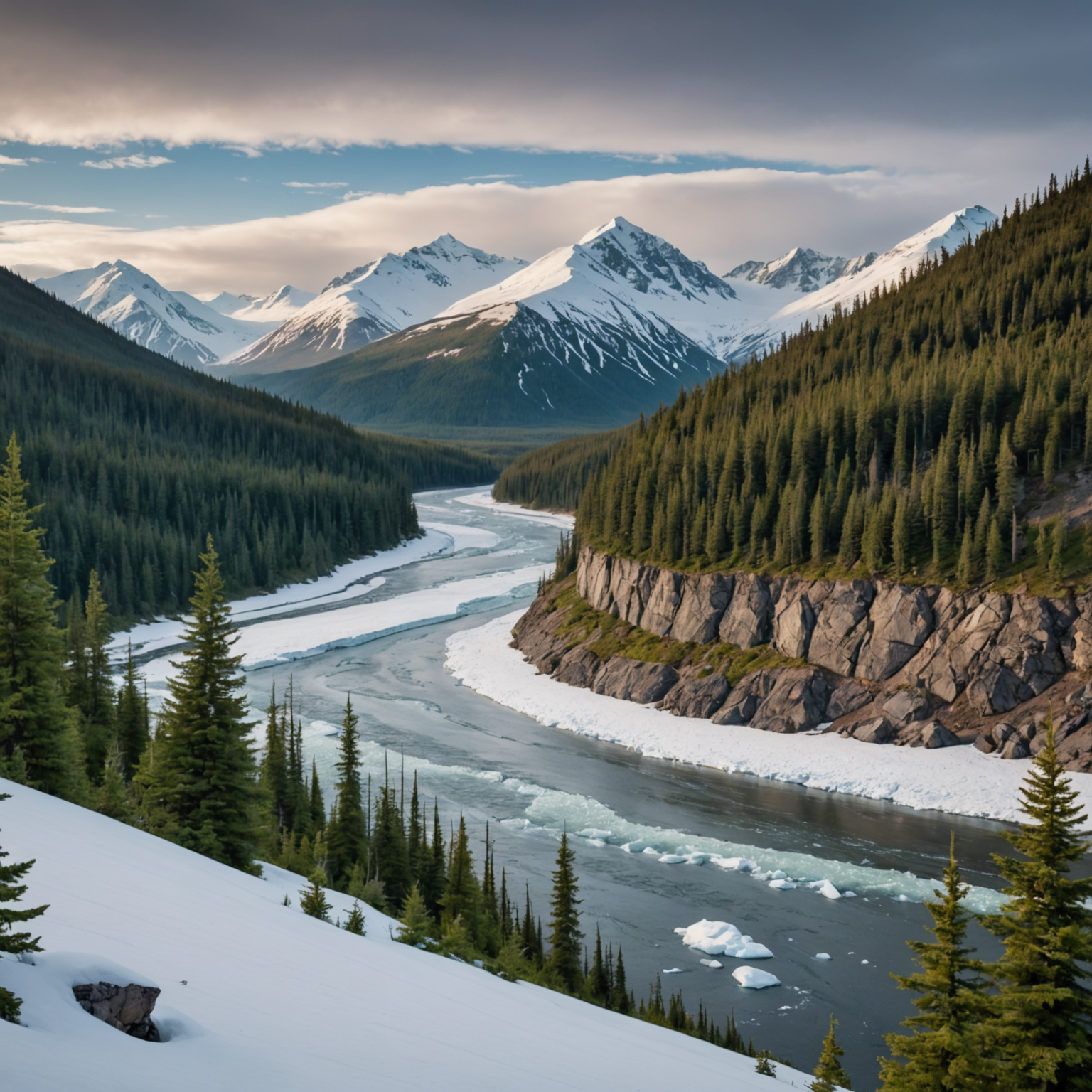
Sockeye salmon, also known as red salmon, are a prized catch for anglers seeking a thrilling fishing experience in Alaska’s pristine rivers. Known for their vibrant color and exceptional flavor, sockeye salmon are a popular choice for both recreational and professional fishermen. To enhance your fishing adventure and ensure a successful catch, selecting the right sockeye salmon fishing gear is crucial. This guide will walk you through the essential equipment needed, from rods and reels to tackle and clothing, to make your fishing trip unforgettable.
[spronix_cta key=”fishing”]
Choosing the Right Rod and Reel
When it comes to sockeye salmon fishing gear, the rod and reel are the foundation of your setup. Sockeye salmon are known for their strong swimming abilities, so you’ll need a rod that can handle their power.
Rod Selection
A medium-action rod, typically between 8 to 10 feet in length, is ideal for sockeye salmon fishing. This length provides the versatility needed to cast long distances while maintaining the strength to handle hefty salmon. Look for rods made from durable materials, such as graphite or composite, to ensure longevity and performance in challenging conditions.
Reel Selection
Pair your rod with a high-quality spinning reel or baitcasting reel, depending on your preference. Spinning reels are often favored by beginners due to their ease of use, while baitcasting reels offer greater precision and control, making them a favorite among experienced anglers. Ensure your reel has a smooth drag system to manage the powerful runs of sockeye salmon effectively.
Essential Tackle for Sockeye Salmon
Once you have your rod and reel, it’s time to focus on the tackle. The right tackle can make all the difference in attracting and landing sockeye salmon.
Lures and Baits
Sockeye salmon are primarily plankton feeders, making them less likely to strike at traditional baits. Therefore, lures mimicking small fish or crustaceans can be highly effective. Consider using:
- Spinners and Spoons: These lures create vibrations and flash in the water, attracting the salmon’s attention.
- Flies: Fly fishing for sockeye can be highly productive. Use bright-colored patterns that mimic aquatic insects.
- Corkies and Yarn: These are popular choices for drift fishing, offering visibility and buoyancy.
Line and Leader
Select a fishing line with a test strength of 12 to 20 pounds to handle the strength of sockeye salmon. Fluorocarbon leaders are recommended due to their low visibility in water, increasing the chances of a successful strike.
Clothing and Accessories
Fishing in Alaska’s rivers requires more than just a rod and reel. The environment can be challenging, and being prepared with the right clothing and accessories is essential for comfort and safety.
Waders and Boots
Invest in a high-quality pair of chest waders to keep dry and comfortable. Neoprene or breathable materials are ideal for different weather conditions. Pair these with sturdy, non-slip boots to navigate slippery riverbeds safely.
Weather-Appropriate Clothing
Alaska’s weather can be unpredictable, so layering is key. Opt for moisture-wicking base layers, insulating mid-layers, and waterproof outer layers. Don’t forget a hat and gloves to protect against the elements.

Safety and Regulations
Fishing in Alaska comes with its own set of regulations and safety considerations. Familiarize yourself with local fishing regulations and obtain the necessary permits before your trip. The Alaska Department of Fish and Game is a valuable resource for understanding the rules and ensuring compliance.
Bear Safety
Fishing in Alaska often means sharing the wilderness with bears. Learn how to store food safely and what to do in a bear encounter. The Alaska Department of Fish and Game provides comprehensive guidelines on living with bears.
Planning Your Fishing Trip
For those planning a sockeye salmon fishing trip, consider exploring the vibrant landscapes and unique experiences Alaska has to offer. You might want to combine your fishing adventure with a day tour from Anchorage or capture stunning photos while dog sledding.
Best Time and Locations
Sockeye salmon runs vary by location, with peak times generally between June and August. Rivers like the Kenai, Kasilof, and Copper are renowned for their sockeye populations. Check Travel Alaska for detailed information on fishing hotspots and conditions.

Conclusion
Equipping yourself with the appropriate sockeye salmon fishing gear is vital for a successful and enjoyable fishing experience in Alaska’s rivers. From selecting the right rod and reel to understanding the necessary tackle and attire, preparation is key. Always prioritize safety and adhere to local regulations to preserve the pristine environment for future generations.
[spronix_cta key=”fishing”]
FAQ
Q1: What type of rod is best for sockeye salmon fishing?
A medium-action rod, between 8 to 10 feet in length, is recommended for sockeye salmon fishing.
Q2: Are spinning reels or baitcasting reels better for sockeye salmon?
Both types are effective; spinning reels are user-friendly for beginners, while baitcasting reels offer greater precision.
Q3: What lures work best for sockeye salmon?
Spinners, spoons, and bright-colored flies are effective for attracting sockeye salmon.
Q4: What is the best time of year to fish for sockeye salmon in Alaska?
The peak sockeye salmon runs generally occur between June and August.
Q5: How should I dress for salmon fishing in Alaska?
Layered clothing with moisture-wicking, insulating, and waterproof materials is essential for comfort and safety.
Q6: Do I need a fishing license to fish for sockeye salmon in Alaska?
Yes, obtaining a fishing license from the Alaska Department of Fish and Game is mandatory.
Q7: What should I do in case of a bear encounter while fishing?
Remain calm and follow guidelines from the Alaska Department of Fish and Game on handling bear encounters.
Q8: Can I incorporate other activities during my fishing trip in Alaska?
Yes, consider ebike tours or visiting Hatcher Pass for a well-rounded Alaskan adventure.