Introduction
Alaska, with its sprawling wilderness and awe-inspiring mountain ranges, is a paradise for adventure seekers, especially those passionate about ski mountaineering. The rugged terrain and pristine snow conditions provide a unique experience for both novice and experienced ski mountaineers. This long-form guide will delve into everything you need to know about ski mountaineering in Alaska, from the best locations and safety tips to what makes this state a prime destination for such thrilling escapades.
[spronix_cta key=”winter-adventures”]
Why Alaska for Ski Mountaineering?
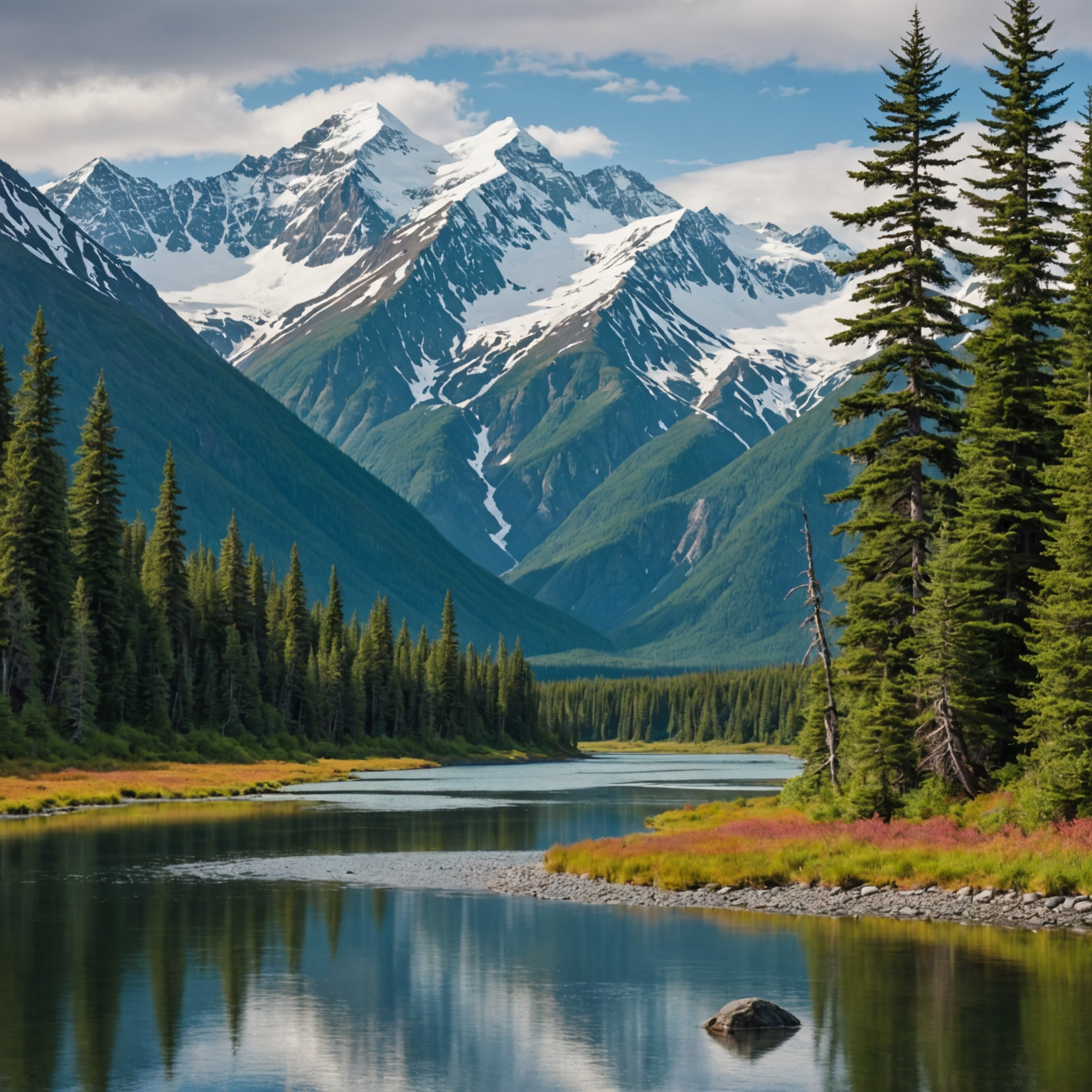
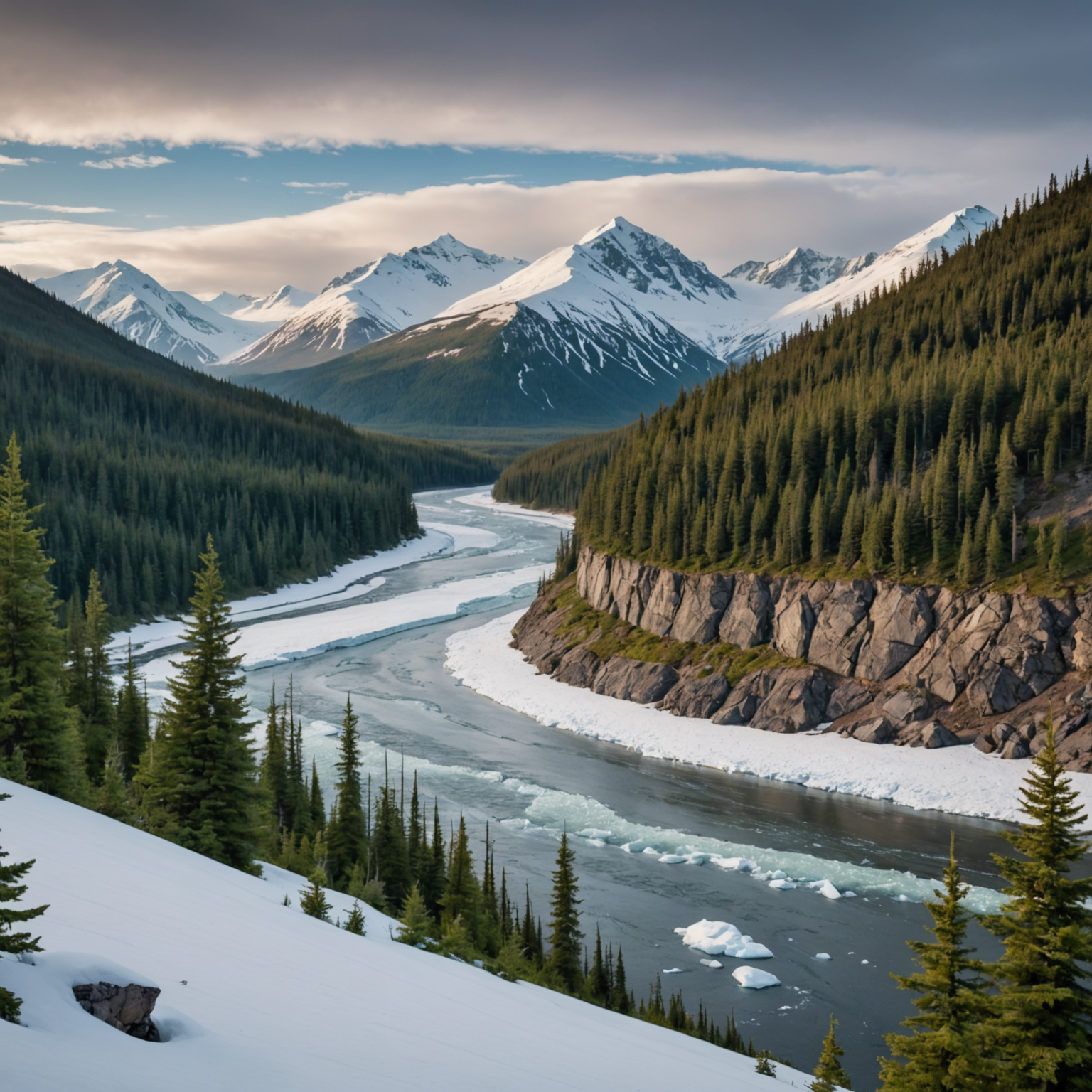
Alaska’s mountainous landscapes, including the iconic Chugach and Kenai ranges, offer some of the most challenging and rewarding ski mountaineering experiences in the world. The state’s northern latitude ensures consistent snow cover, while its vast wilderness areas provide solitude and a true sense of adventure. Furthermore, Alaska’s unique weather patterns often result in fresh powder, ideal for skiing enthusiasts.
The Chugach Mountains, located near Anchorage, are particularly popular due to their accessibility and diverse terrain. They offer a range of routes suitable for all skill levels.
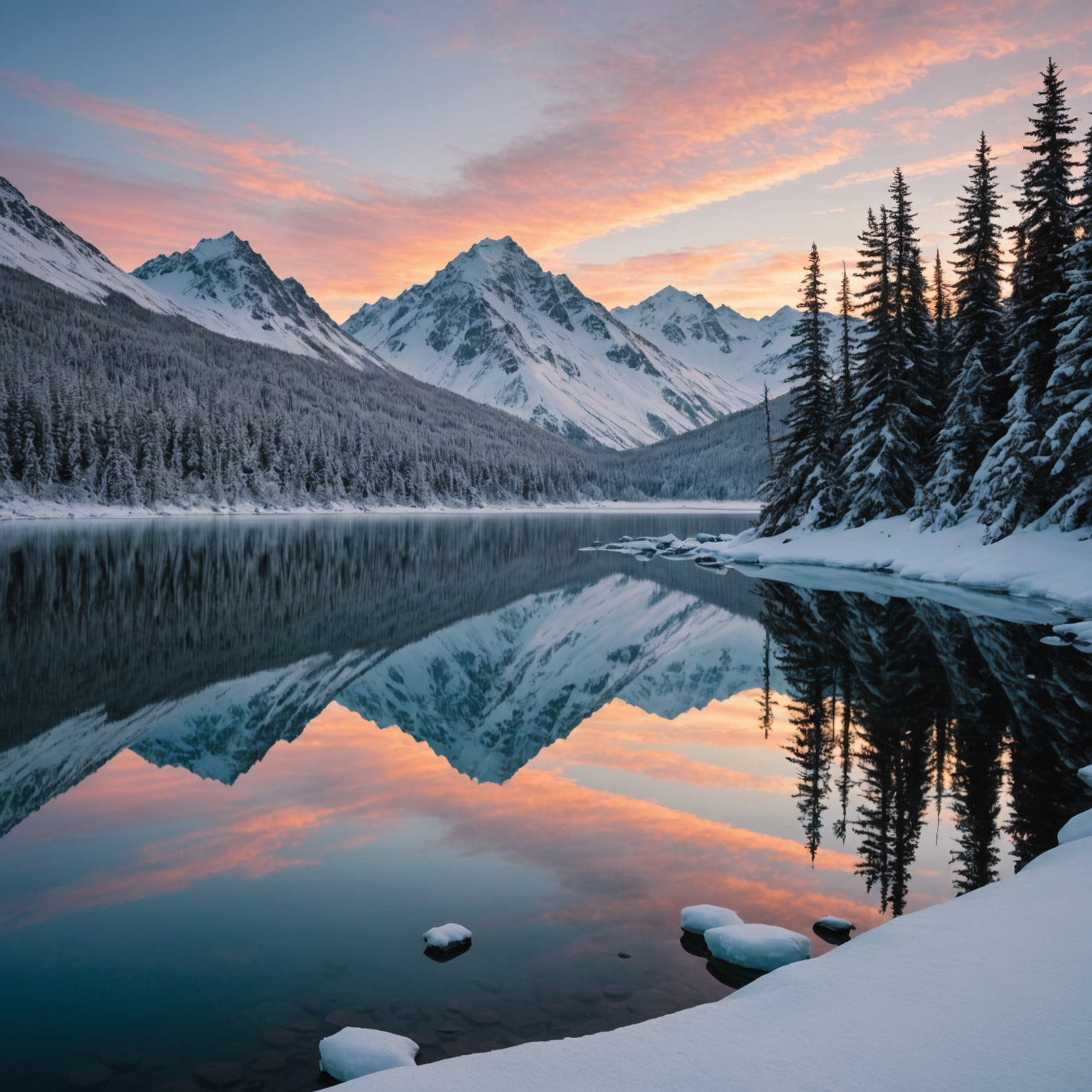
For those looking to venture further, the Wrangell-St. Elias National Park offers breathtaking vistas and an opportunity to explore some of the most remote areas in North America. Planning a trip here requires careful preparation and consideration of local weather conditions, which can be checked through the National Weather Service.
Preparing for Your Ski Mountaineering Adventure
Gear and Equipment
Proper gear is essential for a successful ski mountaineering trip. This includes skis, ski boots, poles, and climbing skins. Avalanche safety equipment such as a beacon, probe, and shovel is crucial given the nature of the terrain. It’s also wise to carry a GPS device or a detailed map from US Forest Service to navigate the remote areas effectively.
Physical Preparation
Ski mountaineering is physically demanding, requiring a high level of fitness. Preparing your body through strength and endurance training can significantly enhance your experience. Consider incorporating activities like hiking, cycling, and cross-country skiing into your routine to build stamina and strength.
Safety Considerations
Avalanche safety should be a top priority. The Chugach National Forest Avalanche Information Center provides daily updates on avalanche conditions, which are essential for planning safe routes. Additionally, participating in an avalanche safety course is highly recommended to understand the risks and how to mitigate them effectively.
Environmental Awareness
Respect for the natural environment is crucial. Always follow Leave No Trace principles to minimize your impact. This includes packing out all trash, staying on designated trails, and respecting wildlife habitats. For more on living responsibly in Alaska’s wilderness, visit the Alaska Department of Fish and Game.
Best Locations for Ski Mountaineering in Alaska
Turnagain Pass
Turnagain Pass is renowned for its accessibility and variety of terrain, making it a popular spot for both locals and visitors. It’s located in the Chugach National Forest and offers stunning views and exhilarating descents. For a detailed guide, visit the Turnagain Pass Alaska Guide.
Hatcher Pass
Hatcher Pass is another favorite, offering a mix of challenging routes and breathtaking scenery. Its proximity to Anchorage makes it an ideal destination for day trips. Before heading out, check the Hatcher Pass Management Area for any updates on conditions and access.
Denali National Park
For those seeking a truly remote experience, Denali National Park offers unparalleled opportunities. The park’s vastness and varied terrain provide an adventurous ski mountaineering experience. The National Park Service offers detailed information on routes and safety guidelines.
Conclusion
Ski mountaineering in Alaska promises an adventure like no other, combining the thrill of skiing with the challenge of mountaineering in one of the world’s most stunning landscapes. Whether you’re exploring the Chugach Mountains or braving the wilderness of Denali, the experience is sure to be unforgettable. Prepare thoroughly, respect the environment, and immerse yourself in the breathtaking beauty of Alaska.
[spronix_cta key=”winter-adventures”]
FAQ
What is ski mountaineering?
Ski mountaineering combines skiing with mountaineering, involving the ascent and descent of mountains on skis. It requires specialized equipment and skills for navigating challenging terrains.
When is the best time to go ski mountaineering in Alaska?
The best time for ski mountaineering in Alaska is typically from late February to April, when the snow conditions are most reliable, and daylight hours are longer. For more on planning your trip, visit Tips for Planning Affordable Alaska Trips.
Do I need a guide for ski mountaineering in Alaska?
While experienced mountaineers may venture solo, hiring a guide is highly recommended, especially for those unfamiliar with the terrain or local conditions. Guided tours can enhance safety and enjoyment.
What wildlife might I encounter while ski mountaineering?
You may encounter wildlife such as moose, bears, and various bird species. It’s essential to understand and respect wildlife safety guidelines. The Alaska Department of Fish and Game offers comprehensive information on wildlife encounters.
How can I check avalanche conditions in Alaska?
Avalanche conditions can be monitored through the Chugach National Forest Avalanche Information Center and other local services that provide regular updates and forecasts.
What are some other winter activities to enjoy in Alaska?
Apart from ski mountaineering, Alaska offers activities like snowmobiling, dog sledding, and Northern Lights tours. For more, explore Top Alaska Anchorage Tours for a Winter Adventure.
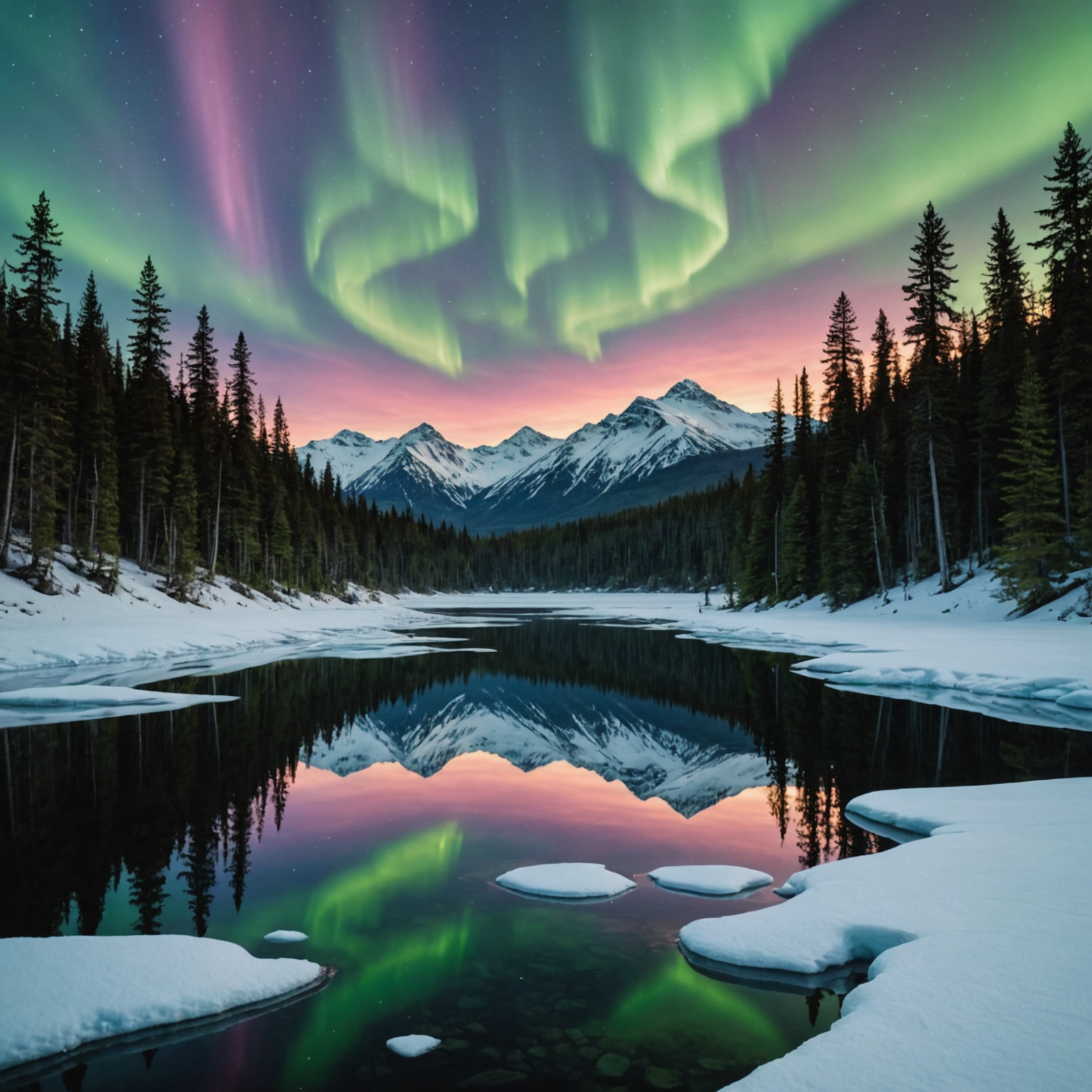
Is it possible to see the Northern Lights while ski mountaineering?
Yes, with clear skies and the right conditions, you may witness the Northern Lights during your trip. For tips on viewing, check out Best Month to See Northern Lights in Alaska.
What should I pack for a ski mountaineering trip in Alaska?
Pack essential ski gear, avalanche safety equipment, navigation tools, and appropriate clothing for cold weather. Always prepare for sudden weather changes and extended exposure to the elements.