Introduction
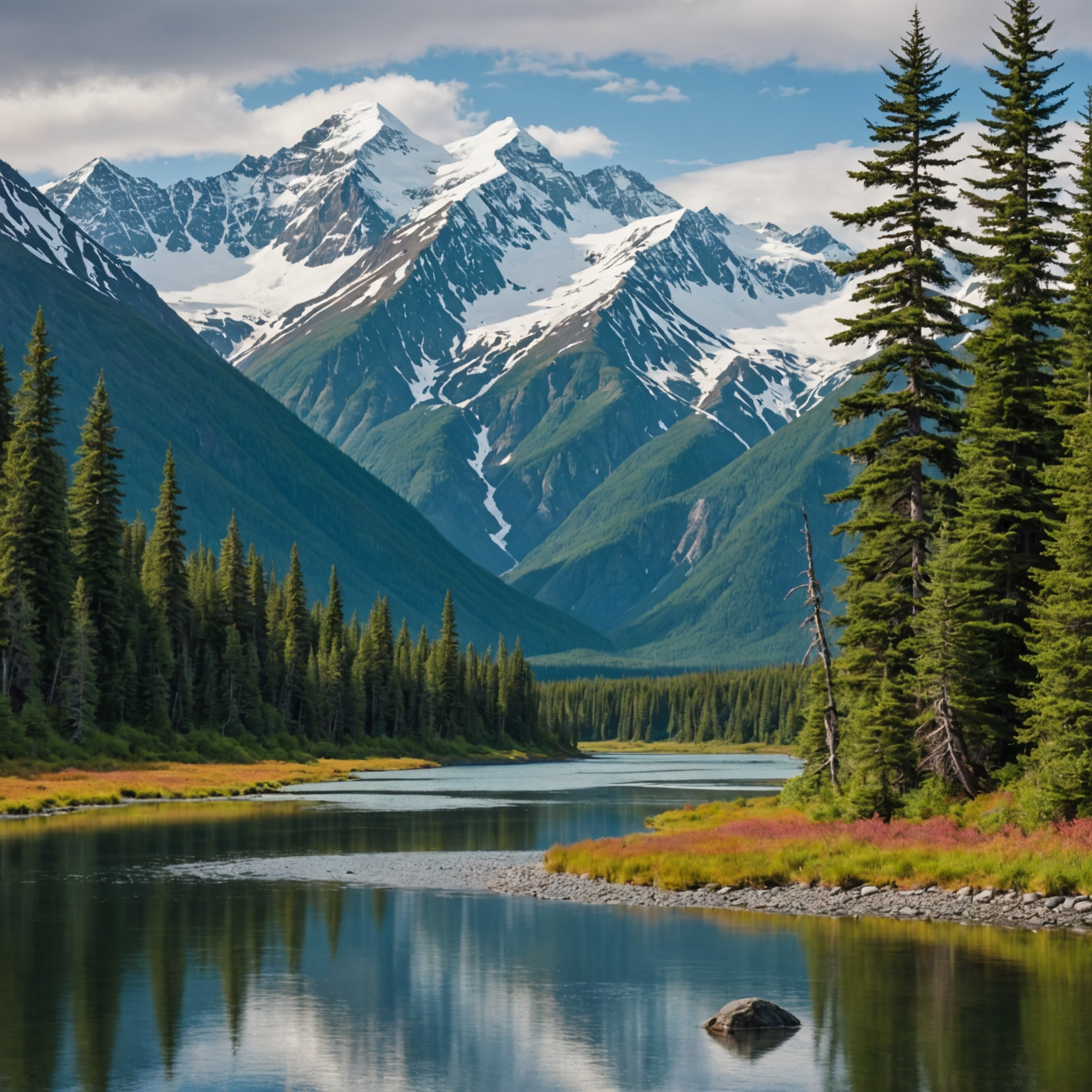
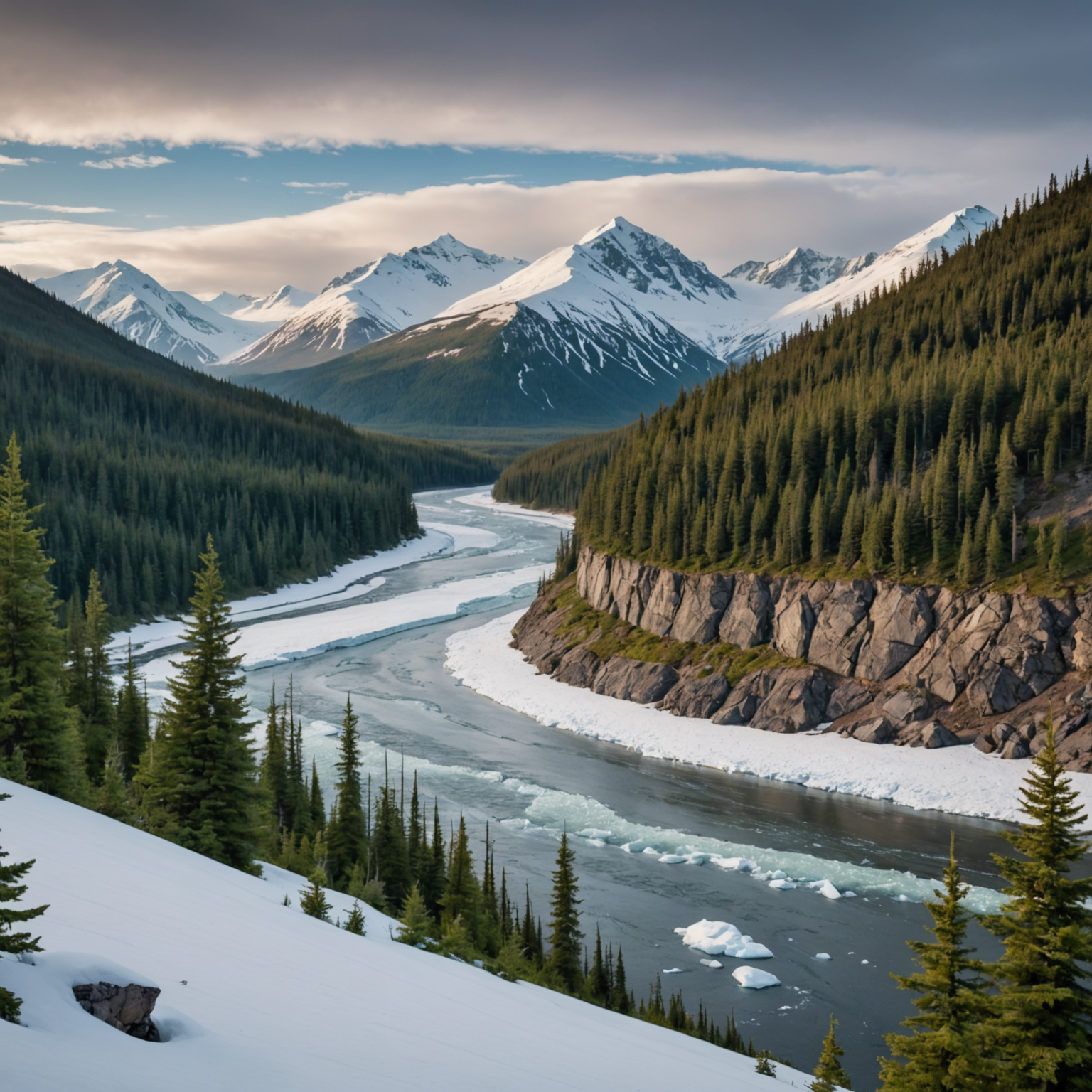
Nestled between the stunning Kenai Mountains and the glistening waters of Resurrection Bay, Seward, Alaska, is a hiker’s paradise. Known for its breathtaking landscapes, Seward offers a variety of trails that wind through lush forests, alongside glacial rivers, and up rugged mountain paths. Whether you’re a seasoned trekker or a novice nature lover, Seward trails provide an unforgettable hiking experience that showcases some of the most iconic views in Alaska, including majestic glaciers and towering peaks. This guide will introduce you to the top trails in Seward, helping you plan your next adventure in this remarkable part of the world.
[spronix_cta key=”seward-area”]
Seward Trails Overview
Seward is a gateway to numerous trails that vary in difficulty and length, catering to all levels of hikers. The trails here offer unique opportunities to witness Alaska’s natural beauty, from wildlife sightings to panoramic mountain vistas.
Harding Icefield Trail
One of the most popular trails in Seward is the Harding Icefield Trail, located within the Kenai Fjords National Park. This challenging 8.2-mile round-trip hike takes you through a series of ecosystems before rewarding you with views of the expansive Harding Icefield. The trailhead begins at the Exit Glacier area, where hikers can also explore shorter trails that provide closer views of the glacier itself. For more information on visiting Kenai Fjords National Park, check out the National Park Service website.
Exit Glacier Trails
If you’re looking for a shorter hike, the Exit Glacier area offers several options. The Glacier View Loop Trail is an easy one-mile trek that provides excellent views of the glacier. For those who wish to get a bit closer, the Edge of the Glacier Trail is a slightly longer and moderately difficult route that brings you near the glacier’s edge. These trails are perfect for family outings and those with limited time.
Lost Lake Trail
The Lost Lake Trail is another must-visit for hikers in Seward. This 14-mile round-trip trail leads you through dense forests and alpine meadows, ultimately opening up to the stunning Lost Lake. The trail is moderately difficult and is popular for both hiking and mountain biking. The serene beauty of the lake surrounded by towering peaks makes this a favored spot for photography enthusiasts.
Mount Marathon
For those seeking a more strenuous challenge, Mount Marathon offers a steep climb with rewarding views. The trail is approximately 4.5 miles round-trip, with a challenging ascent that attracts athletes each year for the famous Mount Marathon Race. The top of Mount Marathon provides panoramic views of Seward and Resurrection Bay, making the tough climb worthwhile.
Trail Safety and Preparation
Hiking in Seward, like the rest of Alaska, requires preparation and awareness of safety measures. Here are some tips to ensure a safe and enjoyable hiking experience:
Check Weather Conditions: Weather in Alaska can change rapidly. Before heading out, check the National Weather Service for the latest forecasts.
Wildlife Awareness: Bears and other wildlife are common in this region. Familiarize yourself with bear safety tips to minimize encounters.
Trail Markings and Navigation: Always stay on marked trails and carry a map. The U.S. Forest Service provides maps for many trails in the area.
Pack Essentials: Carry enough water, snacks, and appropriate clothing. Weather-appropriate gear is crucial, especially for longer hikes.
Leave No Trace: Practice Leave No Trace principles to preserve the beauty of the trails for future generations.
Other Activities in Seward
While hiking is a highlight in Seward, the area offers a plethora of other activities. From e-bike adventures to jet ski tours near Anchorage, there’s something for everyone. Consider extending your stay to explore these exciting adventures.
Conclusion
Seward’s trails offer a unique glimpse into Alaska’s rugged and pristine beauty. Whether you’re exploring the expansive views of the Harding Icefield, the serene shores of Lost Lake, or the challenging ascent of Mount Marathon, each trail promises an incredible adventure. With careful preparation and respect for nature, your experience on Seward trails will be both safe and unforgettable.
[spronix_cta key=”seward-area”]
FAQ
What is the best time to hike in Seward?
The best time to hike in Seward is from late May to early September when the trails are more accessible, and the weather is milder.
Are there guided hikes available in Seward?
Yes, several local tour companies offer guided hikes. These tours are an excellent option for those unfamiliar with the area or who prefer a guided experience.
Do I need a permit to hike in Kenai Fjords National Park?
No permits are required for day hikes in Kenai Fjords National Park. However, if you plan to camp overnight, you may need a permit. Check the National Park Service website for details.
Can I see wildlife on these trails?
Yes, wildlife such as bears, moose, and eagles are commonly seen. Always keep a safe distance and follow wildlife safety guidelines.
What should I pack for a day hike in Seward?
Pack water, snacks, a map, a first-aid kit, rain gear, and bear spray. Dress in layers to accommodate changing weather conditions.
Is it possible to hike in the winter?
Winter hiking is possible but requires additional preparation. Trails can be icy and snow-covered, so proper gear and experience in winter hiking are essential.
Are dogs allowed on Seward trails?
Dogs are allowed on most trails but must be kept on a leash. Always check specific trail regulations before heading out.
How do I get to Seward from Anchorage?
Seward is about a 2.5-hour drive from Anchorage. The scenic drive along the Seward Highway is part of the adventure. For other travel options, visit Travel Alaska.