Introduction
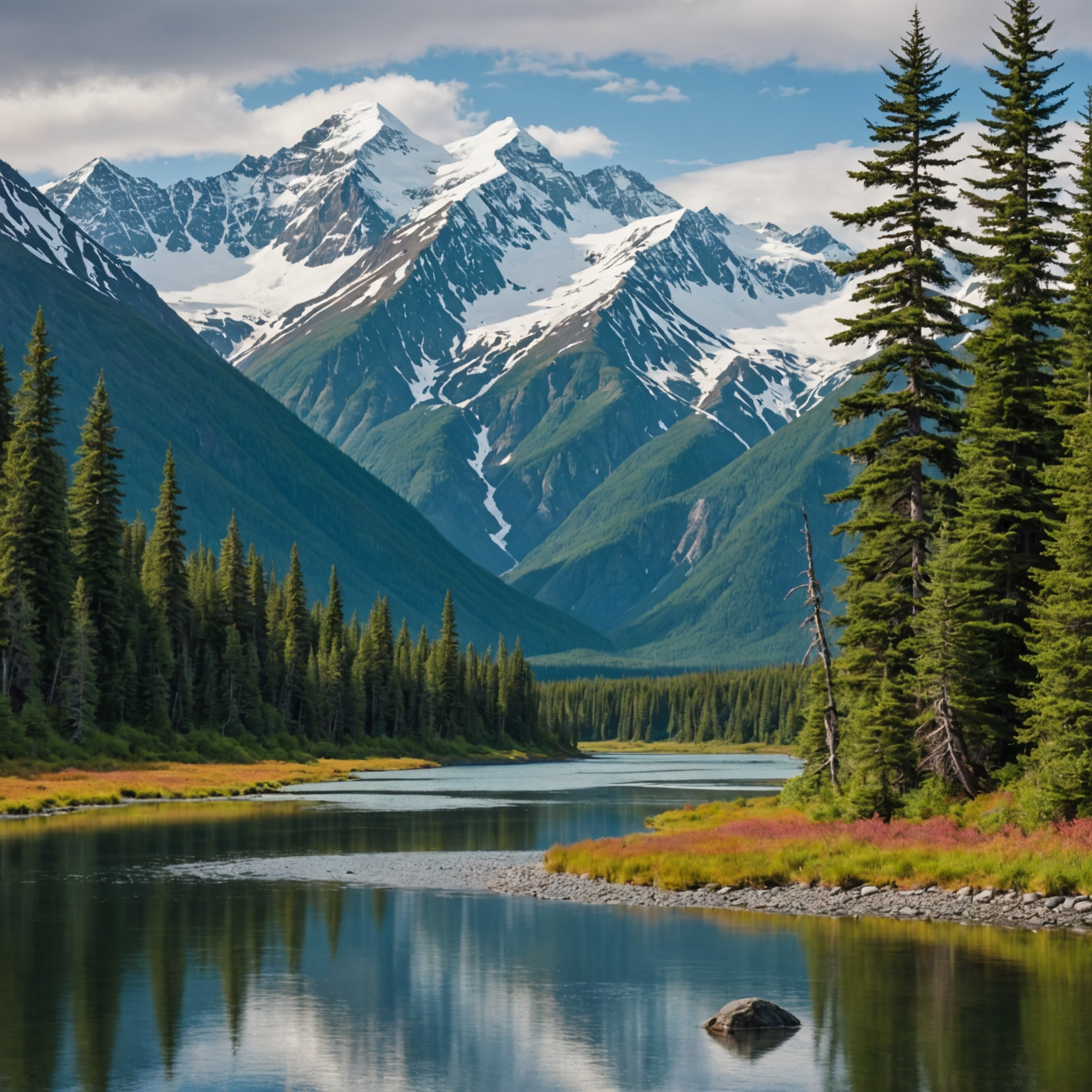
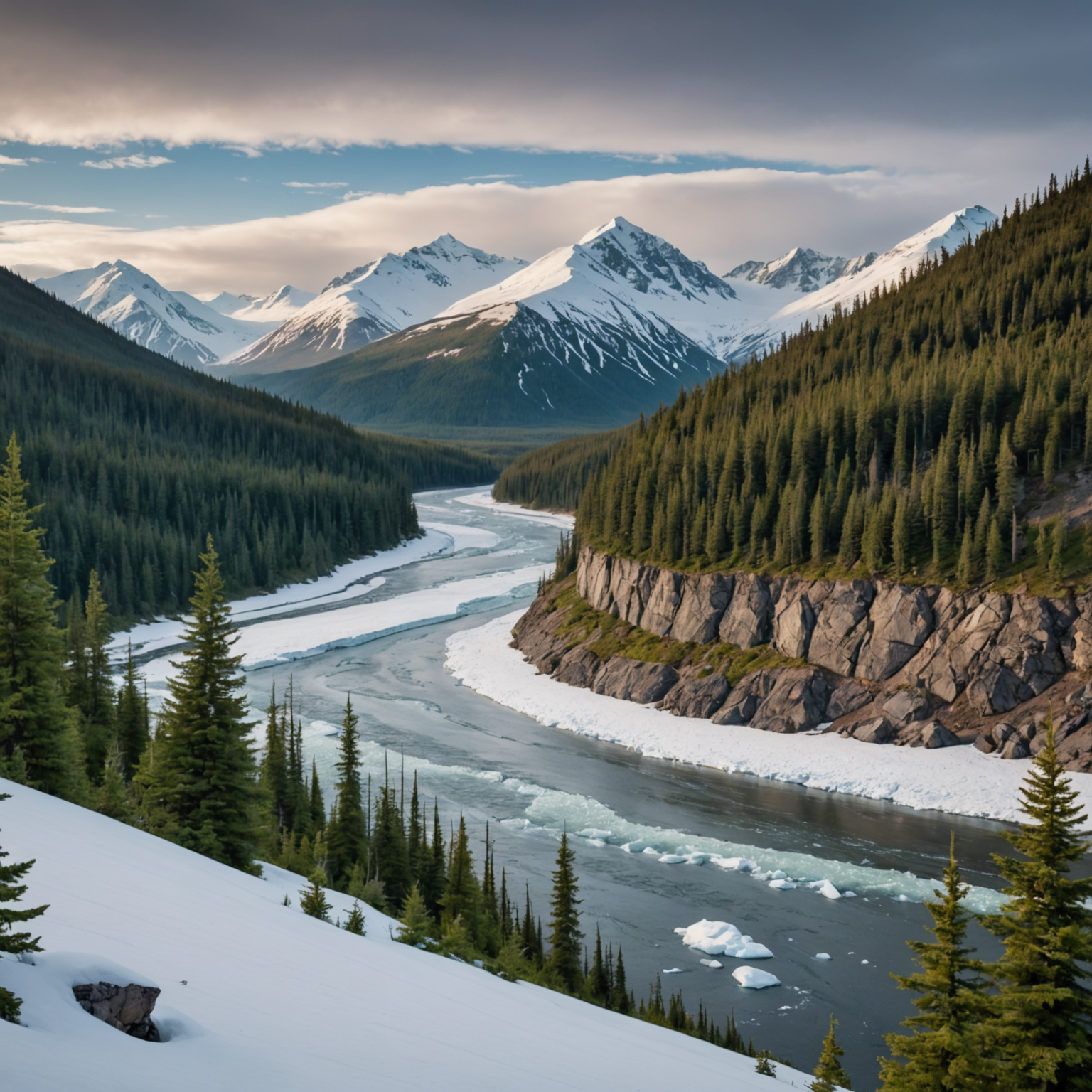
Nestled between the rugged mountains and the pristine waters of Resurrection Bay, Seward, Alaska, offers some of the most breathtaking hiking trails in the world. Known for its stunning glacier views and abundant wildlife, Seward is a hiker’s paradise. Whether you’re an experienced trekker or a casual stroller, the Seward hiking trails provide an unforgettable experience that blends adventure with the serene beauty of the Alaskan wilderness.
[spronix_cta key=”seward-area”]
Seward’s Iconic Hiking Trails
Seward is home to a variety of hiking trails that cater to all levels of experience. From leisurely walks to challenging treks, each trail offers unique views and experiences. Here, we’ll explore some of the most popular trails in the area.
Mount Marathon Trail
Famous for hosting the annual Mount Marathon Race, this trail is a must-visit for any hiking enthusiast. The trailhead begins in the heart of Seward and ascends rapidly, providing a challenging climb that rewards hikers with panoramic views of the town and Resurrection Bay. The trail is steep and rocky, making it suitable for experienced hikers seeking a vigorous workout.
Exit Glacier Trail
One of the most accessible glaciers in Alaska, Exit Glacier is part of the Kenai Fjords National Park. The trail to the glacier is well-maintained and offers a relatively easy hike suitable for families and casual hikers. Along the way, interpretive signs provide insights into the glacier’s history and the surrounding ecosystem. For those interested in a more challenging hike, the Harding Icefield Trail extends from this point, offering a more strenuous journey with spectacular views.
Tonsina Point Trail
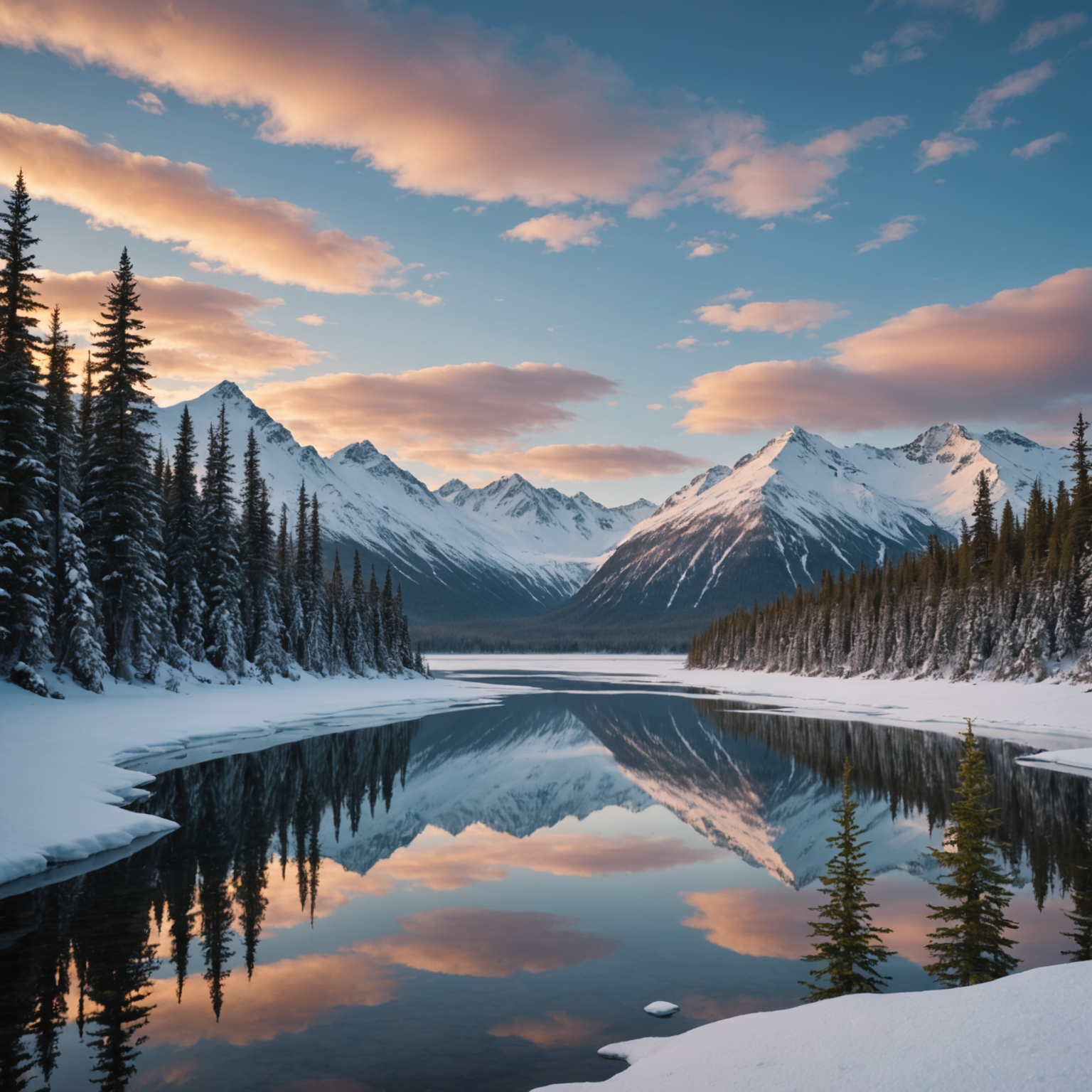
For those seeking a combination of forest and ocean views, the Tonsina Point Trail is an excellent choice. This trail winds through lush forests and opens up to the beautiful coastline of Resurrection Bay. It’s a great spot for bird watching and spotting sea otters in the bay. The trail is relatively flat and accessible, making it perfect for all skill levels.
Caines Head Trail
The Caines Head Trail offers a longer hike that takes you through deep forests and along the rugged coastline to the historic Fort McGilvray. This trail is a fantastic opportunity for history enthusiasts to explore the remnants of World War II fortifications while enjoying the stunning natural surroundings. The trail is moderately difficult, with sections that require caution, especially during high tides.
Lost Lake Trail
As one of the longest trails near Seward, the Lost Lake Trail offers an immersive experience into the Alaskan wilderness. The trail features diverse landscapes, including alpine meadows, dense forests, and a crystal-clear lake nestled in the mountains. This hike is ideal for those looking to spend a full day exploring the area and is best enjoyed during the summer months when wildflowers are in full bloom.
Planning Your Hike
When planning a hike in Seward, it’s essential to consider a few key factors:
- Weather: The weather in Alaska can change rapidly. It’s crucial to check the National Weather Service for the latest updates before heading out.
- Safety: Always practice bear safety by carrying bear spray and making noise on the trail to avoid surprising wildlife. The Alaska Department of Fish and Game provides valuable tips for hiking in bear country.
- Permits and Regulations: Some trails may require permits. Check with Recreation.gov for the latest information on permits and trail conditions.
Conclusion
Seward’s hiking trails offer a unique blend of adventure, natural beauty, and serenity. Whether you’re gazing at a glacier, exploring historical sites, or simply enjoying a peaceful walk in the forest, the trails in Seward promise an unforgettable experience. As you plan your Alaskan adventure, consider exploring the rich history of dog sledding in the area by visiting these fascinating tours.
[spronix_cta key=”seward-area”]
FAQ
What is the best time of year to hike in Seward?
The best time to hike in Seward is during the summer months, from June to September, when the weather is milder, and the trails are more accessible.
Are the trails in Seward suitable for beginners?
Yes, several trails, like the Exit Glacier Trail and Tonsina Point Trail, are suitable for beginners. They offer easy to moderate hikes with beautiful views.
Do I need a guide to hike in Seward?
While it’s not necessary to have a guide, those unfamiliar with the area may benefit from guided tours. They can provide insights into the local flora and fauna and ensure a safe hiking experience.
What wildlife might I encounter on the trails?
Hikers may encounter wildlife such as bears, moose, and various bird species. It’s essential to follow safety guidelines and maintain a respectful distance from all wildlife.
Can I hike in Seward during the winter?
Winter hiking is possible, but trails can be icy and challenging. It’s crucial to have the proper gear and check trail conditions beforehand.
Are there any guided tours available in Seward?
Yes, there are numerous guided tours available that offer unique experiences, from glacier hikes to dog sledding. Check out these popular tours for more information.
What should I pack for a hike in Seward?
Pack essentials like water, snacks, a map, a first aid kit, warm clothing, and bear spray. Always be prepared for sudden weather changes.
How can I learn more about the history of the trails in Seward?
Exploring historical resources, such as the National Park Service website, can provide valuable information on the history and significance of these trails.