Introduction
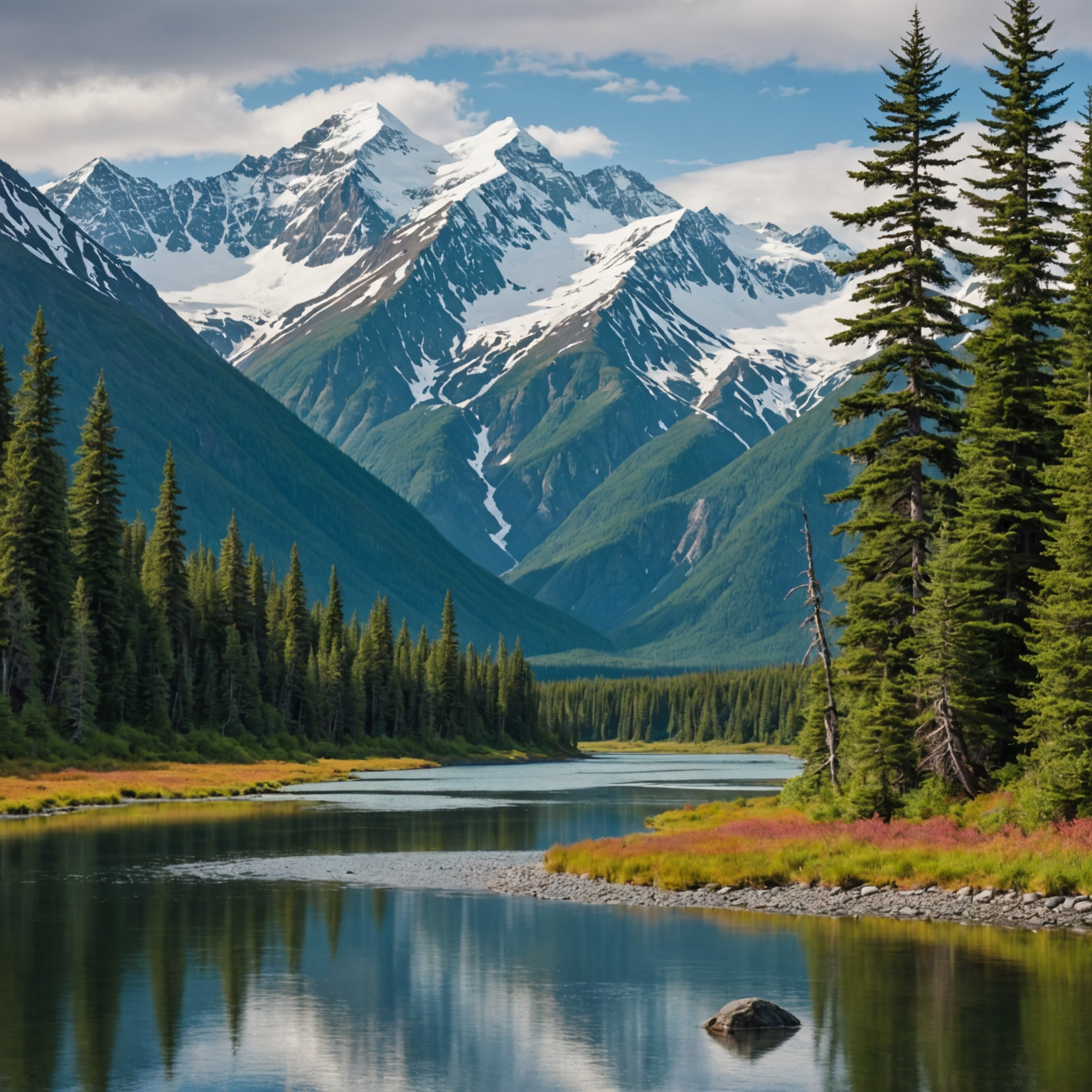
Nestled between majestic mountains and the pristine waters of Resurrection Bay, Seward, Alaska, offers some of the most breathtaking hiking trails in the world. Known for its stunning glacier views and diverse wildlife, Seward is a haven for outdoor enthusiasts seeking adventure and tranquility. Whether you’re a seasoned hiker or a beginner, Seward’s trails provide an unforgettable experience that showcases the natural beauty of Alaska.
[spronix_cta key=”seward-area”]
Discovering Seward’s Hiking Trails
Exit Glacier and Harding Icefield Trail
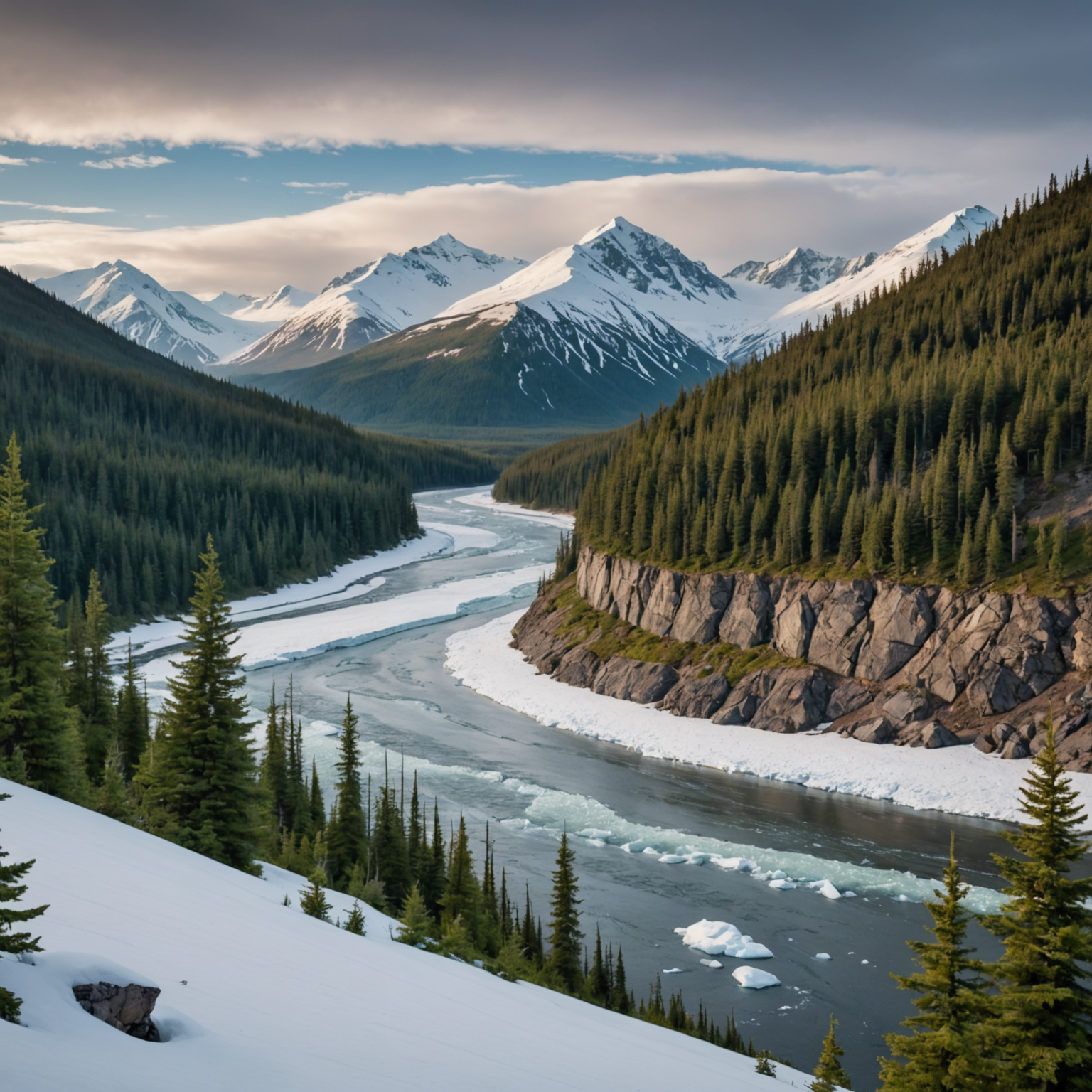
One of the most popular trails in Seward is the Harding Icefield Trail, located within Kenai Fjords National Park. This challenging 8.2-mile round-trip hike offers spectacular views of Exit Glacier and the expansive Harding Icefield. With an elevation gain of over 3,000 feet, hikers are rewarded with panoramic vistas of snow-capped peaks and icy expanses. It’s essential to check the National Park Service website for trail conditions and safety updates before embarking on this adventure.
Caines Head State Recreation Area
For those interested in coastal scenery, the Caines Head Trail is a must-visit. This 14-mile round-trip hike takes you along stunning beaches and through lush forests, eventually leading to the historic Fort McGilvray. The trail is accessible via the Alaska State Parks and offers opportunities for birdwatching and spotting marine wildlife. Be sure to time your hike with the tides to avoid getting stranded on the beach.
Lost Lake Trail
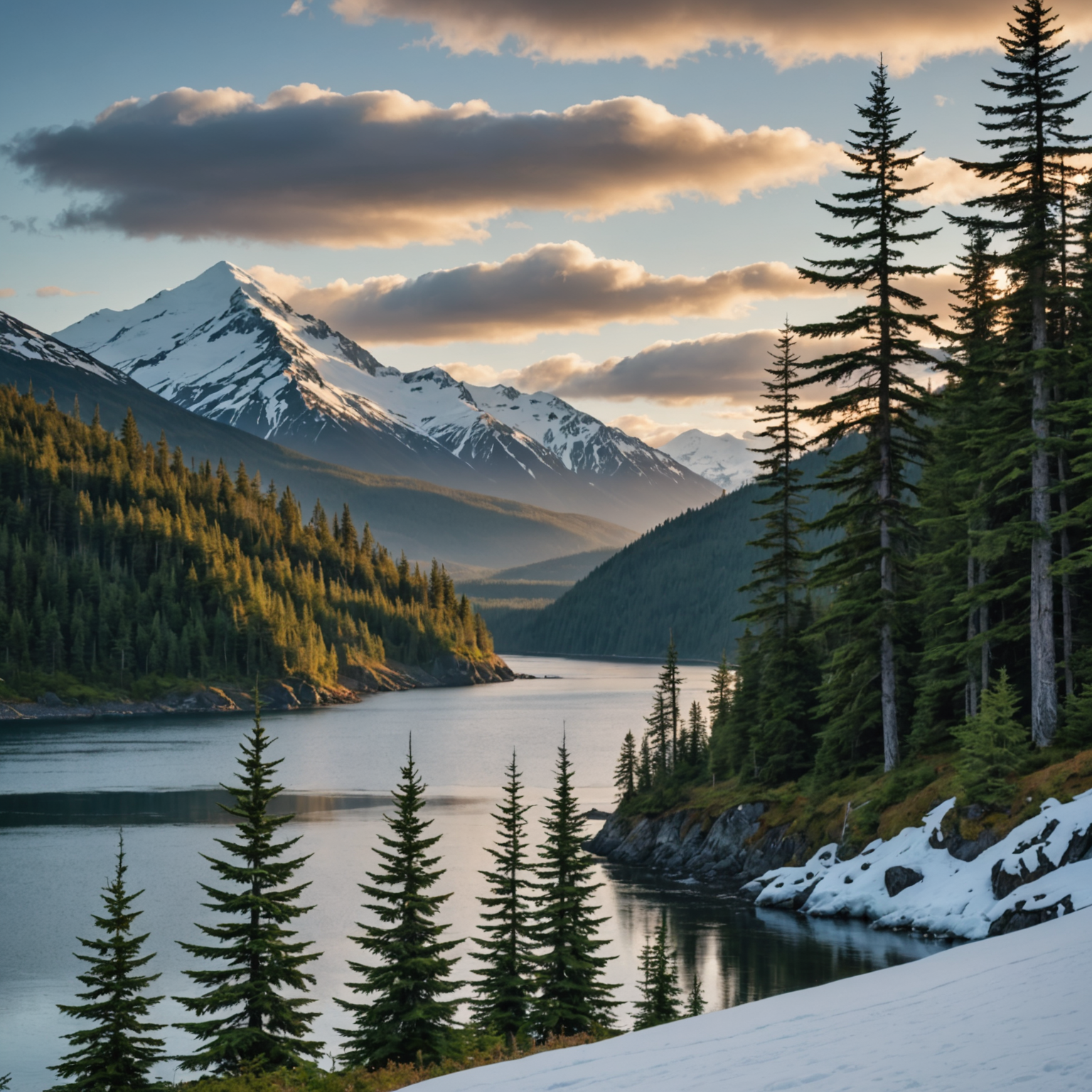
The Lost Lake Trail is famous for its wildflower-covered meadows and awe-inspiring views of Resurrection Bay. This 15-mile round-trip hike is considered moderate and is perfect for those looking to immerse themselves in nature without the intensity of a strenuous climb. The trail is open for hiking in the summer and transforms into a popular snowshoeing path in the winter. Visit Travel Alaska for more information on seasonal trail accessibility.
Tonsina Point Trail
A shorter and less demanding option is the Tonsina Point Trail, a 3.5-mile round-trip hike that is ideal for families and casual hikers. This trail meanders through lush forests and along the shoreline, offering plenty of opportunities to explore tide pools and enjoy a picnic with a view. Make sure to practice Leave No Trace principles to preserve the natural beauty of the area.
Bear Mountain Trail
For those seeking a more secluded hiking experience, the Bear Mountain Trail offers a quieter retreat. This 4-mile round-trip hike provides stunning views of Resurrection Bay and the surrounding mountains. As the trail is less traveled, it’s crucial to be prepared for wildlife encounters and to follow safety guidelines from the Alaska Department of Fish and Game.
Planning Your Hiking Adventure
Safety and Preparation
Hiking in Alaska requires careful planning and preparation. Weather conditions can change rapidly, so it’s vital to check the National Weather Service for updates before heading out. Ensure you have the appropriate gear, including layered clothing, sturdy footwear, and a map or GPS device. Familiarize yourself with bear safety practices and carry bear spray as a precaution.
When to Visit
The best time to hike in Seward is during the summer months, from June to September, when the trails are most accessible and the weather is milder. However, some trails, like Lost Lake, offer winter activities such as snowshoeing. If you’re planning a winter visit, consider exploring the northern lights for a magical Alaskan experience.
Additional Activities
Seward’s hiking trails are just one of the many activities available in the area. Visitors can also enjoy dog sledding tours or explore the scenic beauty of the Kenai Fjords on a guided boat tour. For those interested in a unique Alaskan experience, consider staying at a cabin rental to fully immerse yourself in nature.
Conclusion
Seward, Alaska, is a hiker’s paradise, offering trails that range from easy coastal walks to challenging glacier hikes. With each step, you’ll be surrounded by the unparalleled beauty of Alaska’s wilderness. Whether you’re drawn to the stunning vistas of the Harding Icefield or the serene shores of Tonsina Point, Seward’s hiking trails promise an adventure you’ll cherish forever.
[spronix_cta key=”seward-area”]
FAQ
What is the best time to hike in Seward, Alaska?
The ideal time for hiking in Seward is from June to September, when the weather is milder, and the trails are more accessible. However, some trails, like Lost Lake, offer winter activities such as snowshoeing.
Are there any easy trails in Seward for beginners?
Yes, the Tonsina Point Trail is a great option for beginners or families, offering a 3.5-mile round-trip hike with beautiful shoreline views and opportunities for picnicking.
What should I bring for a hike in Seward, Alaska?
It’s important to bring layered clothing, sturdy footwear, bear spray, a map or GPS device, and check the National Weather Service for weather updates before your hike.
Can I see wildlife on the hiking trails in Seward?
Yes, Seward’s trails offer opportunities to see a variety of wildlife, including birds, marine animals, and possibly bears. Ensure you follow proper safety guidelines and practice Leave No Trace principles.
Is there a trail that offers views of a glacier?
The Harding Icefield Trail offers spectacular views of Exit Glacier and the expansive Harding Icefield. It’s a challenging 8.2-mile round-trip hike that is well worth the effort for the stunning vistas.
How can I ensure my safety from wildlife while hiking?
To ensure safety, familiarize yourself with bear safety practices from the Alaska Department of Fish and Game and carry bear spray as a precaution.
Are there guided tours available for hiking in Seward?
Yes, guided tours are available, especially for more challenging hikes like the Harding Icefield Trail. You can find more information on guided experiences through Travel Alaska.
What other activities can I do in Seward besides hiking?
In addition to hiking, consider exploring dog sledding tours, visiting the Kenai Fjords on a boat tour, or staying in a cabin rental for a unique Alaskan experience.