Introduction
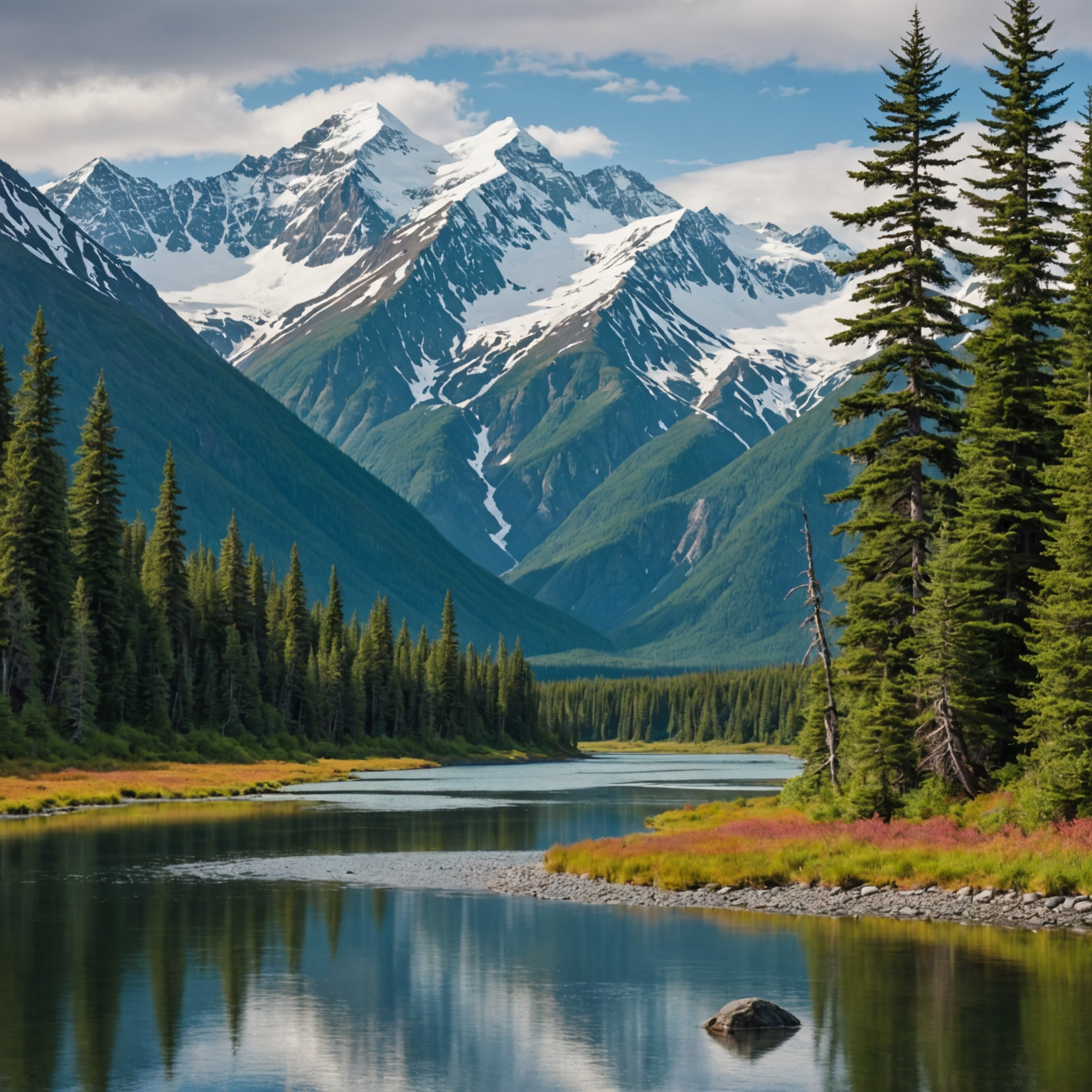
Nestled in the heart of Alaska’s Kenai Peninsula, Seward offers adventurers a gateway to some of the most breathtaking glacier hikes in the world. Whether you’re a seasoned hiker or a curious traveler, the Seward Alaska glacier hike is an experience that promises awe-inspiring views, encounters with unique wildlife, and an unforgettable connection with nature. This comprehensive guide will walk you through everything you need to know to make the most of your glacier hike in Seward, Alaska.
[spronix_cta key=”glacier-adventures”]
Understanding Seward’s Glaciers
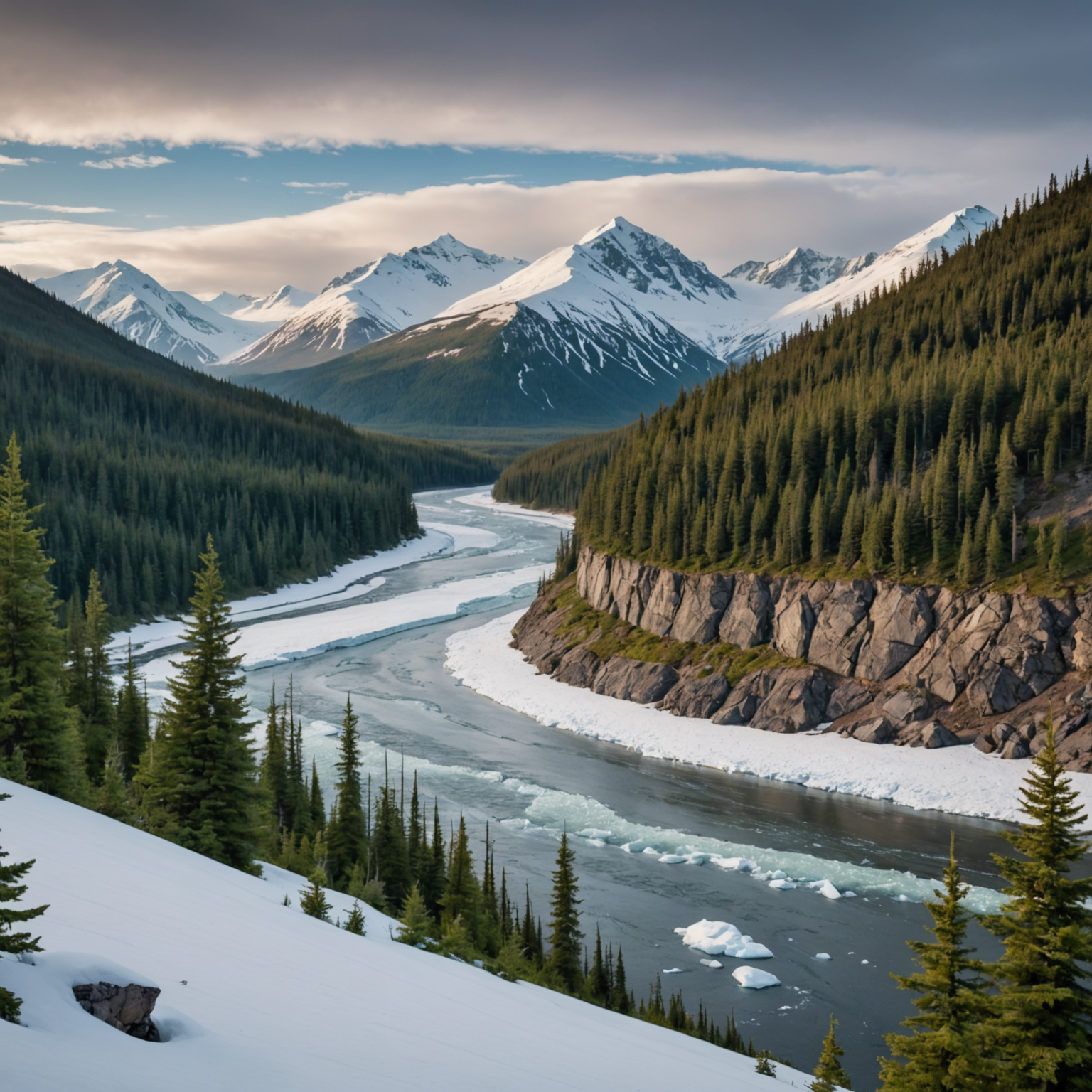
Seward is home to several magnificent glaciers, including the famous Exit Glacier, part of the expansive Harding Icefield. These glaciers are not only natural wonders but also key indicators of climate change, making them essential stops for educational and environmental awareness.
Exit Glacier
Exit Glacier is one of the most accessible glaciers in the state, located just a short drive from downtown Seward. The trailhead begins at the Kenai Fjords National Park visitor center, offering a variety of trails for different skill levels. The main trail to the glacier is a moderately easy hike, approximately 2.2 miles round trip, with interpretive signs along the way detailing the glacier’s retreat over the years.
The Harding Icefield Trail
For those seeking a more challenging adventure, the Harding Icefield Trail offers a strenuous 8.2-mile round trip trek. This trail rewards hikers with panoramic views of the icefield, a vast expanse of ice that feeds over 40 glaciers, including Exit Glacier. It’s a demanding hike, but the stunning vistas make every step worth the effort.
Planning Your Glacier Hike
Planning is crucial for a successful glacier hike in Seward. Here are some essential considerations:
Best Time to Visit
The best time to embark on a glacier hike in Seward is during the summer months, from late May to early September. During this period, the weather is milder, and the trails are more accessible. For those interested in combining their hiking adventure with a chance to witness the northern lights, consider visiting in late September. For more insights on planning your trip, check out our guide on how to plan perfect Alaska trips for northern lights tours.
Safety Considerations
Safety should always be a priority when hiking near glaciers. The Chugach National Forest provides excellent resources for understanding trail conditions and weather updates. It’s also wise to be aware of potential wildlife encounters and to carry bear spray as a precaution. For more tips on staying safe in Alaska’s wilderness, visit this page.
What to Bring
Packing the right gear is essential. Sturdy hiking boots, layered clothing, and a backpack with snacks and plenty of water are must-haves. Don’t forget a camera to capture the stunning landscapes. For those venturing onto the Harding Icefield Trail, consider bringing trekking poles for added stability.
Guided Tours vs. Independent Hiking
Deciding between a guided tour or hiking independently depends on your experience and preference. Guided tours offer several advantages, including expert knowledge, safety, and the opportunity to learn about the local ecology and geology. If you’re new to glacier hiking, starting with a guided tour is highly recommended. For those who prefer to explore independently, ensure you’re well-prepared and informed about the trails and conditions.
Conclusion
A Seward Alaska glacier hike is more than just a physical challenge; it’s a journey into the heart of Alaska’s natural beauty and environmental significance. Whether you choose a leisurely walk to Exit Glacier or the demanding climb to the Harding Icefield, you’re sure to leave with memories that will last a lifetime. As you plan your adventure, consider extending your trip to include other thrilling activities in Alaska, such as dog sledding or exploring the best places and activities in Alaska.
[spronix_cta key=”glacier-adventures”]
FAQ
What is the best time of year for a Seward Alaska glacier hike?
The best time for a glacier hike in Seward is from late May to early September when the weather is mild and the trails are accessible.
Do I need special equipment for a glacier hike?
While basic hiking gear is sufficient for most trails, the Harding Icefield Trail may require trekking poles. Always wear sturdy boots and pack appropriately for the weather.
Are guided tours recommended for first-time hikers?
Yes, guided tours are highly recommended for beginners as they provide safety, guidance, and educational insights into the glaciers.
Can I see wildlife during the hike?
Yes, the trails around Seward are home to various wildlife, including birds, bears, and mountain goats. Always maintain a safe distance and follow park guidelines.
Is it possible to combine a glacier hike with other activities?
Absolutely! Consider pairing your hike with other adventures like dog sledding or visiting northern lights viewing lodges.
What should I do if I encounter a bear on the trail?
Stay calm, do not run, and slowly back away while keeping the bear in sight. Carrying bear spray and knowing how to use it is also advisable.
How long does the Harding Icefield Trail take to hike?
The Harding Icefield Trail is an 8.2-mile round trip and typically takes 6 to 8 hours to complete, depending on your pace and trail conditions.
Are there any age or fitness restrictions for hiking the glaciers?
While there are no specific age restrictions, the trails vary in difficulty. The Exit Glacier trail is suitable for families, while the Harding Icefield Trail is more demanding and requires good physical fitness.