Introduction
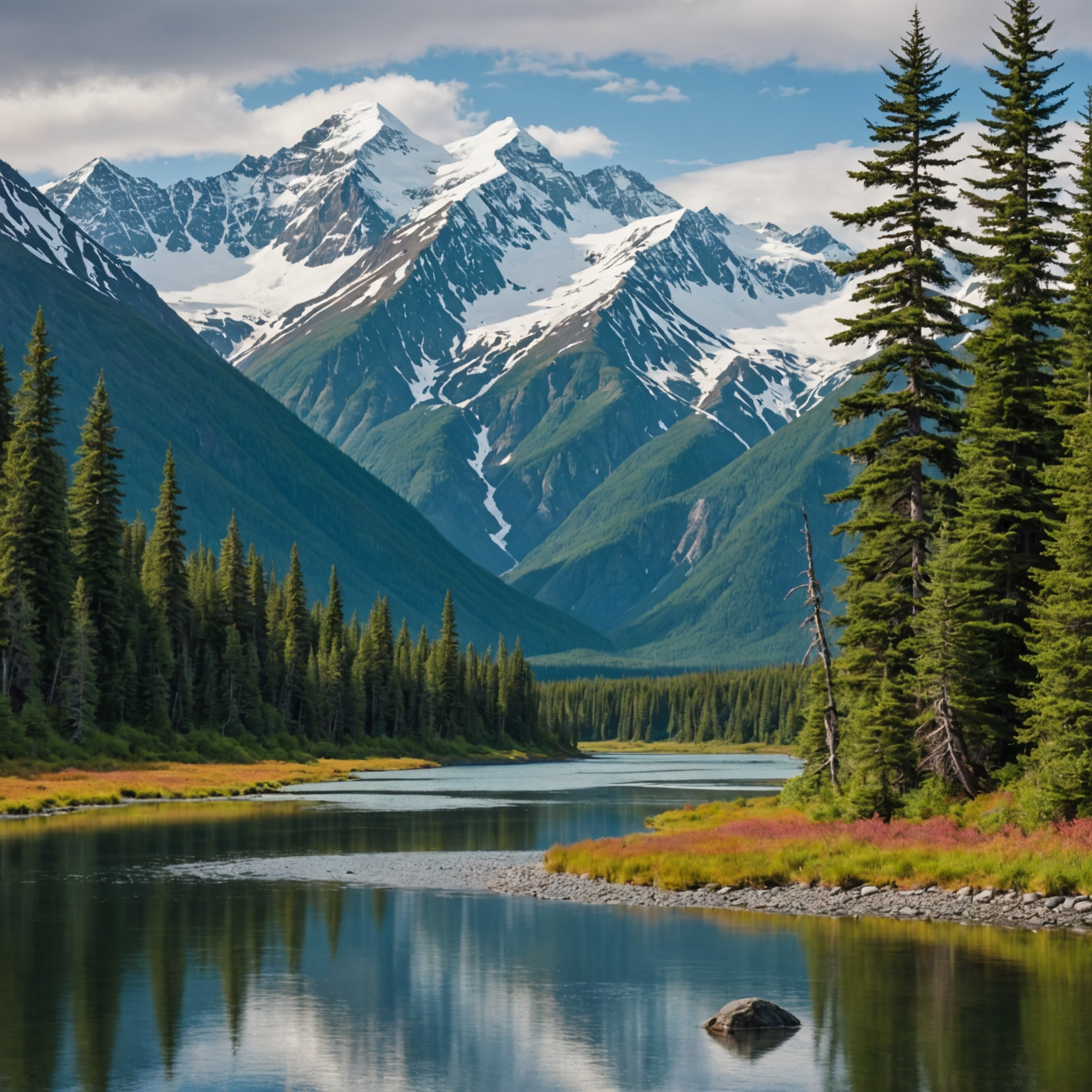
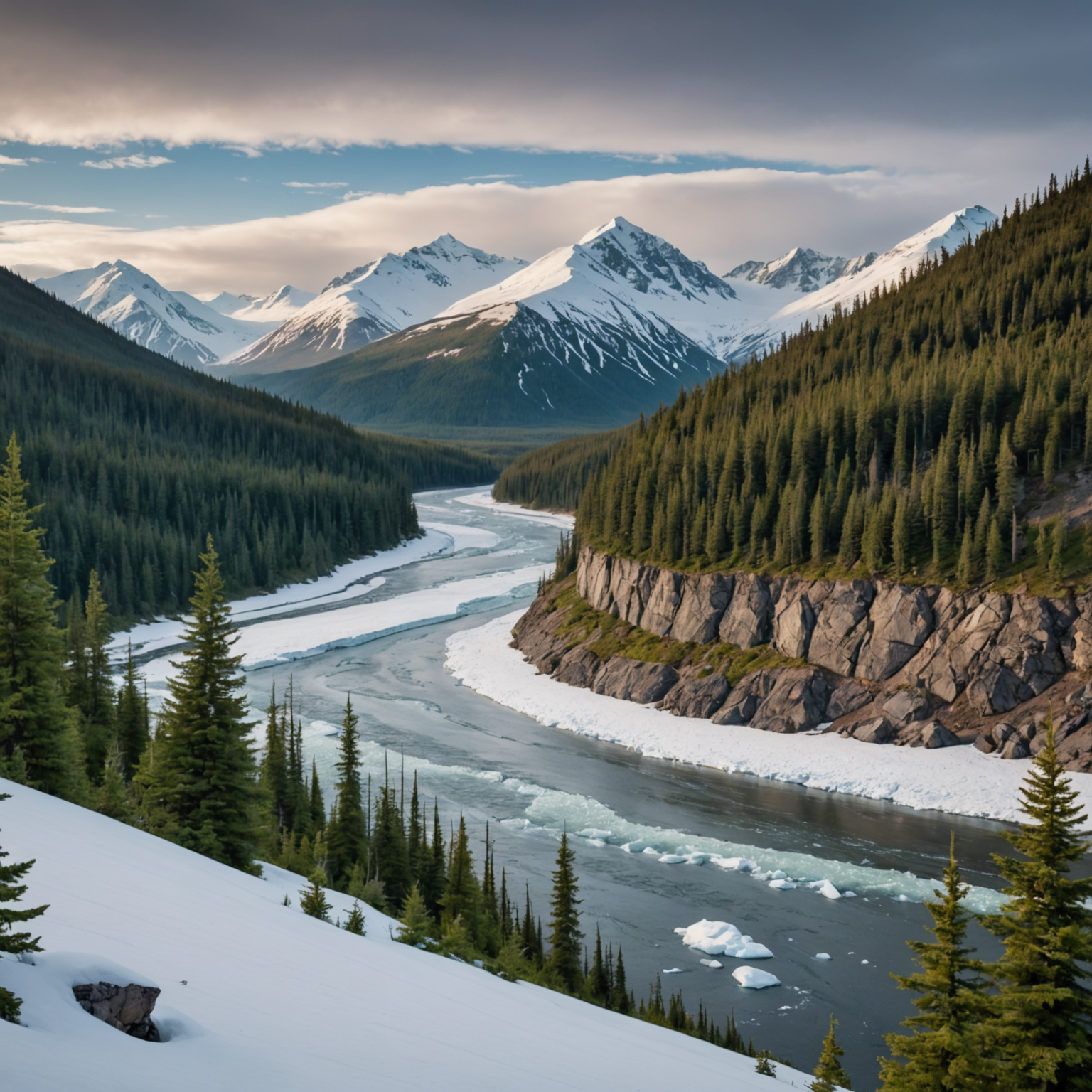
Nestled in the Chugach National Forest, the Portage Glacier Hike presents an unparalleled opportunity to experience Alaska’s icy landscapes up close. This trail offers hikers the chance to witness the grandeur of the Portage Glacier, a remnant of the last Ice Age, while enjoying a moderately challenging trek through stunning wilderness. Whether you’re an experienced hiker or a curious traveler eager to explore Alaska’s natural beauty, the Portage Glacier Hike promises a memorable adventure.
[spronix_cta key=”glacier-adventures”]
The Trail Experience
Getting There
Starting your journey to the Portage Glacier Hike is an adventure in itself. Located about an hour’s drive from Anchorage, the trailhead is accessible via the Seward Highway, a scenic route renowned for its breathtaking views of the Turnagain Arm and the Chugach Mountains. As you journey along this highway, consider making a stop at Bird Creek to Girdwood for an exhilarating e-bike tour.
Trail Overview
The Portage Glacier Hike is approximately five miles round trip, offering a moderate challenge suitable for most hikers. The trail winds through lush forests, across streams, and along a rugged path that opens up to panoramic views of the glacier and surrounding peaks. Hikers should be prepared for variable conditions; weather in Alaska can change rapidly, so layering your clothing is advisable.
Wildlife and Flora
As you hike, keep an eye out for the diverse array of wildlife that calls this area home. You may spot moose, bears, or even the occasional bald eagle soaring overhead. It’s essential to stay informed about bear safety and trail etiquette, which you can learn more about here. The trail is also dotted with wildflowers in the warmer months, offering bursts of color against the verdant backdrop.

Planning Your Visit
Best Time to Visit
The ideal time to embark on the Portage Glacier Hike is between late spring and early fall, when the trail is most accessible, and the weather is milder. For current weather conditions and updates, the National Weather Service Alaska Region provides reliable forecasts.
What to Pack
Pack essentials such as water, snacks, a map or GPS device, and bear spray for safety. Dress in layers to accommodate the fluctuating temperatures and bring a waterproof jacket in case of rain. For those interested in a guided experience, consider exploring custom tours that offer expert insights into the region’s geology and ecology.
Responsible Hiking
Practicing Leave No Trace principles is crucial to preserving the pristine beauty of Portage Glacier. For guidelines on minimizing your environmental impact, visit the Leave No Trace Center for Outdoor Ethics.

Additional Activities
For those seeking more adventure after the hike, the Chugach National Forest offers numerous recreational activities. Consider a dog sled ride for a thrilling way to explore the wintry landscape, or join a snowmobile adventure for an adrenaline-pumping experience.
Conclusion
The Portage Glacier Hike is more than just a trail; it is a journey through time where you can witness the power of nature and the serene beauty of Alaska’s wilderness. Whether you’re standing at the glacier’s edge or exploring the surrounding areas, this hike offers an unforgettable glimpse into the natural wonders of the Last Frontier.
[spronix_cta key=”glacier-adventures”]
FAQ
How difficult is the Portage Glacier Hike?
The hike is considered moderate, suitable for most hikers with a reasonable level of fitness. It involves some elevation gain and rough terrain.
Can I visit the glacier year-round?
While the trail is accessible year-round, conditions vary significantly with the seasons. It’s best to visit between late spring and early fall for the most enjoyable experience.
Are there guided tours available?
Yes, guided tours are available and can enhance your hiking experience with expert insights. Check out custom tours for more information.
Is the trail family-friendly?
Yes, families with older children who are used to hiking will find the trail manageable, though younger children may find it challenging.
What wildlife might I see on the hike?
You may encounter moose, bears, and various bird species. Always practice safe wildlife viewing and carry bear spray.
How do I stay safe from bears?
Familiarize yourself with bear safety guidelines from the Alaska Department of Fish and Game and carry bear spray.
Are there other activities nearby?
Absolutely! Consider activities like dog sledding or snowmobiling for a full Alaskan adventure experience.
What should I bring for the hike?
Bring water, snacks, a map or GPS, bear spray, and dress in layered clothing suitable for changing weather conditions.