Introduction
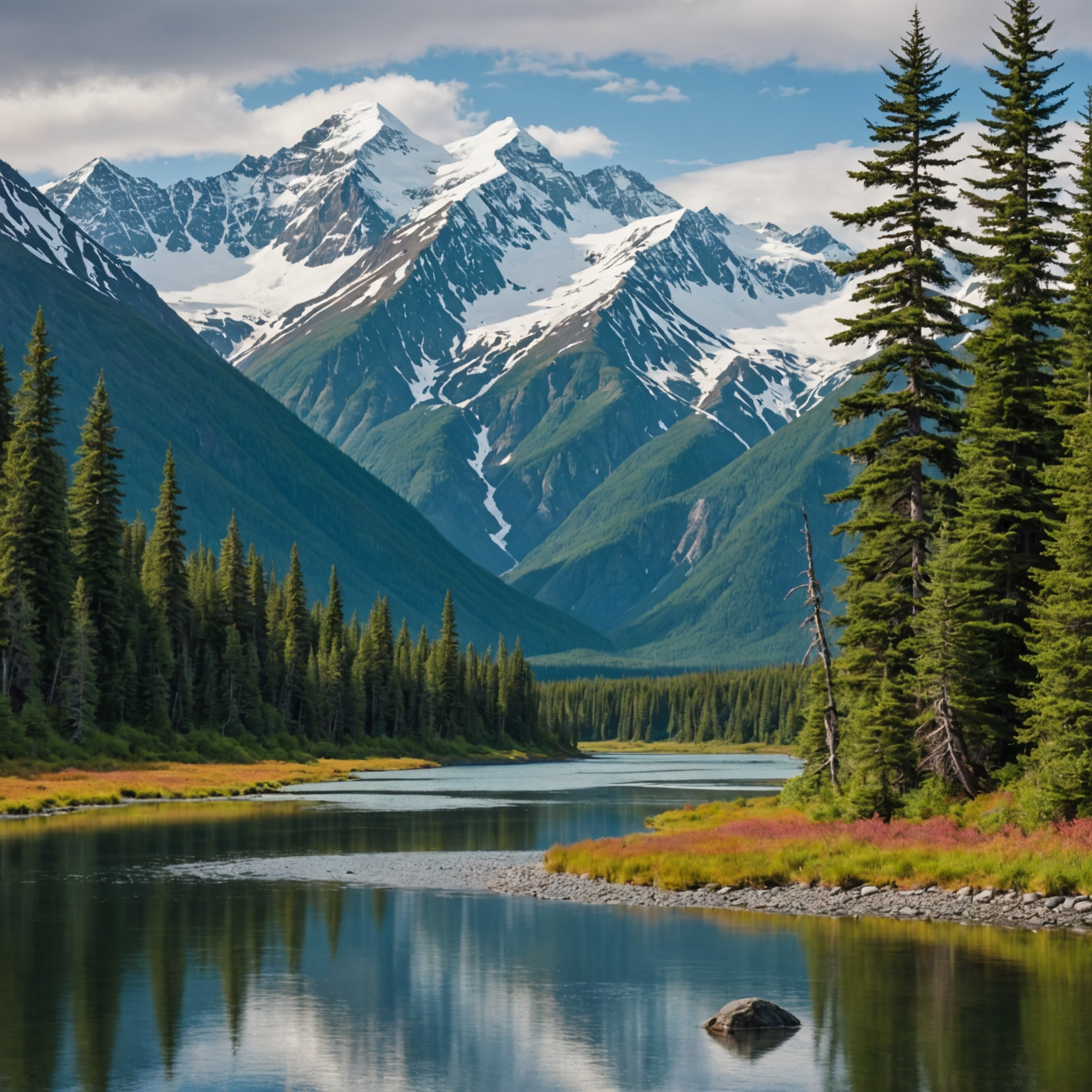
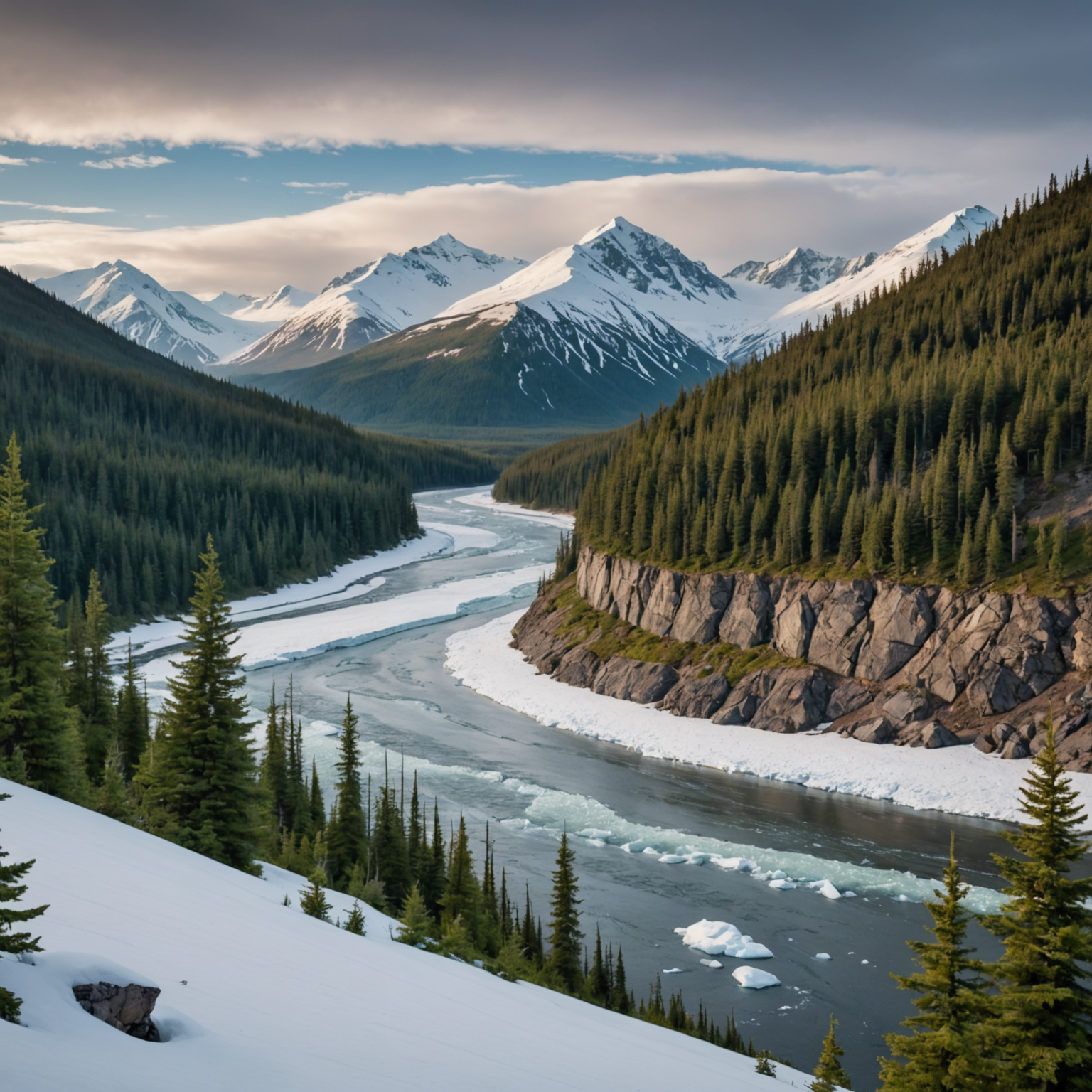
Packrafting in Alaska offers an unparalleled experience for adventure seekers and nature lovers alike. With its vast wilderness, glacial rivers, and stunning landscapes, Alaska is a premier destination for those looking to explore the great outdoors. This guide will walk you through planning packrafting trips in Alaska, highlighting the best routes, safety tips, and essential gear. Whether you’re a seasoned paddler or a beginner eager to explore, this comprehensive guide will help you make the most of your Alaskan adventure.
Exploring Packrafting in Alaska
Understanding Packrafting
Packrafting is a unique form of adventure travel that involves using a small, inflatable boat to navigate rivers and lakes. These lightweight, portable rafts can be carried in a backpack, making them ideal for exploring remote areas. In Alaska, packrafting provides access to pristine wilderness areas that are otherwise unreachable, offering paddlers the chance to experience the state’s natural beauty up close.
Top Packrafting Routes in Alaska
Denali National Park
Denali National Park is a must-visit for any packrafting enthusiast. The park’s rivers, such as the Nenana and Teklanika, offer thrilling whitewater and stunning views of Mount Denali. When planning a trip to Denali, make sure to check out the Discover Denali website for detailed trail information and park regulations.
Wrangell-St. Elias National Park
Wrangell-St. Elias, the largest national park in the United States, provides a vast playground for packrafters. The Copper River and its tributaries offer a range of experiences, from tranquil floats to challenging rapids. For more information on exploring this park, visit the Wrangell-St. Elias National Park page.
Kenai Fjords National Park
For those seeking an oceanic packrafting experience, Kenai Fjords National Park offers stunning coastal scenery and abundant wildlife. The park is known for its dramatic fjords and glaciers, making it a unique destination for adventurous paddlers. Check out the Kenai Fjords National Park site for more details on planning your trip.
Essential Gear for Packrafting
When planning a packrafting trip in Alaska, having the right gear is crucial for safety and comfort. Here’s a list of essentials:
- Packraft and Paddle: Choose a durable, lightweight packraft designed for the specific type of water you’ll encounter.
- Personal Flotation Device (PFD): A high-quality PFD is essential for safety on the water.
- Dry Suit or Wetsuit: Depending on the water temperature, a dry suit or wetsuit will keep you warm and protected.
- Waterproof Bags: Keep your gear dry with waterproof bags and cases.
- Navigation Tools: Carry a map, compass, and GPS device to help navigate the remote Alaskan wilderness.
For more tips on preparing for outdoor adventures in Alaska, explore our Planning an All-Inclusive Alaska Trip guide.
Safety Considerations
Safety is paramount when packrafting in Alaska’s remote wilderness. Here are some key safety tips:
- Check Weather Conditions: Before heading out, consult the National Weather Service Alaska Forecast for the latest weather updates.
- Bear Awareness: Learn about bear safety and how to store food properly by visiting the Alaska Department of Fish and Game site.
- Avalanche Precautions: If traveling in mountainous areas, review avalanche forecasts on the Chugach National Forest Avalanche Information Center website.
- Leave No Trace: Follow the Leave No Trace principles to minimize your impact on the environment.
Best Times to Packraft in Alaska
The best time for packrafting in Alaska is from late spring to early fall, typically May through September. During these months, the weather is milder, and the rivers are more navigable. However, conditions can vary significantly, so it’s essential to plan and prepare for unexpected weather changes.
Conclusion
Packrafting in Alaska is an unforgettable adventure that offers a unique perspective on the state’s breathtaking landscapes. By choosing the right routes, preparing thoroughly, and prioritizing safety, you can enjoy a rewarding and memorable experience. Whether navigating the wild rivers of Denali or exploring the coastal beauty of Kenai Fjords, Alaska’s wilderness awaits those ready to embark on a packrafting journey.
For additional adventure options in Alaska, consider reading about Alaska Summer Tours or explore our Guide to the Best Anchorage Alaska Day Tours.
FAQ
What is the best time of year for packrafting in Alaska?
The ideal time for packrafting in Alaska is from May to September when the weather is warmer, and river conditions are more favorable.
Do I need a permit to packraft in Alaska’s national parks?
Yes, some national parks require permits for packrafting. Check with the specific park’s website, such as Denali National Park, for permit requirements.
What wildlife can I expect to see while packrafting in Alaska?
Alaska is home to diverse wildlife, including bears, moose, eagles, and marine life. For a comprehensive list of species, visit Birds of Alaska: Species to Watch on Your Trip.
How should I prepare for bear encounters while packrafting?
Learn about bear safety and how to store food properly by visiting the Alaska Department of Fish and Game website.
What should I pack for a multi-day packrafting trip in Alaska?
Essentials include a packraft, PFD, dry suit or wetsuit, waterproof bags, navigation tools, and camping gear. For a detailed packing list, see our Planning an All-Inclusive Alaska Trip guide.
Are there guided packrafting tours available in Alaska?
Yes, several companies offer guided packrafting tours. These tours can be a great option for beginners or those unfamiliar with the area. Check local tour operators for options.
Can I combine packrafting with other activities in Alaska?
Absolutely! Many adventurers combine packrafting with hiking, fishing, and wildlife viewing. For ideas, see our Combo Tours Page.
What are some safety tips for packrafting in Alaska?
Key safety tips include checking weather conditions, being bear aware, understanding avalanche risks, and following Leave No Trace principles.