Introduction
The Northern Lights, or aurora borealis, are a mesmerizing natural phenomenon that draws countless travelers to higher latitudes each year. Often associated with the long, dark nights of winter, many wonder if it’s possible to witness the Northern Lights in summer. While the chances are slimmer, catching a glimpse of the aurora during the summer months, particularly in late August, is not entirely impossible. This guide explores the possibility of viewing the Northern Lights in summer, providing insights on when and where to increase your chances of witnessing this breathtaking spectacle.
[spronix_cta key=”northern-lights-adventures”]
Understanding the Northern Lights
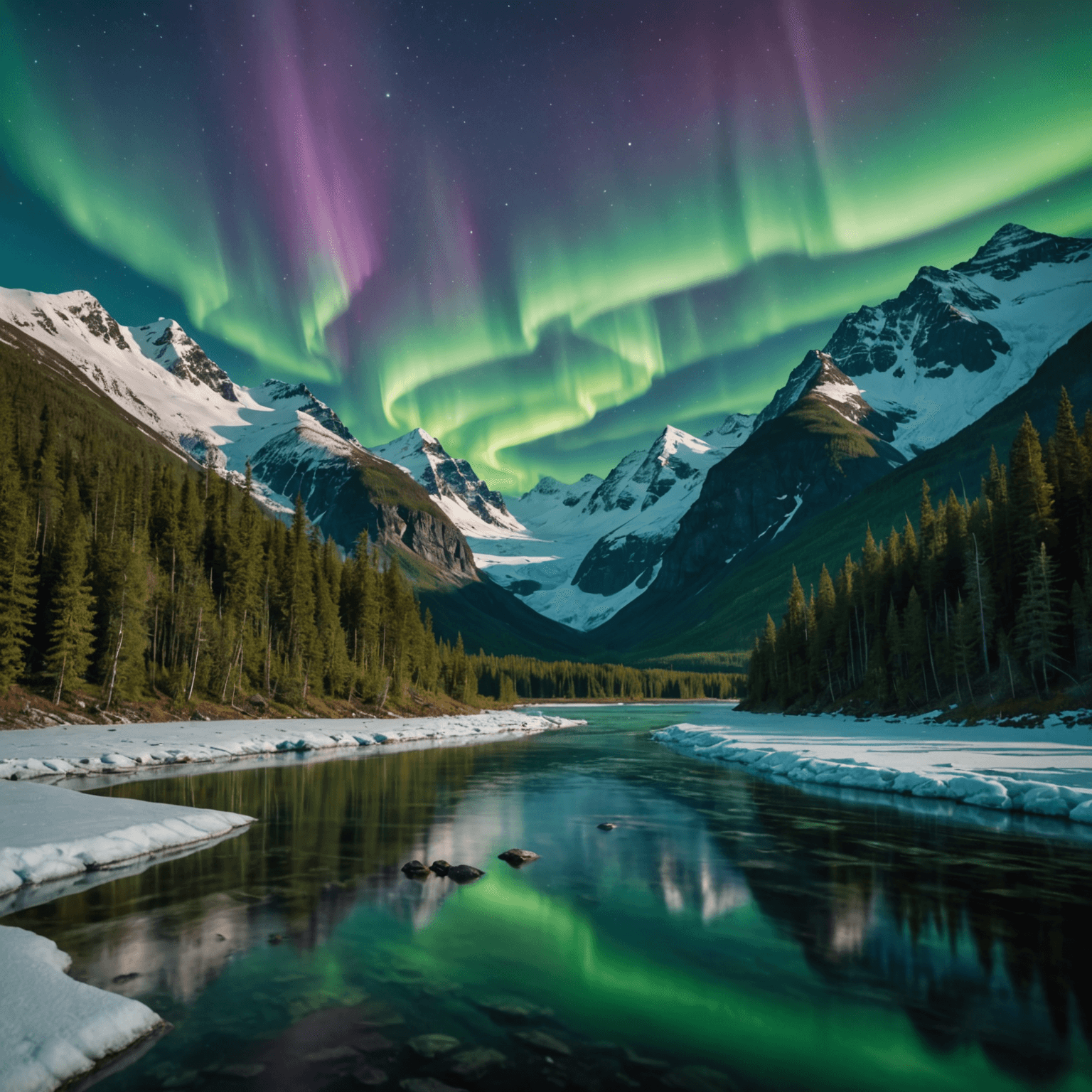
The Northern Lights result from solar particles colliding with gases in Earth’s atmosphere, creating vibrant displays of green, purple, and red lights. This phenomenon is predominantly visible near the magnetic poles, making Alaska, Canada, Norway, and Finland prime spots for aurora viewing. While winter offers the best conditions for Northern Lights viewing due to longer nights, certain factors can make summer sightings possible.
When to See the Northern Lights in Summer
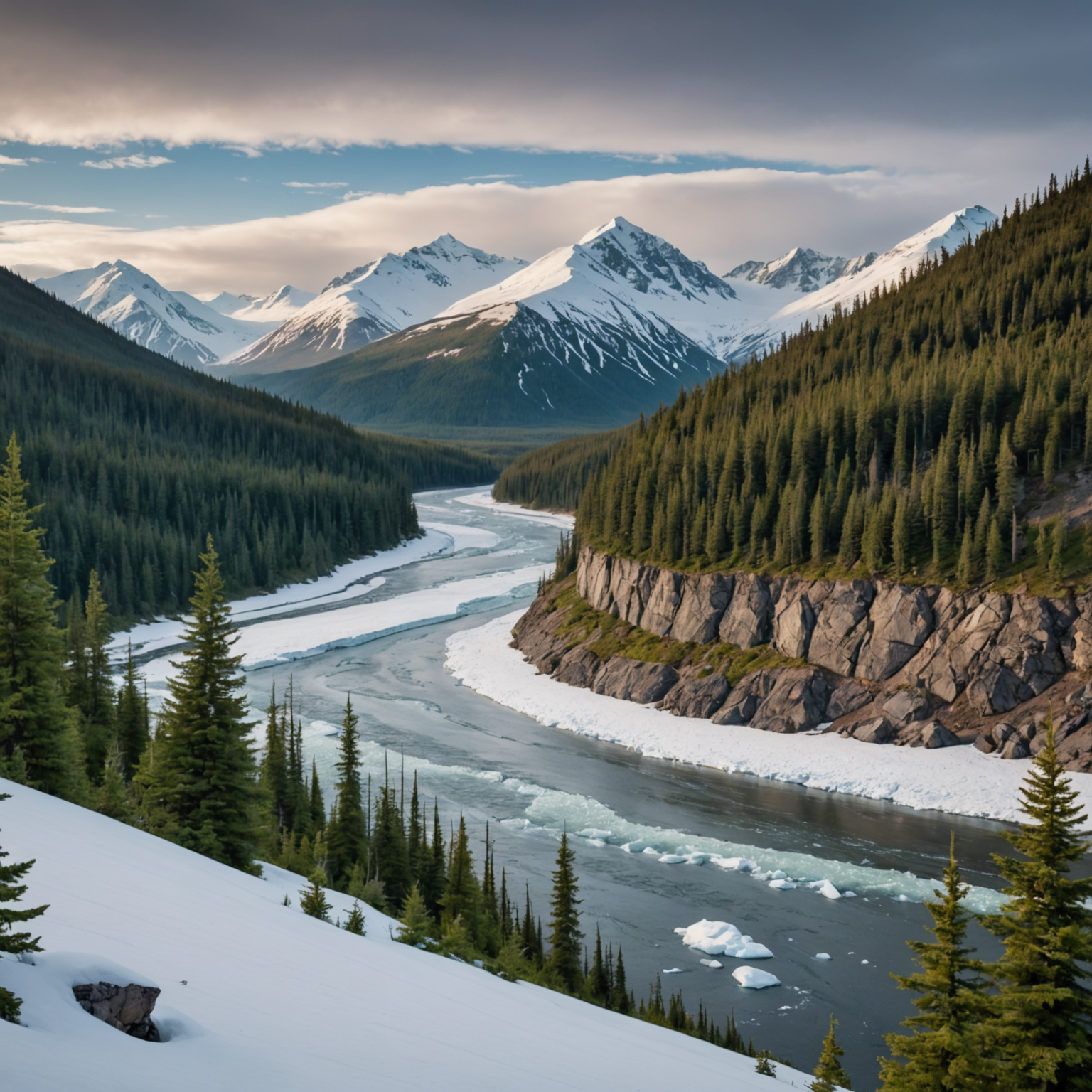
In the summer months, the midnight sun prevails in the Arctic Circle, giving way to almost 24 hours of daylight. This natural phenomenon significantly reduces the opportunity to see the Northern Lights. However, as the summer draws to an end, the nights begin to lengthen, particularly in late August.
Late August: Your Best Bet
If you’re keen on seeing the Northern Lights in summer, late August is your best chance. During this time, the nights are gradually becoming longer, providing the necessary darkness for aurora viewing. Locations such as Fairbanks and other parts of interior Alaska offer excellent opportunities due to their geographical position and relatively clear skies. For more detailed planning, check the aurora forecast which provides updates on geomagnetic activity.
Best Places to View the Northern Lights in Summer
Fairbanks, Alaska
Fairbanks is renowned for its aurora viewing potential, especially during the winter months. However, as summer transitions to fall, Fairbanks remains a top contender for late August sightings. The city’s location under the auroral oval increases the likelihood of seeing the Northern Lights. Consider visiting the Snowhook Lodge for a comfortable stay with tailored aurora viewing experiences.
Denali National Park
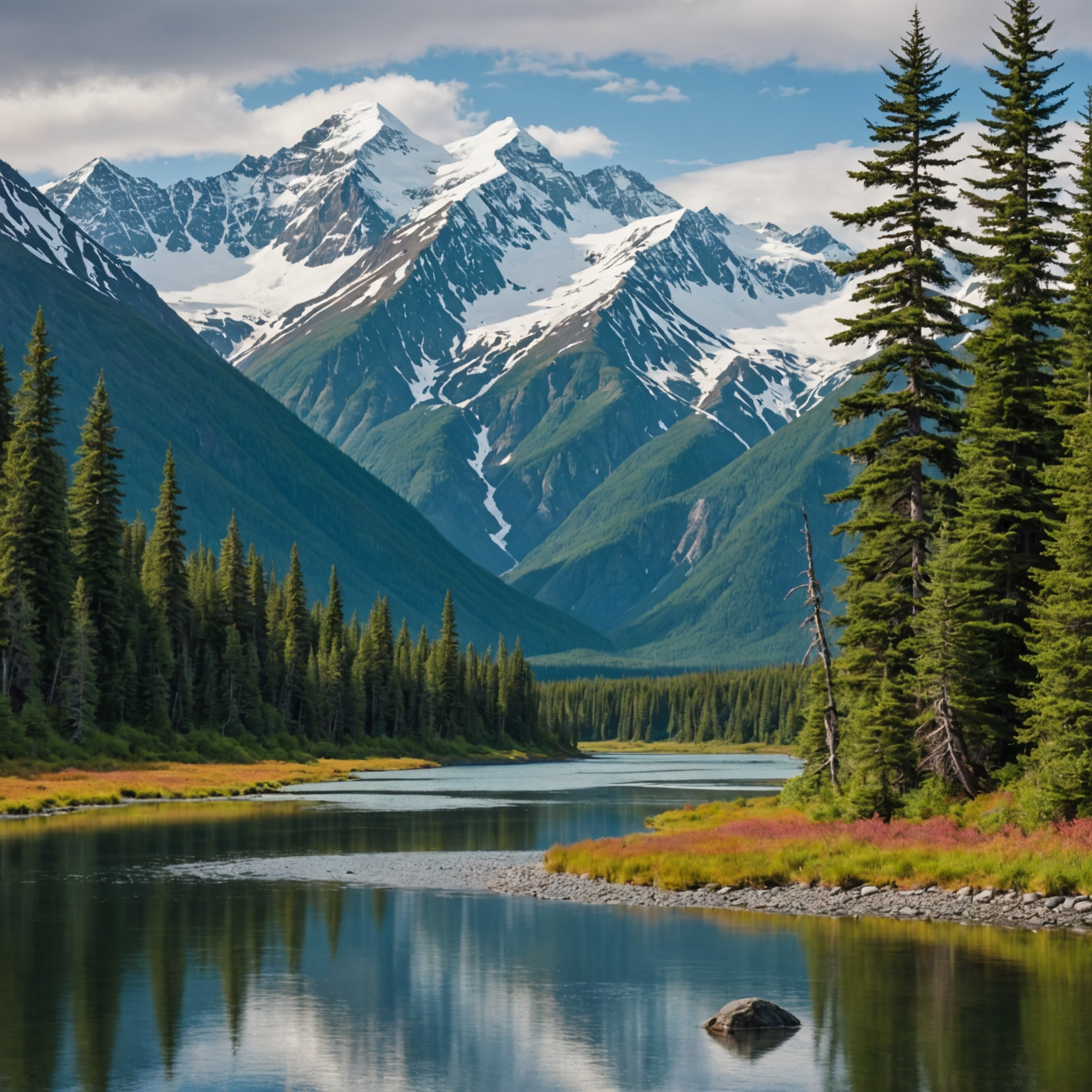
Denali National Park offers stunning natural landscapes and a chance to see the aurora in late summer. The park’s vast wilderness and minimal light pollution make it an excellent choice for aurora enthusiasts. For more information on visiting Denali, check out Discover Denali.
Talkeetna
Talkeetna provides another picturesque setting for potential summer aurora viewing. Nestled at the base of the Alaska Range, this charming town offers an array of outdoor activities alongside aurora opportunities. Learn more about Talkeetna’s offerings through the Talkeetna Chamber of Commerce.
Factors Influencing Aurora Visibility
Weather Conditions
Weather plays a crucial role in aurora visibility. Clear skies are essential for viewing the Northern Lights, and thus, monitoring weather forecasts is vital. Utilize resources like the National Weather Service to stay updated on weather conditions in your chosen location.
Solar Activity
The intensity of the Northern Lights is directly linked to solar activity. During periods of high solar activity, the auroras are more vivid and frequent. Websites like Space Weather offer real-time updates on solar activity and aurora forecasts.
Preparing for Your Northern Lights Adventure
Essential Gear
When planning a Northern Lights expedition, especially in remote areas, it’s crucial to be prepared. Warm clothing, even in late summer, is necessary due to cooler night temperatures. Additionally, a camera with manual settings and a tripod will help capture the aurora’s beauty.
Tours and Guides
For those unfamiliar with navigating Alaska’s rugged terrain, opting for a guided tour can enhance your experience. Consider the Glacier Northern Lights Adventure for a guided experience combining glacier exploration and aurora viewing.
Conclusion
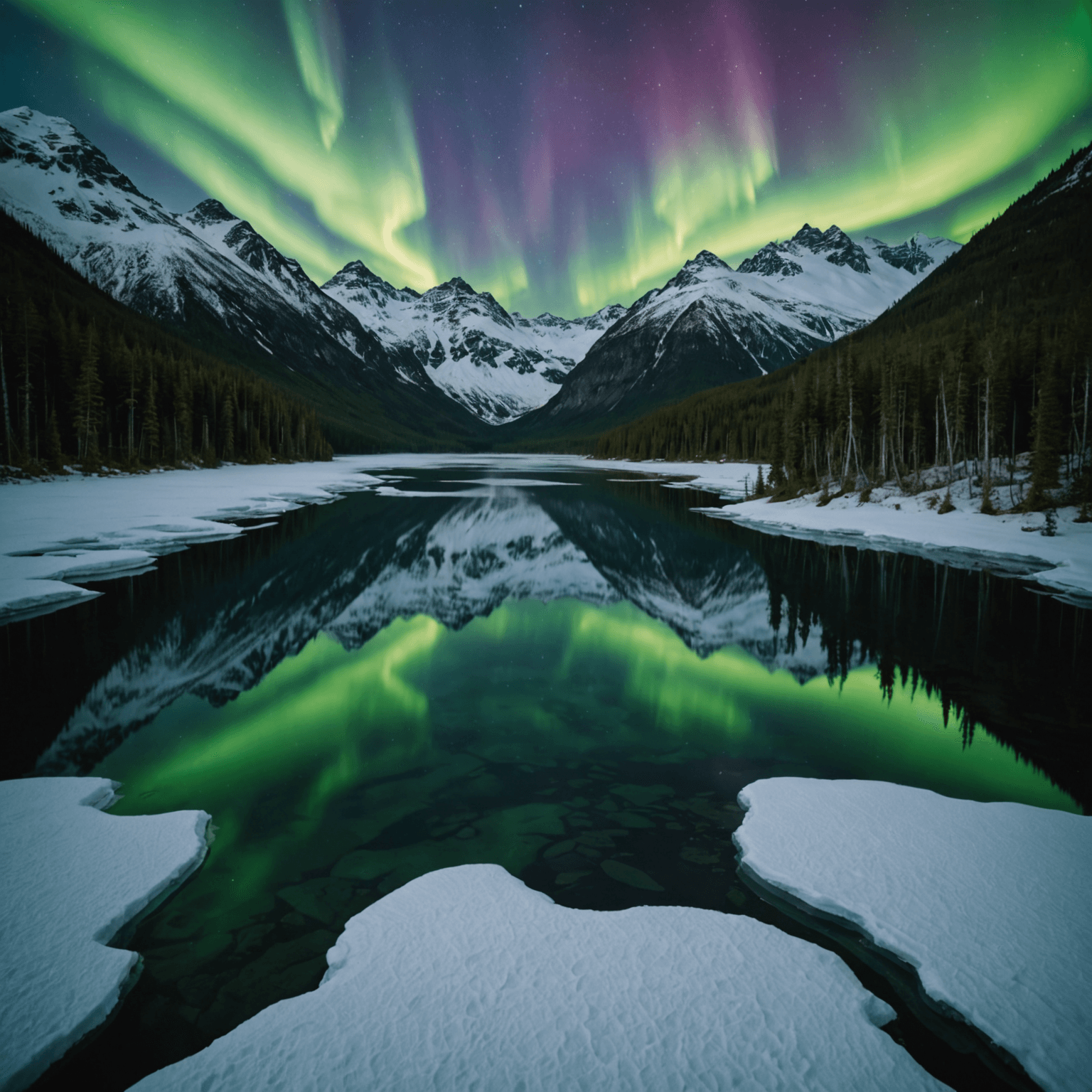
While witnessing the Northern Lights in summer is challenging due to extended daylight, late August offers a window of opportunity as nights begin to lengthen. By selecting the right locations and monitoring solar and weather conditions, you can increase your chances of seeing this spectacular natural display. With preparation and a bit of luck, your summer trip to Alaska could be illuminated by the magical glow of the aurora borealis.
[spronix_cta key=”northern-lights-adventures”]
FAQ
Can you see the Northern Lights in Alaska during summer?
Yes, it is possible to see the Northern Lights in Alaska during the late summer, particularly in late August when the nights start to lengthen enough for aurora visibility.
Which locations are best for summer Northern Lights in Alaska?
Fairbanks, Denali National Park, and Talkeetna are among the best locations for viewing the Northern Lights in late summer due to their optimal geographical positions and minimal light pollution.
What time of year is best for Northern Lights viewing?
The best time for Northern Lights viewing is typically from late September to early April, when nights are longest. However, late August can also offer opportunities as summer transitions to fall.
How can I improve my chances of seeing the Northern Lights?
To improve your chances, check aurora forecasts for solar activity, monitor weather conditions for clear skies, and choose locations with minimal light pollution.
Do I need a special camera to photograph the Northern Lights?
While a basic camera can capture the aurora, a DSLR or mirrorless camera with manual settings and a tripod will provide the best results for photographing the Northern Lights.
Are there guided tours for viewing the Northern Lights in Alaska?
Yes, there are several guided tours available, such as the Glacier Northern Lights Adventure, which offer specialized experiences combining aurora viewing with other Alaskan adventures.
What should I pack for a summer Northern Lights trip?
Pack warm clothing, including layers, hats, and gloves, as temperatures can drop at night. Also, consider bringing a camera with manual settings, a tripod, and any necessary camping gear if planning to stay in remote areas.