Introduction
The Iditarod Trail Sled Dog Race, often hailed as the “Last Great Race on Earth,” is a grueling test of endurance, skill, and teamwork. At the heart of this iconic Alaskan event are the legendary sled dogs and their mushers, who navigate the treacherous 1,000-mile trail from Anchorage to Nome. But what are mushers, and what makes these sled dogs so extraordinary? In this comprehensive guide, we’ll delve into the world of Iditarod sled dogs, exploring their unique traits, the rigorous training they undergo, and their crucial role in Alaska’s toughest race.
[spronix_cta key=”dog-sled-rides”]
The Role of Mushers in the Iditarod
The term “musher” refers to the skilled individual who commands a team of sled dogs. Mushers are the leaders, caregivers, and strategists who guide their dogs through the challenging terrain of the Iditarod Trail. They are responsible for the safety and well-being of their teams and must possess a deep understanding of their dogs’ capabilities and needs.
Mushers often start their journey as handlers, assisting experienced racers before commanding their own teams. They train extensively, mastering the art of mushing and developing an intimate bond with their dogs. This relationship is paramount, as trust and communication are critical for success in the race.
For those interested in experiencing the life of a musher firsthand, Snowhook Adventures offers employment opportunities that provide a glimpse into this unique lifestyle.
The Traits of Iditarod Sled Dogs
Iditarod sled dogs are predominantly Alaskan Huskies, a mixed breed specifically developed for speed, endurance, and resilience. These dogs are renowned for their incredible stamina and ability to thrive in harsh Arctic conditions. Key traits that make them ideal for the Iditarod include:
- Endurance: These dogs can run up to 100 miles a day for several days, showcasing their remarkable stamina.
- Strength: Despite their lean build, sled dogs possess incredible strength, allowing them to pull sleds and gear across challenging terrain.
- Intelligence: Sled dogs must quickly respond to their musher’s commands, demonstrating both intelligence and attentiveness.
- Cold Tolerance: With thick double coats, sled dogs are well-equipped to handle extreme temperatures, often reaching well below zero.
For a closer look at these incredible animals, Snowhook Adventures’ Our Dogs page provides insights into the lives of their sled dogs.
Training: Preparing Sled Dogs for the Race
Training for the Iditarod is an intense and year-round commitment. Mushers begin preparing their dogs months in advance, gradually increasing distances and simulating race conditions. The training regimen includes:
- Conditioning: Dogs are gradually acclimated to long distances and varying terrains to build endurance and strength.
- Obedience: Training focuses on honing the dogs’ ability to respond to commands swiftly and accurately.
- Nutrition: A high-calorie diet is essential, providing the energy needed for both training and the race itself.
Mushers also ensure their dogs receive regular veterinary care, keeping them healthy and fit for the demanding journey. For those interested in experiencing the fall training season, Snowhook Adventures offers a Fall Dog Sledding Tour, providing a firsthand look at the preparation process.
The Iditarod Race: A Test of Endurance
The Iditarod Trail Sled Dog Race is a formidable challenge, with mushers and their teams facing unpredictable weather, rugged terrain, and the constant threat of exhaustion. The race typically lasts between 8 to 15 days, with mushers navigating through remote wilderness areas.
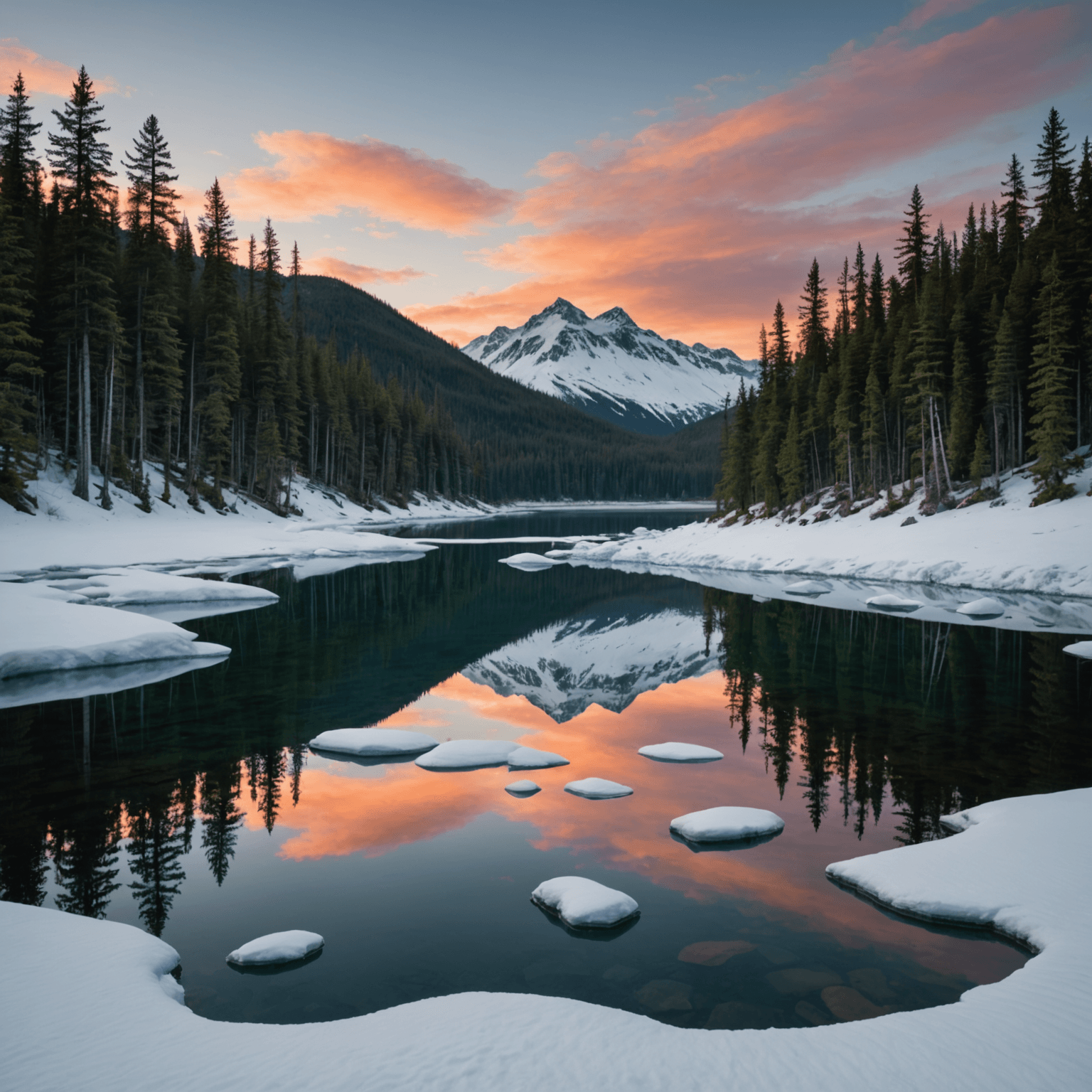
The Iditarod trail, rich in history, follows a path once used by Native Alaskans and gold prospectors. It traverses mountain ranges, frozen rivers, and dense forests, requiring both strategic planning and on-the-fly decision-making. Mushers must carefully manage rest, food, and pace to ensure their team’s success.
For an unforgettable adventure along the Iditarod Trail, consider joining Snowhook Adventures’ Iditarod Trail Snowmobile Expedition, offering a unique perspective on the legendary route.
The Bond Between Mushers and Dogs
The relationship between mushers and their sled dogs is one of mutual respect and trust. This bond is forged through countless hours of training, shared experiences, and a deep understanding of each other’s strengths and needs. Mushers learn to interpret their dogs’ behaviors and signals, ensuring their well-being throughout the race.
This connection is a testament to the teamwork and dedication required to complete the Iditarod. It is a partnership that embodies the spirit of adventure and the enduring legacy of sled dog racing in Alaska.
Conclusion
The Iditarod Trail Sled Dog Race is more than just a competition; it is a celebration of the remarkable bond between mushers and their sled dogs. These legendary canines, with their unparalleled endurance and resilience, embody the spirit of adventure that defines Alaska. As mushers guide their teams through the formidable Alaskan wilderness, they showcase the extraordinary capabilities of these sled dogs and the unbreakable bond that drives them to the finish line.
For those inspired by the world of sled dogs and mushers, Snowhook Adventures offers a variety of tours that allow you to experience the thrill of dog sledding and the beauty of Alaska firsthand.
[spronix_cta key=”dog-sled-rides”]
FAQ
What are mushers?
Mushers are individuals who command a team of sled dogs, guiding them through races like the Iditarod. They are responsible for their team’s training, care, and overall success.
How are sled dogs trained for the Iditarod?
Training involves building endurance, strength, and obedience through progressively longer runs and exposure to race conditions. Nutrition and veterinary care are also crucial components.
What breeds are commonly used in the Iditarod?
Alaskan Huskies are the predominant breed used in the Iditarod due to their speed, endurance, and adaptability to cold climates.
How long does the Iditarod race take to complete?
The race typically lasts between 8 to 15 days, depending on weather conditions and the pace of the team.
What challenges do mushers face during the Iditarod?
Mushers encounter extreme weather, rough terrain, and the risk of exhaustion. Strategic planning and adaptive decision-making are essential for overcoming these challenges.
Can I participate in dog sledding tours in Alaska?
Yes, Snowhook Adventures offers various dog sledding tours for those interested in experiencing the excitement of sled dog racing and the beauty of Alaska’s wilderness.
What is the historical significance of the Iditarod Trail?
The Iditarod Trail has a rich history as a transportation route for Native Alaskans and gold prospectors. It symbolizes the spirit of adventure and resilience in Alaska.