Introduction
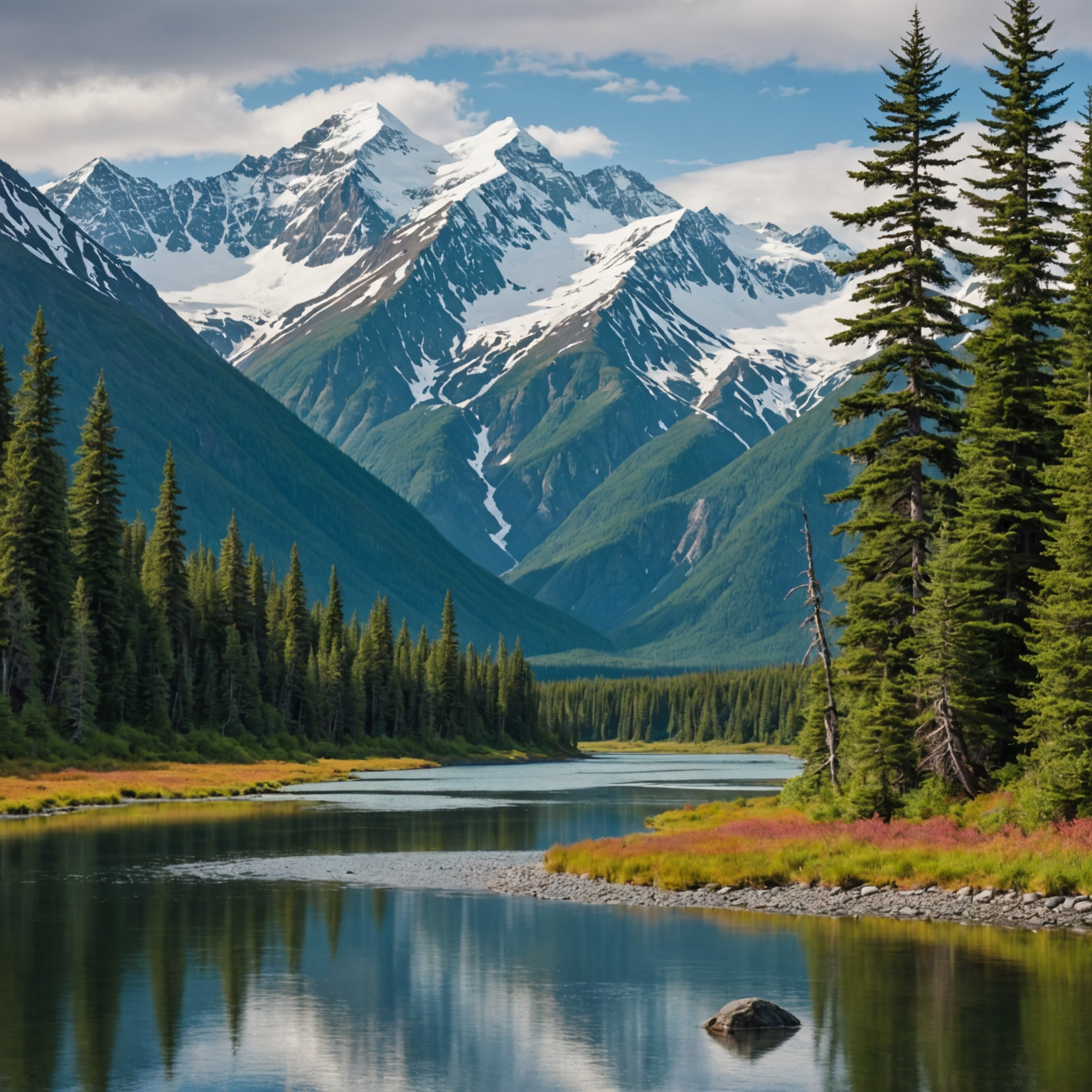
Nestled in the stunning landscapes of Alaska, Lost Lake Trail near Seward is a hidden gem that offers an unforgettable hiking experience. Known for its panoramic mountain views, vibrant wildflowers, and serene alpine lake, Lost Lake Trail is a favorite among both locals and tourists. This long-form blog post will delve into everything you need to know about Lost Lake Seward, from trail details and what to expect, to how you can prepare for this incredible adventure.
[spronix_cta key=”seward-area”]
Discovering Lost Lake Seward
Trail Overview
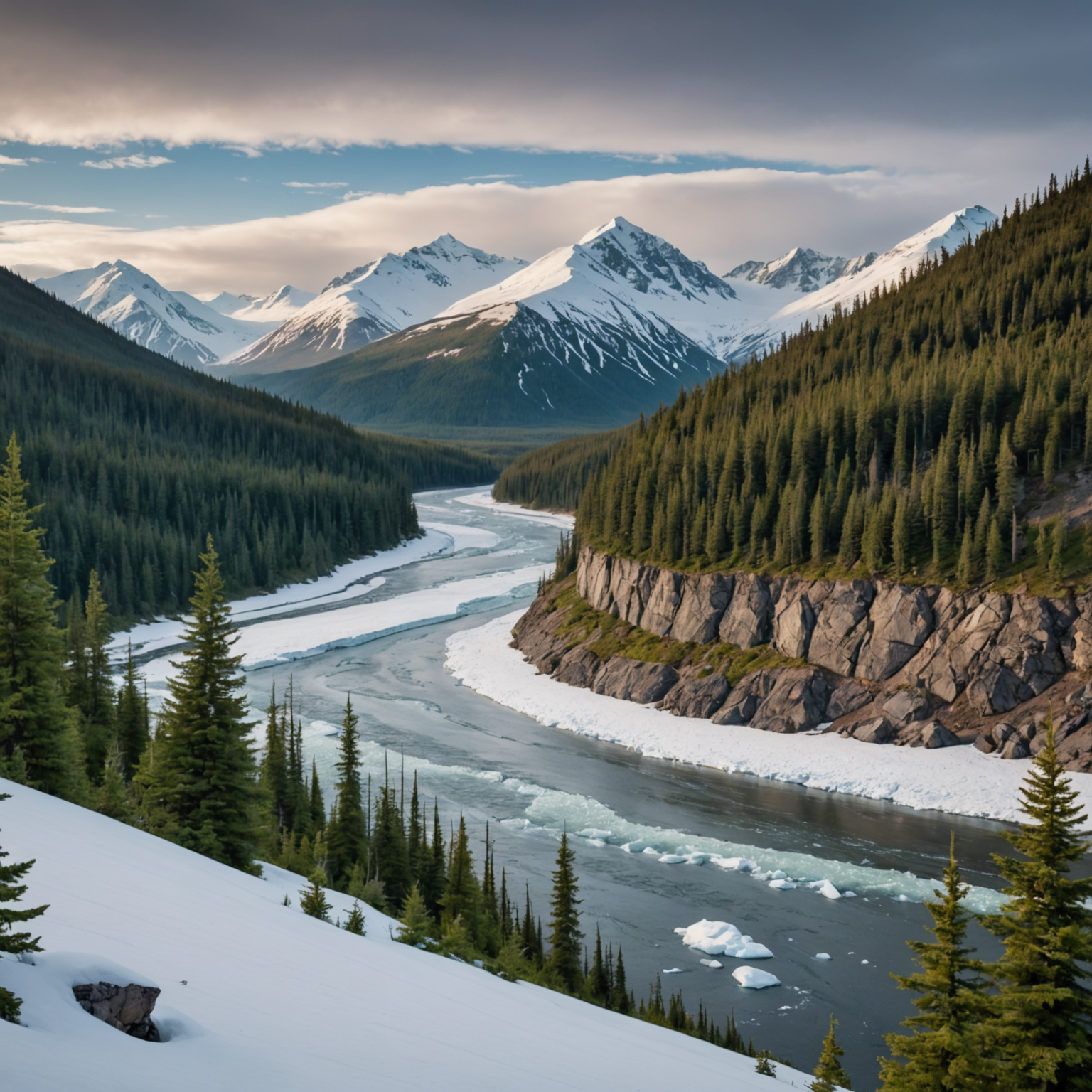
Lost Lake Trail is part of the Chugach National Forest, which is renowned for its diverse ecosystems and breathtaking scenery. The trail itself is approximately 14 miles round trip, with an elevation gain of about 2,200 feet. It provides visitors with a moderate challenge, making it accessible for hikers with various levels of experience. The trailhead is located just outside Seward, a charming coastal town that serves as a gateway to the Kenai Peninsula’s natural wonders.
What to Expect on the Trail
As you embark on Lost Lake Trail, you’ll be greeted by lush forests filled with Sitka spruce and hemlock trees. The path is well-maintained, though it can be muddy in sections, particularly in the early summer months due to melting snow. As you ascend, the trail opens up to expansive meadows dotted with colorful wildflowers, offering stunning views of the surrounding mountains.
Wildlife is abundant in this area, and it’s not uncommon to spot black bears, moose, and a variety of bird species. It’s crucial to practice safe wildlife viewing practices and to carry bear spray as a precaution. For more information on wildlife safety, visit the Alaska Department of Fish and Game.
The Crown Jewel: Lost Lake
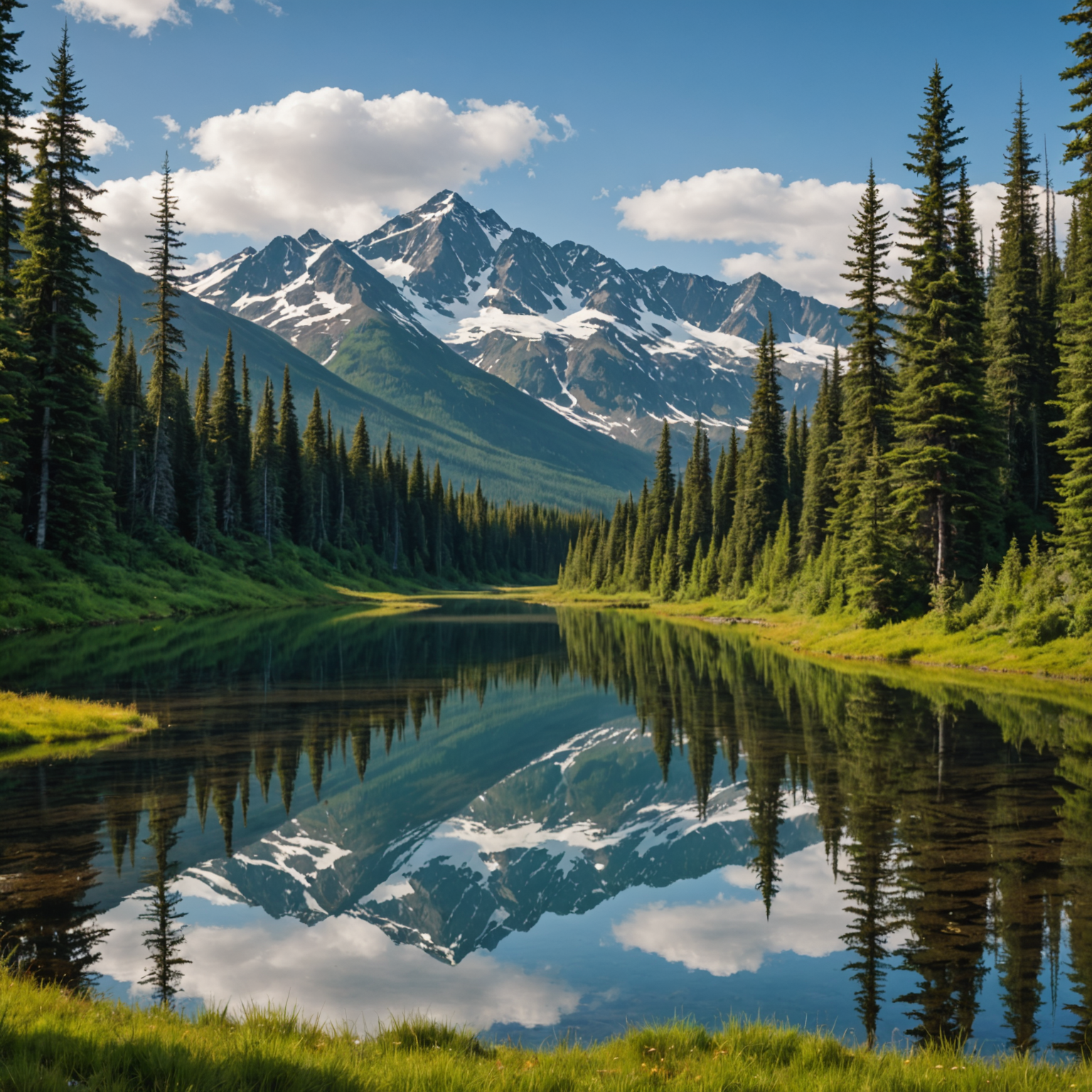
The highlight of the hike is reaching Lost Lake itself, a pristine alpine lake surrounded by towering peaks. The tranquil waters reflect the sky and nearby mountains, creating a postcard-perfect scene. Many hikers choose to stop here for lunch or a quick snack, enjoying the peace and beauty of the natural surroundings. Remember to practice Leave No Trace principles to preserve the area’s natural beauty for future visitors. For more on these principles, visit Leave No Trace Center for Outdoor Ethics.
Best Time to Visit
The best time to hike Lost Lake Trail is from late June to early September, when the trail is mostly free of snow and the wildflowers are in full bloom. However, weather in Alaska can be unpredictable, so it’s important to check the National Weather Service for current conditions before heading out. Be prepared for sudden changes in weather, and dress in layers to stay comfortable throughout your hike.
Preparing for Your Adventure
Gear and Essentials
When hiking Lost Lake Trail, it’s essential to pack appropriately. Here are some recommended items to bring:
- Sturdy hiking boots: The trail can be rocky and muddy, so good footwear is a must.
- Bear spray: A vital safety tool in bear country.
- Layered clothing: Weather can change rapidly, so dress in layers.
- Water and snacks: There are no facilities on the trail, so bring enough supplies for your hike.
- Navigation tools: A map and compass or GPS device can be helpful.
- First-aid kit: Always useful in case of minor injuries.
For more tips on preparing for outdoor adventures in Alaska, check out our Top Tips for a Winter Anchorage Tour.
Safety Considerations
Safety should always be a top priority when hiking in Alaska. Be aware of the weather conditions and trail status by checking resources like the Chugach National Forest website. Additionally, inform someone of your hiking plans and expected return time, and consider carrying a satellite phone or personal locator beacon for emergencies.
Conclusion
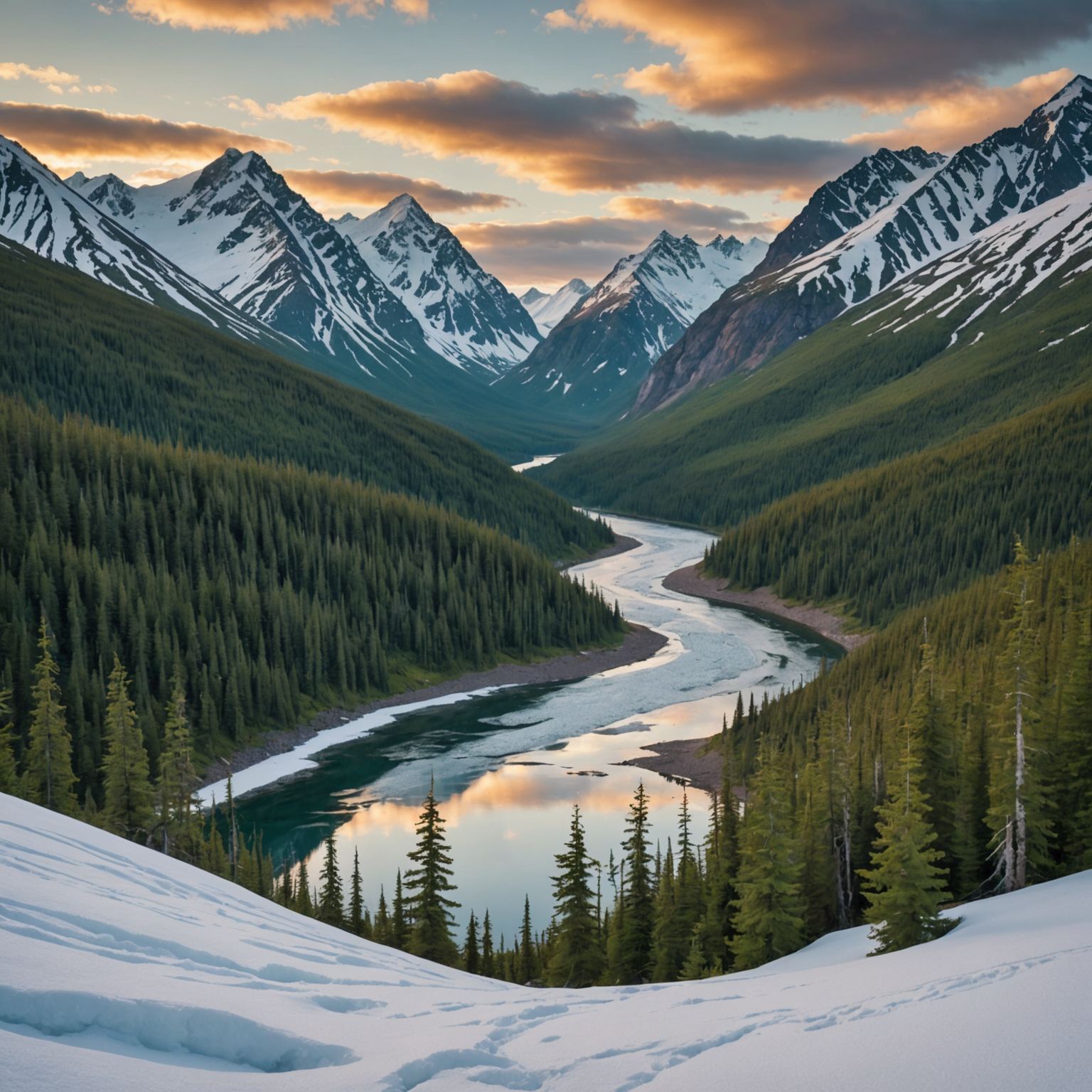
Lost Lake Trail in Seward is a testament to the unparalleled beauty of Alaska’s wilderness. Whether you’re an avid hiker or new to the trails, this hike offers a rewarding experience with its picturesque landscapes and serene atmosphere. As you plan your visit, remember to respect the land and its wildlife, ensuring that future generations can enjoy this natural wonder as much as you will.
[spronix_cta key=”seward-area”]
FAQ
What is the difficulty level of Lost Lake Trail?
Lost Lake Trail is considered a moderate hike, suitable for hikers with some experience. The trail’s length and elevation gain require a good level of fitness.
How long does it take to hike to Lost Lake?
The round trip to Lost Lake typically takes 5 to 7 hours, depending on your pace and how long you spend enjoying the scenery at the lake.
Are there any guided tours available for Lost Lake?
While there are no specific guided tours for Lost Lake, you can explore other guided adventures in Alaska through Snowhook Adventures.
Can I camp at Lost Lake?
Yes, backcountry camping is allowed in the area. However, there are no designated campsites, so practice Leave No Trace principles. Check Recreation.gov for any permits or regulations.
Is it possible to see the Northern Lights from Lost Lake?
The best chance to see the Northern Lights would be in late fall or winter. For more information on viewing the aurora in Alaska, visit our Northern Lights Venue Guide.
What wildlife might I encounter on the trail?
Common wildlife sightings include black bears, moose, and various bird species. It’s important to stay alert and follow bear safety guidelines.
Are dogs allowed on the Lost Lake Trail?
Yes, dogs are allowed on the trail, but they must be kept on a leash to protect wildlife and other hikers.