Introduction
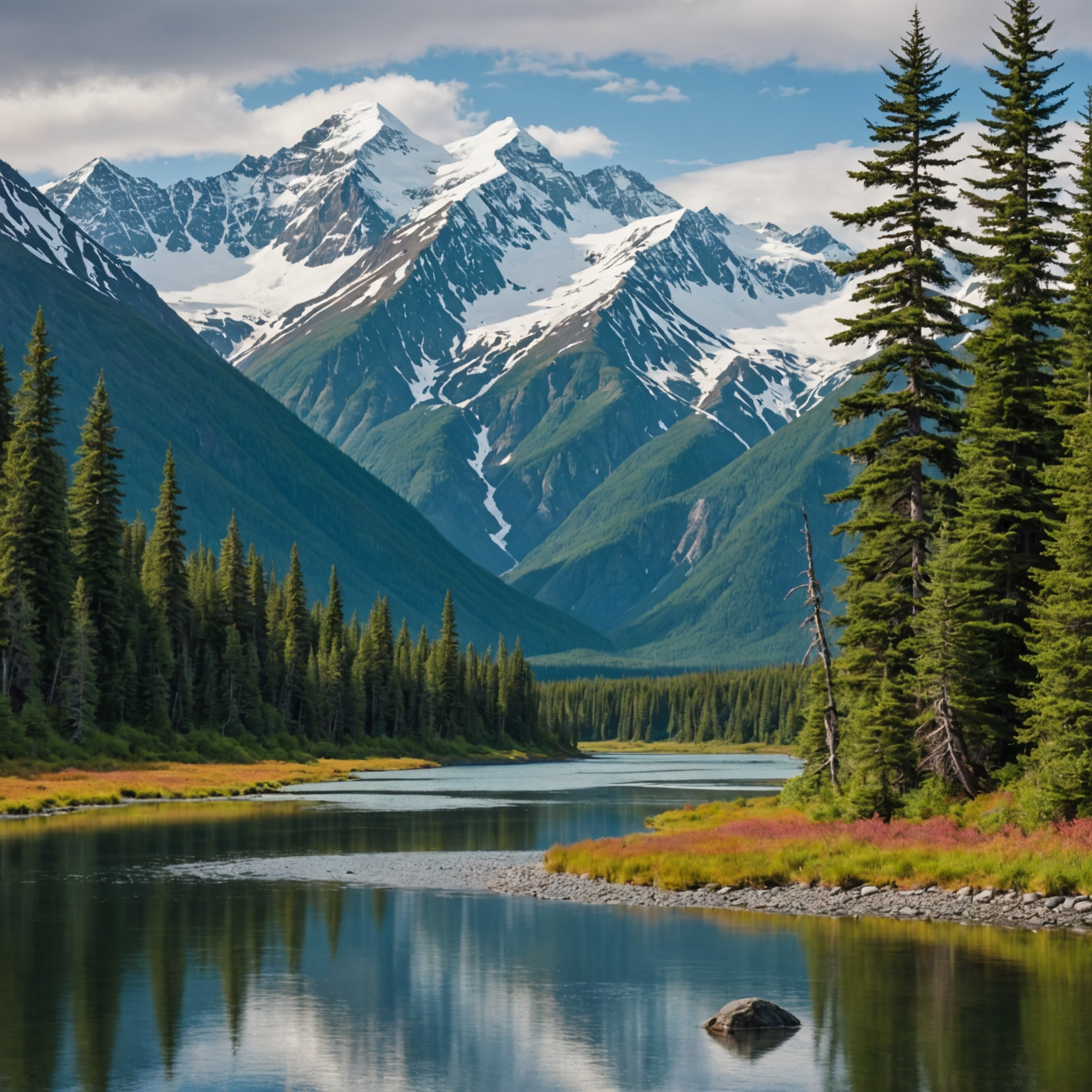
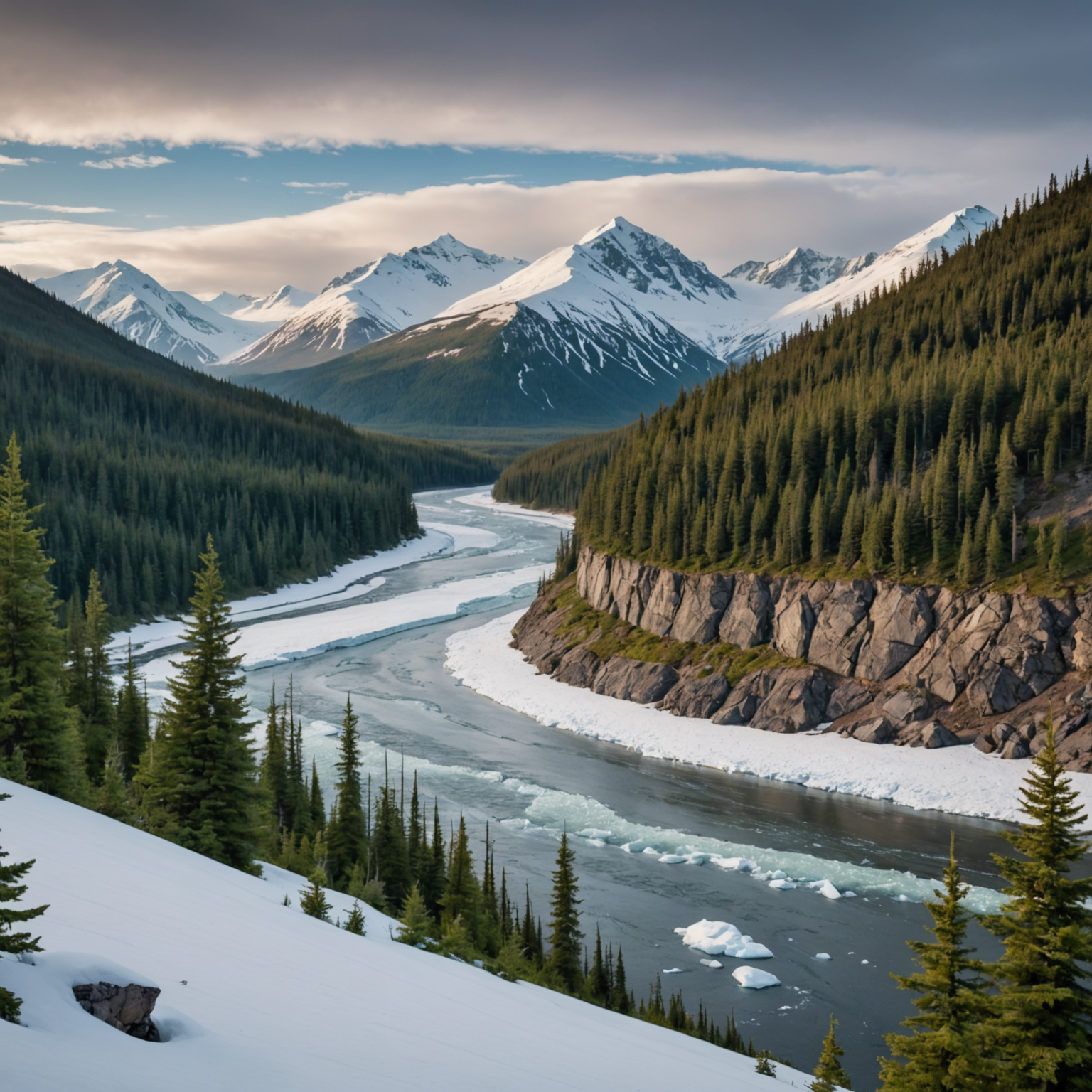
Lake Clark National Park and Preserve, located in the southern part of Alaska, is a pristine wilderness teeming with diverse wildlife and natural beauty. This park, often overshadowed by more famous Alaskan destinations, offers an authentic experience for those seeking solitude and a genuine connection with nature. Home to a myriad of animals, Lake Clark is particularly known for its vibrant ecosystem, which includes everything from majestic brown bears to elusive wolves. In this post, we will explore the incredible array of Lake Clark animals and how eco-tours provide a unique opportunity to witness these creatures in their natural habitat.
The Majestic Bears of Lake Clark
Lake Clark National Park is renowned for its brown bears, which can often be seen fishing for salmon in the park’s rivers and streams. These bears are a key attraction for visitors, offering a thrilling sight as they hunt in their natural environment. The best time to observe these magnificent creatures is during the salmon spawning season, typically between June and September. This period provides ample opportunities for photographers and wildlife enthusiasts alike to capture the bears in action.
Eco-tours in Lake Clark offer guided experiences where visitors can safely observe these bears from a distance. These tours are designed to minimize human impact on the bears’ natural behaviors while providing educational insights into their life cycles and habits.
Bird Watching: A Paradise for Ornithologists
Lake Clark is a haven for bird watchers, with over 180 species of birds recorded in the park. The diverse habitats, ranging from coastal areas to alpine tundra, attract a wide variety of bird life. Notable species include the majestic bald eagle, the striking harlequin duck, and the ubiquitous willow ptarmigan.
Guided bird-watching tours are available, providing expert knowledge on the best spots and times for sightings. These tours often include visits to coastal areas where seabirds nest and feed, offering a comprehensive view of the park’s avian population.
The Elusive Wolves and Other Mammals
Though they are seldom seen, wolves roam the vast expanses of Lake Clark, contributing to the park’s rich tapestry of wildlife. These elusive predators are a crucial part of the ecosystem, maintaining the balance by controlling the populations of smaller mammals and ungulates.
Other mammals found in the park include moose, Dall sheep, and caribou. Each species inhabits distinct areas of the park, from the lush river valleys to the rugged mountainous regions. Eco-tours often focus on these mammals, offering a chance to learn about their behaviors and the challenges they face in the wild.
Aquatic Life: A Bounty Below the Surface
The waterways of Lake Clark teem with life, from the iconic salmon to lesser-known species like Arctic char and rainbow trout. These fish not only support the park’s terrestrial predators but also attract anglers from around the world. Fishing in Lake Clark is regulated to ensure sustainable practices, and guided fishing tours offer both novice and experienced anglers a chance to try their luck in these pristine waters.
For those interested in the park’s aquatic biodiversity, guided tours provide insights into the life cycles of these fish and the crucial role they play in the ecosystem.
Conservation Efforts and Responsible Tourism
Preserving the natural beauty and biodiversity of Lake Clark is a priority for park authorities and local communities. Conservation efforts focus on maintaining the delicate balance between human activity and wildlife preservation. This includes strict regulations on fishing and hunting, as well as initiatives to monitor and protect endangered species.
Visitors to Lake Clark are encouraged to participate in responsible tourism practices, such as adhering to Leave No Trace principles and respecting wildlife habitats. By doing so, they contribute to the long-term sustainability of the park’s unique ecosystem.
For those interested in exploring more of Alaska’s natural wonders, the Denali Sled Dog Kennels offers a glimpse into the state’s sled dog heritage, while the Bird Creek to Girdwood E-Bike Tour provides a different perspective on Alaska’s landscapes.
Conclusion
Lake Clark National Park and Preserve is a hidden gem, offering unparalleled wildlife experiences in a serene, unspoiled setting. From the powerful bears and elusive wolves to the diverse birdlife and rich aquatic ecosystems, the park is a testament to Alaska’s natural beauty. Guided eco-tours provide a responsible way to explore this remarkable area, ensuring that future generations can continue to enjoy its wonders.
By planning a visit to Lake Clark, you not only support conservation efforts but also embark on a journey that promises unforgettable encounters with some of nature’s most awe-inspiring creatures.
FAQ
What is the best time to visit Lake Clark for wildlife viewing?
The best time for wildlife viewing in Lake Clark is during the summer months, particularly from June to September, when salmon run and bears are most active.
Are there guided tours available in Lake Clark National Park?
Yes, there are several guided eco-tours available that focus on wildlife observation, bird watching, and fishing, providing expert insights and ensuring minimal impact on the environment.
How can I safely observe bears in Lake Clark?
The safest way to observe bears is through guided tours, which maintain a safe distance while allowing visitors to learn about bear behavior and ecology.
What other activities can I do in Lake Clark besides wildlife watching?
In addition to wildlife watching, visitors can enjoy fishing, kayaking, hiking, and photography. For more adventure, consider exploring Alaska’s snowmobile gear or northern lights tours.
Is Lake Clark accessible year-round?
While the park is open year-round, access can be challenging in winter due to weather conditions. Summer offers the best accessibility and wildlife viewing opportunities.
What should I bring on a wildlife tour in Lake Clark?
Visitors should bring binoculars, a camera, weather-appropriate clothing, and any necessary personal items. It’s also advisable to carry snacks and water for day trips.
Can I camp in Lake Clark National Park?
Yes, camping is allowed, but it is largely backcountry with no designated campsites. Visitors should be prepared for remote conditions and practice Leave No Trace principles.
How can I learn more about the weather conditions in Lake Clark?
For up-to-date weather information, consult the National Weather Service or other trusted sources to plan your visit accordingly.