Introduction
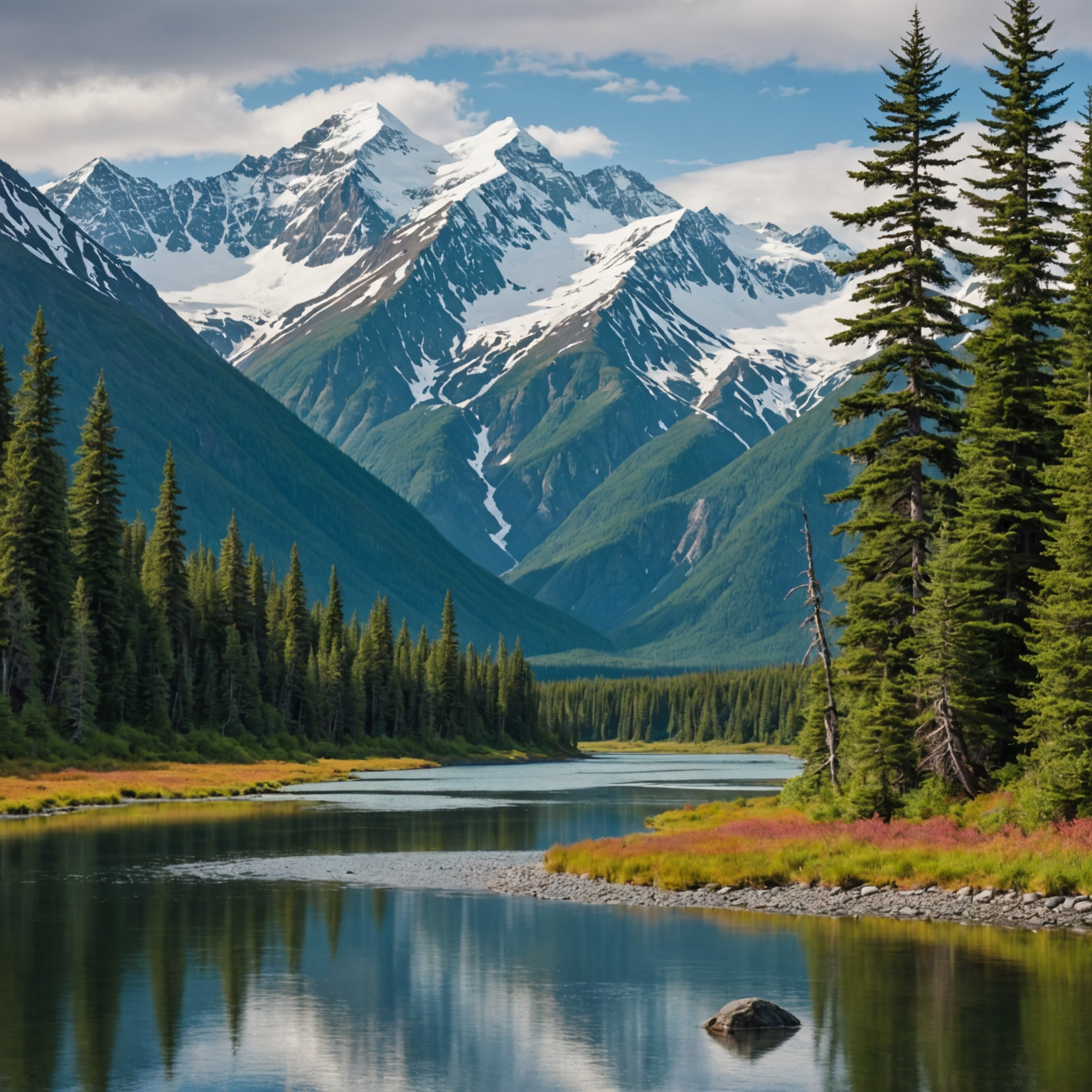
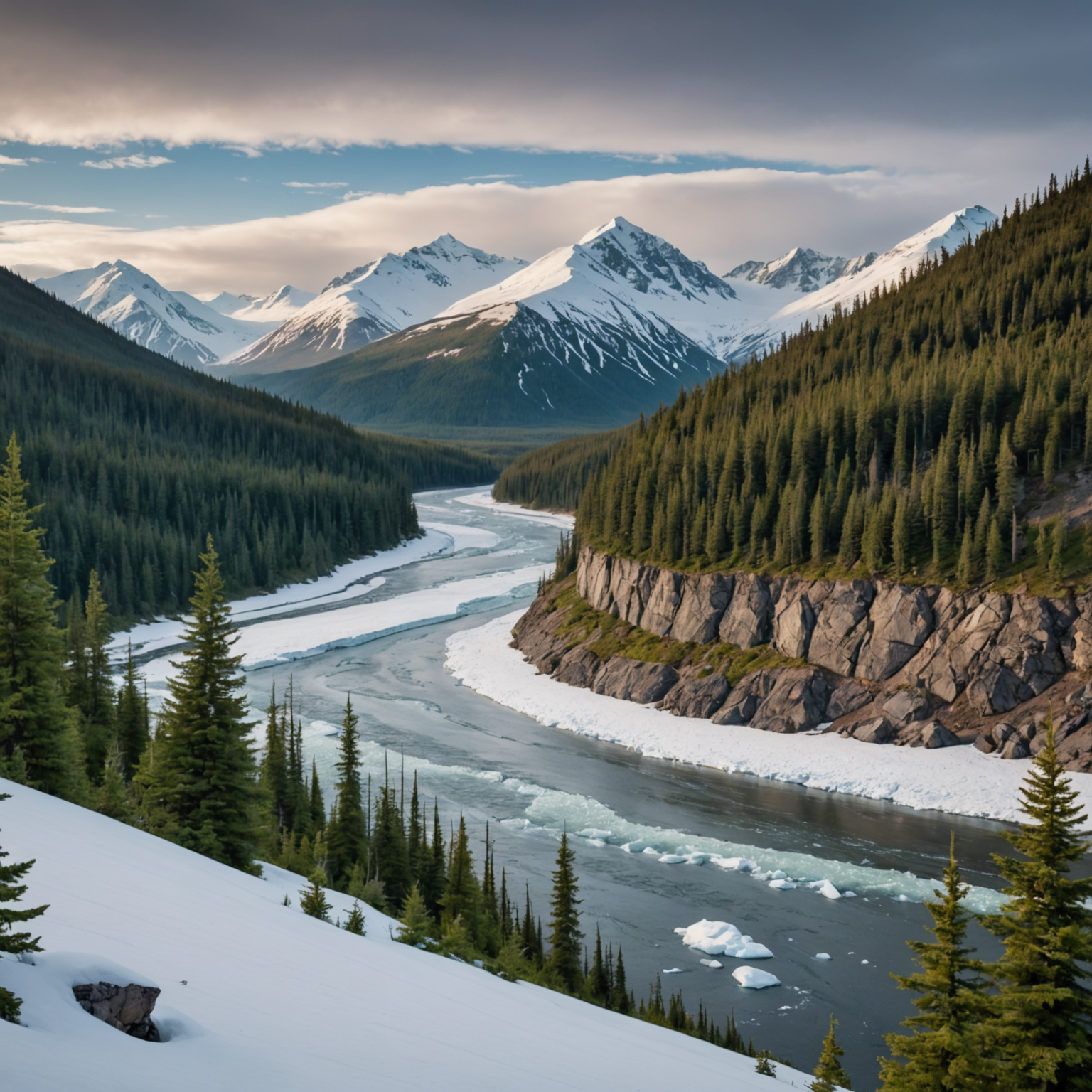
Tucked away in the heart of Alaska, the Kuskokwim Mountains are a lesser-known gem that offers intrepid travelers a unique opportunity to explore pristine wilderness, encounter diverse wildlife, and experience the rugged beauty of the Alaskan landscape. Stretching over 400 miles, this remote mountain range provides a haven for outdoor enthusiasts seeking solitude and adventure. In this blog post, we’ll delve into the fascinating aspects of the Kuskokwim Mountains, from its geological wonders and diverse ecosystems to hiking trails and wildlife spotting opportunities. Whether you’re planning a trip or simply curious about this captivating region, read on to discover why the Kuskokwim Mountains, Alaska, should be on your radar.
[spronix_cta key=”winter-adventures”]
Geological Wonders of the Kuskokwim Range
The Kuskokwim Mountains are part of Alaska’s complex geological tapestry, formed over millions of years through tectonic activity. This range is characterized by its rolling hills, rugged peaks, and dramatic valleys, shaped by glaciation and volcanic activity. The region is rich in mineral deposits, including gold, which has historically attracted prospectors and miners. Today, these geological features continue to intrigue geologists and adventurers alike.
The mountains are located within the interior of Alaska, offering a less-traveled path compared to other popular destinations such as Denali National Park or the Chugach National Forest. This makes the Kuskokwim Mountains an ideal destination for those seeking to escape the crowds and immerse themselves in untouched wilderness.
Flora and Fauna: A Biodiverse Haven
The Kuskokwim Mountains are home to a wide array of plant and animal species, offering a rich tapestry of biodiversity. The lower elevations are dominated by boreal forests, where spruce and birch trees provide habitat for various wildlife. As you ascend, the landscape transitions to alpine tundra, where hardy plants such as mosses, lichens, and wildflowers thrive in the harsh conditions.
Wildlife enthusiasts will find plenty to admire in the Kuskokwim Mountains. The region is home to iconic Alaskan species such as moose, caribou, and Dall sheep. Bird watchers can spot a variety of species, including the majestic bald eagle and the elusive gyrfalcon. For those interested in fishing, the Kuskokwim River and its tributaries offer excellent opportunities to catch salmon and other fish species.
Hiking and Exploring the Kuskokwim Mountains
For hikers and adventurers, the Kuskokwim Mountains provide an abundance of trails and routes to explore. While the area is remote, those who venture into this wilderness are rewarded with stunning vistas, serene landscapes, and a chance to truly disconnect from the modern world.
One popular route is the trek to the summit of Mount Kialagvik, which offers panoramic views of the surrounding mountains and valleys. For a less strenuous option, the Kuskokwim River Trail winds through lowland forests and along riverbanks, providing ample opportunities for wildlife spotting and photography.
When planning a trip to the Kuskokwim Mountains, it’s essential to be prepared for the region’s unpredictable weather. The National Weather Service provides up-to-date forecasts, helping adventurers plan their excursions safely. Additionally, practicing Leave No Trace principles is crucial to preserve the pristine environment for future generations.
Cultural and Historical Significance
The Kuskokwim Mountains are not only a natural wonder but also a region rich in cultural and historical significance. Indigenous peoples have inhabited this area for thousands of years, relying on the land’s resources for sustenance and cultural practices. The region’s rivers and trails have long served as vital transportation routes, connecting communities across the vast Alaskan interior.
For those interested in learning more about the area’s cultural heritage, visiting nearby communities such as Bethel can provide valuable insights into the traditions and customs of the Yup’ik and Athabascan peoples. Engaging with local guides and participating in cultural tours can enrich your understanding of the region’s history and its ongoing importance to indigenous communities.
Conclusion
The Kuskokwim Mountains, Alaska, offer a unique blend of natural beauty, wildlife diversity, and cultural heritage. Whether you’re drawn to the region’s geological wonders, eager to explore its trails, or interested in its rich cultural tapestry, the Kuskokwim Range promises a rewarding adventure. As you plan your visit, consider exploring other top Alaska destinations to fully experience the state’s vast and varied landscapes.
[spronix_cta key=”winter-adventures”]
FAQ
1. How do I get to the Kuskokwim Mountains?
The Kuskokwim Mountains are located in central Alaska. The closest major town is Bethel, which can be reached by air from Anchorage. From Bethel, you may need to arrange for local transportation or guided tours to explore the mountains.
2. What is the best time to visit the Kuskokwim Mountains?
The best time to visit is during the summer months, from June to August, when the weather is milder, and the trails are more accessible. However, those interested in winter activities should consider the best time of year to see the aurora borealis.
3. Are there guided tours available in the Kuskokwim Mountains?
Yes, several local operators offer guided tours, providing insights into the region’s natural and cultural history. These tours can be an excellent way to explore safely and learn from knowledgeable guides.
4. What wildlife can I expect to see in the Kuskokwim Mountains?
Visitors may encounter a variety of wildlife, including moose, caribou, Dall sheep, and numerous bird species. Always maintain a safe distance from wildlife and follow Alaska Department of Fish and Game guidelines for safety.
5. Are there accommodations in the area?
Accommodations are limited in the Kuskokwim Mountains. Visitors often camp or stay in nearby communities such as Bethel. For more comfortable lodging, consider the Snowhook Lodge, which offers a range of amenities.
6. What should I pack for a trip to the Kuskokwim Mountains?
Pack essentials for both warm and cold weather conditions, including layers, waterproof clothing, sturdy hiking boots, and camping gear if you plan to stay overnight. Additionally, bring bear spray and a first-aid kit for safety.
7. How can I ensure my visit is environmentally friendly?
Follow Leave No Trace principles to minimize your impact on the environment. This includes packing out all trash, staying on designated trails, and respecting wildlife and local communities.
8. Can I see the Northern Lights in the Kuskokwim Mountains?
Yes, the Kuskokwim Mountains offer opportunities to view the Northern Lights, particularly during the winter months. For tips on maximizing your chances, consider reading about when to see the Northern Lights in Alaska.