Introduction
Kenai rafting offers an exhilarating way to explore the pristine wilderness of Alaska. Whether you’re an adrenaline seeker or a nature lover, a rafting adventure down the Kenai River promises breathtaking scenery, diverse wildlife, and unforgettable experiences. This guide will delve into everything you need to know about embarking on a Kenai rafting adventure, from choosing the right tour to understanding the area’s rich natural history.
[spronix_cta key=”kenai-area”]
Discovering Kenai Rafting
The Beauty of the Kenai River
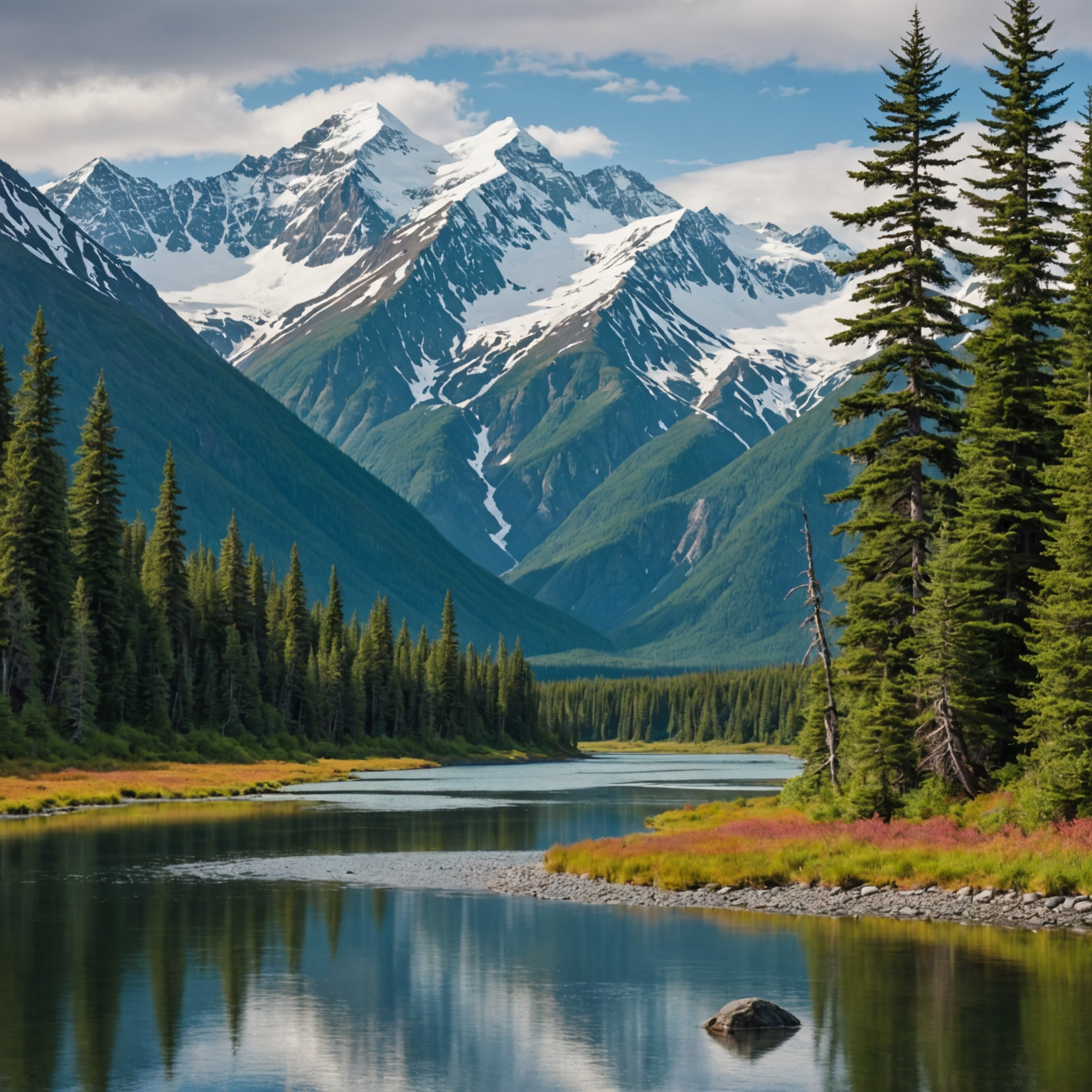
The Kenai River, one of the most popular waterways in Alaska, flows from Kenai Lake to the Cook Inlet. Known for its stunning turquoise waters, the river cuts through lush forests and offers stunning views of the surrounding mountains. The Kenai River is also renowned for its fishing opportunities, particularly for salmon, making it a haven for anglers. If you’re interested in exploring more of Alaska’s natural beauty, consider checking out 10 beautiful places in Alaska you must see.
Types of Rafting Tours
Kenai rafting tours cater to various interests and skill levels. From gentle floats perfect for families to thrilling white-water adventures for more experienced rafters, there’s something for everyone. Most tours are led by knowledgeable guides who ensure your safety while providing insights into the local ecology and geology.
Scenic Float Trips: Ideal for families or those seeking a relaxing experience, these trips offer a leisurely float down the river with ample opportunities for wildlife viewing.
Wildlife Rafting Tours: These tours focus on spotting the region’s diverse wildlife, including bald eagles, moose, and bears. Living with bears in Alaska is an excellent resource for understanding bear safety.
White-Water Rafting: For thrill-seekers, the Kenai River’s upper sections provide exciting white-water rapids. These tours require a degree of physical fitness and are usually recommended for those with previous rafting experience.
Best Time to Go Rafting
The rafting season in Kenai typically runs from late spring to early fall. The best time to visit depends on your preferences:
- Spring (May-June): Offers a chance to see the river at its fullest with snowmelt, resulting in more dynamic rapids.
- Summer (July-August): Features longer days and warmer weather, making it ideal for family trips and wildlife viewing.
- Fall (September): Offers a quieter experience with stunning fall foliage and fewer crowds.
For more detailed planning, you might want to explore Alaska fall tours to see how rafting fits into a broader Alaskan adventure.

Preparing for Your Rafting Adventure
Before setting out on your Kenai rafting trip, it’s essential to prepare adequately. Here are some tips to ensure a safe and enjoyable experience:
- Clothing: Wear quick-drying clothes, and consider layering to adjust to changing temperatures. A waterproof jacket is advisable to protect against splashes and rain.
- Footwear: Opt for sturdy, closed-toe shoes with good grip.
- Safety Gear: Most tour operators provide life jackets and helmets. Ensure your gear fits properly before starting the trip.
- Sun Protection: Even in Alaska, UV rays can be strong, so bring sunscreen, sunglasses, and a hat.
For additional outdoor safety tips, particularly relating to winter sports, you may find the guide to the best Anchorage Alaska day tours useful.
Wildlife and Natural History
Flora and Fauna
The Kenai Peninsula is a biodiversity hotspot with a unique blend of northern and temperate species. During your rafting adventure, you may encounter:
- Bald Eagles: Often seen soaring above the river or perched in trees.
- Moose: These majestic creatures are frequently spotted along the riverbanks.
- Salmon: The Kenai River is famous for its salmon runs, a highlight for both wildlife enthusiasts and anglers.
Geological Features
The Kenai River flows through a landscape shaped by glaciers, and its turquoise color is due to glacial silt. As you navigate the river, you’ll pass through various geological formations, offering a glimpse into Alaska’s ancient past.
For those interested in a broader understanding of Alaska’s natural history, Discover Denali offers comprehensive insights into the state’s geological and ecological wonders.

Conclusion
A Kenai rafting adventure is more than just a journey down a river; it’s an immersion into the heart of Alaska’s wild beauty. From the thrill of navigating rapids to the serenity of floating past stunning landscapes, Kenai rafting promises unforgettable memories. Whether you’re a seasoned rafter or a first-timer, the Kenai River offers an adventure that resonates with the spirit of Alaska.
[spronix_cta key=”kenai-area”]
FAQ
What should I wear for Kenai rafting?
Wear quick-drying, layered clothing and sturdy, closed-toe shoes. Don’t forget a waterproof jacket, sunscreen, and sunglasses for sun protection.
Are there age restrictions for rafting tours?
Most family-friendly float trips have a minimum age of 5, while white-water trips may require participants to be at least 12 years old. Check with your tour operator for specific age requirements.
Is rafting on the Kenai River safe?
Yes, rafting on the Kenai River is generally safe, especially when guided by experienced professionals. Tour operators provide necessary safety equipment and instructions.
Can I fish during my rafting trip?
Some tours offer fishing opportunities, particularly during the salmon runs. It’s a good idea to check with your tour operator and acquire the necessary fishing licenses beforehand.
What wildlife might I see on a Kenai rafting trip?
Expect to see bald eagles, moose, and possibly bears. The river is also home to abundant salmon, especially during spawning seasons.
How long do rafting trips typically last?
Rafting trips on the Kenai River can last anywhere from a few hours to a full day, depending on the type of tour and your interests.
When is the best time of year for rafting?
The best time for rafting on the Kenai River is from late spring to early fall, with each season offering unique experiences, from dynamic rapids in spring to vibrant fall foliage in September.
How do I choose a rafting tour operator?
Look for operators with experienced guides, good safety records, and positive reviews. It’s also helpful to inquire about the specific routes and wildlife viewing opportunities they offer.