Introduction
The Northern Lights, also known as the aurora borealis, is one of nature’s most mesmerizing phenomena. These vibrant displays of light, often seen in high-latitude regions around the Arctic and Antarctic, have fascinated humans for centuries. Understanding the intricate details of this celestial event can deepen our appreciation for its beauty. In this blog post, we will explore 21 interesting facts about the Northern Lights, from the science behind them to the best viewing tips and cultural myths.
[spronix_cta key=”northern-lights-adventures”]
The Science Behind the Northern Lights
Solar Wind and Earth’s Magnetic Field: The Northern Lights are created when charged particles from the sun, known as solar wind, interact with Earth’s magnetic field. This interaction excites gas molecules in the atmosphere, causing them to emit light.
Colors of the Aurora: The most common color of the Northern Lights is green, caused by oxygen molecules. Other colors, such as red, purple, and blue, are produced by nitrogen and higher-altitude oxygen molecules.
Auroral Oval: The aurora typically appears in an oval-shaped region around the poles, known as the auroral oval. This area can shift and expand during periods of high solar activity.
Solar Storms Enhance Displays: During solar storms, the intensity and range of the aurora increase, sometimes making it visible in regions much farther from the poles.
Best Places and Times to See the Northern Lights
Optimal Locations: The best places to view the Northern Lights include Alaska, Norway, Sweden, Finland, and Canada. Alaska offers excellent viewing opportunities, particularly in locations like Fairbanks and the Arctic Circle.
Timing is Crucial: The best time to view the Northern Lights is during the winter months when the nights are longest and darkest. Ideally, plan your visit between September and April.
Clear Skies are Essential: Cloud cover can obscure the aurora, so clear skies are essential. Check local weather forecasts and aurora forecasts, such as those provided by the Geophysical Institute, to increase your chances of a successful sighting.
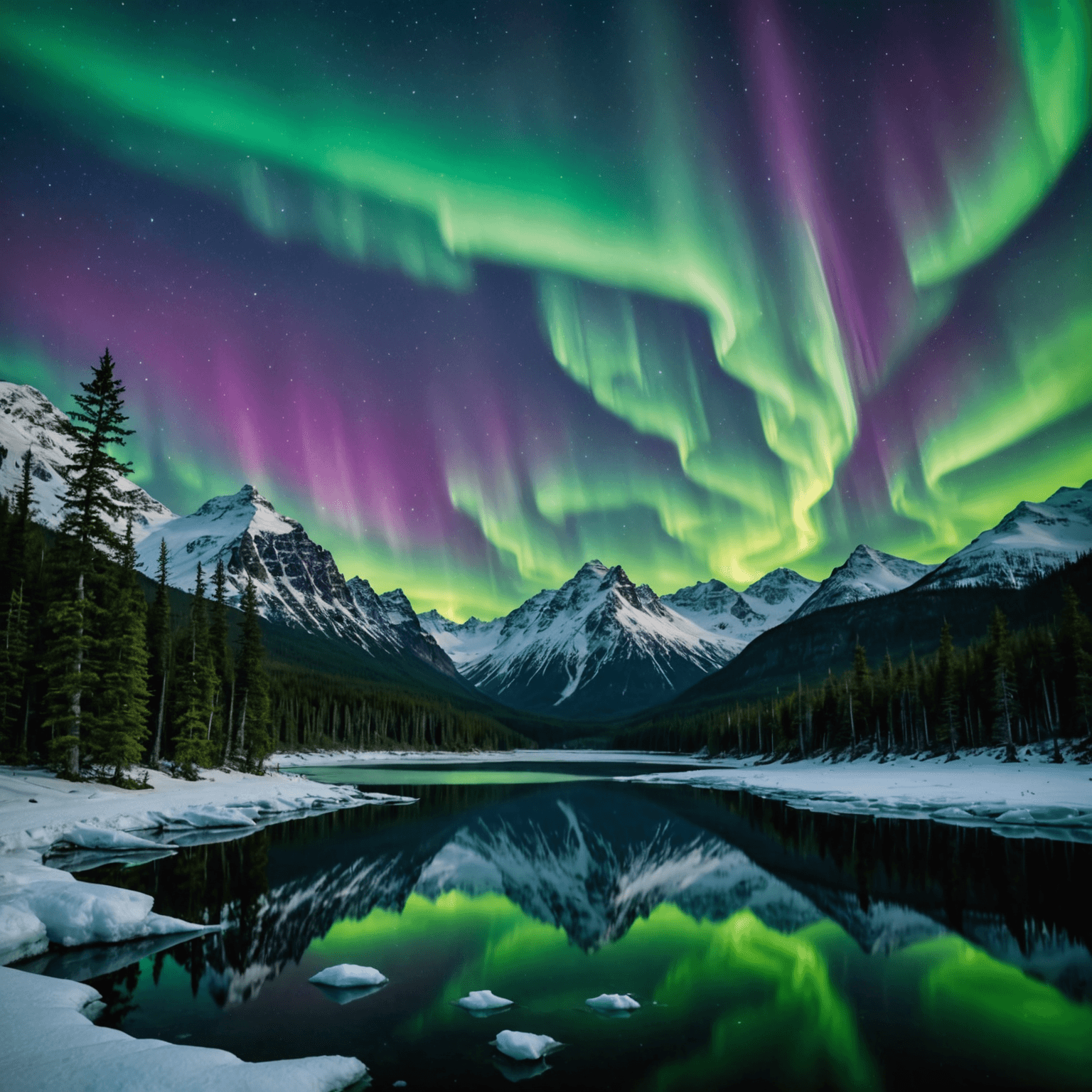
- Avoid Light Pollution: To maximize your viewing experience, find a location free from light pollution. Remote areas away from city lights provide the best conditions.
Cultural Significance and Myths
Historical Interpretations: Various cultures have myths surrounding the aurora. In Norse mythology, the lights were believed to be the reflections of Valkyries’ armor.
Indigenous Beliefs: Some Inuit cultures believe the lights are spirits playing games in the sky, while others see them as manifestations of ancestors.
Modern-Day Celebrations: The Northern Lights are celebrated in festivals and cultural events, drawing tourists and enthusiasts eager to witness this natural wonder.
Practical Viewing Tips
Dress Warmly: Winter nights in aurora-viewing locations can be extremely cold. Dress in layers, and wear insulated boots and gloves to stay comfortable during your viewing session.
Photography Tips: Capture the aurora with a DSLR camera and a tripod. Use a wide-angle lens, set a long exposure, and adjust the ISO settings to enhance image quality.
Guided Tours: Consider joining a guided tour for a well-organized viewing experience. Tours often include transportation, expert guidance, and access to remote viewing spots. Check out the Glacier Northern Lights Adventure for an unforgettable experience.
The Science Continues
Research and Exploration: Scientists continually study the aurora to understand solar-terrestrial interactions better. This research helps improve space weather forecasts and our understanding of Earth’s magnetic environment.
Technological Impact: Intense auroral activity can affect satellite operations and electrical grids, highlighting the importance of monitoring solar and geomagnetic activity.
Conclusion
The Northern Lights remain one of the most enchanting natural phenomena. Whether you’re a seasoned aurora chaser or a first-time viewer, understanding the science, cultural significance, and viewing strategies can enhance your experience. With the right preparation and a bit of luck, witnessing the aurora borealis can be a magical addition to your adventures.
[spronix_cta key=”northern-lights-adventures”]
FAQ
What causes the Northern Lights to appear?
The Northern Lights are caused by the interaction between solar wind and Earth’s magnetic field, which excites gas molecules in the atmosphere, resulting in the emission of light.
When is the best time to see the Northern Lights in Alaska?
The best time to view the Northern Lights in Alaska is between September and April, when nights are longest and skies are darkest.
Can you see the Northern Lights in Anchorage?
Yes, it is possible to see the Northern Lights in Anchorage, though you may have better chances in areas with less light pollution, such as the Hatcher Pass.
What colors can the Northern Lights be?
The Northern Lights can appear in various colors, including green, red, purple, and blue, depending on the type of gas molecules and altitude.
Are there any tours available to see the Northern Lights?
Yes, there are many guided tours available, such as the Winter Experience Adventure Tour, which offers organized trips to prime viewing locations.
How do I photograph the Northern Lights?
To photograph the Northern Lights, use a DSLR camera with a tripod, a wide-angle lens, long exposure, and high ISO settings to capture the best images.
Is it safe to view the Northern Lights?
Viewing the Northern Lights is generally safe. However, always dress warmly and choose safe, accessible locations to watch the aurora.