Introduction
Stepping into the world of a musher’s camp is like entering a realm where the bond between humans and dogs takes center stage. It’s a world where the thrill of sledding over snow-covered landscapes is just one part of a much larger, intricate picture. In this blog post, we delve deep into the musher’s camp experience, highlighting the essentials of dog mush food, kennel tours, and short sled rides. Whether you’re considering a visit or simply curious about the life of a musher, this guide will give you a comprehensive overview.
[spronix_cta key=”dog-sled-rides”]
The Heart of the Camp: Kennel Tours
One of the first experiences at a musher’s camp is the kennel tour. Here, visitors get an up-close look at the dogs that make sledding possible. Kennel tours are designed to educate visitors about the care, training, and feeding of sled dogs. The dogs are typically Alaskan Huskies, known for their endurance and friendly nature.
During the tour, you’ll learn how mushers prepare dog mush food, a high-calorie diet specially formulated to meet the energy needs of these hardworking canines. The diet often includes a mix of meat, fish, and commercial kibble, ensuring the dogs receive the nutrients necessary for their rigorous activities.
For those interested in broader adventures, many camps offer tailored experiences. You can explore custom tours to find an adventure that best suits your interests.
The Sledding Experience
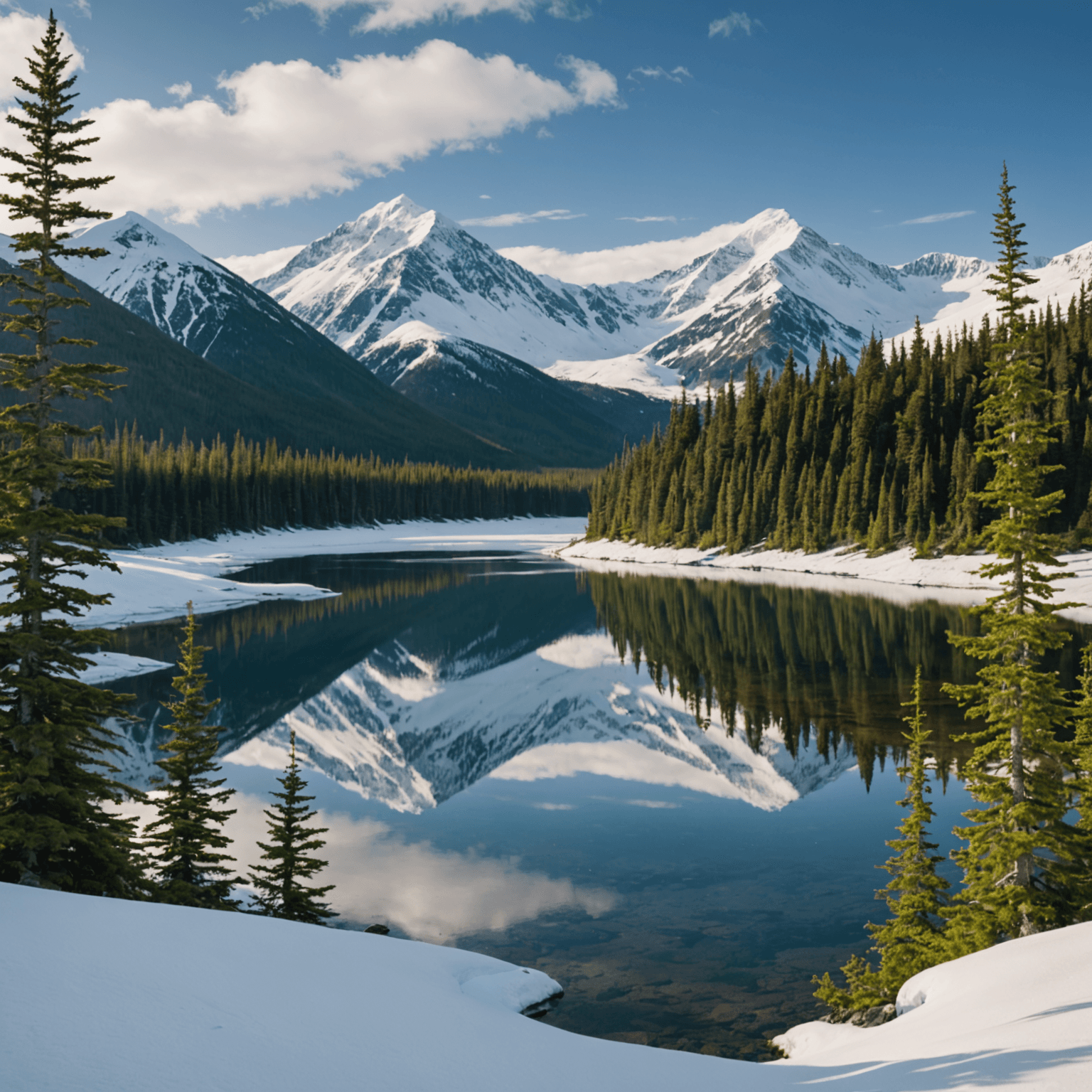
After the kennel tour, the sled ride is the highlight for many visitors. Guided by experienced mushers, you’ll glide across the pristine snow, experiencing the beauty of the Alaskan wilderness. The sound of the sled cutting through the snow and the sight of the dogs working in harmony is exhilarating.
Short sled rides are perfect for beginners and are often included in multi-day adventures. If you’re interested in longer excursions, check out multi-day tours for a more immersive experience.
Life in a Musher’s Camp
Living in a musher’s camp involves a unique daily routine. Mushers rise early to feed and check the health of their dogs, ensuring they are fit for the day’s activities. Training sessions are a regular occurrence, helping both dogs and mushers prepare for events like the Iditarod Trail Sled Dog Race.
The feeding process is crucial, as the dogs require a diet rich in proteins and fats. Dog mush food is meticulously prepared to keep the dogs in peak condition. Mushers often work with nutritionists to develop the best diet plans, incorporating ingredients that are both nourishing and palatable to the dogs.
For those interested in the broader aspects of dog sledding, the fall dog sledding tour provides a glimpse into the preparation that goes into the winter season.
The Role of Weather and Terrain
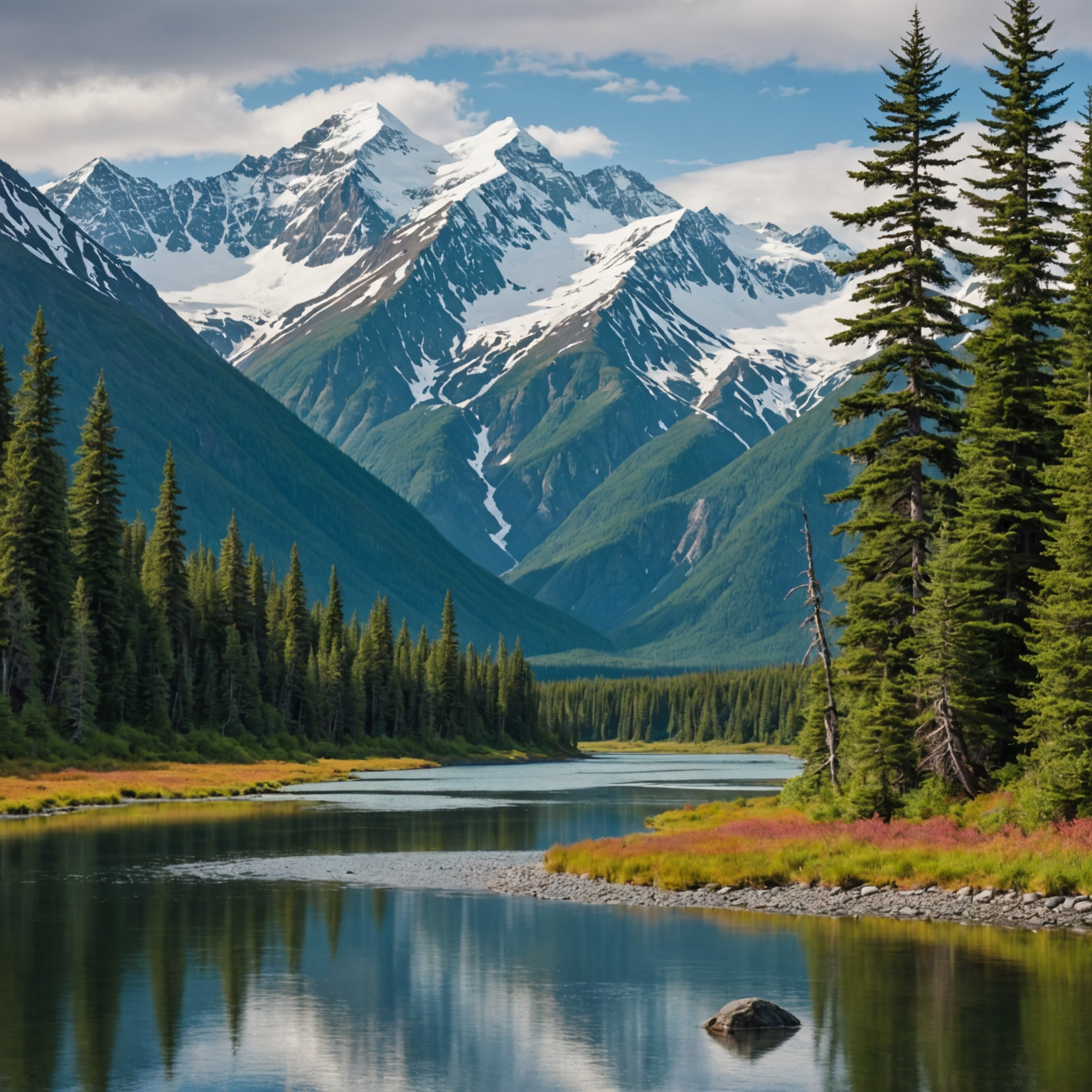
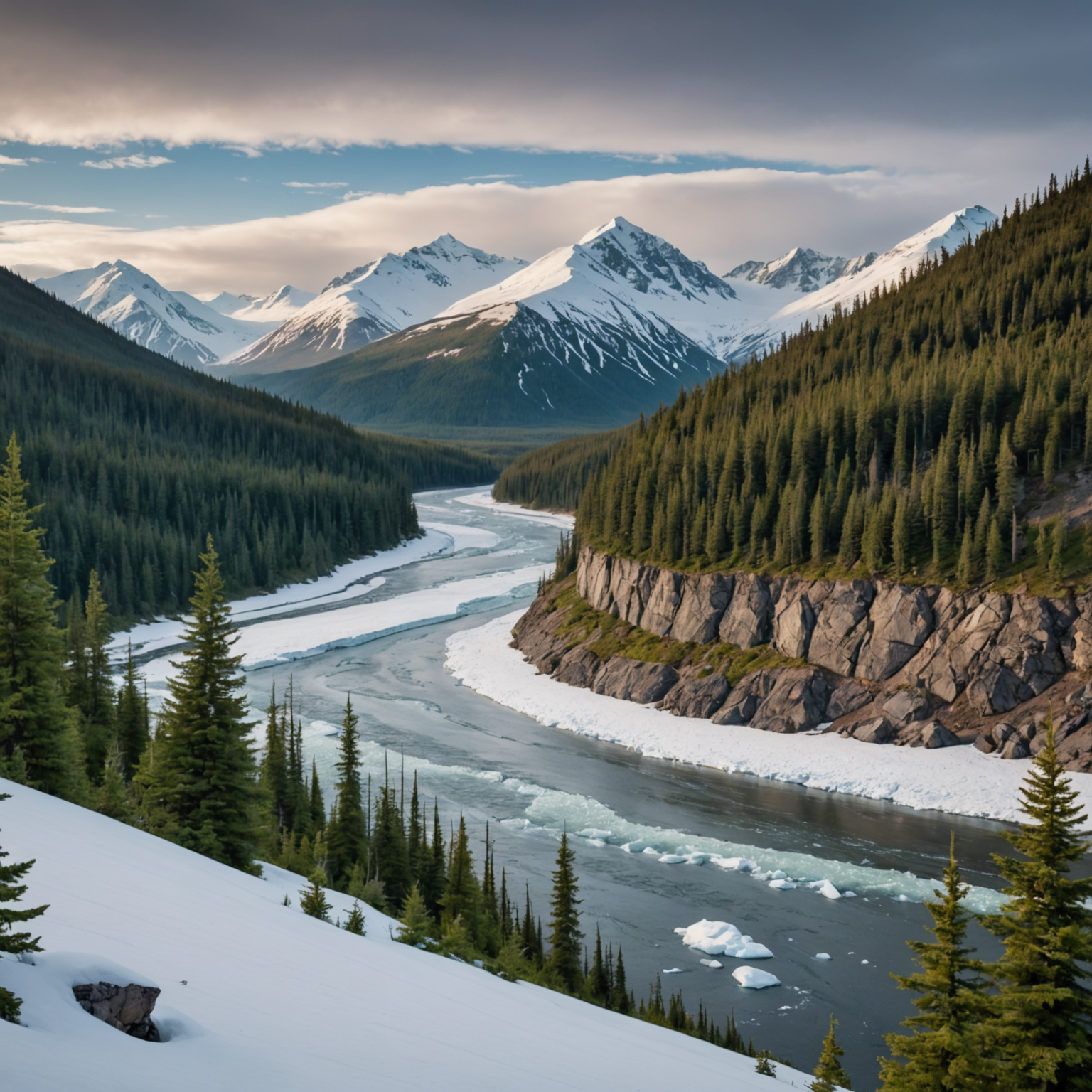
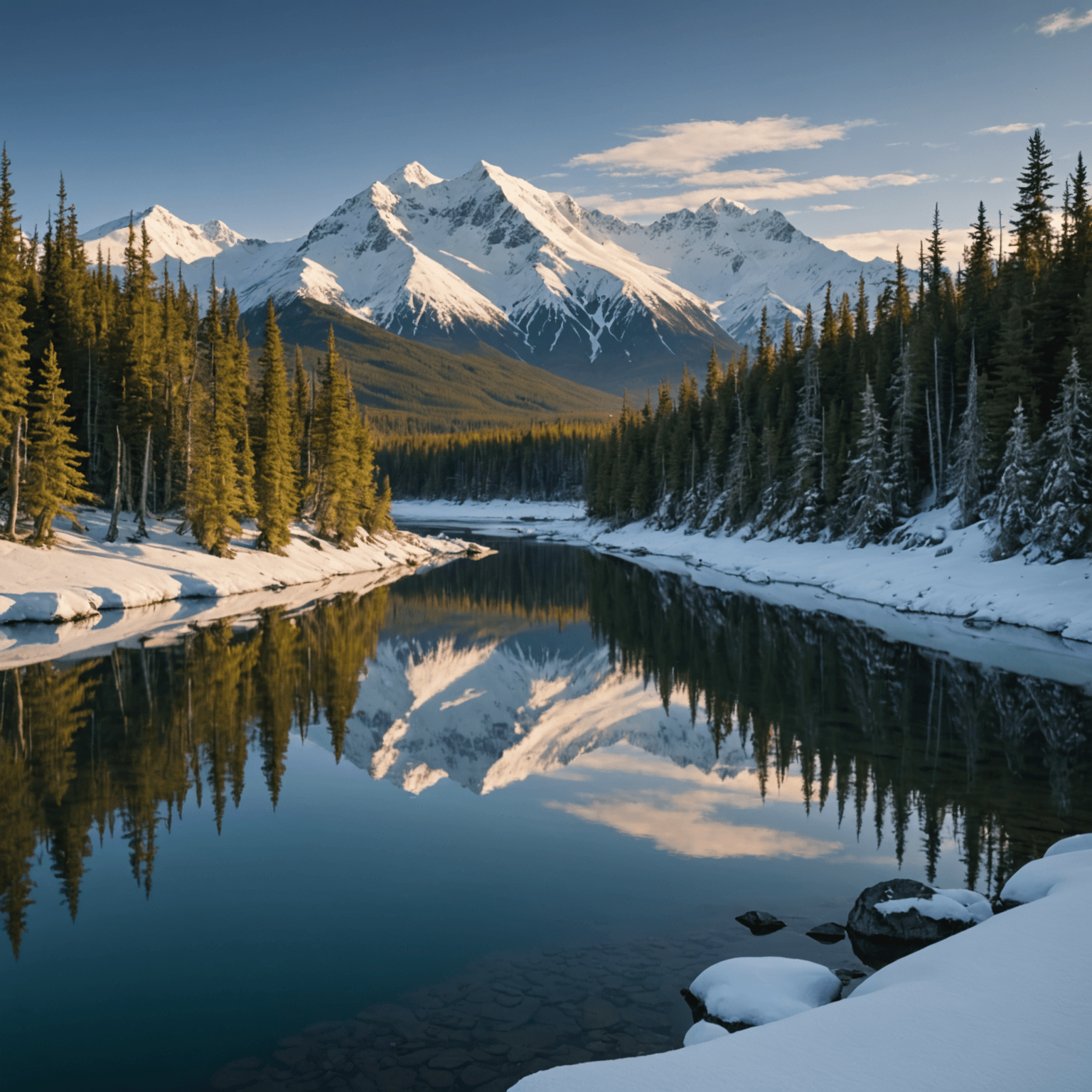
Weather and terrain play a significant role in the sledding experience. The camp’s location often dictates the kind of weather conditions mushers and their dogs face. For real-time weather updates, resources like the National Weather Service are invaluable.
The terrain can vary from flat, snow-covered expanses to challenging mountainous paths. Mushers must be adept at navigating these conditions, often relying on their dogs’ instincts and training to guide them safely through. Understanding the terrain is vital, not just for the safety of the musher but also for the well-being of the dogs.
Conclusion
A musher’s camp is more than just a collection of sleds and dogs; it is a testament to the symbiotic relationship between humans and animals, crafted over centuries. From understanding the intricacies of dog mush food to experiencing the thrill of a sled ride, the camp offers insights into a lifestyle deeply connected to nature. Whether you’re a seasoned adventurer or a curious observer, the musher’s camp experience is one that promises to leave a lasting impression.
For those looking to explore beyond the camp, consider embarking on a snowmobile adventure tour or witnessing the awe-inspiring Northern Lights in the Alaskan sky.
[spronix_cta key=”dog-sled-rides”]
FAQ
What is dog mush food made of?
Dog mush food is primarily composed of high-calorie ingredients like meat, fish, and commercial kibble, designed to meet the energy needs of sled dogs.
How are sled dogs trained?
Sled dogs undergo regular training sessions that focus on building endurance, strength, and teamwork. Training often includes practice runs and exercises to improve commands and coordination.
What should I wear to a musher’s camp?
Dress in layers with thermal clothing, waterproof outerwear, and insulated boots. It’s important to stay warm and dry in the cold, snowy conditions.
Can anyone go on a sled ride?
Yes, sled rides are available for people of all ages and experience levels. Short rides are ideal for beginners, while longer tours can cater to more adventurous visitors.
How do mushers care for their dogs?
Mushers ensure their dogs are well-fed, hydrated, and receive regular veterinary check-ups. They also prioritize training and socialization to keep the dogs healthy and happy.
When is the best time to visit a musher’s camp?
The best time to visit is during the winter months when the snow is plentiful and conditions are ideal for sledding. However, some camps offer fall tours for those interested in off-season activities.
Are there other activities available at the camp?
Yes, many camps offer additional activities such as snowshoeing, snowmobiling, and even helicopter tours for a bird’s-eye view of the Alaskan wilderness.
Is it safe to visit a musher’s camp?
Visiting a musher’s camp is generally safe. However, it’s important to follow all guidelines and instructions provided by the camp staff to ensure a safe and enjoyable experience.