Introduction
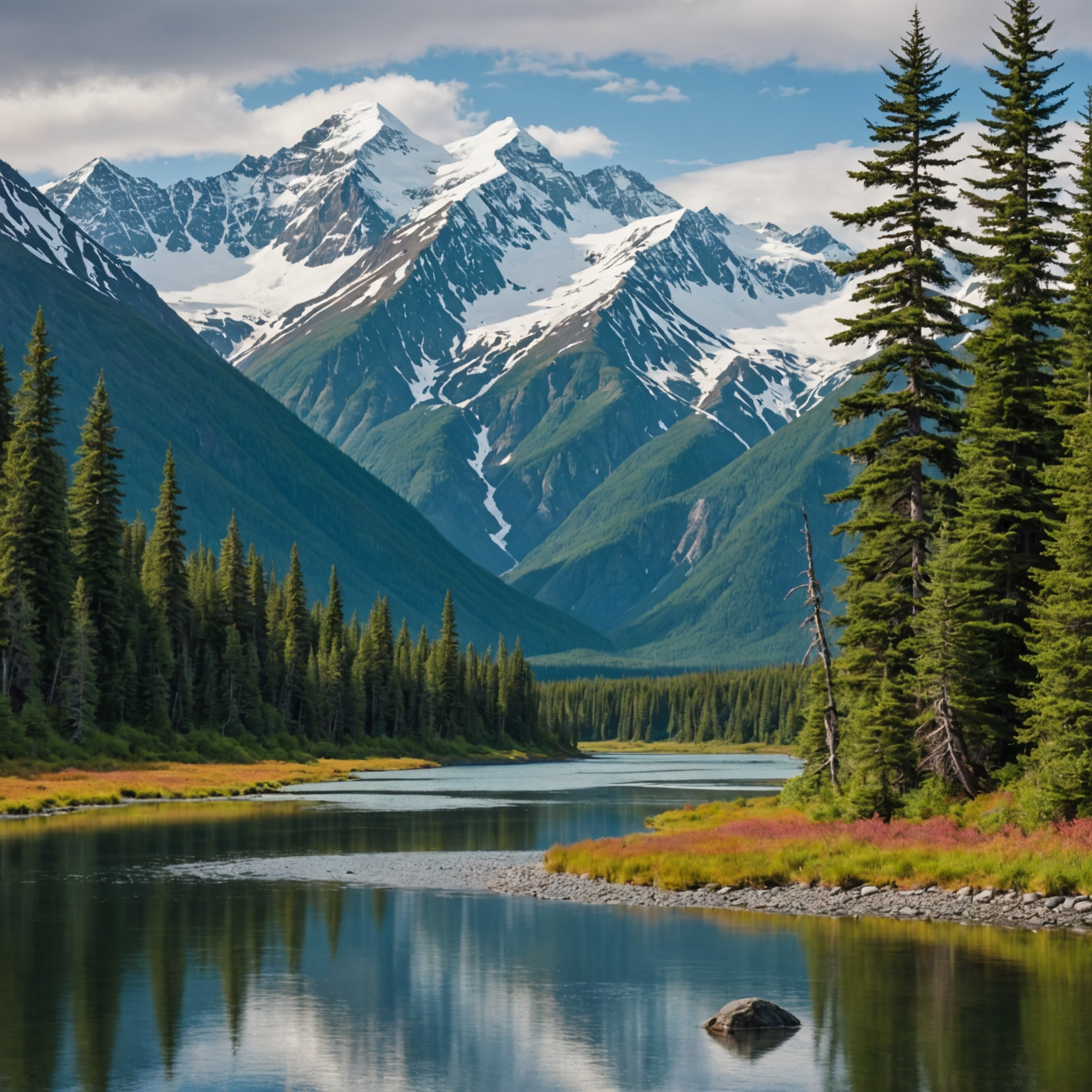
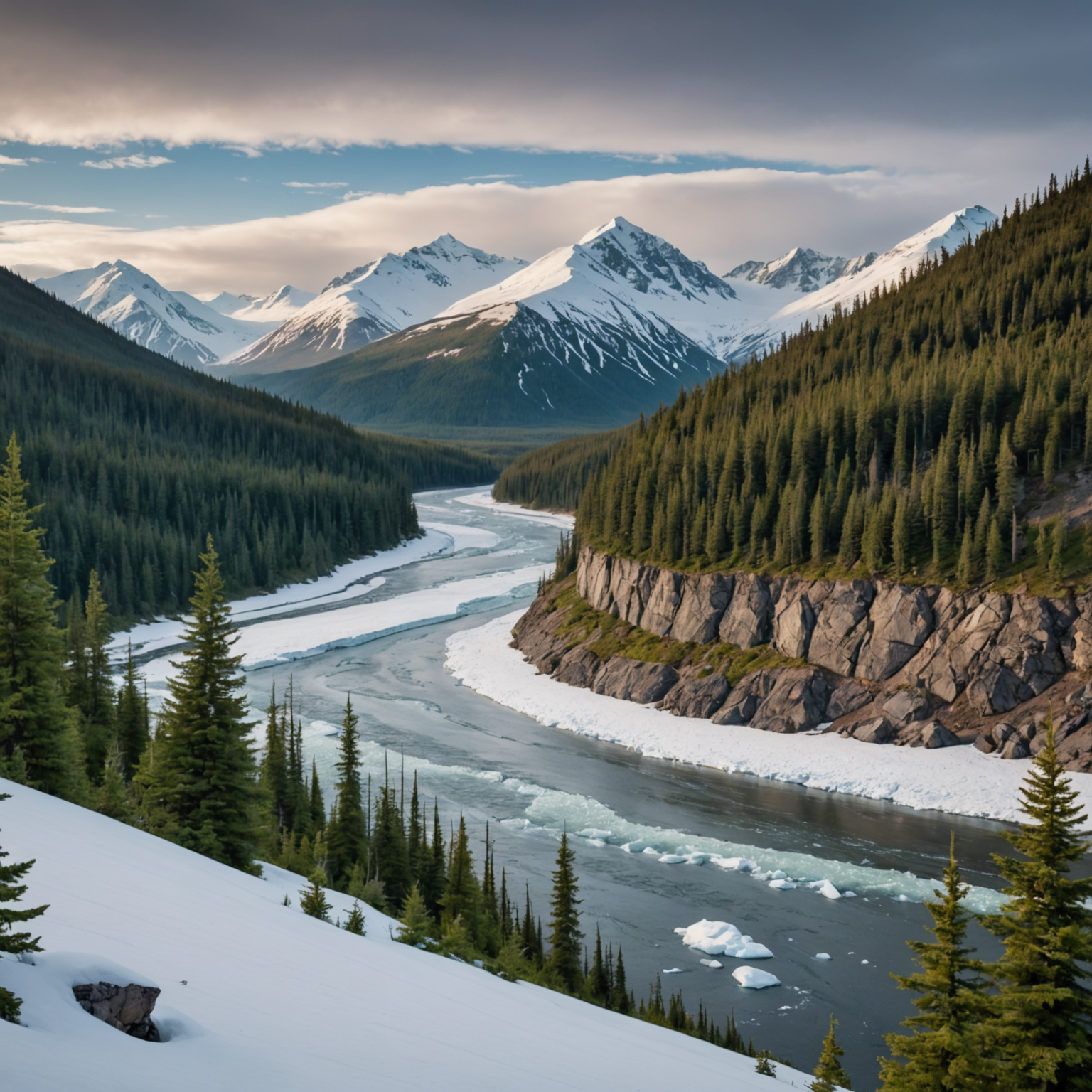
Nestled between the dramatic landscapes of Alaska’s Turnagain Pass, Ingram Creek is a hidden gem that offers breathtaking scenic views and a gateway to adventure. A visit to Ingram Creek invites travelers to experience the raw beauty of Alaska, with its majestic mountains, lush forests, and pristine waters. Whether you are an avid hiker, a nature enthusiast, or simply someone looking to escape the hustle and bustle of city life, Ingram Creek provides an idyllic setting for your Alaskan adventure.
[spronix_cta key=”anchorage-area”]
Exploring the Scenic Beauty of Ingram Creek
Ingram Creek is located off the Seward Highway, which is known for being one of the most scenic drives in the United States. The creek itself is surrounded by the stunning landscapes of the Chugach National Forest, making it an ideal spot for nature lovers and outdoor enthusiasts. Visitors can enjoy a variety of recreational activities such as hiking, fishing, and wildlife viewing.
The area around Ingram Creek is particularly popular with hikers, as it offers numerous trails that cater to all levels of experience. For those seeking a more leisurely experience, the trails provide easy access to the creek and surrounding forests, where one can enjoy the serene sounds of nature. More adventurous hikers can tackle the challenging routes that lead to panoramic views of the Turnagain Arm and the Kenai Mountains.
Wildlife and Nature at Ingram Creek
Ingram Creek is home to a rich diversity of wildlife, offering visitors an opportunity to witness the majestic creatures of Alaska in their natural habitat. Bears, moose, and eagles are frequently spotted in the area, making it a prime location for wildlife photography and observation. The salmon runs in the creek attract a variety of fish species, providing an excellent opportunity for anglers to test their skills.
To ensure a safe and enjoyable experience, visitors should be aware of the necessary precautions when exploring wildlife areas. Understanding how to safely interact with the environment and its inhabitants is crucial. The Alaska Department of Fish and Game provides valuable resources on living with bears and other wildlife safety tips.
Planning Your Visit to Ingram Creek
When planning a visit to Ingram Creek, it is essential to consider the weather conditions and prepare accordingly. The National Weather Service offers up-to-date forecasts to help visitors plan their trips effectively. The best time to visit Ingram Creek is during the summer months when the weather is warmer, and the trails are more accessible. However, the fall and winter seasons also offer unique experiences, such as snowshoeing and ice fishing.
For those looking to explore more of Alaska’s natural wonders, consider joining one of the many guided tours available in the region. From dog sledding to glacier adventures, there are numerous options to enhance your Alaskan experience. Check out Snowhook Adventures for a comprehensive list of the best Alaska tours for travelers.
Safety Tips and Environmental Responsibility
Safety should be a top priority for anyone visiting Ingram Creek. The area is known for its rugged terrain and unpredictable weather, so it’s important to be well-prepared. Visitors should carry essential gear such as maps, compasses, and adequate clothing. The Chugach National Forest provides detailed maps and guidelines for safely exploring the area.
Additionally, practicing Leave No Trace principles is crucial to preserve the natural beauty of Ingram Creek. The Leave No Trace Center for Outdoor Ethics offers guidelines on minimizing your environmental impact while enjoying outdoor activities.
Conclusion
Ingram Creek is a captivating destination that promises a unique Alaskan experience. With its breathtaking views, diverse wildlife, and ample opportunities for adventure, it is a must-visit for anyone exploring the region. Whether you’re hiking through the Chugach National Forest, casting a line in the creek, or simply soaking in the natural beauty, Ingram Creek offers an unforgettable journey into the heart of Alaska.
For more information on planning your Alaskan adventure, including top winter tours out of Anchorage, visit Snowhook Adventures.
[spronix_cta key=”anchorage-area”]
FAQ
What is the best time to visit Ingram Creek?
The best time to visit Ingram Creek is during the summer months, from June to August, when the weather is warm and the trails are easily accessible. However, each season offers unique experiences, such as fall foliage or winter snow activities.
What wildlife can I expect to see at Ingram Creek?
Visitors to Ingram Creek can expect to see a variety of wildlife, including bears, moose, eagles, and salmon. The area offers excellent opportunities for wildlife photography and observation.
Are there any guided tours available in the area?
Yes, there are several guided tours available that explore the natural beauty of Alaska. For more options, check out Snowhook Adventures.
What safety precautions should I take when visiting Ingram Creek?
Visitors should be prepared for rugged terrain and changing weather conditions. Carry essential gear such as maps and compasses, and familiarize yourself with wildlife safety tips provided by the Alaska Department of Fish and Game.
Can I fish at Ingram Creek?
Yes, Ingram Creek is a popular spot for fishing, especially during the salmon runs. Be sure to obtain the necessary fishing licenses and follow local regulations.
How can I minimize my environmental impact while visiting Ingram Creek?
Practicing Leave No Trace principles is essential to minimize your environmental impact. The Leave No Trace Center for Outdoor Ethics provides guidelines to help visitors preserve the natural beauty of the area.
Are there any nearby attractions to visit along with Ingram Creek?
In addition to Ingram Creek, the Seward Highway offers many scenic spots and attractions. Consider exploring the Turnagain Arm or visiting nearby towns like Girdwood for a complete Alaskan experience.
What should I pack for a trip to Ingram Creek?
When visiting Ingram Creek, pack essentials such as warm clothing, hiking boots, rain gear, and safety equipment. Always be prepared for variable weather conditions.