Introduction
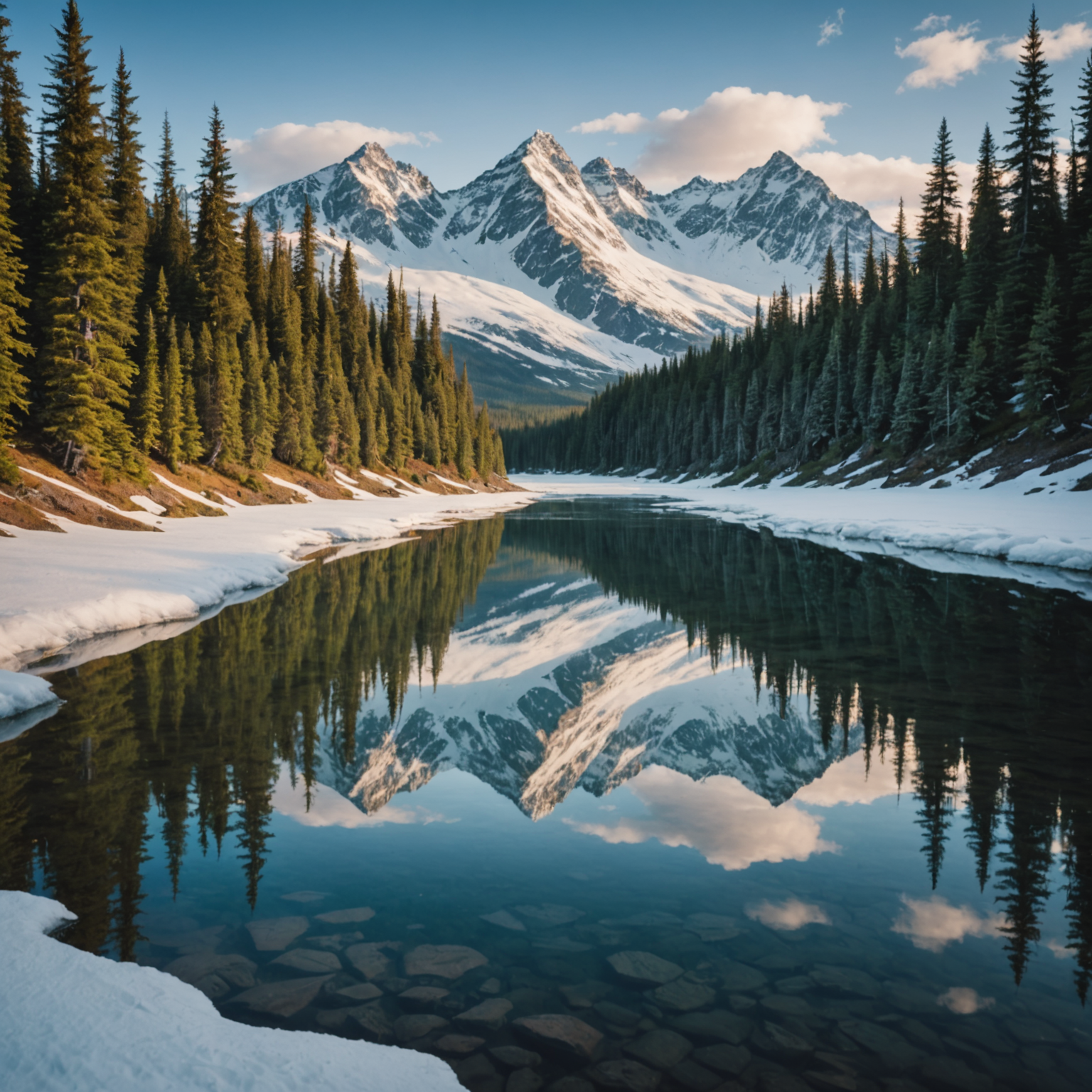
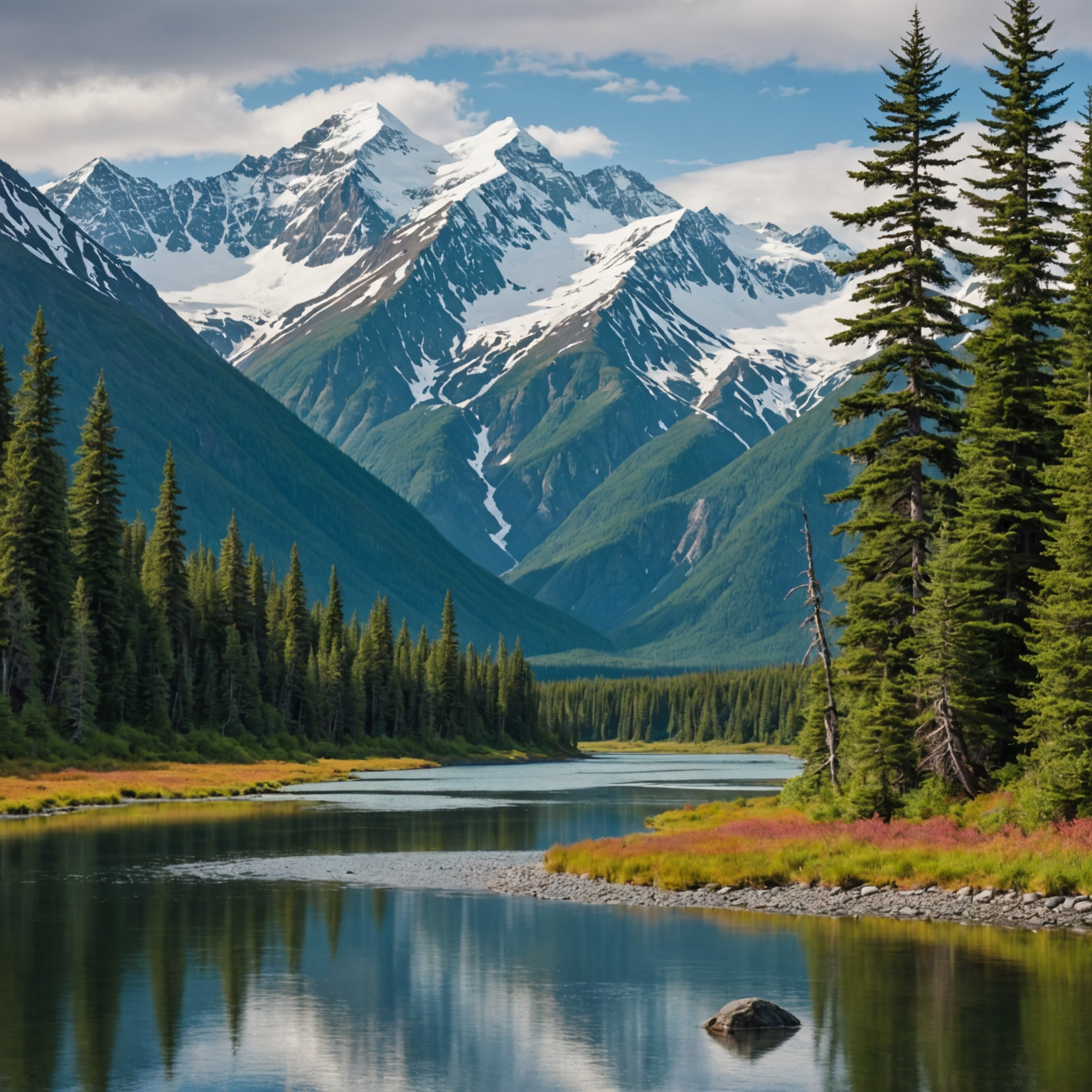
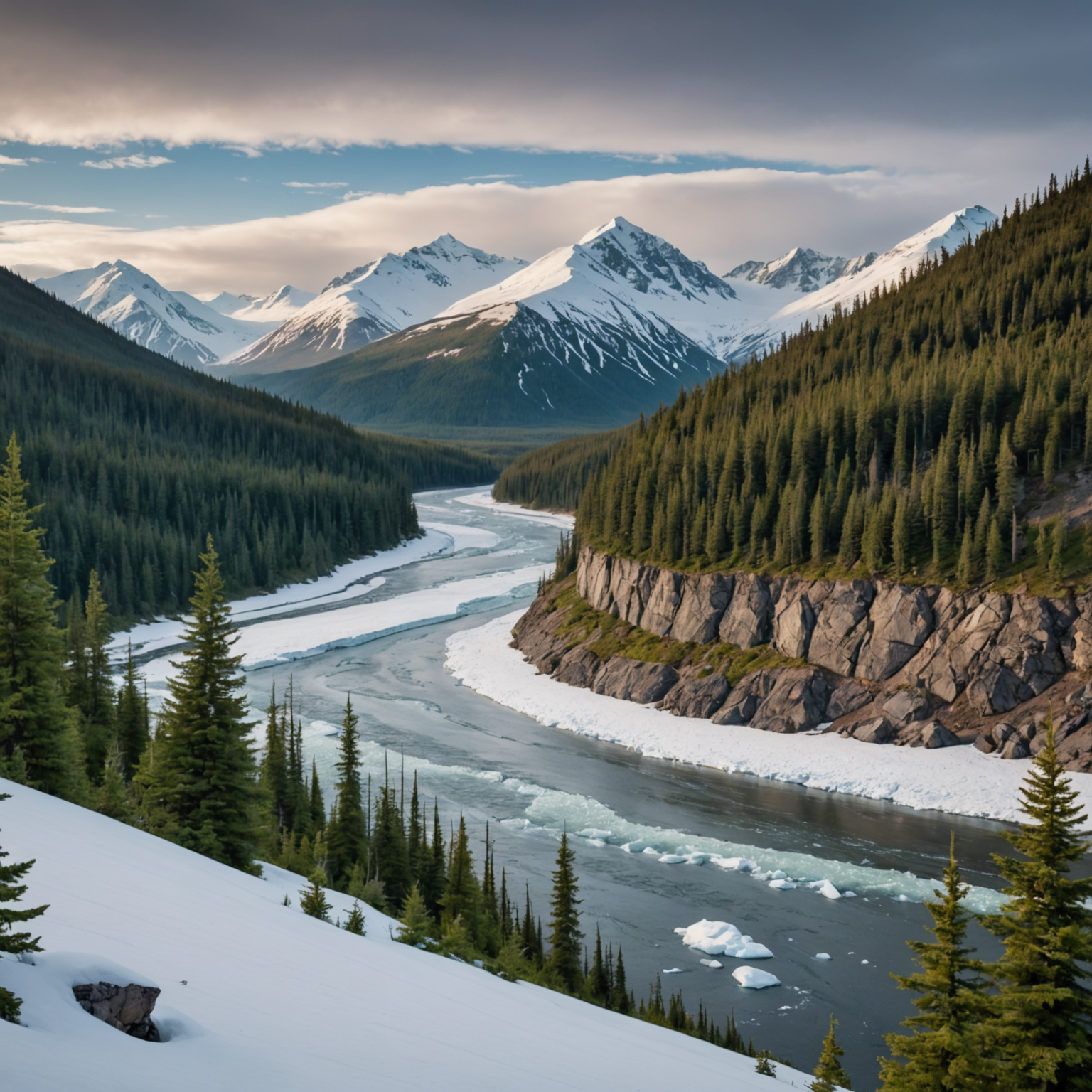
Ice climbing in Alaska is an exhilarating adventure that attracts thrill-seekers and nature lovers from around the world. With its expansive glaciers and breathtaking landscapes, Alaska offers some of the most challenging and rewarding ice climbing opportunities. Whether you’re an experienced climber or a curious beginner, exploring Alaska’s icy terrains promises an unforgettable experience. In this post, we’ll guide you through the essentials of ice climbing in Alaska, from choosing the right locations to understanding the safety measures necessary for a successful climb.
[spronix_cta key=”winter-adventures”]
The Best Locations for Ice Climbing in Alaska
Alaska is home to a vast array of glaciers, each offering unique climbing challenges and stunning vistas. Some of the most popular ice climbing destinations include:
Matanuska Glacier
Located about two hours northeast of Anchorage, the Matanuska Glacier is one of the most accessible glaciers in Alaska. Stretching 27 miles long and four miles wide, it provides a variety of climbing routes suitable for all skill levels. The glacier’s towering ice walls and crevasses make it a favorite spot for guided ice climbing tours.

Exit Glacier
Part of Kenai Fjords National Park, Exit Glacier offers a more remote and rugged ice climbing experience. It is accessible from Seward, and the climb provides stunning views of the surrounding wilderness. The glacier is known for its challenging routes, which are best suited for experienced climbers.
For more information on visiting Kenai Fjords National Park, check out the National Park Service’s official page.
Root Glacier
Situated in Wrangell-St. Elias National Park, Root Glacier is renowned for its sheer beauty and varied climbing routes. The glacier’s ice formations, such as blue pools and ice caves, provide a picturesque backdrop for climbers. Guided tours are available and highly recommended for those unfamiliar with the area.
Discover more about Wrangell-St. Elias National Park by visiting the NPS website.
Essential Gear for Ice Climbing in Alaska
Proper gear is crucial for a safe and enjoyable ice climbing experience. Here’s a checklist of essential equipment:
- Crampons: These metal spikes attach to your boots and provide traction on ice.
- Ice Axes: Used for climbing and self-arrest, ice axes are a staple for any climber.
- Helmet: Protects your head from falling ice and other hazards.
- Harness and Ropes: Necessary for safety and support during climbs.
- Layered Clothing: Dress in layers to stay warm and dry. The weather can change rapidly, so be prepared for all conditions.
- Avalanche Beacon: An essential tool for safety, especially in remote areas.
For more insights on staying safe during winter activities in Alaska, check out our tips for planning affordable Alaska trips.
Safety Measures and Regulations
Ice climbing in Alaska demands strict adherence to safety protocols to ensure a secure adventure. Here are key considerations:
Avalanche Awareness
Understanding avalanche risks is vital. The Chugach National Forest Avalanche Information Center provides updates and forecasts to help climbers assess conditions.
Guided Tours
For those new to ice climbing or unfamiliar with Alaska’s terrain, guided tours are strongly recommended. Professional guides offer expertise, ensure safety, and enhance the overall experience. They also provide necessary equipment, making it easier for beginners to get started.
Weather Conditions
Alaska’s weather can be unpredictable. Always check the latest forecasts from reliable sources like the National Weather Service before heading out. This will help you prepare appropriately and avoid hazardous conditions.
Conclusion
Ice climbing in Alaska is a remarkable adventure that combines the thrill of climbing with the awe-inspiring beauty of the Alaskan wilderness. By choosing the right locations, gearing up with essential equipment, and adhering to safety measures, you can ensure a memorable and safe experience. Whether you’re scaling the towering ice walls of Matanuska Glacier or exploring the remote beauty of Exit Glacier, the thrill of ice climbing in Alaska is unparalleled.
To complement your adventure, consider exploring other activities in the region, such as the best winter tours from Anchorage, Alaska.
[spronix_cta key=”winter-adventures”]
FAQ
What is the best time of year for ice climbing in Alaska?
The prime ice climbing season in Alaska typically runs from late November through March. During these months, the glaciers are most stable, and the weather is conducive for climbing.
Do I need previous climbing experience to try ice climbing in Alaska?
While previous climbing experience can be beneficial, it is not necessary. Many guided tours cater to beginners and provide all the necessary training and equipment.
What should I wear for ice climbing?
Dress in multiple layers to stay warm and dry. Waterproof and windproof outer layers are essential, along with insulated gloves and hats.
Are there age restrictions for ice climbing tours?
Age restrictions vary by tour provider, but most guided tours are suitable for individuals aged 12 and up. Check with your tour operator for specific requirements.
How physically demanding is ice climbing in Alaska?
Ice climbing can be physically demanding, requiring strength, endurance, and agility. However, routes vary in difficulty, and beginners can start with less challenging climbs.
Can I rent ice climbing gear in Alaska?
Yes, most guided tours provide rental gear, including crampons, ice axes, harnesses, and helmets. Renting is a convenient option for those new to the sport.
Are there other activities to enjoy near Alaska’s glaciers?
Absolutely! Aside from ice climbing, you can enjoy dog sledding with huskies, wildlife tours, and even aurora borealis viewing, depending on the time of year.
How do I get to the ice climbing sites?
Most sites are accessible by car, and some tours offer transportation options from major cities like Anchorage. For detailed transportation information, visit our transportation guide.