Introduction
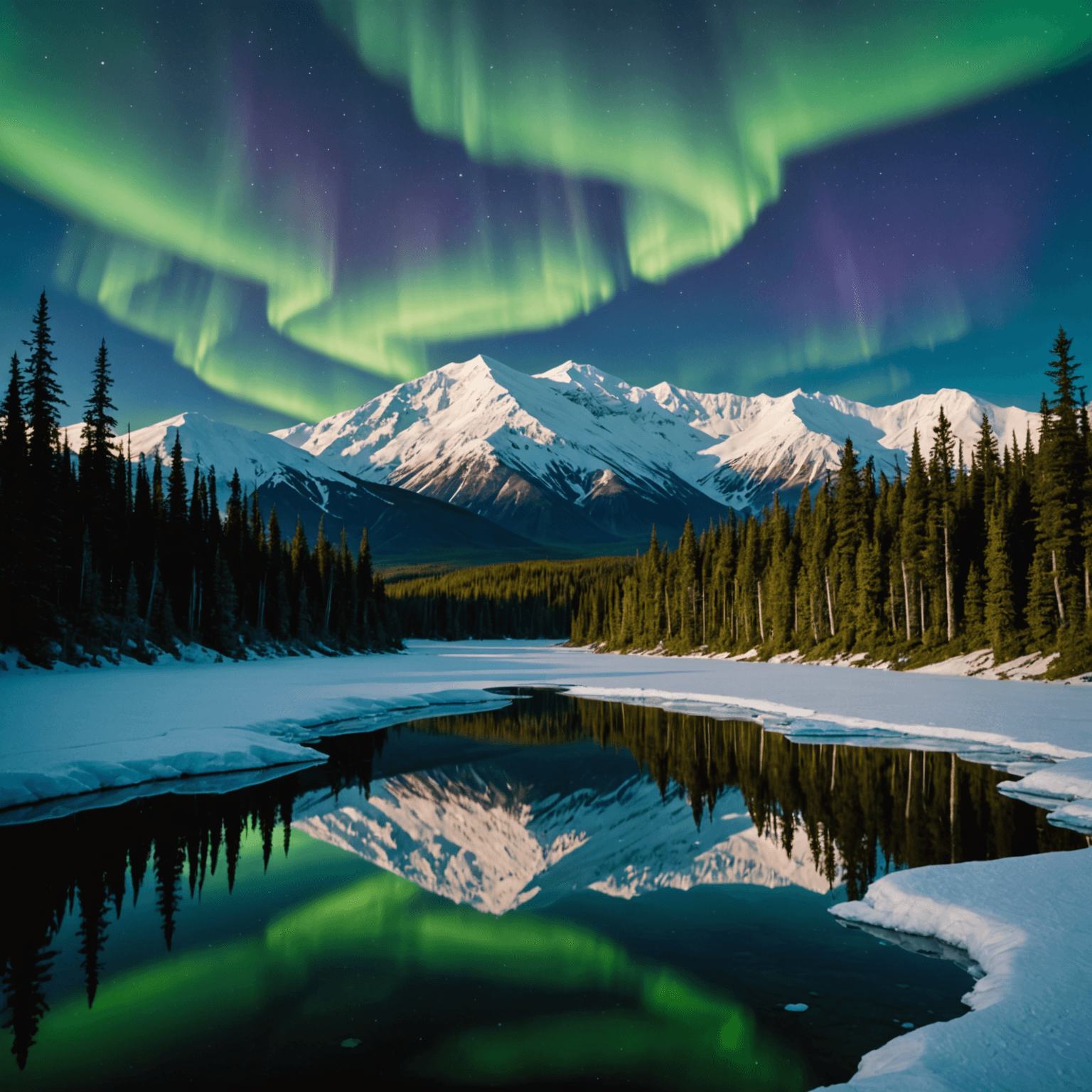
Planning an Alaska trip to witness the mesmerizing northern lights, or aurora borealis, is a dream for many travelers. With its vast, unspoiled wilderness and optimal viewing conditions, Alaska stands as one of the best destinations for aurora seekers. This guide will walk you through the essential steps to plan your perfect Alaska trip for northern lights tours, ensuring an unforgettable experience.
[spronix_cta key=”northern-lights-adventures”]
Understanding the Northern Lights
Before embarking on your adventure, it’s crucial to understand what the northern lights are and when they’re most visible. The aurora borealis is a natural light display predominantly seen in high-latitude regions around the Arctic and Antarctic. The lights are the result of solar particles colliding with the Earth’s atmosphere.
Best Time to See the Northern Lights in Alaska
The best time to view the northern lights in Alaska is from late August to April when the nights are longest and darkest. Peak viewing months are typically between September and March. It’s important to check the aurora forecast on sites like the Geophysical Institute’s Aurora Forecast to maximize your chances of a sighting.
Choosing Your Destination
Alaska offers numerous locations perfect for northern lights tours. Here are some top choices:
Fairbanks
Fairbanks is often considered the best place to see the northern lights in Alaska due to its location under the “auroral oval,” a ring-shaped zone where auroral activity is concentrated. Fairbanks also offers a variety of northern lights tours, accommodations, and amenities.
Anchorage
While not as ideal as Fairbanks, Anchorage provides opportunities for viewing the aurora and is more accessible with a wider range of urban comforts. For a unique experience, consider exploring Alaska snowmobile tours to venture into the wilderness.
Denali National Park
Denali offers breathtaking landscapes and a chance to see the northern lights in a less populated setting. Consider checking out the Denali Glacier Snowmobile Adventure for an exhilarating way to experience this park.
Talkeetna
A charming town with a rich history, Talkeetna is another excellent spot for aurora viewing. With its proximity to Denali, it provides a scenic backdrop for your northern lights experience. Learn more about Talkeetna’s offerings on Talkeetna Chamber of Commerce.
Planning Your Itinerary
Booking Your Tour
When planning your Alaska trip, booking a guided northern lights tour can greatly enhance your experience. These tours offer expert knowledge, transportation, and equipment that can help you capture the best views and photographs of the aurora.
Accommodations
Choose accommodations that prioritize northern lights viewing, such as lodges with aurora wake-up calls or glass-ceilinged igloos. Fairbanks and its surrounding areas offer several options that cater specifically to aurora watchers.
Additional Activities
While the northern lights might be the highlight, consider adding other activities to your itinerary to make the most of your Alaska adventure. Options like dog sledding, ice fishing, and snowmobiling are popular choices. Explore dog sled and ATV adventure tours for a unique Alaskan experience.
Preparing for Your Trip
Weather and Clothing
Alaska’s winter weather can be harsh, so it’s essential to prepare accordingly. Check weather forecasts on NOAA and pack layers of warm, moisture-wicking clothing. Accessories like hats, gloves, and thermal socks are crucial for staying warm during nighttime aurora viewing.
Safety Considerations
Safety is paramount when exploring Alaska’s wilderness. Familiarize yourself with local wildlife and safety practices through resources like the Alaska Department of Fish and Game. Additionally, always let someone know your itinerary and expected return times.
Photography Tips
Capturing the northern lights on camera requires some skill. Bring a DSLR or mirrorless camera with manual settings, a tripod, and a remote shutter release. Experiment with long exposures and different ISO settings to get the best shots.
Conclusion
Planning a perfect Alaska trip for northern lights tours involves understanding the best times and locations, organizing a comprehensive itinerary, and preparing for the weather and safety challenges. With the right planning and a bit of luck, you’ll create unforgettable memories under the dazzling aurora borealis.
[spronix_cta key=”northern-lights-adventures”]
FAQ
What are the best months to see the northern lights in Alaska?
The best months to see the northern lights in Alaska are from September to March, when the nights are longest and darkest.
Can I see the northern lights in Anchorage?
Yes, you can see the northern lights in Anchorage, though more remote locations like Fairbanks offer better viewing opportunities due to their location under the auroral oval.
What should I wear when viewing the northern lights in Alaska?
Dress in layers with warm, moisture-wicking clothing. Include hats, gloves, and thermal socks to stay warm during cold nights.
Are guided tours necessary for seeing the northern lights?
While not necessary, guided tours can enhance your experience by providing expert knowledge, transportation, and equipment for optimal viewing and photography.
How can I improve my chances of seeing the northern lights?
Check aurora forecasts regularly, choose locations with clear night skies, and plan your trip during peak viewing months.
What other activities can I do in Alaska besides viewing the northern lights?
Alaska offers a variety of winter activities such as dog sledding, ice fishing, and snowmobiling. Consider exploring multi-day tours for a comprehensive adventure.
Are there any safety concerns when viewing the northern lights?
Yes, safety concerns include extreme cold, wildlife encounters, and remote locations. Prepare accordingly and stay informed about local safety practices.
By following this guide, you’ll be well-prepared to embark on an unforgettable journey to witness the magical northern lights in Alaska.