Introduction
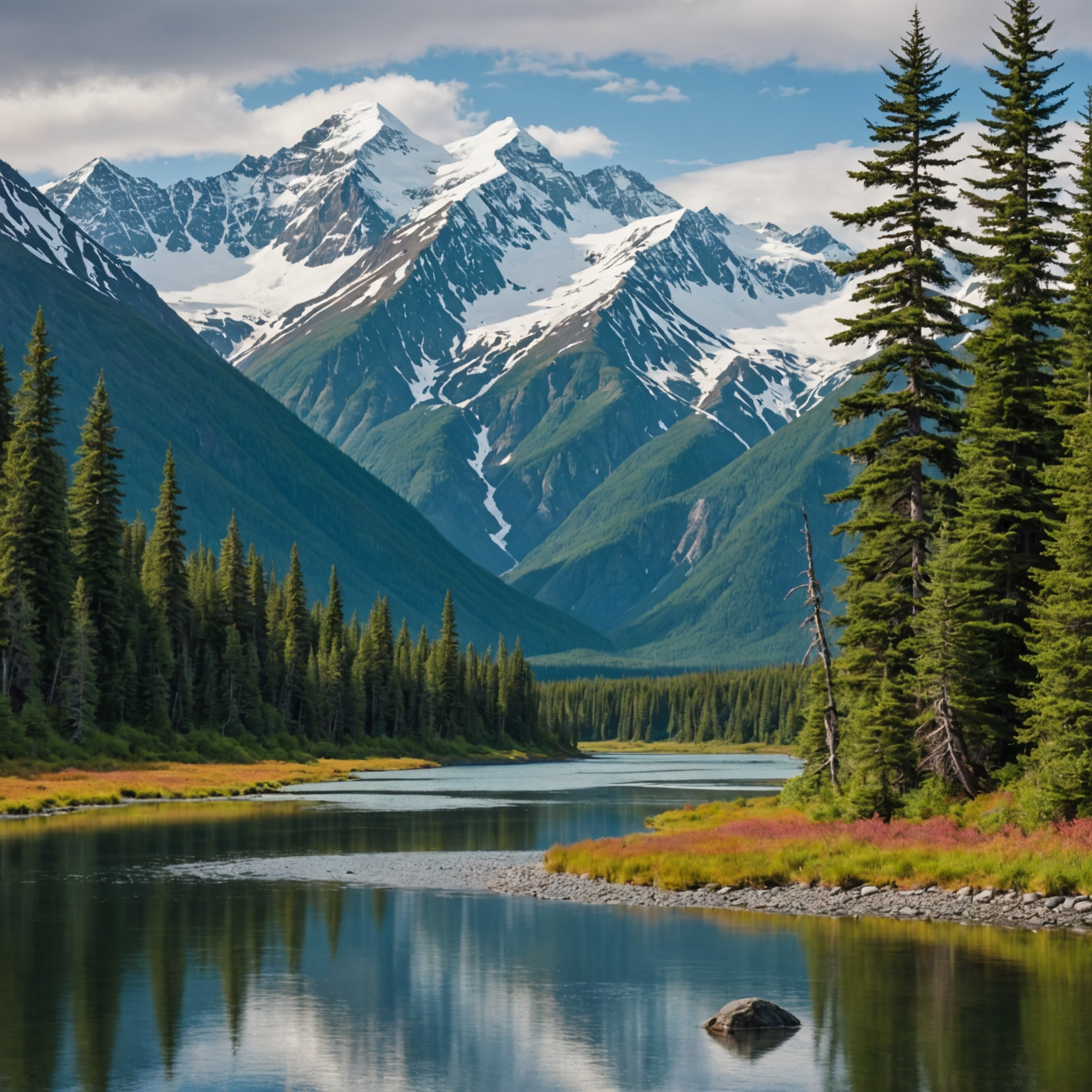
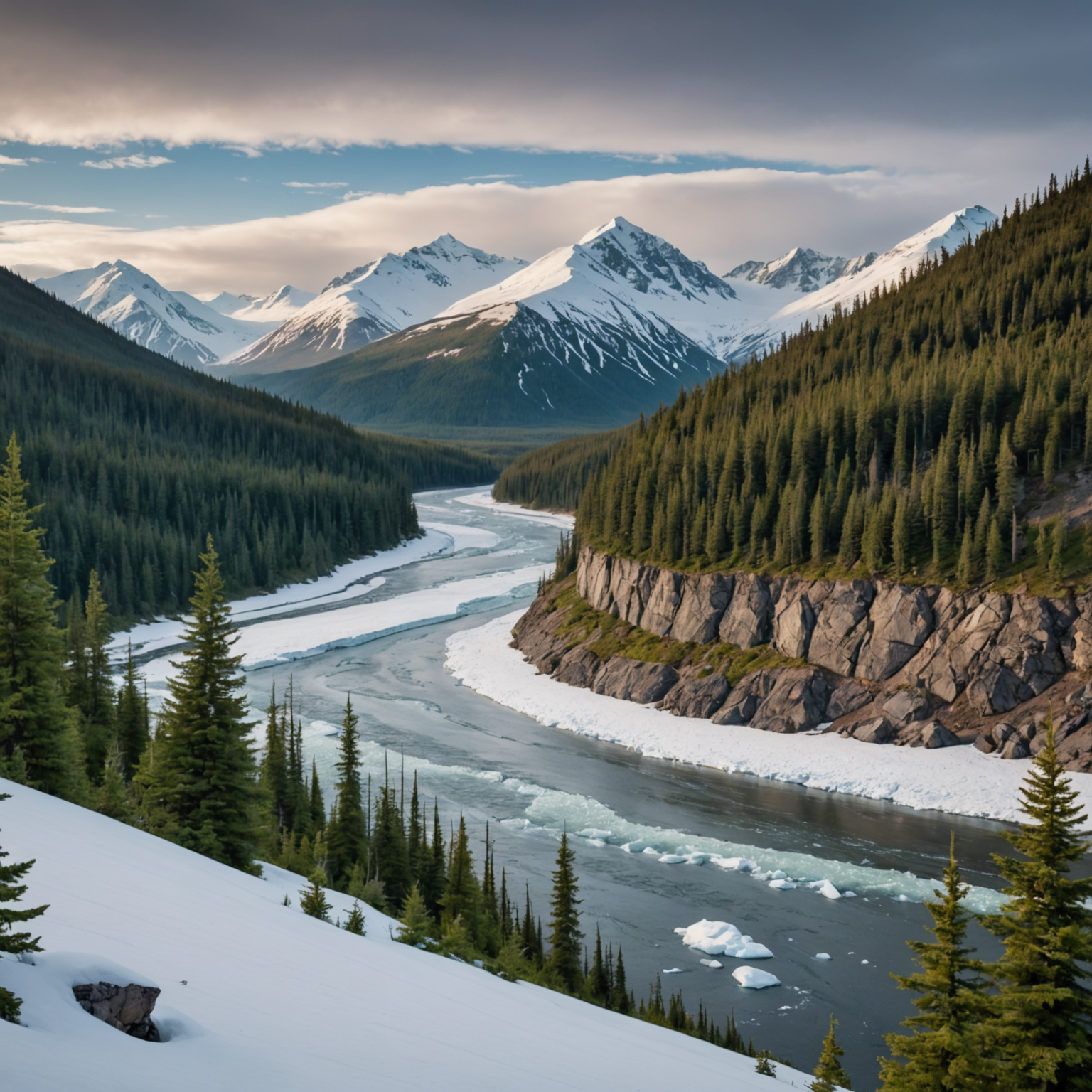
Alaska, known for its breathtaking landscapes, diverse wildlife, and unique cultural heritage, is a dream destination for many travelers. Whether you’re drawn by the allure of the Northern Lights, the call of the wild, or the majestic beauty of its national parks, knowing how to get to Alaska is the first step in planning your adventure. This comprehensive guide covers the various modes of transportation available to reach this stunning state, providing tips on planning the easiest and most scenic routes. From traveling by plane to embarking on a road trip or taking a cruise, we’ll explore the best ways to make your journey to Alaska an unforgettable experience.
[spronix_cta key=”northern-lights-adventures”]
Traveling to Alaska by Air
Flying is undoubtedly the quickest and most convenient way to reach Alaska. Anchorage, Fairbanks, and Juneau are the primary airports serving the state, with Anchorage being the largest and most well-connected. Major airlines offer direct flights from several U.S. cities, making it easy to plan your trip.
Choosing the Right Flight
When booking your flight, consider factors such as price, flight duration, and layover options. During peak travel seasons, which include summer and the winter holiday period, flights can fill up quickly, so booking in advance is advisable. For the best views, consider booking a window seat on the left side of the plane when flying northbound and the right side for southbound flights.
Arrival and Transportation from the Airport
Once you arrive in Alaska, you’ll need transportation to your final destination. Car rentals are available at the major airports, providing the flexibility to explore at your own pace. Alternatively, shuttle services and taxis are available for those heading directly to accommodations in nearby cities.
Traveling to Alaska by Cruise
Cruising to Alaska is a popular choice for travelers who prefer a leisurely journey filled with scenic views and onboard amenities. Cruises typically depart from Seattle or Vancouver and sail through the Inside Passage, offering breathtaking glimpses of glaciers and coastal wildlife.
Selecting the Perfect Cruise
When choosing an Alaska cruise, consider the itinerary, duration, and the type of experience you want. Some cruises focus on luxury and relaxation, while others offer more adventurous shore excursions like dog sledding or glacier hiking.

Ports of Call and Excursions
Cruises often stop at popular Alaskan ports such as Ketchikan, Juneau, and Skagway, where you can explore local culture and partake in shore excursions. From dog sled rides to helicopter tours over glaciers, there’s no shortage of exciting activities to enhance your cruise experience.
Traveling to Alaska by Road
For those who love road trips, driving to Alaska provides a unique and adventurous way to experience the journey. The Alaska Highway, also known as the Alcan, starts in Dawson Creek, British Columbia, and winds its way through Canada to Alaska.
Planning Your Road Trip
Before setting out, ensure your vehicle is in good condition for the long drive and pack essential supplies. It’s important to check road conditions and weather forecasts via Alaska’s 511 Traveler Information, as conditions can change rapidly.
Highlights Along the Way
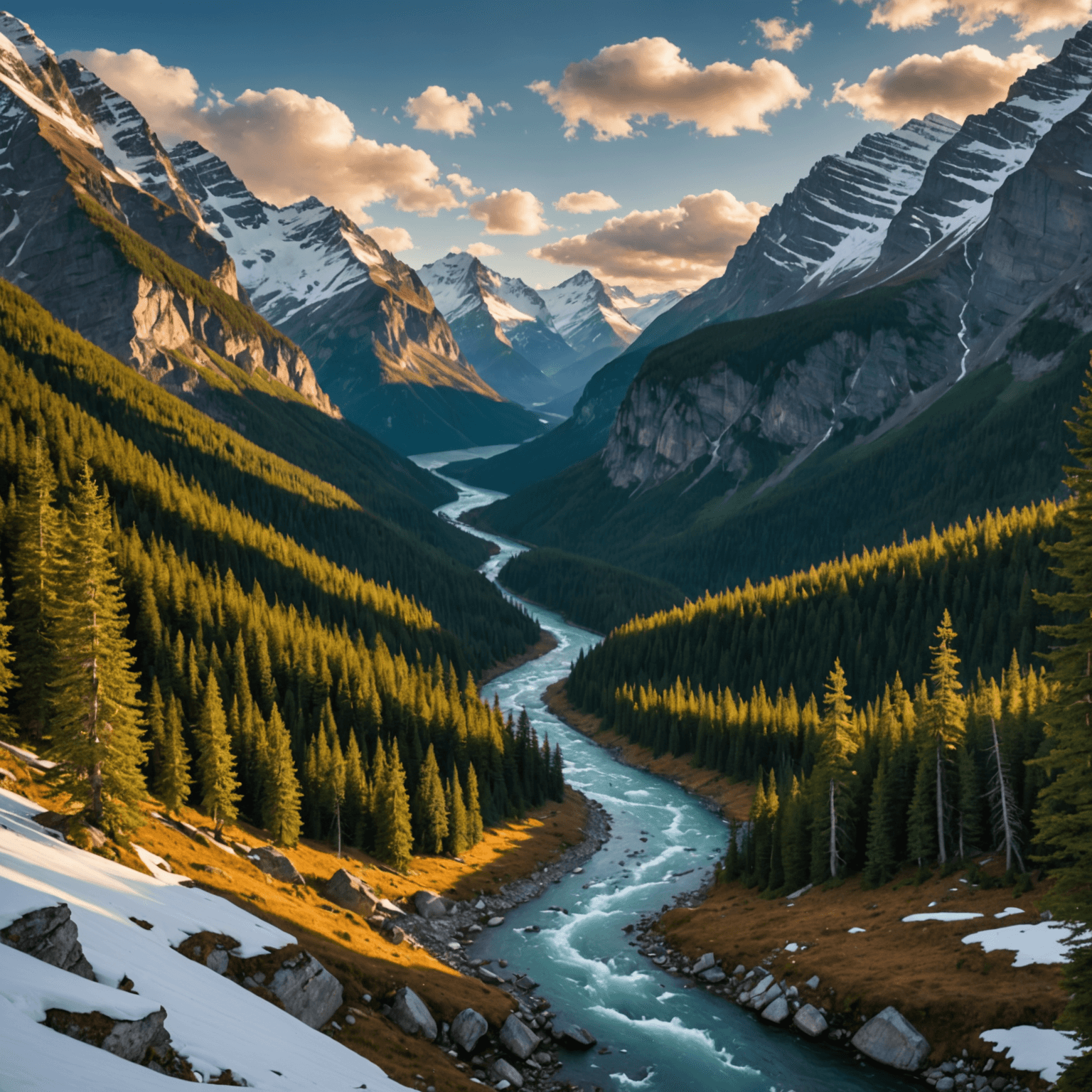
Driving to Alaska allows you to explore stunning landscapes and small towns along the way. Consider stopping at national parks, such as those featured on National Park Service’s Alaska pages, and enjoy the natural beauty of the region.
Conclusion
No matter how you choose to travel, getting to Alaska is part of the adventure. Whether flying for convenience, cruising for scenic beauty, or driving for the journey, each option offers unique experiences and memories. By planning your route carefully and considering your interests and preferences, you can make your trip to Alaska as smooth and enjoyable as possible.
[spronix_cta key=”northern-lights-adventures”]
FAQ
1. What is the best time of year to visit Alaska?
The best time to visit Alaska depends on your interests. Summer (June to August) offers mild weather and long daylight hours, ideal for outdoor activities. Winter (December to March) is perfect for witnessing the Northern Lights and winter sports.
2. Do I need a passport to travel to Alaska?
If traveling from within the United States by air, a passport is not required. However, if driving through Canada, a passport or enhanced driver’s license is necessary.
3. How long is the flight to Alaska from the continental U.S.?
Flight times vary depending on your departure city. From Seattle to Anchorage, flights are approximately 3.5 hours, while flights from the East Coast can take up to 7 hours.
4. Can I drive to Alaska year-round?
Yes, but driving conditions vary by season. Summer offers the best driving conditions, while winter requires careful planning due to snow and ice.
5. What should I pack for a trip to Alaska?
Pack layers to accommodate changing weather, sturdy footwear for outdoor activities, and essentials like insect repellent and sunscreen. For winter trips, include warm clothing and gear for snow activities.
6. Are there any unique experiences I should try while in Alaska?
Absolutely! Consider a dog sledding and snowmobile combo tour or a glacier and Northern Lights adventure for unforgettable experiences.
7. How can I see the Northern Lights in Alaska?
The Northern Lights are best viewed during the winter months. Check the Aurora Forecast for optimal viewing times and locations.
8. Are there any travel restrictions in Alaska due to wildlife?
While there are no travel restrictions, it’s essential to be aware of wildlife safety guidelines. Visit the Alaska Department of Fish and Game for tips on coexisting with wildlife.