Introduction
Sled dog training in Alaska is a time-honored tradition that blends adventure with a rich understanding of canine behavior and teamwork. From the early days when indigenous Alaskans used dogs for transportation, to modern competitive races like the Iditarod, sled dogs have played an essential role in Alaskan culture. This blog post delves into the intricate process of sled dog training, highlighting the journey from puppyhood to becoming a part of a well-coordinated racing team. Additionally, we will explore how dogs learn to work together on the trail, and the importance of capturing dog sled photos that reflect these awe-inspiring moments.
[spronix_cta key=”dog-sled-rides”]
Understanding the Basics of Sled Dog Training
Sled dog training begins at a young age, focusing first on socialization and basic commands. Puppies are introduced to the sled and harness around six months old. This early introduction is crucial as it helps them get accustomed to the equipment and the concept of teamwork. Trainers use positive reinforcement techniques, rewarding dogs with treats and praise, to instill obedience and eagerness.
As the dogs mature, they undergo more specialized training, learning commands such as “gee” (right) and “haw” (left). These commands are essential for navigating the often treacherous Alaskan terrain. The dogs are also taught to respond to the musher’s voice, an invaluable skill during races where split-second decisions are critical.
Building Teamwork Among Dogs
Teamwork is the cornerstone of successful sled dog training. Each dog has a particular role: lead dogs are responsible for setting the pace and direction, swing dogs help turn the sled, team dogs provide power, and wheel dogs are positioned closest to the sled for stability. Understanding each dog’s strengths and placing them in the correct position is vital for efficient sledding.
To foster teamwork, trainers conduct regular team runs, gradually increasing distance and difficulty. These runs help dogs build endurance and understand the dynamics of working as a unit. Socialization is also a key component, as dogs need to be comfortable working closely with their teammates. Trainers often rotate dogs between positions during training to ensure they are versatile and adaptable.
The Role of Nutrition and Health
A well-balanced diet is critical for sled dogs, as they require significant energy to perform. High-quality kibble supplemented with meat and fish provides the necessary nutrients. During training and races, dogs burn thousands of calories a day, necessitating a diet rich in protein and fat.
Regular health checks are also essential. Vets monitor the dogs for any signs of injury or illness, ensuring they are fit to run. Vaccinations and parasite prevention are part of routine care, protecting dogs from common Alaskan wildlife diseases.
Preparing for Races
As dogs advance in their training, they participate in longer runs and mock races to simulate the conditions of competitive events. Trainers focus on building speed and endurance, with an emphasis on maintaining a steady pace over long distances.
Understanding the weather is another crucial element of preparation. Conditions in Alaska can be harsh, with temperatures often dropping well below freezing. Mushers and trainers closely monitor weather forecasts to plan training sessions and races safely.
Capturing the Essence of Dog Sledding in Photos
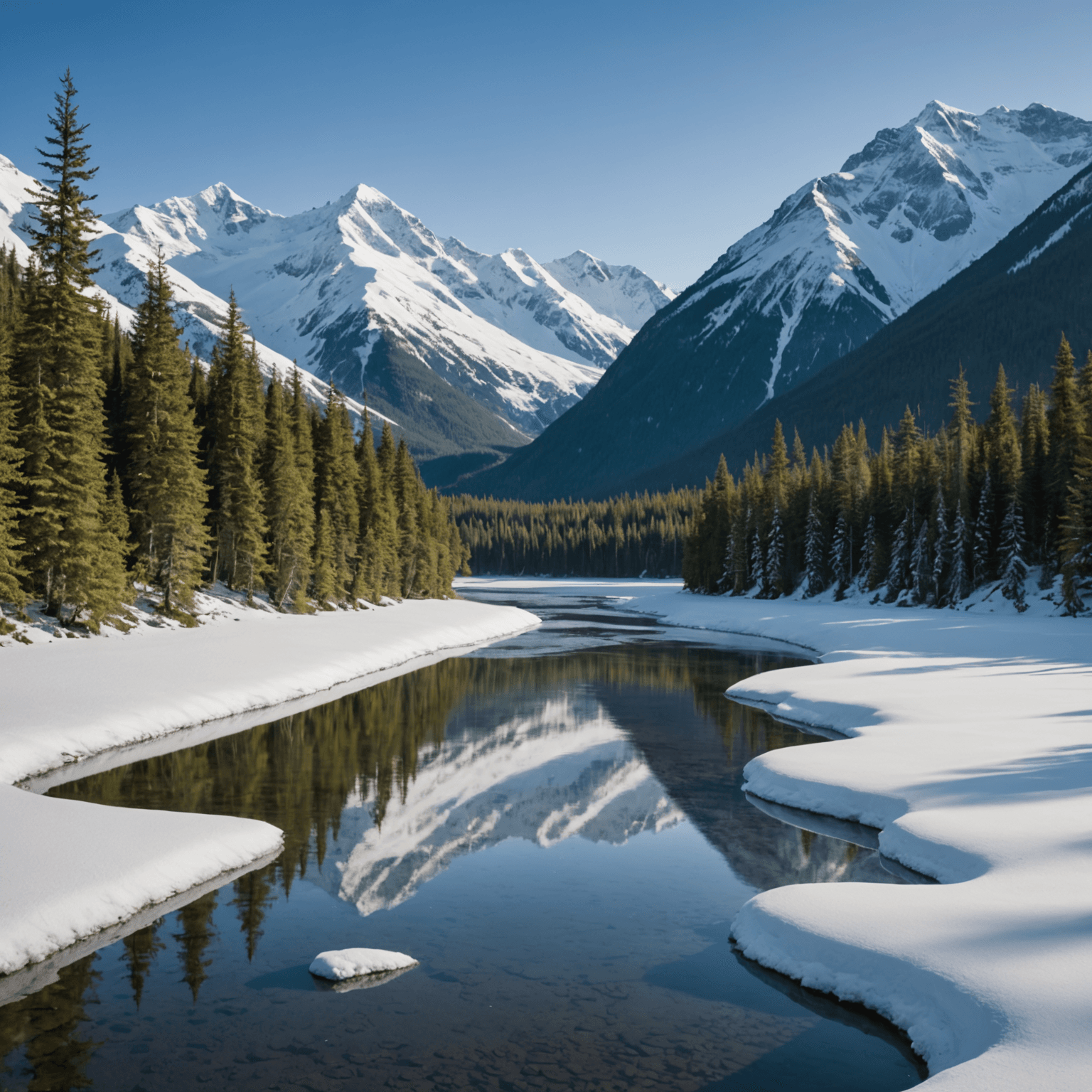
Dog sled photos are more than just snapshots; they capture the essence of the sport and the unique bond between dogs and mushers. To take compelling photos, focus on the action and emotion. Images that showcase the dogs’ determination, the musher’s guidance, and the breathtaking Alaskan landscape can tell powerful stories.
When capturing these moments, consider the lighting and composition. Early morning or late afternoon light can add a dramatic effect, while wide-angle shots can emphasize the vastness of the landscape. Whether you’re a professional photographer or an enthusiast, the goal is to convey the spirit of dog sledding through your lens.
Conclusion
Sled dog training in Alaska is a testament to the enduring bond between humans and dogs. From the first steps of training puppies to the heart-pounding excitement of a race, each phase highlights the dedication and teamwork required to succeed in this unique sport. Whether you’re drawn to the thrill of the race or the beauty of dog sled photos, the world of sled dog training offers a captivating glimpse into Alaskan life.
[spronix_cta key=”dog-sled-rides”]
FAQ
1. What age do sled dogs start training?
Sled dogs typically begin their training around six months of age, starting with basic commands and socialization.
2. How do mushers choose lead dogs?
Mushers select lead dogs based on temperament, intelligence, and responsiveness to commands. These dogs set the pace and direction for the team.
3. How many dogs are in a typical sled dog team?
A standard sled dog team consists of 8 to 16 dogs, depending on the race length and conditions.
4. What is the Iditarod?
The Iditarod is a famous long-distance sled dog race held annually in Alaska, covering approximately 1,000 miles from Anchorage to Nome.
5. How do sled dogs stay warm in freezing temperatures?
Sled dogs have thick double coats that insulate them against the cold. They also generate heat through physical activity and are provided with insulated sleeping arrangements during rest periods.
6. Can visitors experience dog sledding in Alaska?
Yes, visitors can participate in dog sledding tours offered by various operators, providing a firsthand experience of this exhilarating sport.
7. What should I wear for a dog sledding adventure?
Dress in layers with waterproof and windproof outerwear. Insulated boots, hats, and gloves are essential to stay warm in harsh Alaskan conditions.
8. Are sled dogs friendly?
Sled dogs are generally friendly and accustomed to human interaction, especially when they are regularly socialized as part of their training.