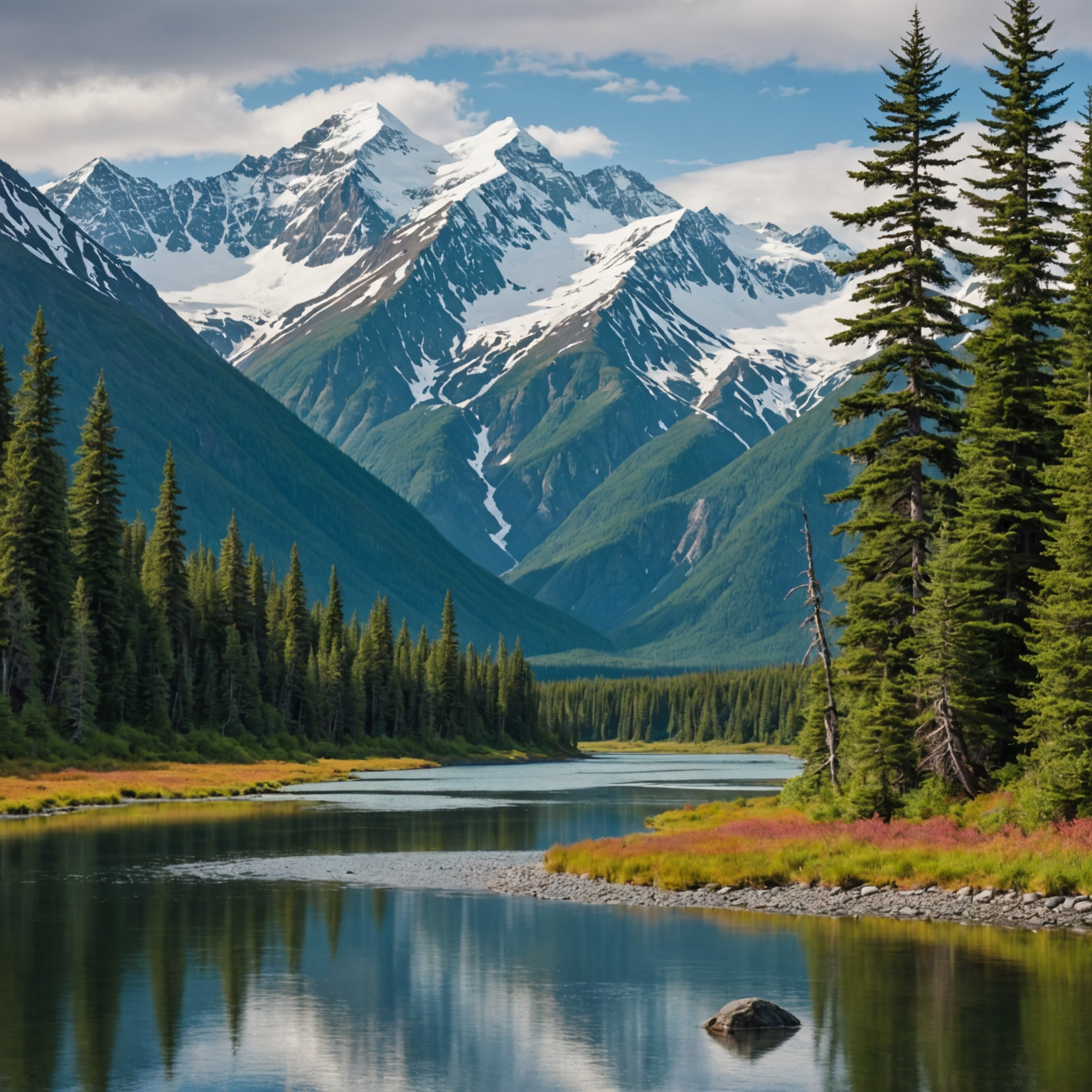
Introduction
Alaska, known for its breathtaking landscapes and vibrant wildlife, also boasts some of the most extreme weather conditions in the United States. As a region of diverse climates, understanding how cold it gets in Alaska each season is crucial for residents and visitors alike. From the bone-chilling winters to the surprisingly mild summers, Alaska offers a unique climate experience. This blog post will explore seasonal temperatures in Alaska, providing insights into what to expect and how to prepare for the cold across the state.
[spronix_cta key=”northern-lights-adventures”]
Winter in Alaska
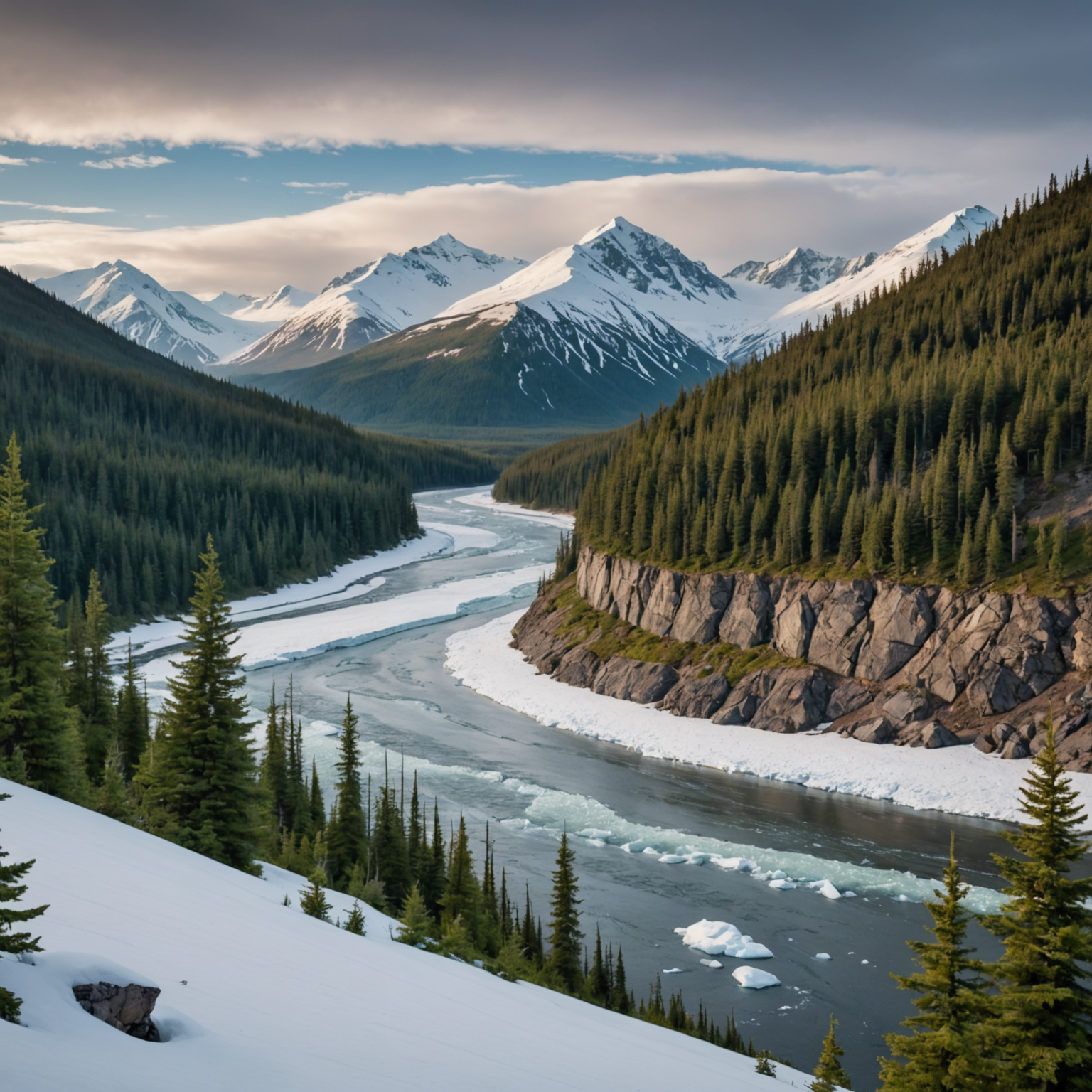
Winter in Alaska is characterized by frigid temperatures and long nights, particularly in the northern regions. The state experiences its coldest months from November through March, with temperatures often plummeting below zero. In the interior, such as Fairbanks, temperatures can drop to -50°F (-45°C), while coastal areas like Anchorage and Juneau typically experience milder temperatures ranging from 20°F to 30°F (-6°C to -1°C).
The severity of winter varies significantly depending on the region. The northernmost areas, including Barrow (Utqiaġvik), are known for extreme cold and prolonged darkness, with average temperatures around -20°F (-29°C) during the peak of winter.
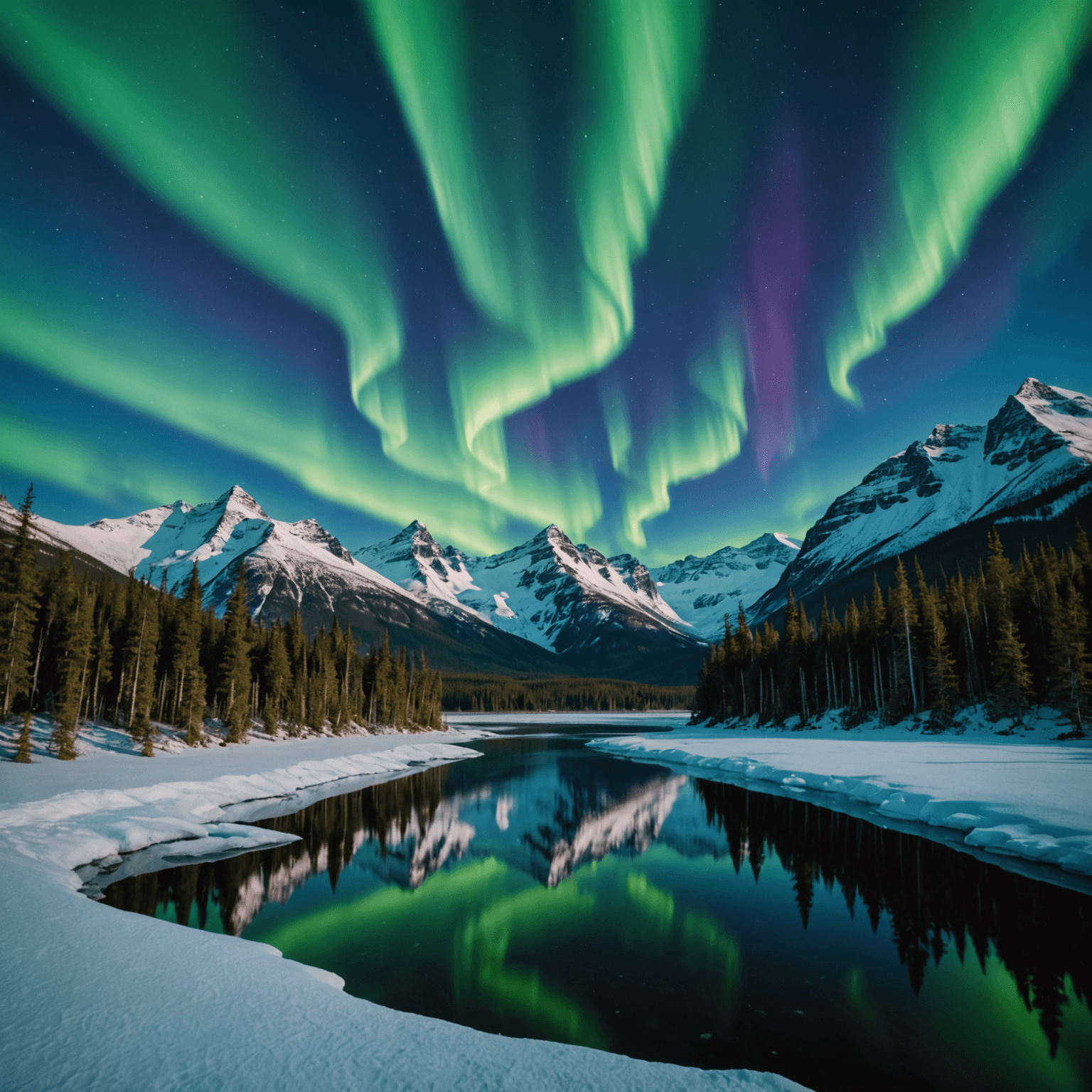
Winter activities such as dog sledding and snowmobiling are popular, and visitors can explore these adventures through packages like the winter experience adventure tour and dog sled snowmobile combo.
Spring in Alaska
Spring in Alaska is a transitional period marked by gradually warming temperatures and increasing daylight. This season, spanning from April to early June, sees temperatures ranging from 30°F to 50°F (-1°C to 10°C) in most areas. The longer daylight hours bring a sense of rejuvenation, melting snow, and blooming wildflowers.
Despite the milder temperatures, spring can still be quite chilly, especially in the northern and interior regions. Travelers are advised to dress in layers to accommodate fluctuating temperatures. Spring is also an ideal time for exploring Alaska’s stunning national parks, such as Denali and Kenai Fjords, where wildlife begins to emerge after the long winter months. For more information on planning a national park visit, see Denali National Park and Kenai Fjords National Park.
Summer in Alaska
Summers in Alaska, from June to August, surprise many with their mild and pleasant temperatures, particularly in the southern and coastal areas. Average temperatures range from 60°F to 80°F (15°C to 27°C), making it a popular time for tourists to visit. In the interior, temperatures can occasionally reach up to 90°F (32°C), offering a stark contrast to the bone-chilling winters.
The Midnight Sun phenomenon, where the sun barely sets, provides nearly 24 hours of daylight, allowing for extended outdoor activities. Popular summer adventures include hiking, fishing, and taking scenic tours such as the Eklutna E-Bike Tour and ATV Adventure Tours. For more travel tips and itineraries, visit Travel Alaska.
Fall in Alaska
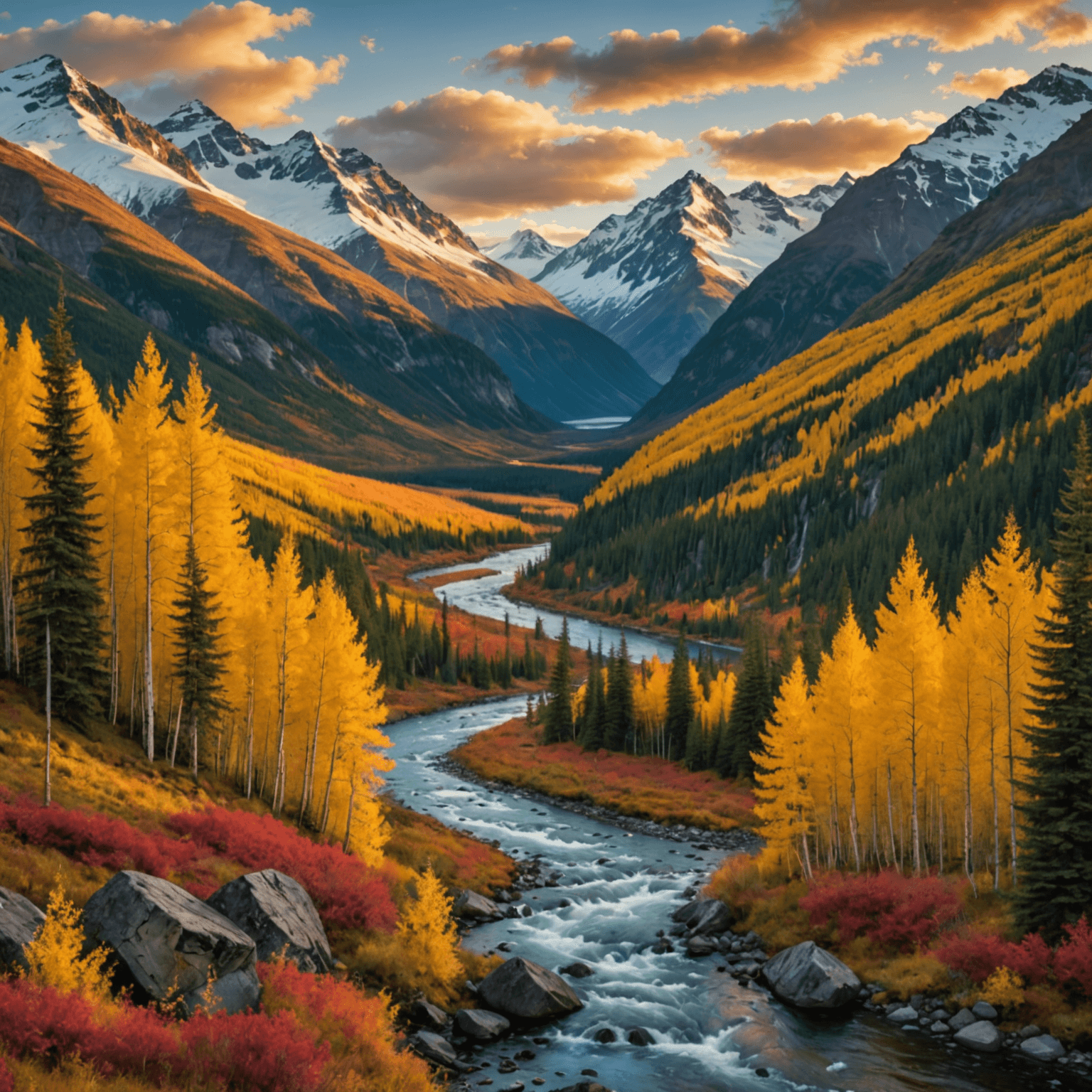
Fall in Alaska is brief but beautiful, occurring from September to October. As temperatures begin to drop, ranging from 35°F to 55°F (2°C to 13°C), the landscape transforms into a tapestry of vibrant autumn colors. This is a great time for photography enthusiasts and those looking to experience the quieter, serene side of Alaska.
However, fall can also bring unpredictable weather, with the possibility of early snowfall in the interior and northern regions. It’s crucial to stay updated on weather forecasts and prepare for rapidly changing conditions. The National Weather Service provides reliable forecasts and updates for those planning to travel during this season.
Conclusion
Alaska’s climate is as diverse as its landscapes, with each season offering unique experiences and challenges. From the extreme cold of winter to the mild warmth of summer, understanding how cold it gets in Alaska each season is essential for anyone planning to visit or live in this beautiful state. Whether you are exploring the northern lights in winter or hiking through vibrant fall foliage, being prepared for Alaska’s weather will ensure a safe and enjoyable experience.
[spronix_cta key=”northern-lights-adventures”]
FAQ
How cold does it get in Alaska during winter?
Winter temperatures in Alaska can drop as low as -50°F (-45°C) in the interior regions, while coastal areas typically range from 20°F to 30°F (-6°C to -1°C).
What is the best time to visit Alaska for mild weather?
Summer, from June to August, is the best time for mild weather, with temperatures ranging from 60°F to 80°F (15°C to 27°C).
Can you see the northern lights in Alaska year-round?
The northern lights are best viewed from late August to April when the nights are longest and darkest. For updates, check the aurora forecast.
Is spring a good time for wildlife viewing in Alaska?
Yes, spring is excellent for wildlife viewing as animals emerge after winter hibernation, and migratory birds return.
What should I wear when visiting Alaska in fall?
Dress in layers to accommodate fluctuating temperatures and be prepared for possible early snowfall, especially in the interior.
Are there any safety precautions for traveling in Alaska’s cold weather?
Yes, always check weather conditions, dress warmly, and carry emergency supplies when traveling in remote areas. Visit Ready Alaska for more safety tips.
How does the climate differ between northern and southern Alaska?
Northern Alaska experiences harsher winters and cooler summers, while southern Alaska, particularly coastal regions, enjoys milder temperatures year-round.
Where can I find more information on Alaskan adventure tours?
For a variety of adventure tours, check out Snowhook Adventures, which offers year-round activities tailored to different interests and seasons.